The menopause – better than its reputation
"Feel good, live better" – the health podcast by Premium Medical Circle. Dr. Brita von Holle, specialist in gynecology and obstetrics, on menopause and the benefits of hormone replacement therapy.
"Feel good, live better" – the health podcast by Premium Medical Circle. Dr. Brita von Holle, specialist in gynecology and obstetrics, on menopause and the benefits of hormone replacement therapy.

 Find a Doctor
Search the network for suitable specialists and contact them directly
In the new podcast "Feel good, live better" Stephanie Neureuter, editor of Premium Quarterly, talks with medical professionals, nutritionists and mental healthexperts, as well as other interesting personalities. As in the print magazine "Premium Quarterly", the focus is on health and wellbeing and how we can lead a happy long life - personal, inspiring, informative. Always on Wednesdays, at Spotify, Google Podcasts, Deezer, Amazon Music and Audible.
In the first season, PQ editor Stephanie Neureuter met the dermatologist Dr. Timm Golüke, the orthopedic and digital health expert Dr. Dominik Pförringer, the sports dentist Dr. Siegfried Marquardt, the entrepreneur Stephanie Neumann, the plastic surgeon Dr. Caroline Kim, den Zahnarzt Dr. Mark T. Sebastian, Andreas Klingseisen sowie Prof. Dr. Sebastian Siebenlist.
Die Wechseljahre sind so etwas wie die umgekehrte Pubertät – die betroffenen Frauen fühlen sich nicht besonders wohl und attraktiv, so Dr. Brita von Holle. Weshalb sie diese Lebensphase trotzdem als positiv empfindet und Befürworterin einer Hormonersatztherapie ist, das verrät die Fachärztin für Frauenheilkunde und Geburtshilfe, die in der Gemeinschaftspraxis Pranner 15 in München praktiziert, in der neuen Folge von „Feel good, live better“ – dem Health-Podcast von Premium Quarterly.
In conversation with publisher Stephanie Neureuter, she talks about the positive effects of hormones on the body and psyche and alleviates women's fears about the negative effects or outlines alternatives.

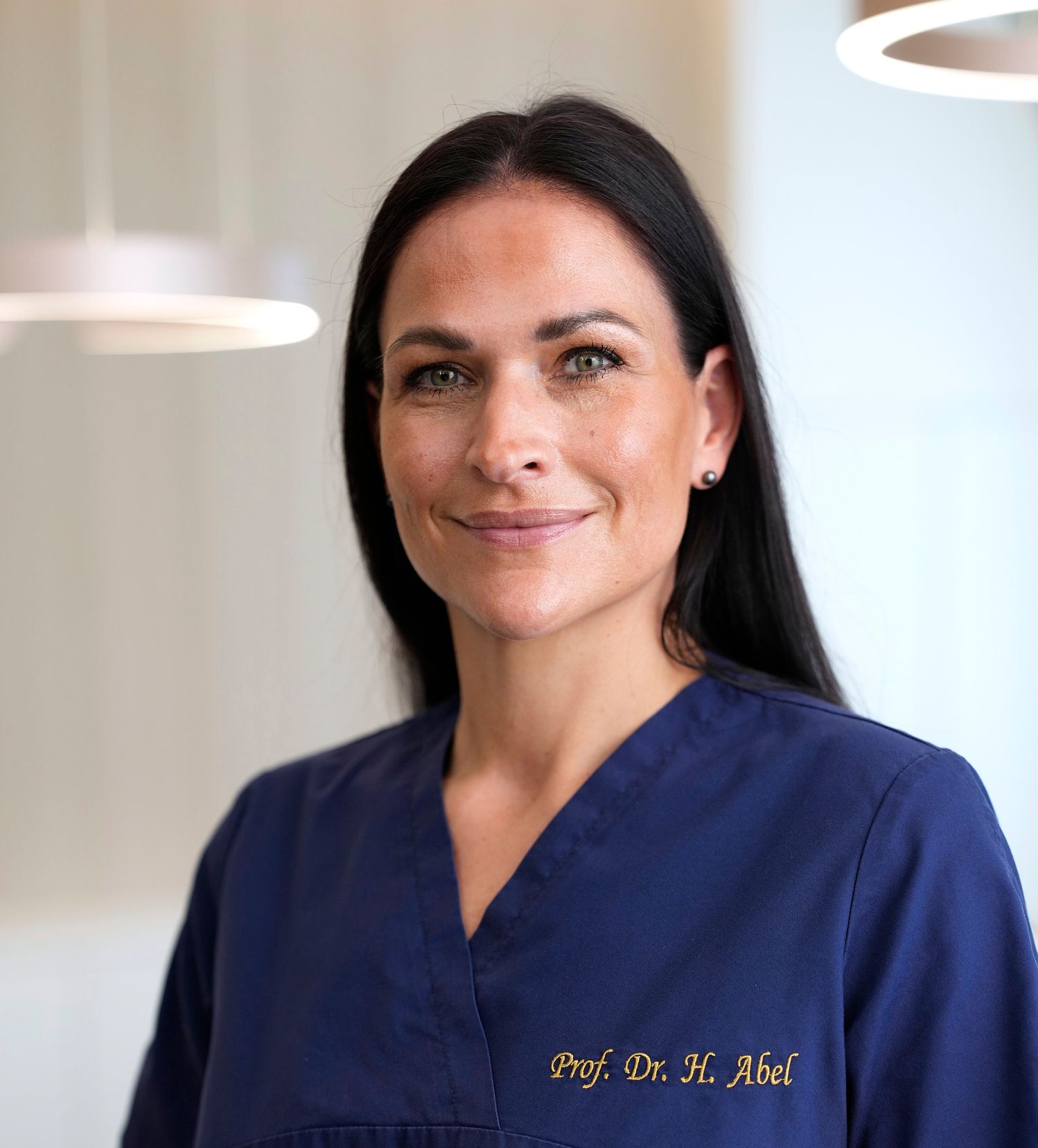
"Feel good, live better" This podcast episode with Prof. Dr. Helen Abel is all about hands and how to keep them mobile – even with arthritis
Christine Bürg
An interview with

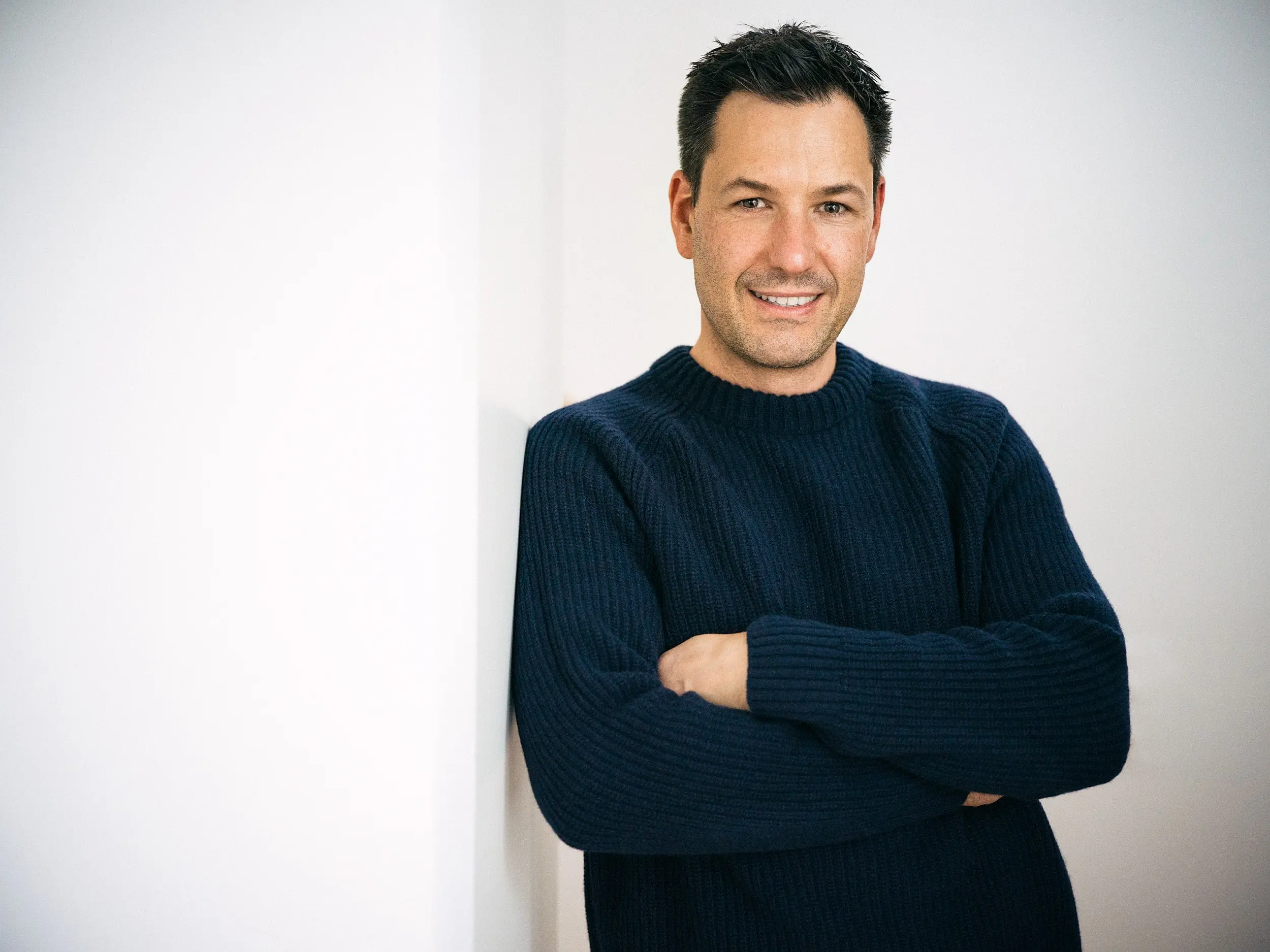
How often should beginners run, when should they increase their training, and how important are rest days? Physiotherapist Nils Stützer explains how to build a healthy running routine, what role running technique plays, and how to avoid overuse injuries.
Christine Bürg & Marianne Waldenfels
With
Nils Stützer