Running for Beginners: How Much Training Is Healthy?
How often should beginners run, when should they increase their training, and how important are rest days? Physiotherapist Nils Stützer explains how to build a healthy running routine, what role running technique plays, and how to avoid overuse injuries.
Those who start running often notice surprisingly quick progress. The same route becomes easier, the heart rate drops, and endurance grows. But the body doesn't adapt to these new demands at the same pace everywhere: some changes set in remarkably early, while others take months. That's precisely why it's so important not to overdo it at the beginning.
"Slow and steady rather than too fast and too much" is therefore the most important rule of thumb from Nils Stützer, physiotherapist, personal trainer, and owner of "physiolife" in Esslingen. The importance of patience becomes clearer when you look at what actually happens in the body when you run.
The First Changes Begin After Just a Few Days
Much of this goes unnoticed at first. "Energy supply in the cells improves within the first 8–14 days," explains Stützer. Enzymatic processes — the chemical reactions within cells — run more efficiently and in a more targeted way. "The body learns, in a sense, to handle the same workload more economically."
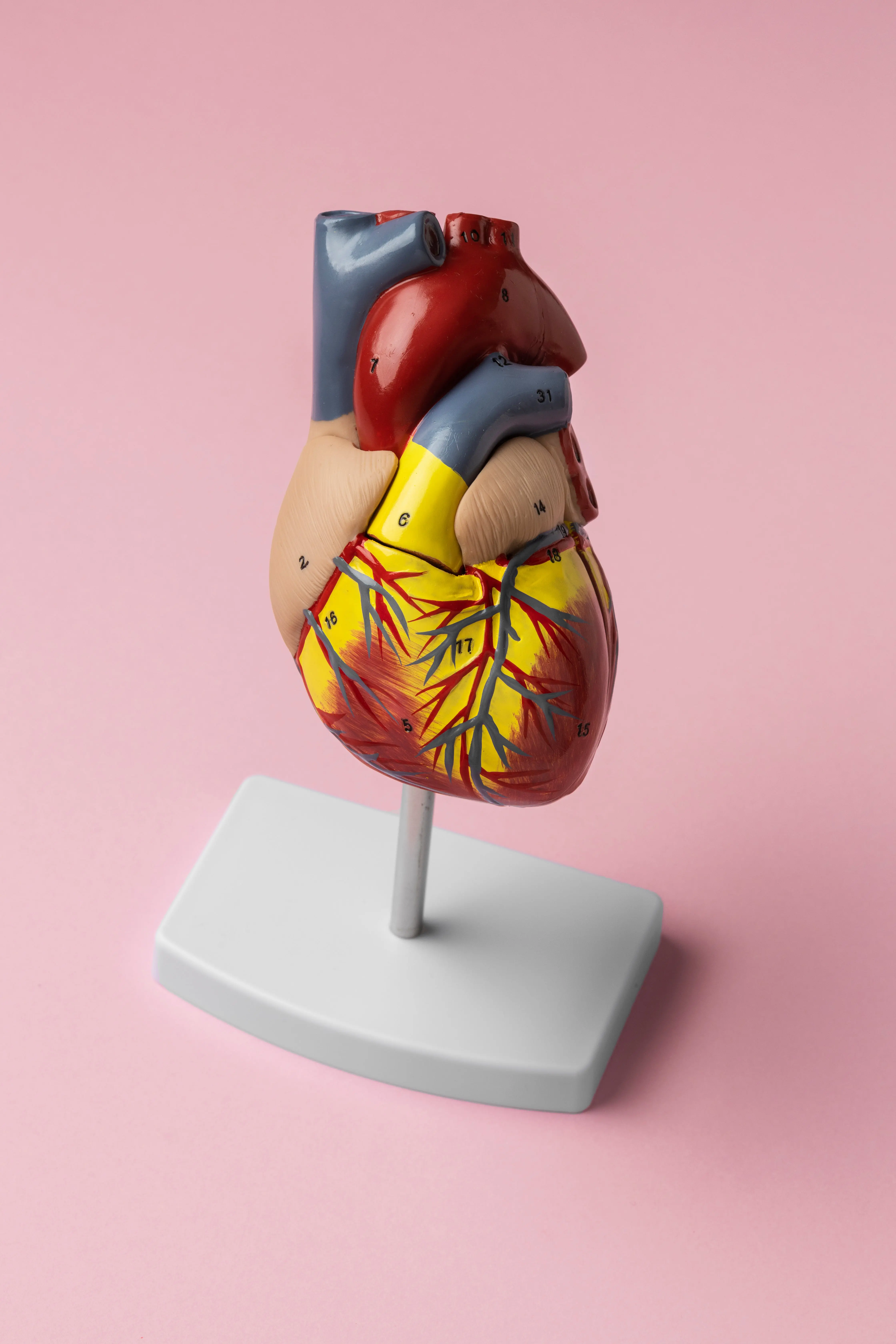
The heart and cardiovascular system also respond relatively quickly. According to Stützer, the first noticeable adaptations appear within the first four weeks. The heart begins to work more efficiently and can pump more blood through the body with each beat, improving oxygen transport. At the same running pace, heart rate can decrease as training adaptations progress.
At the same time, the nervous system adapts as well. Neural adaptation begins with the very first running sessions and continues to develop steadily. Movement sequences become more coordinated, running style more economical, and the body requires less energy for a given pace. "So the body doesn't just become more 'enduring' — it learns, step by step, to handle the same load more efficiently," says Stützer.
In sports science, these changes are referred to as adaptation processes. For the body to become more capable and resilient, the right dosage is key, according to Stützer: "What matters is setting regular, targeted, individually tailored, and progressively increasing training stimuli."
Tendons and Bones Take Longer Than the Heart and Cardiovascular System
This is one of the greatest challenges for beginner runners: fitness improves long before all the structures of the musculoskeletal system have caught up.
For measurable changes in muscle mass and strength gains, Stützer estimates around eight to twelve weeks; for tendons and ligaments, even longer — their adaptation processes can extend over approximately twelve weeks. For bones and cartilage, he says it can take up to six months.
"Training therefore requires patience: not every structure in the body adapts at the same speed," says Stützer. Those who already feel fit enough for longer distances or a faster pace may still be asking too much of their musculoskeletal system.
Stützer sees this pattern play out time and again in his practice. "It's January and you're highly motivated. You buy a pair of shoes online — chosen by looks, of course — and just start running. No attention is paid to running technique, because after all, everyone knows how to run. You start going out every other day right away." Before long, people are running further and faster.
The consequences often only show up later. "Two months down the line, these runners end up on the treatment table in our clinic because their knees, hips, or backs are protesting. And often the conclusion is: 'Running just isn't for me.'" Stützer is particularly saddened by the fact that this causes people to lose their initial motivation — "simply because they overlooked a few processes out of ignorance."
How Much Should Beginners Run at the Start?
For getting started, Stützer recommends restraint above all. He considers a maximum of two to three running sessions per week sensible at first; only after about three months should the workload be increased. Between sessions, he recommends at least one to two rest days.
Distance doesn't need to be great at the beginning either. "Beginner runners should start with 3–5 km and take walking intervals every 5 minutes," advises Stützer. The same applies to pace: "Run slowly, at a relaxed pace — ideally as slowly as you can."
Walking breaks in particular can help manage the workload at the start. Nobody needs to run several kilometres without stopping from day one for the training to count.
For those who are overweight, Stützer advises starting with walking for the first three months. The advantage: walking lacks the so-called flight phase of running, where both feet are off the ground at the same time. One foot always remains on the ground, which reduces the load on the joints. Stützer also mentions a heart rate range of around 65 to 75 percent of maximum heart rate as a guide for fat metabolism.
Why Rest Days Make Your Body Better
Especially when the first runs go well, it can be hard to take a day off. For Stützer, however, these days are just as much a part of training as the running sessions themselves. "We get better during the breaks!" he says.
Because the physical process isn't complete with training alone. "The body's actual adaptation takes place during the recovery phase. Training sets the stimulus; recovery enables the adaptation," explains Stützer.
That's why striking the right balance between exertion and recovery is so important. Recovery is important for the immune system and the muscles, but equally so for "the passive musculoskeletal system — tendons, ligaments, bones, and cartilage — as well as for the mind and soul."
During this recovery period, the body responds to the preceding exertion. Stützer also refers to this as supercompensation: the body can briefly reach a higher level of performance than before. More training is therefore not automatically better, especially at the beginning — recovery is part of the training process.
What Does Good Running Technique Actually Mean?
Of course, beginners don't need to think about every single step. Running technique describes how the various movements involved in running work together. This includes, for example, stride length and stride frequency, the stability of the trunk and pelvis, and the way the foot strikes the ground.
Stützer pays particular attention to stride frequency. "An optimal stride frequency can help you run faster and more fluidly while reducing impact load. It is often more beneficial to take smaller steps at a higher frequency."
The right frequency depends, in his view, on factors including body height and individual running technique. For a height of around 1.70 to 1.80 metres, Stützer suggests 160 to 170 steps per minute as a possible reference range.
Foot strike also plays a role. If there are no issues with the Achilles tendon and the posterior muscle chain is sufficiently mobile, Stützer recommends a midfoot strike rather than a heel strike, in combination with a low drop shoe.
What matters here is not looking as "perfect" as possible from the very first run. It's more about keeping an eye on your own movement patterns — especially when complaints arise or certain structures are repeatedly overloaded.
Why Runners Shouldn't Just Run
Running alone isn't enough for Stützer. Those who want to train long-term and with as few complaints as possible should also keep strength and mobility in mind. "Strength training, stability training, and equally mobilisation are essential for healthy, long-term running training."
What matters most is the musculature that stabilises the body during running: the core, pelvis, legs, and glutes — "much like the old 'abs, legs, and glutes' classes from the 80s," says Stützer.
Also the Flexibility also plays a role. Stützer highlights in particular the hip flexors, quadriceps, and the entire posterior muscle chain, including the hamstrings and calves. One exercise that targets several of these areas is, for example, the "downward-facing dog" from yoga.
When it comes to classic passive stretching, Stützer is aware of the ongoing scientific debate. "Classic passive stretching is a topic of controversy in the scientific community," he says. Nonetheless, he recommends stretching the muscle groups mentioned above after training, when they are well warmed up, for at least two times 30 seconds per side.
He also advocates small dynamic loading stimuli. "Equally beneficial are exercises like small, quick hops on the forefoot — for example, on a kerb: 3 × 20 repetitions." This can gradually accustom the Achilles tendon to brief, dynamic stretching and loading stimuli.
Heart Rate, Pace, or Steps: What Should Beginners Keep an Eye On?
Running watches today can measure almost every metre. Tracking isn't necessary for a good start, though. "Tracking your runs is not a 'must-have'," says Stützer. He does, however, find it useful to record certain parameters in order to monitor your own progress and make improvements visible.
For those who want to train more deliberately, Stützer suggests using heart rate as a key reference point. By monitoring heart rate, the intensity of a session can be better controlled and the pace adjusted accordingly.
To build training in a structured way, Stützer recommends spirometry or a performance diagnostic assessment. This allows individual heart rate and exertion zones to be determined, which can then be transferred to a running watch.
For the first few runs, however, this doesn't need to turn into a numbers competition. The figures are there to help gauge the workload — not to tempt you into running every session faster than the last.
Why the Right Running Shoes Need to Do More Than Look Good
And then there are the shoes. According to Stützer's typical beginner scenario, that's often the first thing people buy — chosen "by looks, of course." Instead, he recommends getting professional advice at a specialist running shoe store.
Ideally, you shouldn't just try a shoe on in the shop — you should actually run in it. Stützer recommends being filmed on a treadmill while doing so. "There are several parameters to consider: Is it a neutral or a supportive shoe? Do I pronate at the heel, knee, or hip? What is the drop of the running shoe?"
Such an analysis can help find a shoe that suits your individual running style. And even once you've found your model, you should look more carefully next time you buy. "Please bear in mind that subsequent models are not always designed 1:1 like their predecessor," says Stützer. Simply ordering the follow-up model online without checking it out first is therefore not something he recommends.
A Good Start to Running Doesn't Need a Record
Especially at the beginning, it's tempting to measure every run by kilometres, pace, or personal bests. Stützer's approach is different: the body sets the pace. Those who give it time build a better foundation for turning those first motivated runs into a long-term routine.