Digital Health: "AI Will Not Replace Doctors – But It Can Make Them Significantly Better"
Will artificial intelligence replace doctors? Digital health expert Prof. Dominik Pförringer explains which tasks AI will take on in the future, where its limits lie, and why the personal doctor-patient conversation remains irreplaceable.
Artificial intelligence writes medical letters, analyzes X-ray images, and already supports medical decision-making today. For some, this represents an enormous opportunity; for others, it is a troubling vision of the future. Where are the limits of digitalization? Which tasks should AI take on – and why does the human element remain indispensable?
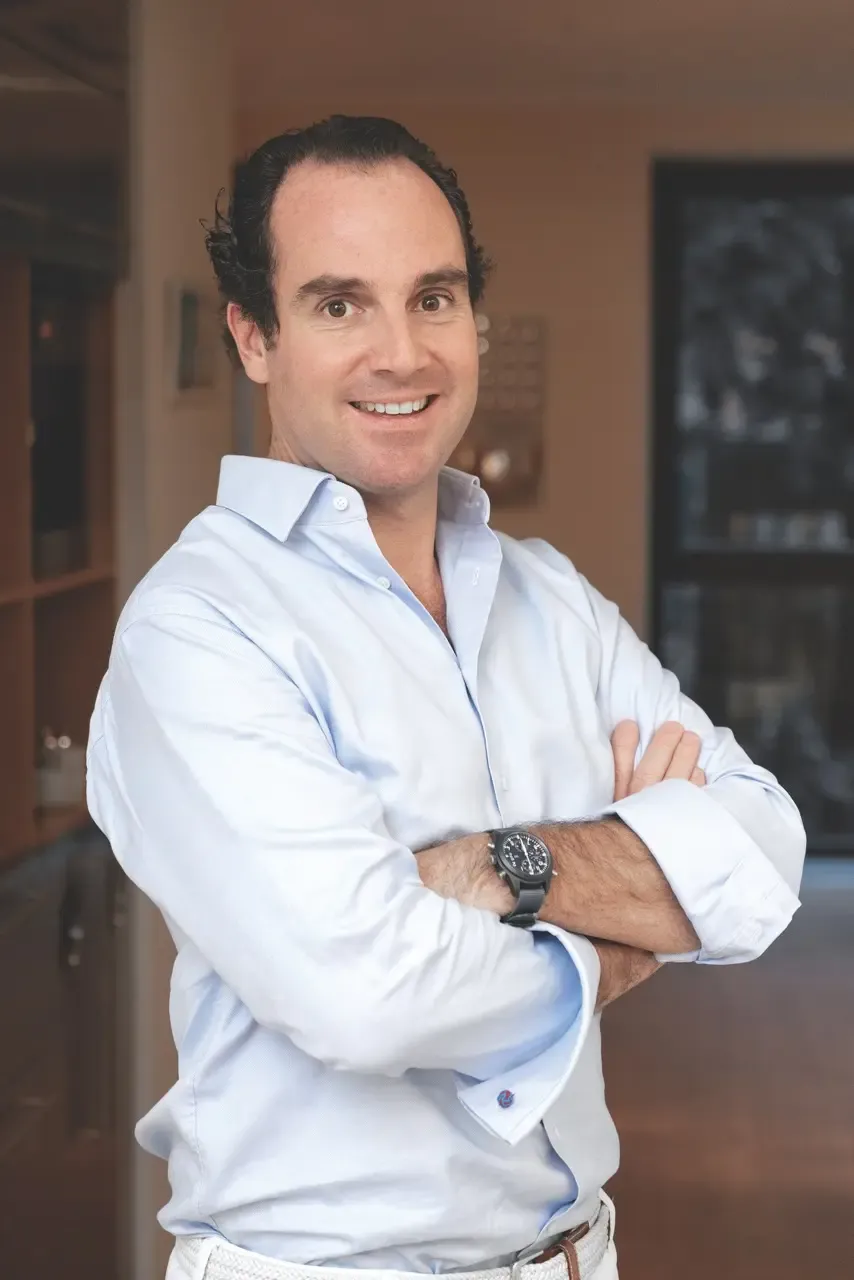
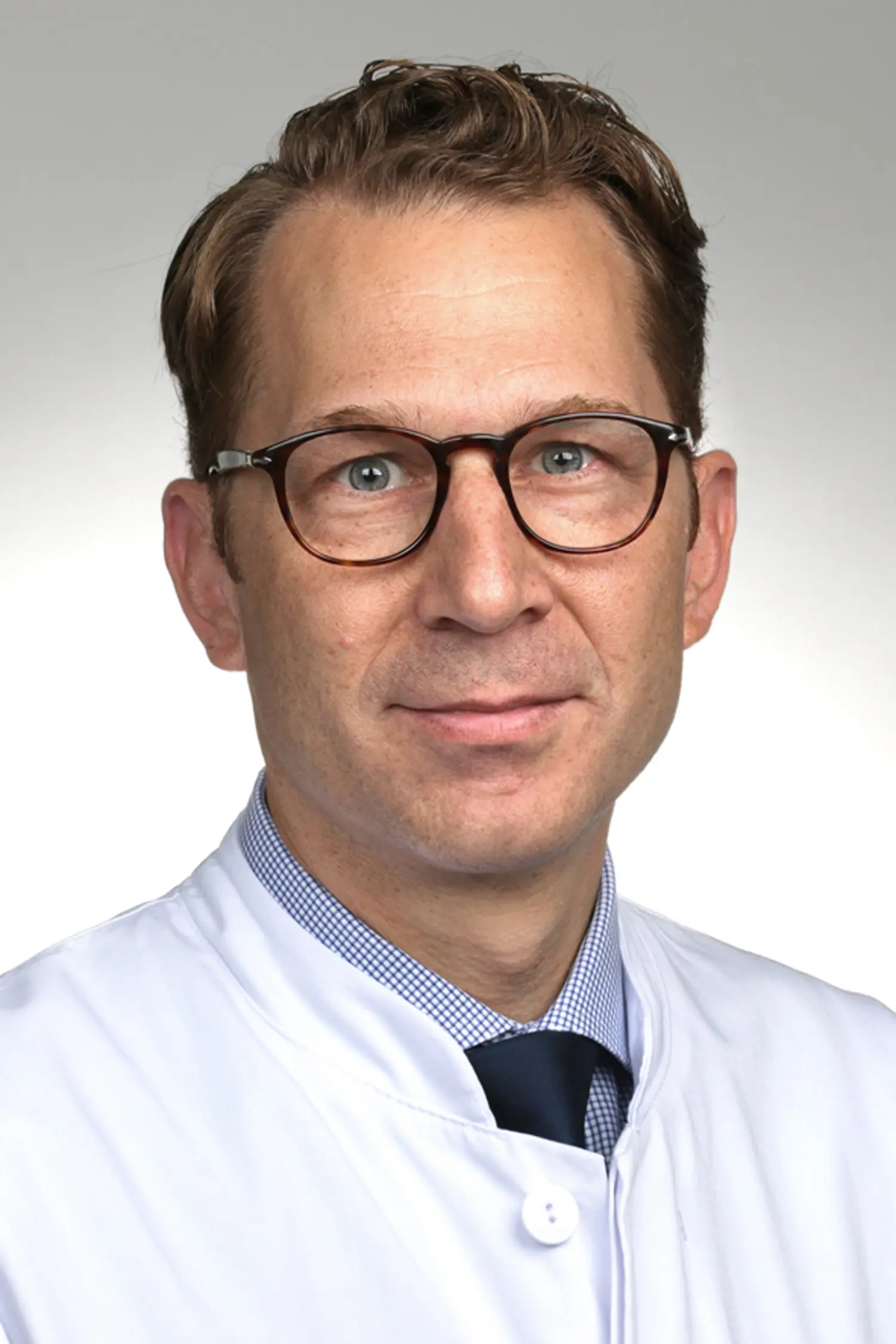
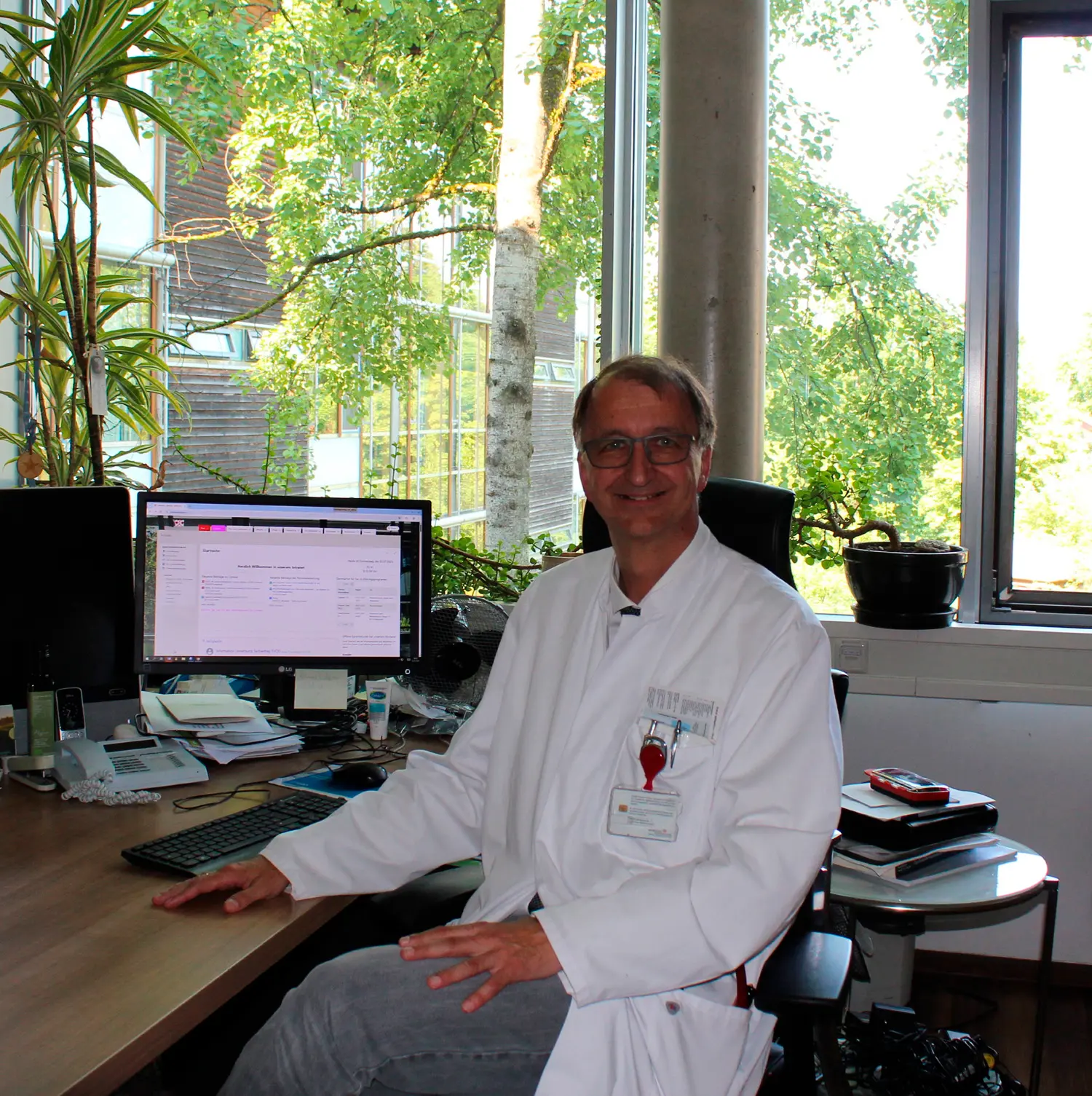
Orthopedic surgeon, trauma surgeon, and digital health expert Prof. Dominik Pförringer explains how medicine will change – and why, despite his enthusiasm for new technologies, he consciously chooses to live an analog life in his personal time.
Professor Pförringer, you have been working in the field of digital health for many years. What opportunities does digitalization open up for patients?
I am convinced that digitalization will take over many of the tasks that we in healthcare have created for ourselves over the years – tasks that actually distract from the practice of medicine. These are largely the background noise of everyday work.
Repetitive, redundant activities can be handed off to technology. This includes the analysis of large volumes of data. At the same time, the entire so-called patient journey – the path a patient takes through the healthcare system – can become significantly smoother.
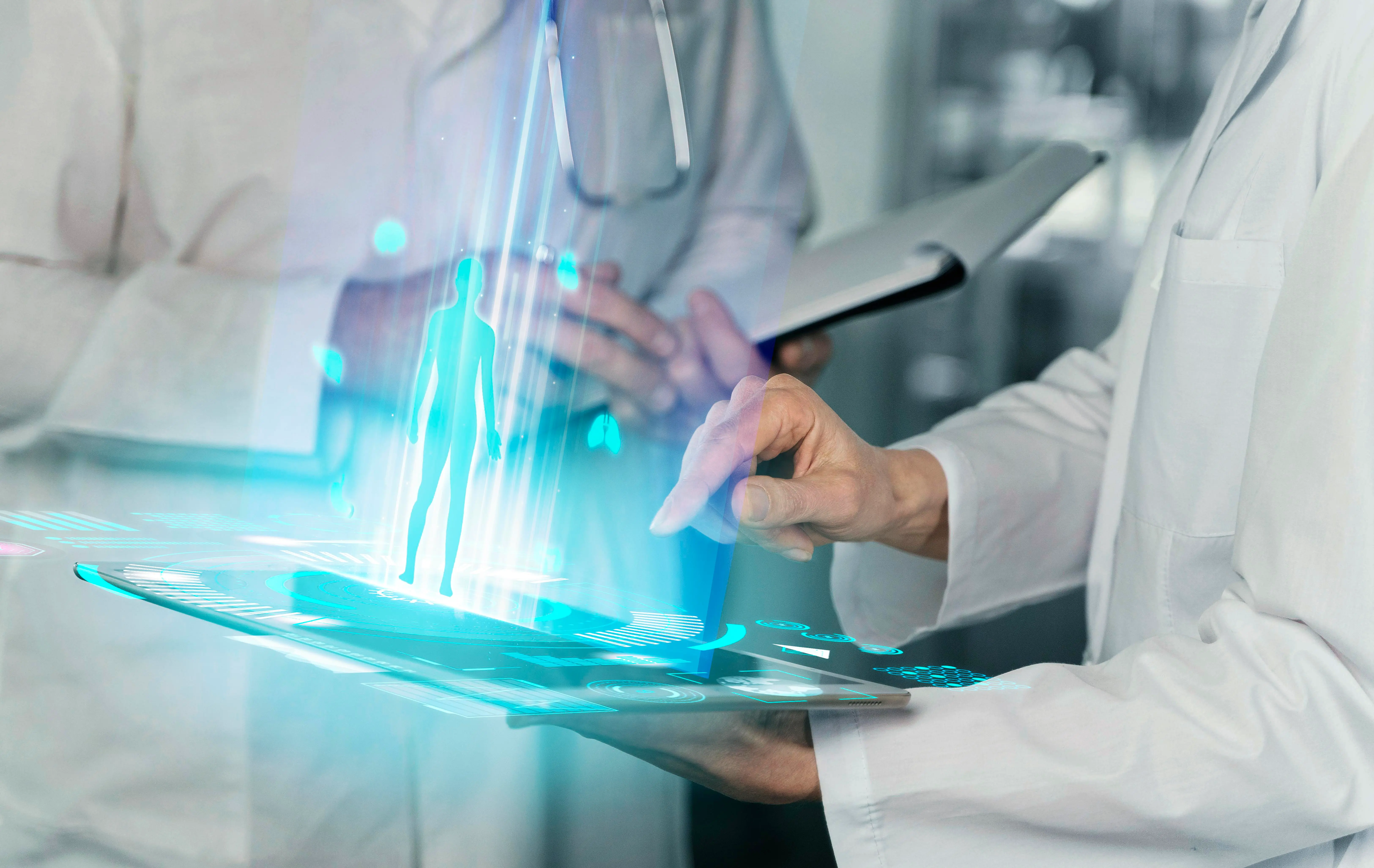
It starts with scheduling appointments. Patients can register digitally, securely share their records with their doctor, and have that data evaluated not only by the doctor but also by intelligent systems. Those who wish can then continue to receive digital support – right up until the point where personal, hands-on care should come to the fore again.
How Artificial Intelligence Can Relieve the Burden on Doctors
Which innovations are doing the most to lighten doctors' workloads today?
The most successful innovations are those that are built around the actual needs of doctors and patients. Just because something is technically possible does not mean it is also useful.
A great deal is being said right now about ChatGPT and similar systems. For straightforward questions, these tools can already be very helpful. However, they are not yet capable of handling complex differential diagnoses or difficult treatment decisions. That will develop over time, but for now their strengths lie elsewhere.
I see the greatest potential in freeing doctors from tedious routine tasks. Documentation is one of them. A doctor who has to type constantly during a consultation is wasting valuable time. The same goes for manually looking up information or checking for side effects.
Radiology is a good example. In the past, a radiologist might assess around 200 X-ray images during a shift. Today, that number can run into the tens of thousands. The human brain can barely process that volume of data in its entirety. When AI flags abnormalities and alerts the doctor to where a closer look is needed, everyone ultimately benefits.
Digitalization and artificial intelligence also create a great deal of uncertainty for many people. Where do you see the greatest risks?
Every new technology brings challenges, of course. In Germany, however, we often tend to focus on the risks first. It is easy to conjure up images of robots soon performing operations independently or making life-or-death decisions on their own.
I am not particularly worried about such scenarios at present. The final decision continues to rest with the doctor. I see digitalization more as a co-pilot. It makes suggestions – much like a navigation system in a car. The sat-nav recommends turning right. But if you can see there is a traffic jam ahead, you turn left anyway. You don't switch off your own judgment, after all.
It only becomes critical when we hand decisions over entirely to technology – for instance, when it comes to dosing or administering medication. For that, we need systems that function with absolute reliability. Until then, the greatest challenge, in my view, is not the technology itself, but the human beings who use it and how they handle it.
That is why we must bring doctors, nurses, and patients along together. We need to explain what the technology can do, what it cannot do, and where its limits lie. Only when people genuinely understand how digital systems work will they be willing to accept them.
Which developments do you currently see as the most important trends in digital health?
Artificial intelligence is, of course, the dominant topic. But its potential always depends on what data is actually available. Radiologists, pathologists, and laboratory physicians already work with very large datasets today. Other specialties, such as surgery or orthopedics, have far less structured data at their disposal.
One area I find almost even more exciting is so-called natural language processing. This involves systems that can understand, analyze, and intelligently process language. I believe there is an enormous future market here.
Closely connected to this is decision support – digital assistance with medical decisions. The larger the available volumes of data become, the harder it will be for individual doctors to keep track of all the relevant information on their own.
That does not mean computers will be independently determining diagnoses or therapies in the future. The doctor remains responsible. They are ultimately the ones who decide whether a recommendation makes sense and whether it is appropriate for the individual patient.
Medicine is not just about data. We also have to assess whether a patient can actually cope with a particular treatment, whether it will truly benefit them, and which individual factors need to be taken into account. That is precisely why I see AI as a co-pilot – not the pilot.
Why the Human Element Remains Irreplaceable
Some patients want personal contact, while others prefer to handle everything digitally. Is digital health also a generational issue?
The patient must always be at the center. That cannot change, even as we embrace digitalization. Technology must never leave patients feeling abandoned or alone. It is there to help us be more present for people – not to dictate how we act.
In the doctor-patient conversation especially, technology therefore plays only a supporting role in my view. The direct encounter between doctor and patient remains the single most important element of good medicine. Both sides benefit from it. It is essential for trust, for the recovery process, and for the overall care journey.
Of course, a generation is now growing up that uses digital technologies as second nature and has a fundamentally different attitude toward data privacy and digital services than earlier generations did. These people will make far greater use of digital health solutions and may, in some situations, turn to an app before they turn to a doctor.
At the same time, there will always be people who actively seek personal contact and place their trust in a long-standing family doctor. That is why I am convinced that different pathways will continue to exist side by side in the future. There are different types of patients – just as there are different types of doctors. And both will continue to find each other.
Recently, hundreds of experts – including Elon Musk and Yuval Noah Harari – called for a development pause on artificial intelligence. Can you understand those concerns?
I view this discussion with somewhat less alarm, but I wholeheartedly welcome it. We should not develop new technologies simply because they are technically within our reach. Far more important is the question of what consequences they may bring.
I often think of Goethe's sorcerer's apprentice. At some point, you set something in motion that may no longer be controllable. That is precisely why I believe it is right that we are now debating the opportunities and risks so intensively.
Whether a worldwide development halt is realistic, I doubt. The economic interests at stake are enormous. If one country or company pauses its research, another will simply press on. We have seen this pattern play out across many areas of technological development.
A different question is therefore far more crucial: When does technology become not just useful or superfluous, but potentially harmful? That is exactly what we need to be talking about.
I greatly welcome the fact that so many experts are currently examining the risks and working toward clear frameworks. For me, science always means not only looking at the potential benefits, but also discussing the potential drawbacks at an early stage. We need this debate now.
How Prof. Pförringer Envisions the Medicine of the Future
How do you envision the medicine of the future?
I am fundamentally an optimist and view the development of medicine very positively. At the same time, we are currently in a transitional phase that is particularly demanding.
Digitalization is not a project with a clear beginning and end. Data processing has long been part of medicine, as have robot-assisted procedures. What is different now is that this development is accelerating at a dramatically faster pace.
I am convinced that technology will increasingly take over many of the tedious, redundant, and repetitive tasks we face. And it is precisely through this that we will regain more time for what medicine is truly about: the art of healing.
At the same time, the flow of information will grow ever denser and processes will become faster. It will therefore be all the more important not to lose sight of the human being in the midst of all this. The extra time we gain through technology should go to the benefit of patients.
I do believe that robots will take on certain tasks in the future – not, however, to replace people, but so that doctors and nurses can have more time for other people. That, for me, is where the great opportunity of digitalization truly lies.
What role do virtual reality and other modern technologies already play in the training of future doctors today?
In my view, modern technologies still play a fairly minor role in medical studies. There is far more potential here than is currently being realized.
This is often a question of budget. Sufficient financial resources for undergraduate, continuing, and advanced training are frequently simply not available.
And yet we can already see today what potential technologies such as virtual reality and augmented reality hold. I am convinced that we need to learn to use them as a matter of course, and that they should therefore be integrated far more deeply into medical training.
Traditional knowledge transfer with a heavy emphasis on theory still dominates medical studies. At the same time, however, so-called skills labs and training centers are increasingly emerging where modern technologies are being put to use. From my perspective, this is the right direction, because medical students can begin learning to handle the tools of the future at an early stage.
Why the Digital Health Expert Consciously Lives an Analog Life in Private
Finally, a personal question: which health apps do you use yourself?
(Laughs.) Actually, I mainly use an app that I helped develop myself: DOCTOS – Doctors Optimized Service. It helps doctors manage their documentation using voice input and saves a considerable amount of time.
In my private life, I am surprisingly analog. I don't track my life, don't count my steps, and don't document my daily routine with health apps. Many people who know me also know that I don't even use WhatsApp and have consciously chosen not to have Wi-Fi at home.
I am convinced that we should use digitalization where it is genuinely intelligent and truly benefits patients. At the same time, there is also a real need for conscious digital breaks. We should regularly put our smartphones down, talk to one another face to face, and take time to think.
That is also why, in my practice, there is no computer between me and the patient during our conversation. Digital tools are only used when they serve the treatment – for example, to explain findings or images clearly.
Technology should support our lives, but not govern them. We need space for creativity, for rest, and for genuine human connection. That is at least as important as any digital innovation.