© © Vicky Turner
March 20, 2024
Christine Bürg und Robert Emich
Artist with healing powers or more of an academic craftsman? Four doctors from the PMC network in an expert discussion about Medicine 2.0
With experts from our network
It is now scientifically undisputed that art can heal or support healing. But what about healing arts themselves? Four renowned doctors from various specialties discuss the artistic aspect of their work, the boundaries between craft and art, and the increasing demands of their patients.
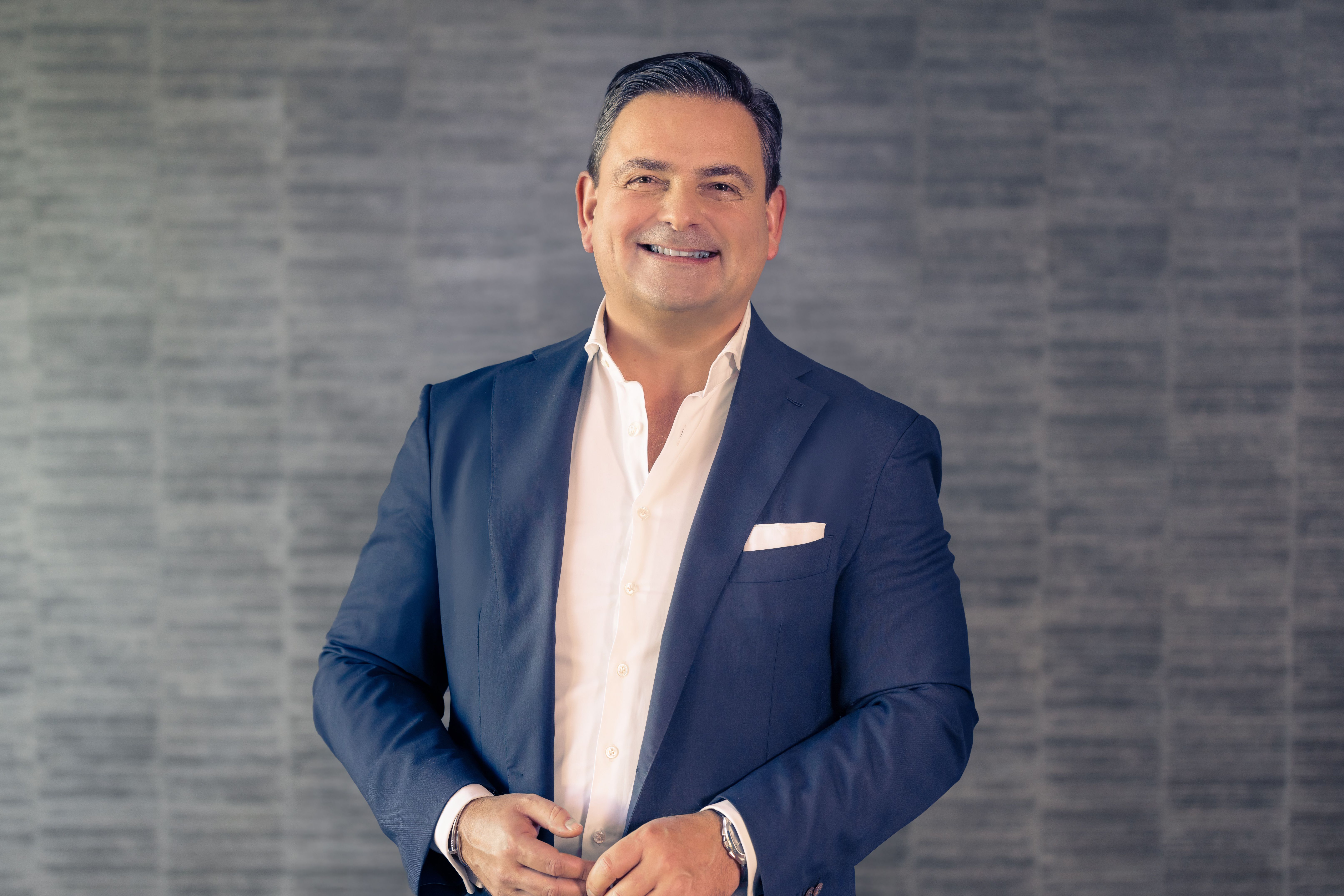
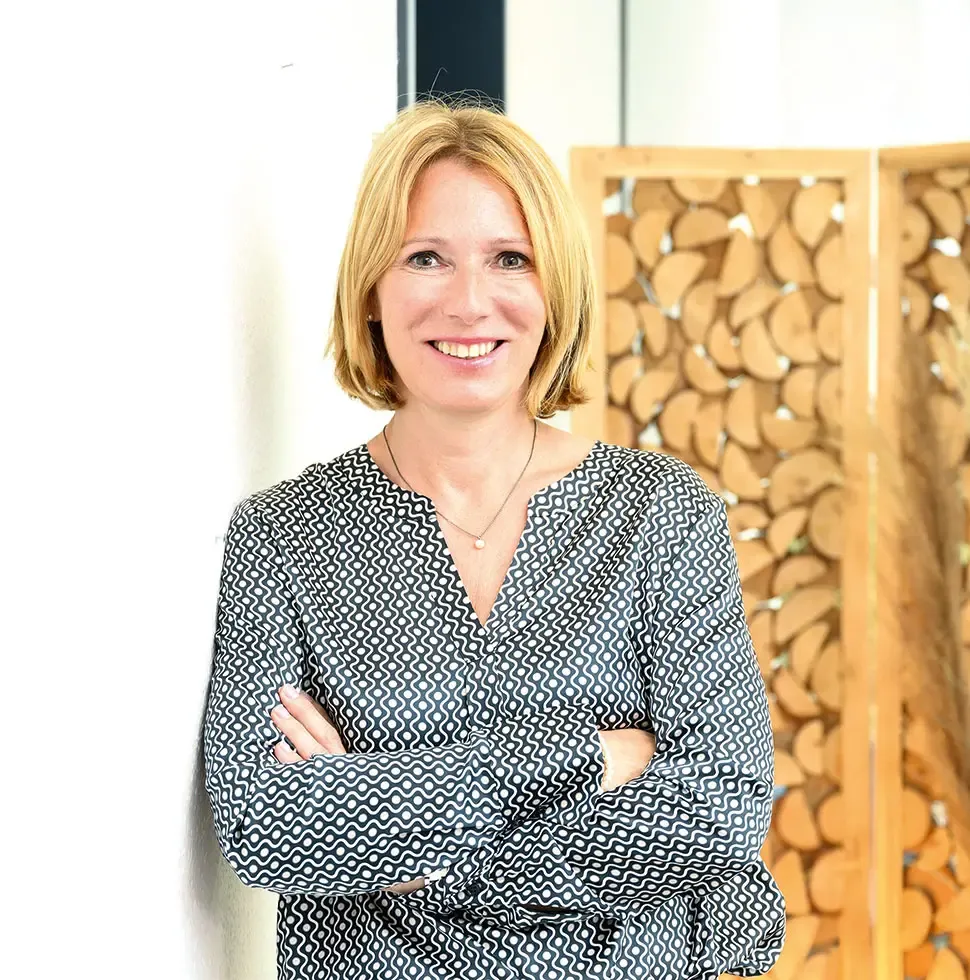
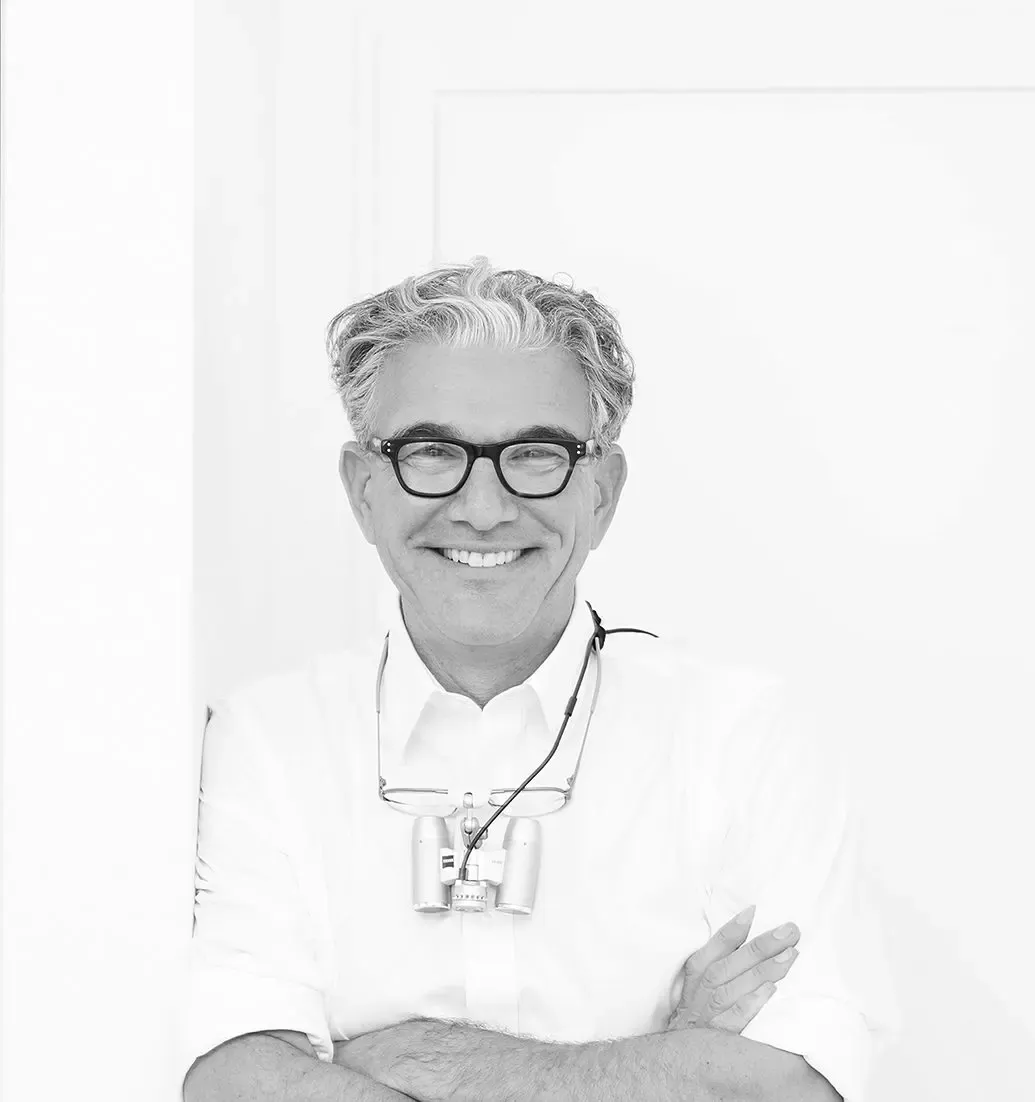
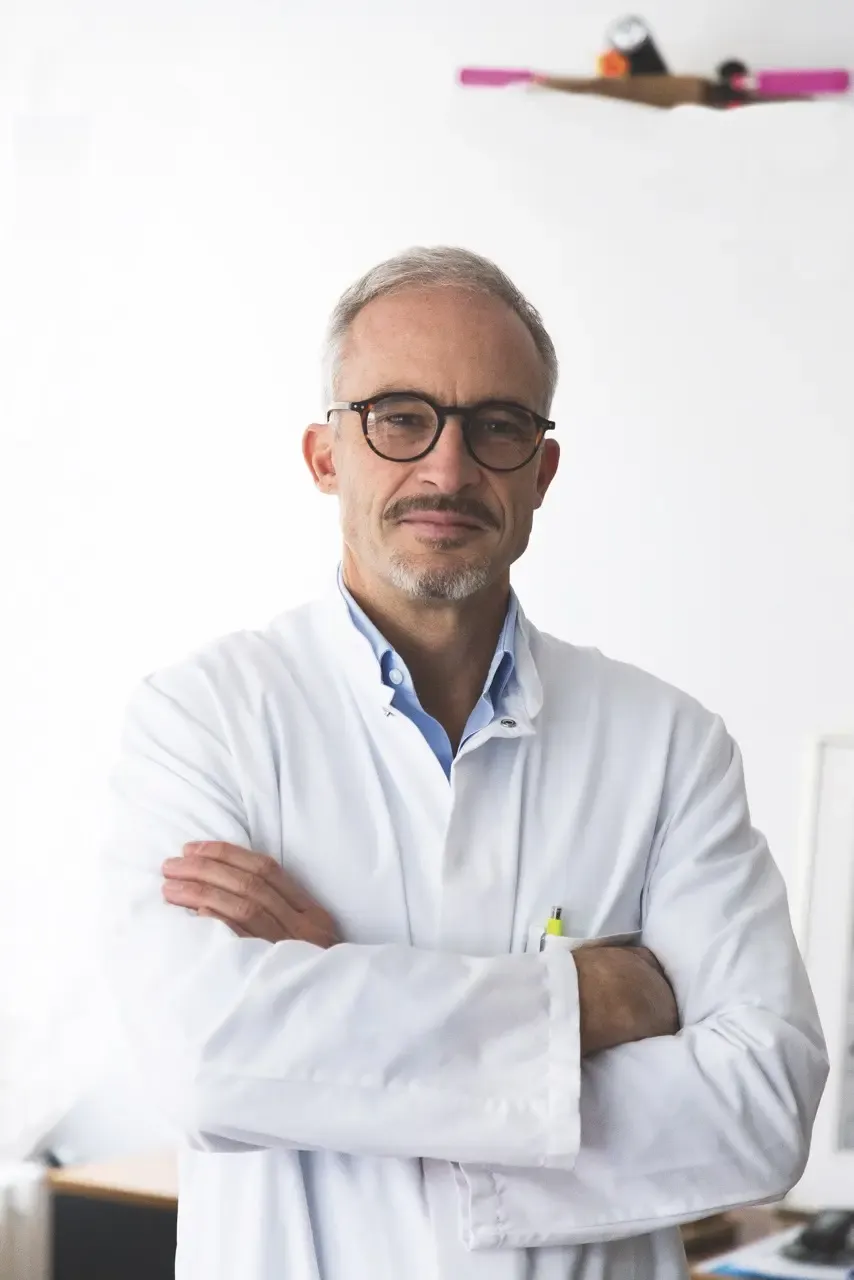
Specialist in plastic-aesthetic surgery with a private practice in Bochum
from the Breyer Kaymak Klare Eye Surgery Clinic and the Premiumeyes Laser Eye Center in Düsseldorf
Dentist and owner of the Munich practice MAX 36
Chief physician of the Sports Orthopedics section at the Klinikum rechts der Isar in Munich
Is modern medicine still a healing art or purely a craft?
Dr. Mark T. Sebastian (Dentist, Munich):
Dentistry today has nothing to do with art but rather with function. Ultimately, it dictates everything to us. We have predefined tooth shapes, predefined chewing surfaces, and our science, which is based on evidence. I do not feel like an artist, but rather a craftsman with an academic background. Therefore, I do not find the term healing art appropriate in my field.
Prof. Dr. Sebastian Siebenlist (Sports Orthopedics, Munich):
I would delve into the academic craftsman. I believe that originally the term healing art stood for the actual medical activity. Which means that one must care for each patient individually and see them in their entirety to empathize and treat them individually.
Nowadays, and here I agree with Mr. Sebastian, we are so restricted by norms, regulations, and guidelines that we focus on what we are specialized in – essentially our craft – and view the patient less as a whole package. This focus is highly technicalized by the supporting apparatuses in diagnostics, making the art of self-development or the possibility of artistic behavior difficult.
Dr. Mark T. Sebastian:
For me, the healing art or medicine is essentially what we would call alternative medicine. Of course, we have to engage with our patients. But if we look at past centuries – there was no science, only trial and error. Today, we no longer have these freedoms.
Dr. Michaela Montanari (Plastic-aesthetic surgery, Bochum):
I do agree with my two colleagues, but: In general surgery, where I did my first specialization, the focus is on restoring functionality. In my second specialty – plastic-aesthetic surgery – one is already more artistically active.
This involves reconstruction, for example, after accidents or tumors, and aesthetics, and the transitions are often fluid. In body shaping or breast surgery, the artistic aspect is often at the forefront. Of course, always considering the norms that also exist here.
In this respect, there is a clear difference between these two subjects. Even in a wrinkle treatment, I have more variations and work more artistically and modelingly than, for example, in the case of installing a knee joint prosthesis, where it is about measurements and certain standards to maintain functionality. The patient primarily wants to be able to walk; he doesn’t really care what the knee looks like inside or which prosthesis is used.
Dr. Detlev R.H. Breyer (Eye Surgery, Düsseldorf):
I looked up how healing art is defined: "Noun, feminine, medical art; medicine from the perspective of successfully combating diseases." So we do indeed practice a healing art.
Perhaps I can take on a mediating position. The specialty of our clinic is that we have been developing things with the industry for many years, which we are among the first to use. This means there is no science for it yet. I would say the principle of healing art is still present.
You have to think ahead, perform a surgery no one has done before. I became aware of this for the first time when a well-known American eye doctor came to me after my lecture at a conference and said, "This is great because this is turning art into science."
Behind me, you see a picture taken by Thomas Ruff while I was implanting the first toric lens for him, which corrects astigmatism. I believe there is the artistic aspect of the aesthetic surgeon.
But there is also the artistic aspect of an innovative surgeon who engages in pioneering activities and cannot rely on anything. It has a lot to do with instinct and not just numbers, data, facts.
If you can cure a serious eye disease or improve vision enough to read or view art again, don't you secretly say to yourself: That was a masterpiece I created?
Dr. Detlev R.H. Breyer:
I have to laugh now, because I’ve heard that sentence before. The photographer Dieter Blum came to me not only with cataracts but also a macular hole, which I operated on together in one procedure. His vision increased from 40 to 100 percent, which led him to give me a picture out of gratitude.
It was a wonderful gift from an artist to whom a great favor has been done and whom one greatly appreciates. Seeing is extremely important and when you lose this ability, you don't enjoy art as much.
Prof. Dr. Sebastian Siebenlist:
The question is: What are expertise or technical-surgical skills and what is art? When I have a difficult case and tell the patient that we can try to solve the problem minimally invasively, and the surgery actually succeeds without an open incision, I'm a little proud and feel like I've delivered something decent. But whether that's art or attributable to one's own education and expertise, I would leave open to interpretation.
Dr. Mark T. Sebastian:
Patients often tell me that I am an artist when they have a new smile after treatment, feel better, and can chew better. Personally, I don't feel that way because I have studied a lot to achieve this. Therefore, we might need to change our perspective. We need to step back and see our patients – for some, we might be artists.
In the context of the healing arts, there is also the term malpractice.
Dr. Detlev R.H. Breyer:
I think one must distinguish the term malpractice from the term complication. Malpractice means we act as doctors against medical recommendations and evidence-based medicine and do what we want.
A complication is something that can happen to all of us – even if we try our hardest. After all, it’s about people. And a human is not a piece of metal with a defined density into which I drill a hole with a defined drill.
Dr. Michaela Montanari:
We speak of malpractice when professional standards required for a treatment are not met. It's difficult to delineate this, especially in the aesthetic field when someone says: "I am not so satisfied with the result; it is not as I imagined. That is malpractice."
That is the subjective view. Therefore, it is very important to determine in advance what the patient's expectations are and what can be done as a doctor with what is available.
Have the demands in aesthetics increased compared to 15 or 20 years ago?
Dr. Michaela Montanari:
Yes, I think so. Especially through social media with all the filters that make it possible to present oneself in a different light to look like one wants to look. This increases the demands of patients, and one may have to tell them that some things simply aren't possible in that form.
Dr. Detlev R.H. Breyer:
In the case of laser eye surgery, the demand is similar; it has increased tremendously. Nowadays, no one wants to wear glasses anymore. But I would like to come back to the concept of an artist. I believe we are indeed seen as artists at a certain level. That's something we shouldn't give away.
Dr. Mark T. Sebastian:
With us, a lot has to do with Hollywood and film actors. Patients come with exaggerated ideas and want a smile like Julia Roberts, which in case of doubt doesn't fit the face at all. Or they want an exaggerated white for their teeth. We sometimes have difficulties convincing patients to stay within limits.
Dr. Detlev R.H. Breyer:
I consider this extremely important. There is a saying, especially with eye laser surgery, that you hear multiple times at every congress: 'underpromise, overperform.' I also always emphasize the negative sides of a surgery. Is that setting boundaries? I don’t know, rather realistic clarification. If the result then turns out great, all sides are happy.
Dr. Mark T. Sebastian:
I just had a young patient today who asked me to shorten her canine teeth. I told her: No, I won't do that because they are functionally necessary. And then the discussion is over for me. It stops for me when it destroys the function and thus the tooth with its aesthetics is no longer protected.
Dr. Michaela Montanari:
I also have patients who dream of lips that, in terms of proportion, would not fit the face, and you also have to have the courage to say that you don't stand behind it. For me, naturalness is an important aspect, and everyone has their hobbyhorse.
Does art have an influence on your work?
Prof. Dr. Sebastian Siebenlist:
I would primarily see pioneers of my field as role models. Although we are certainly all specialists, there are always exceptional talents who dare more than oneself, and I look up to these people. What they do is an art. Similarly, it will be for the patients with us, because art always includes something that I myself do not really understand.
Dr. Mark T. Sebastian:
In dentistry, we work a lot with dental technicians who perfectly copy nature when making ceramic teeth, in terms of shapes, layering, transparency, color, and light reflection.
We refer to the truly great dental technicians as artists because their work always reminds one of a great painting. Privately, art is always relaxation for me. I go into nature or to the museum, where I can distract myself, become intoxicated, get inspired, or even be enveloped in incomprehension.
Dr. Detlev R.H. Breyer:
We also have original art hanging in the practice because art simply inspires me. Additionally, I believe it distracts patients from the clinical environment. Many people are grateful that there is art hanging that distracts them, and that it looks like a 5-star hotel with us and not like an eye clinic.
If you had to label a medical achievement in history as art, which one would it be?
Dr. Detlev R.H. Breyer:
Transplanting a heart – utmost respect! As an ophthalmologist, it makes you feel a bit small, I honestly admit.
Dr. Michaela Montanari:
I was very impressed by the complete facial transplantation of a patient because not only must the aesthetic component be considered, but also the complete functionality, combined with the identity that a face represents. I don't want to diminish heart surgery, but achieving something like that is really quite amazing.
Prof. Dr. Sebastian Siebenlist:
I'll speak for my field. In the last 20 years, I found the development of the reverse shoulder prosthesis to be the most impressive. When patients can hardly lift their arms anymore and four weeks later they can take a glass from the shelf without pain again... And this merely through a change in the leverage ratios in the shoulder joint. For me, this is one of the greatest achievements in orthopedics in recent years.
Dr. Mark T. Sebastian:
I can only agree with my colleague. For us, it is also oral, maxillofacial surgery, especially after accidents or genetic defects, that enables a normal, social life again. Restoring the ability to smile, chew, breathe, and speak - I find that extremely impressive.

 Find a Doctor
Search the network for suitable specialists and contact them directly
Implant or your own tissue, now or after treatment — or perhaps no reconstruction at all? Plastic surgeon Dr. Juliane Bodo explains what role radiation plays, what risks to expect, and why no one should make this decision under pressure.
Christine Bürg & Marianne Waldenfels
An interview with
Dr. med. Juliane Bodo

A single hydrogel injection into the knee may relieve osteoarthritis pain for years. Orthopedist Dr. Ivo Breitenbacher has treated around 200 patients with it and explains who the procedure is right for and where its limitations lie
Christine Bürg & Marianne Waldenfels
An interview with
Dr. med. Ivo Breitenbacher
Almost everyone has seen them, and most people ignore them: tiny specks and strands drifting across their vision. Usually, they’re harmless. But sometimes they signal an emergency where quick action can save your sight. Ophthalmologist Dr. Mirka Höltzermann explains which warning signs to watch for.
Christine Bürg & Marianne Waldenfels

An interview with
Dr. Mirka R. Höltzermann

Can fasting relieve hot flashes and other menopausal symptoms? Dr. Verena Buchinger-Kähler shares remarkable cases from her clinical practice and explains how women respond to prolonged fasting – and what science has revealed so far.
Christine Bürg & Marianne Waldenfels

An interview with
Dr. med. Verena Buchinger