
© Freepik
September 6, 2024
Christine Bürg und Margit Hiebl
How do top medical professionals handle the demand for peak performance? Two doctors discuss excellence, expectations, and the limits of modern medicine.
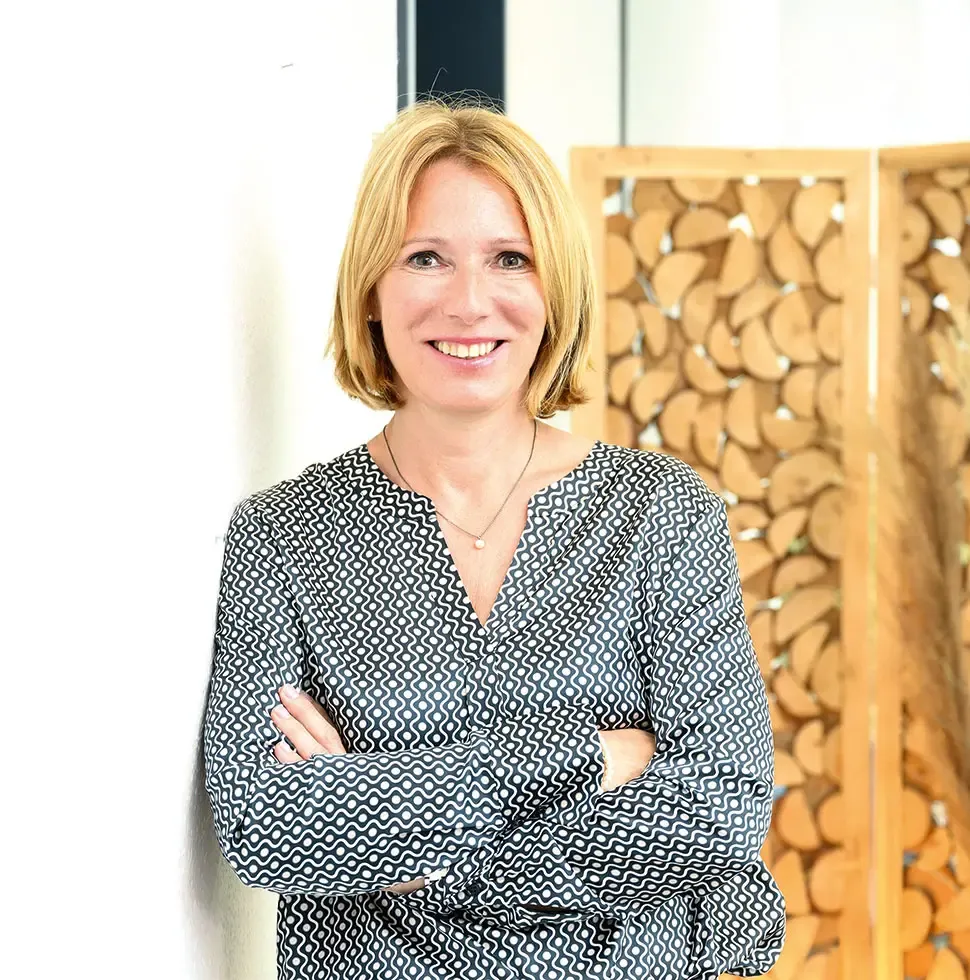
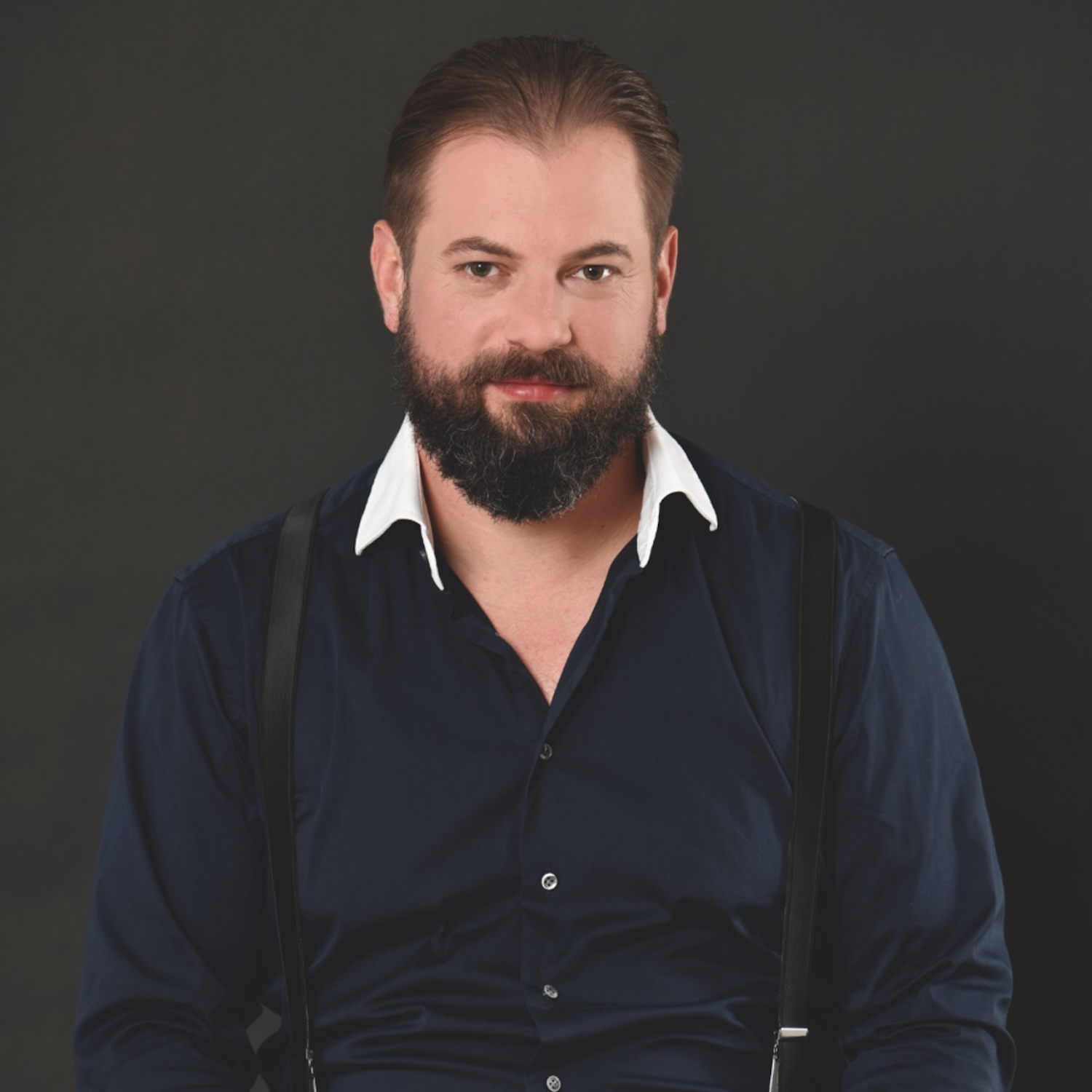
With
Dr. med. Michaela Montanari and Dr. med. Florian Kretz (FEBO)

 Find a Doctor
Search the network for suitable specialists and contact them directly
A conversation among PMC doctors about excellence and the question of how they meet the constant demand for top performance in their profession and calling. Featuring: Dr. Michaela Montanari, a specialist in plastic-aesthetic surgery with her own private practice in Bochum, and Dr. Florian Kretz from Precise Vision Eye Doctors in Erlangen, Greven, Rheine, and Steinfurt.
In (competitive) sports, it is always about delivering top performance. In medicine, it seems that only the best is good enough. How do you see it?
FLORIAN KRETZ
It depends on how you practice medicine. Similar to sports, in medicine, there are hobby players and there are professional athletes. But not everything in medicine is about top performance. Our personal goal is to always deliver top performance and be at the forefront. I think if you're going to do something, you should do it right.
MICHAELA MONTANARI
In my field of expertise, aesthetics, you have to perform at the highest level because the competition is very strong. You have to stand out from the non-specialists and the self-proclaimed beauty docs, of which there are more and more on the market.
On the one hand, through the qualification and training that we naturally have. And on the other hand, with the help of social media: here the patients exchange information with each other and provide feedback. Patient satisfaction and their evaluation on the portals are important. You have to have the ambition to get the maximum out of what you offer. Even the patients who pay for the service themselves naturally have a certain expectation.
And how do you personally know when good is good enough?
MICHAELA MONTANARI
In plastic surgery, we have four pillars: reconstruction, aesthetics, burns, and hand surgery. You cannot be equally represented in all areas, this affects both the clinic and the practice sectors.
In aesthetics too, there are areas that one focuses on more. When I operate and find that it is not yet optimal, it could be better, then it is just a few minutes for me to open a suture again and correct it. For the patient, it is ultimately their whole life that depends on it. That should also be the standard one sets: to achieve the optimum and deliver a result that would also satisfy oneself. Of course, always considering what the patient has expressed as their wishes.
Does that mean it is better to specialize rather than offering everything?
FLORIAN KRETZ
For me, it's difficult because 95 percent of my patients are statutory insured, and we have a healthcare mandate. This means – and this applies to most in ophthalmology – we have to cover everything but can specialize in certain areas that we can also outsource to private practices.
MICHAELA MONTANARI
Of course, we offer all basic services. So if someone comes to me wanting advice on a burn treatment, I can certainly do that.
Nevertheless, I believe that you cannot be equally good in all fields. Everyone has preferences for certain areas in which they continuously further educate themselves and focus. And that is also what patients perceive.
Has the patients' expectations also increased?
FLORIAN KRETZ These expectations are even more pronounced with us than in dentistry or aesthetic surgery. We receive online complaints when the waiting time is one or two hours, regardless of the fact that technically it couldn't be any different.
How is it for you with your purely private practice, Dr. Montanari?
MICHAELA MONTANARI For us, the transition between purely aesthetic and medical services is often fluid. Sometimes the question arises: Is this a medically necessary treatment that a private or statutory health insurance covers? Or when does aesthetics begin?
For example, if I have a patient with a bra size of 80 F, one can imagine that she has both orthopedic and dermatological complaints. Although it is about medical services, the assumption of costs by health insurance is becoming increasingly rare. This means we enter the self-paying sector.
I agree with the opinion we discussed earlier. Patients can compare very well through portals. But they also have demands that are sometimes problematic. They show me pictures of how they want to look, which come from social media and have been edited. In such a case, one has to say that you can do a lot, but not everything, and much is simply not sensible.
This goes into the realm of dysmorphophobia, where treatment is rather contraindicated. That's why advertising is such a thing. There are self-proclaimed beauty docs or beauty chains that can present themselves here as serious. But how it stands with quality does not emerge from this.
There are more and more ophthalmologists who offer eyelid corrections and dentists who inject fillers or do liftings …
FLORIAN KRETZ
After all, we also treat tumor diseases of the eyelid margins, so oculoplastics (Editor's note: reconstruction and modeling) is a separate area within specialist training. And yes, many ophthalmologists also perform blepharoplasties (Editor's note: eyelid tightening) for aesthetic reasons.
But I think very few go beyond that. Conversely, I do not believe that plastic surgeons want to perform a ptosis operation (Editor's note: congenital or acquired drooping of the upper eyelid) or an under-eyelid reconstruction with ear cartilage …
MICHAELA MONTANARI
These are operations that we learn during specialist training; we work both plastically and reconstructively. There are fluid transitions in these specialist areas. An ophthalmologist can and certainly should be able to perform a blepharoplasty, no question.
But if you have high standards for yourself, you also see and recognize your limits. You shouldn't hesitate to refer someone to another specialist. Just because I learned something once doesn't mean I feel qualified to do everything. I also don't manage blood pressure myself, even though I learned it once.
FLORIAN KRETZ
I find it much worse that there are these course offerings for fillers, etc., that anyone with any medical qualification can attend. And even worse: Anyone can even organize such a course.
How great is the pressure for you to constantly continue your education? How do you decide
what you really need. Or to put it another way: How do you separate the wheat from the chaff?
FLORIAN KRETZ
We clearly only further our education in our field. We focus on things that occur more frequently epidemiologically and that we must master due to our mandate of care. For example, myopia in children, age-related macular degeneration, diabetes diseases. Beyond that, we invest a lot of time and money in our special areas of refractive surgery, cataract, glaucoma surgery.
FLORIAN KRETZ
With us, non-medical staff are also trained: opticians and optometrists. We train to become refractive managers and have employees who do a dual study to become a Physician Assistant. It takes a trained team to inform each patient about their individual possibilities and to weigh with them what makes sense and what doesn't.
MICHAELA MONTANARI
In general, I find continuing education important. Stagnation is the worst thing that can happen to you. You never stop learning. Even in the courses I give as a lecturer myself, I still learn something because I always get helpful tips.
But then courses are imposed on you, such as those for the non-ionizing radiation protection ordinance, for some devices you've always had. Just because you actually want to prevent beauticians or a tattoo shop around the corner from being allowed to operate any devices. In that case, it is also important, but the fact that this then takes place in a generalized manner is already questionable.
Is this obligation for further training more of a burden? Or do curiosity and the thought prevail: Although it is expensive and takes time, it helps me with my vocation.
FLORIAN KRETZ
... with the difference that they don't have a GOÄ (Editor's note: Scale of Fees for Physicians, which regulates the billing of private medical services). In Brazil, there are flat rates that apply equally to all patients. If you work exclusively in the statutory insurance sector, as many do in ophthalmology, there is the natural limitation by the EBM (Editor's note: Uniform Evaluation Standard for the billing of contract medical services).
This also actively prevents people from wanting to perform at their best. I know many doctors in our region who close in the last three weeks of the quarter because they don't get paid for it anymore.
Personally, I find it incredibly important to continue and further educate oneself to stay up to date. Other countries now offer a much better basic education for students. You can also see this in the quality of graduates at home and abroad. We urgently need to catch up here.
MICHAELA MONTANARI
However, it must be mentioned that it is not only about the statutory area. This also exists in the private sector. Our GOÄ is from 1996, and there are many surgical procedures that we now perform in plastic surgery that are not documented at all.
You can perhaps declare them at most with an analogue code. And when we look at our practices: We have inflation, rising costs, also for personnel, which we want to be well trained, of course, so that we can function as a team and serve patients at the highest level.
Ask a craftsman if he will come to your home at the 1996 rate, he will laugh his head off. We have a big discrepancy between this fact and the demands of the patients and also of us as doctors.
FLORIAN KRETZ
Our highest performance unfortunately no longer lies solely in our own standards or in our further education. Our highest performance actually lies in all the 'minor battlefields' we have to deal with every day.
These have little to do with our medical activities but rather severely limit them – whether it is an electronic patient record, an implant register, or the radiation protection course, which are imposed on us as an additional burden. And every year there is something new.
And coping with that in day-to-day business is the real top performance. In sporting terms: If you tell a soccer player to also play basketball in the first league in parallel, he will think you're crazy.
MICHAELA MONTANARI
Good comparison, one can only agree with that. New areas of responsibility are constantly being added. It is no longer distinguished whether they make sense or not.
There is also the desire for peak performance, which is not only related to purely medical trends but also to beauty trends. How do you deal with it?
MICHAELA MONTANARI
A reputable doctor or physician also stands out by not following every trend and sometimes rejecting things – in intensive discussions with patients. You must critically question and – as already mentioned – also focus heavily on dysmorphophobic conditions, which are intensified by social media with its filters.
You also have to clearly tell patients that this is not reality. This is certainly a challenge, but for me, it also represents seriousness and ultimately qualification.
Would that also be your personal limit?
MICHAELA MONTANARI
Yes, and every surgical procedure involves risks. I always have to evaluate: What alternative methods are there? What does the patient expect? Can these expectations be met? And is it sensible to fulfill these expectations? As a serious doctor, you sometimes have to refuse patients or tell them that what they want is not sensible.
Which brings us back to another high performance: informing patients in such a way that they don't go to someone who will do it anyway and possibly botch it...
DR. MONTANARI
Conversations are a very important part here – and also a challenge to clearly communicate why you don't do it. You should also calmly say that they will surely find someone who will carry it out. The question of whether it is sensible and well done remains, though.
FLORIAN KRETZ We do the same thing, especially when it comes to laser treatments. If it doesn't make sense to us or the risk is too high, we tell the patient clearly: We don't recommend it. You will find someone somewhere – but we don't believe it will work well. Fortunately, no patient has ever returned who had it done elsewhere.
If we stick to the sports comparison: Would you choose your sport again if you were faced with the decision today? Or would you compete in a different discipline?
FLORIAN KRETZ
I would do the same. I even fly to Cambodia twice a year with my nonprofit GmbH to train and operate on people there – so I do my work as a hobby.
MICHAELA MONTANARI
I would definitely choose my discipline again because I really enjoy my work – but I would try to minimize the 'side theaters.'
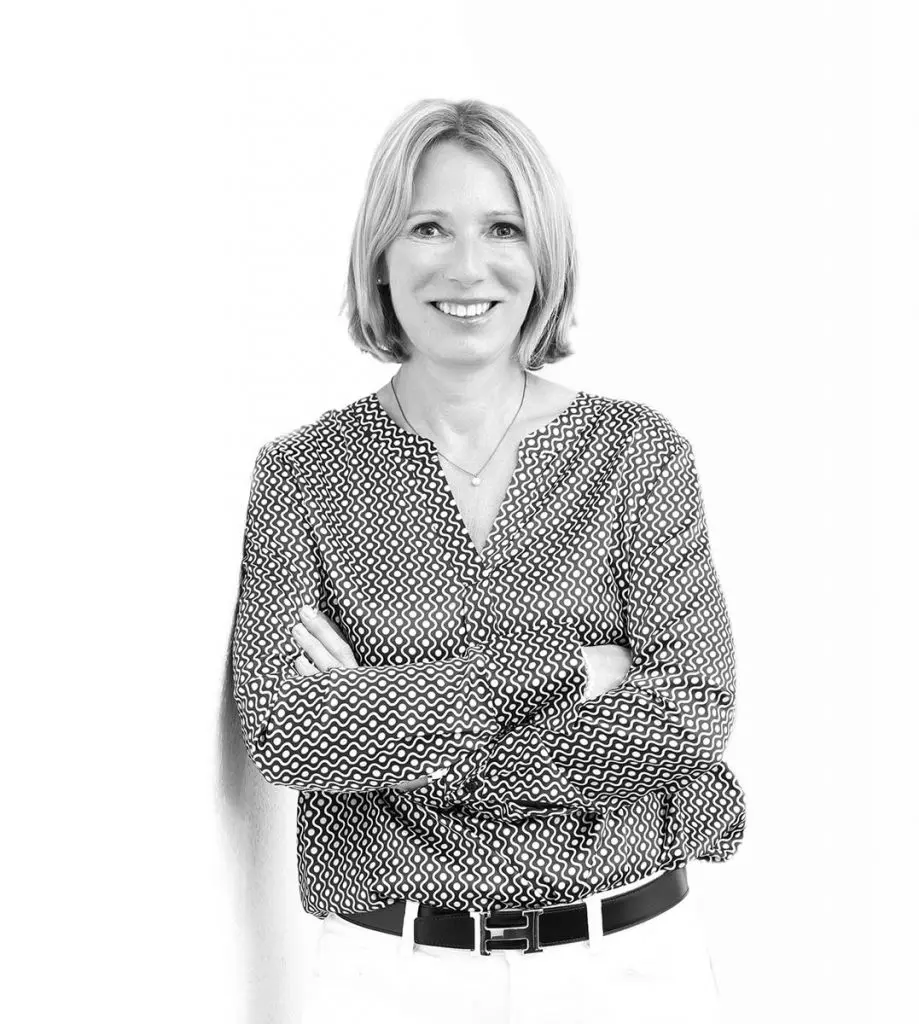
Dr. Michaela Montanari, plastic-aesthetic surgeon
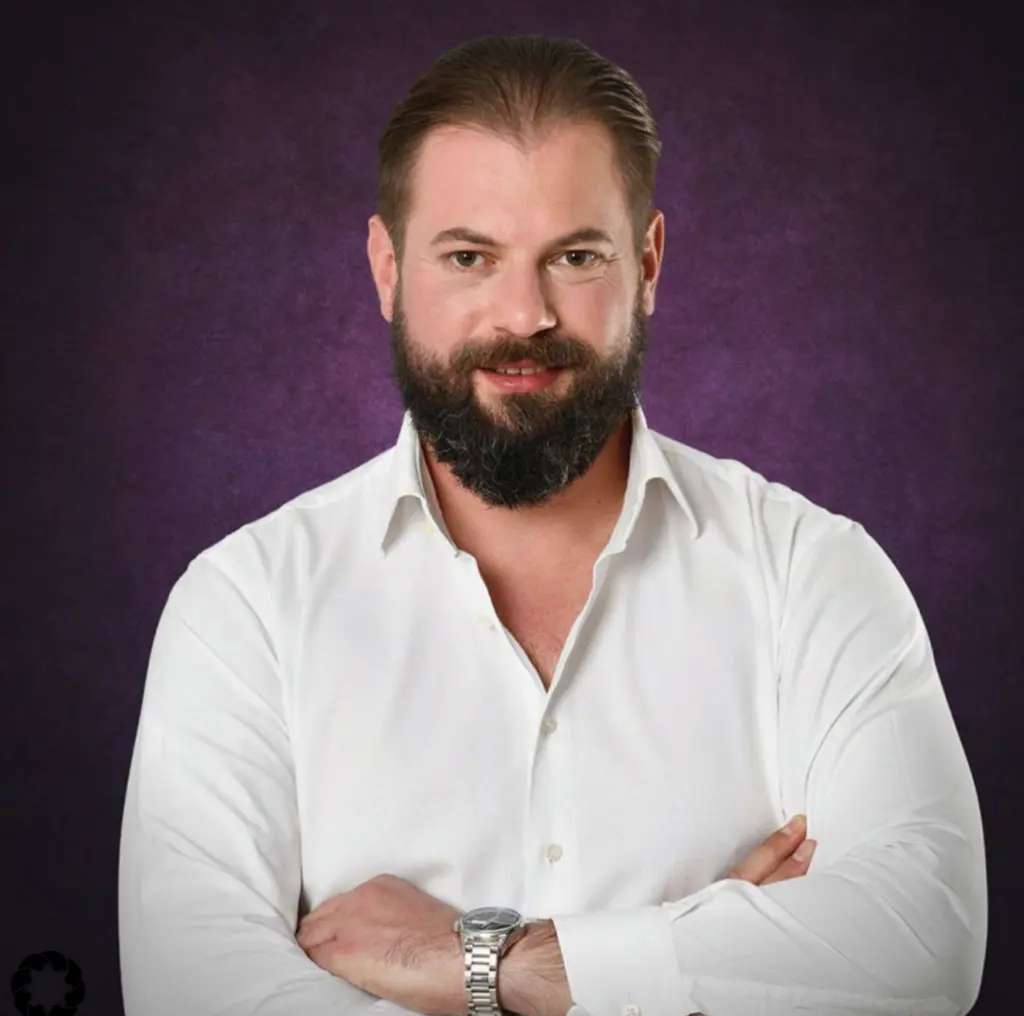
Dr. Florian Kretz, ophthalmologist

Implant or your own tissue, now or after treatment — or perhaps no reconstruction at all? Plastic surgeon Dr. Juliane Bodo explains what role radiation plays, what risks to expect, and why no one should make this decision under pressure.
Christine Bürg & Marianne Waldenfels
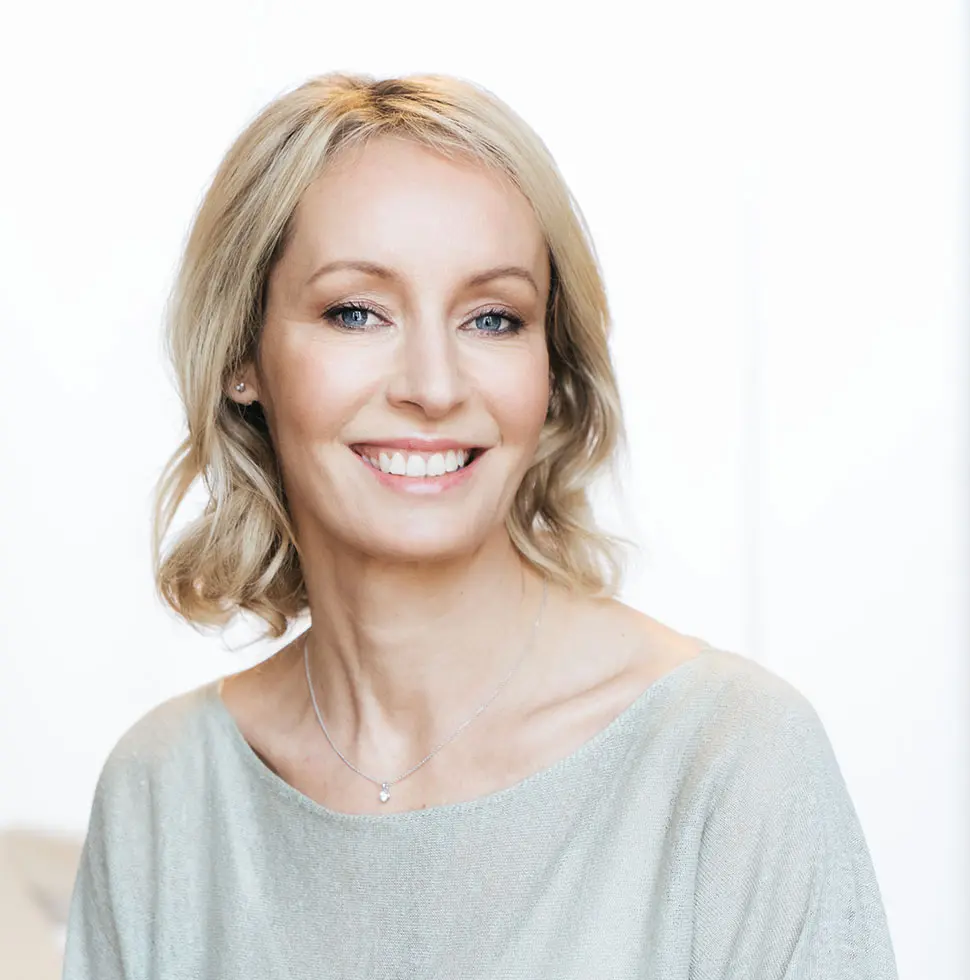
An interview with
Dr. med. Juliane Bodo

A single hydrogel injection into the knee may relieve osteoarthritis pain for years. Orthopedist Dr. Ivo Breitenbacher has treated around 200 patients with it and explains who the procedure is right for and where its limitations lie
Christine Bürg & Marianne Waldenfels
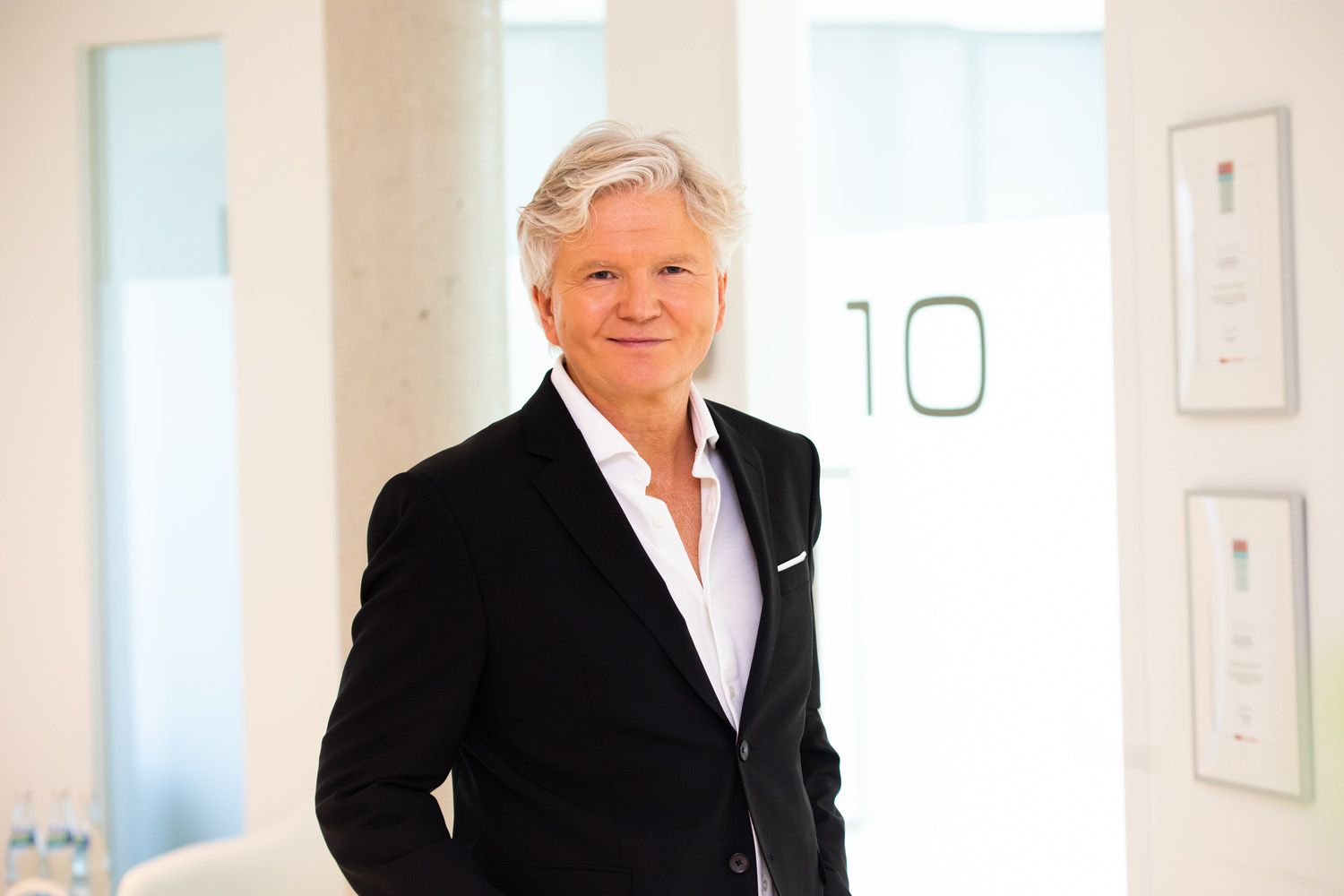
An interview with
Dr. med. Ivo Breitenbacher

Almost everyone has seen them, and most people ignore them: tiny specks and strands drifting across their vision. Usually, they’re harmless. But sometimes they signal an emergency where quick action can save your sight. Ophthalmologist Dr. Mirka Höltzermann explains which warning signs to watch for.
Christine Bürg & Marianne Waldenfels

An interview with
Dr. Mirka R. Höltzermann

Can fasting relieve hot flashes and other menopausal symptoms? Dr. Verena Buchinger-Kähler shares remarkable cases from her clinical practice and explains how women respond to prolonged fasting – and what science has revealed so far.
Christine Bürg & Marianne Waldenfels

An interview with
Dr. med. Verena Buchinger