Endometriosis: widespread, little researched
"Feel good, live better" – in this podcast episode with Dr. Uta Emmerich, it is about a disease that affects many women, but little is known about its cause and cure.

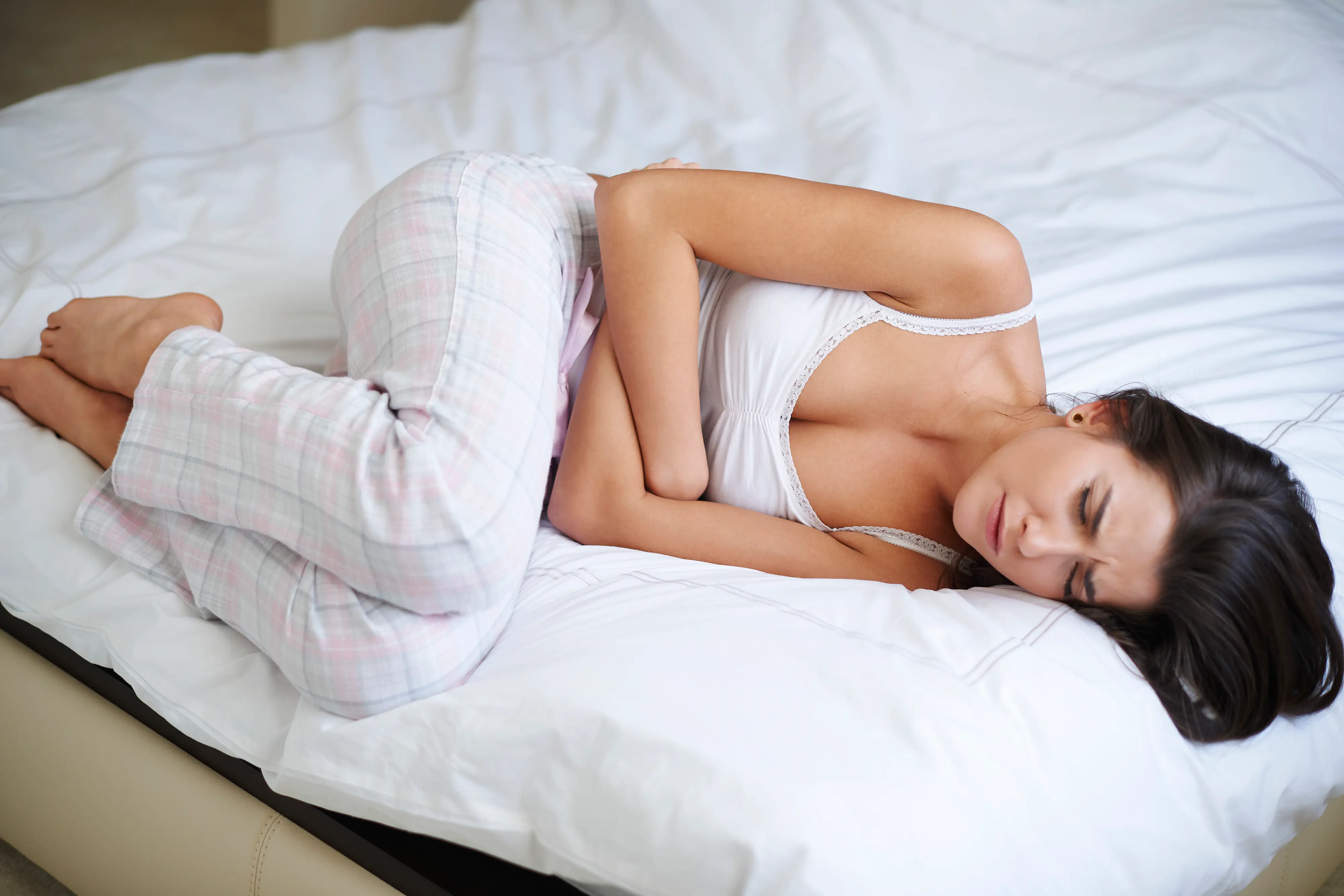
About 15 percent of all women of childbearing age suffer from endometriosis, including more and more younger women – and yet it takes an average of seven and a half years before those affected know why they have extremely severe menstrual pain or pain during intercourse, or simply cannot get pregnant. But not only is the diagnosis of this disease still difficult, its causes are also not fully understood, as Dr. Uta Emmerich from the Center for Women's Medicine in Munich. In the current podcast episode of FEEL GOOD, LIVE BETTER, the gynecologist talks about the state of research, which treatments alleviate the symptoms, and why she considers accompanying measures such as psychotherapy and an anti-inflammatory diet to be so important.
The podcast from Premium Medical Circle
PMC Managing Director Stephanie Neureuter met among others the endocrinologist and diabetes expert Dr. Alexandra Schoeneich, the lipedema specialist Dr. Anna-Theresa Lipp, the internist Prof. Dr. Uwe Nixdorff, the psychiatrist and trauma expert Dr. Richard Musil as well as the neurosurgeon and pain specialist Dr. Claudius Gall.
Feel good, live better
In the health podcast by Premium Medical Circle, Stephanie Neureuter talks with experts from various fields such as nutrition, mental health and women's health, psychosomatics, surgery, aesthetic medicine or digital health.
As in the print magazine Premium Quarterly, it's about health and wellbeing and how we can lead a happy, long life. Informative, exciting, entertaining.
Every Wednesday, on Spotify, Google Podcasts, Deezer, Amazon Music, and Audible.