© © Jamie Chung/trunkarchive.com
January 6, 2026
Christine Bürg
What will feed us tomorrow? What should we eat today - for the sake of nature and our health. A look into the pots of trendsetters.
What are the food trends for 2026?
The main food trends for 2025 are: (1) Plant-based food – plant-based meat alternatives and vegan products, (2) Regionality – local instead of imported foods, (3) Vegan gourmet cuisine – top gastronomy focuses on vegetables, (4) Veganizing recipes – traditional dishes are interpreted vegan, (5) Local superfood – local alternatives to exotic superfoods. Sustainability is the common denominator of all trends.
Sustainability shapes the food trends of 2026 like no other topic. Whether plant-based food, regional superfoods, or vegan gourmet cuisine – our diet is becoming greener, healthier, and more climate-friendly. The Frankfurt Future Institute, together with nutritionist Hanni Rützler, analyzed the five most important nutrition trends in the current Food Report.
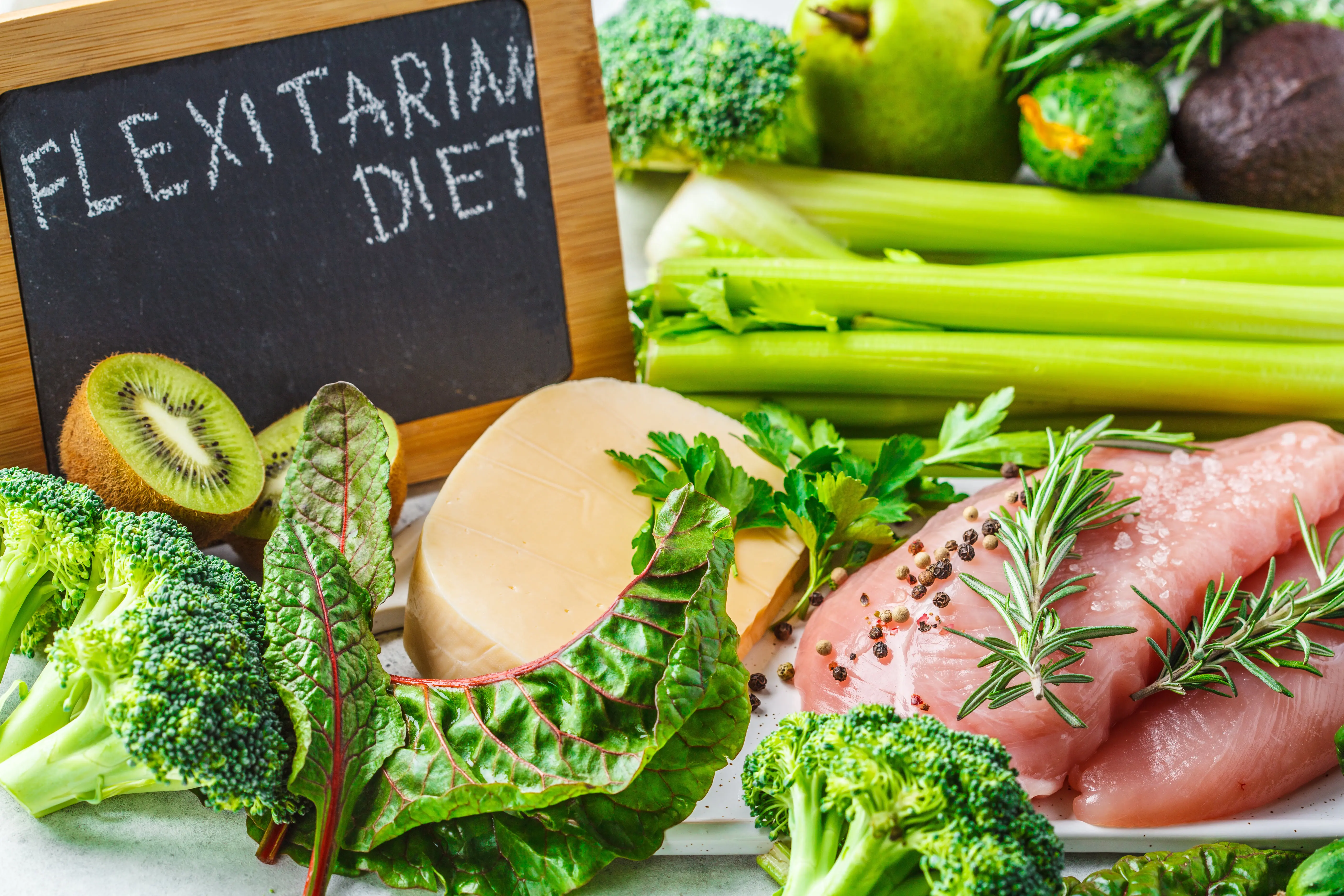
From plant-based meat alternatives to local superfoods to haute cuisine: These trends not only revolutionize our menu but also protect the environment and the climate. Over 50 percent of Germans already eat flexitarian, ten percent vegetarian. The future of nutrition is plant-based, regional, and sustainable.
The 5 most important food trends at a glance:
More and more people are eating less meat – in Germany and across Europe. While around ten percent of Germans now eat vegetarian and two percent vegan, more than half describe themselves as flexitarians, meaning they only rarely eat meat or only high-quality meat. The trend is rising. No wonder, then, that the sale of vegetables and plant-based milk alternatives is increasing and there is a growing range of meat alternatives and protein substitute products.
These are made from plant (protein), fungi, and insects, as well as cultivated animal cells. The good news: The vegan-vegetarian burgers, sausages, and steaks found on supermarket shelves are getting better and are coming closer to the original in texture and taste.
The best example is “Boonian” from Western European soy, pea, or fava bean protein, available as so-called medallions, crumbles, chunks, or stripes, and so good that even gourmets cannot taste the difference from beef. And this, even though the products from the innovative Munich company contain absolutely no additives or flavor enhancers, making them 100 percent natural.
But where does the trend toward meat substitutes come from? The reasons are varied. While young people primarily refrain from meat or fish for ethical reasons – keyword factory farming – health aspects and environmental protection are increasingly playing a role.
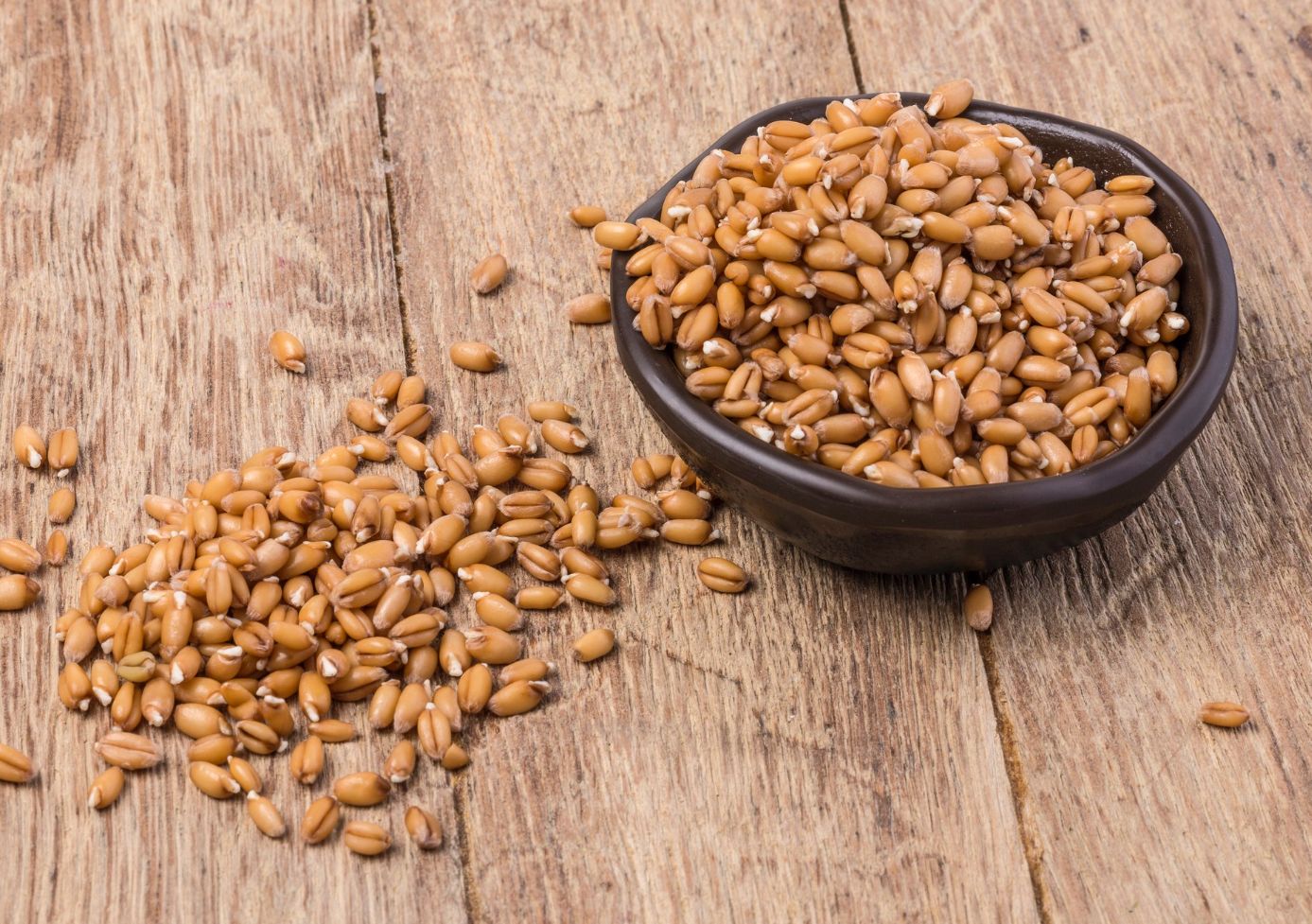
Vegan burgers are cholesterol-free, lower in calories and fat than classic burgers, and many plant-based foods leave a smaller CO2 footprint than meat (especially lamb and beef) and dairy products (especially butter). That's why more and more people are turning to plant-based alternatives. In addition to the classic tofu, also to seitan, which, unlike tofu, has a meat-like texture. Downside: Since it is made from wheat protein, it is not an option for people with gluten intolerance.
On the other hand, there's the jackfruit, which has become increasingly popular in recent years. When cooked, the flesh of the unusually large fruit – it can grow up to a meter long and weigh up to 50 kilograms – becomes fibrous and resembles chicken meat in texture and color. It is low in calories and nutrient-rich, but not a protein source. Additionally, it comes from the tropics. Its transport to us causes a significant CO2 emission.
This is one reason why more and more people prefer local vegetables. Chiefly spelt grain and oats, lupine seeds, soy, and chickpeas. The latter are now also being cultivated domestically due to high demand. The Munich Farmers' Cooperative in Feldmoching, for example, launched a field trial this year and is optimistic, given the warm and dry summer, that the first harvest will be successful.
Considering that food travels an average of 3,500 kilometers before it lands on our plates, and that the COVID-19 pandemic and the Ukraine war have led to supply bottlenecks, it makes more sense than ever to rely more on regional products. A trend that has been emerging for some time, but is now becoming the new normal – among consumers and the gastronomy, trade, and agriculture.
Whoever travels across the country sees them everywhere – farm shops selling fresh fruit and vegetables directly from the farm. Even in the city, there are more and more shops and supermarkets offering regional food. However, since today no one wants to do without exotic foods and new taste experiences, the market for Local Exotics is also booming. Rice is now being grown in Burgenland, Austria, lentils in Friedberg, Hesse, melons in Lower Austria, and papaya, guava, and passion fruit in Franconian Tettau.
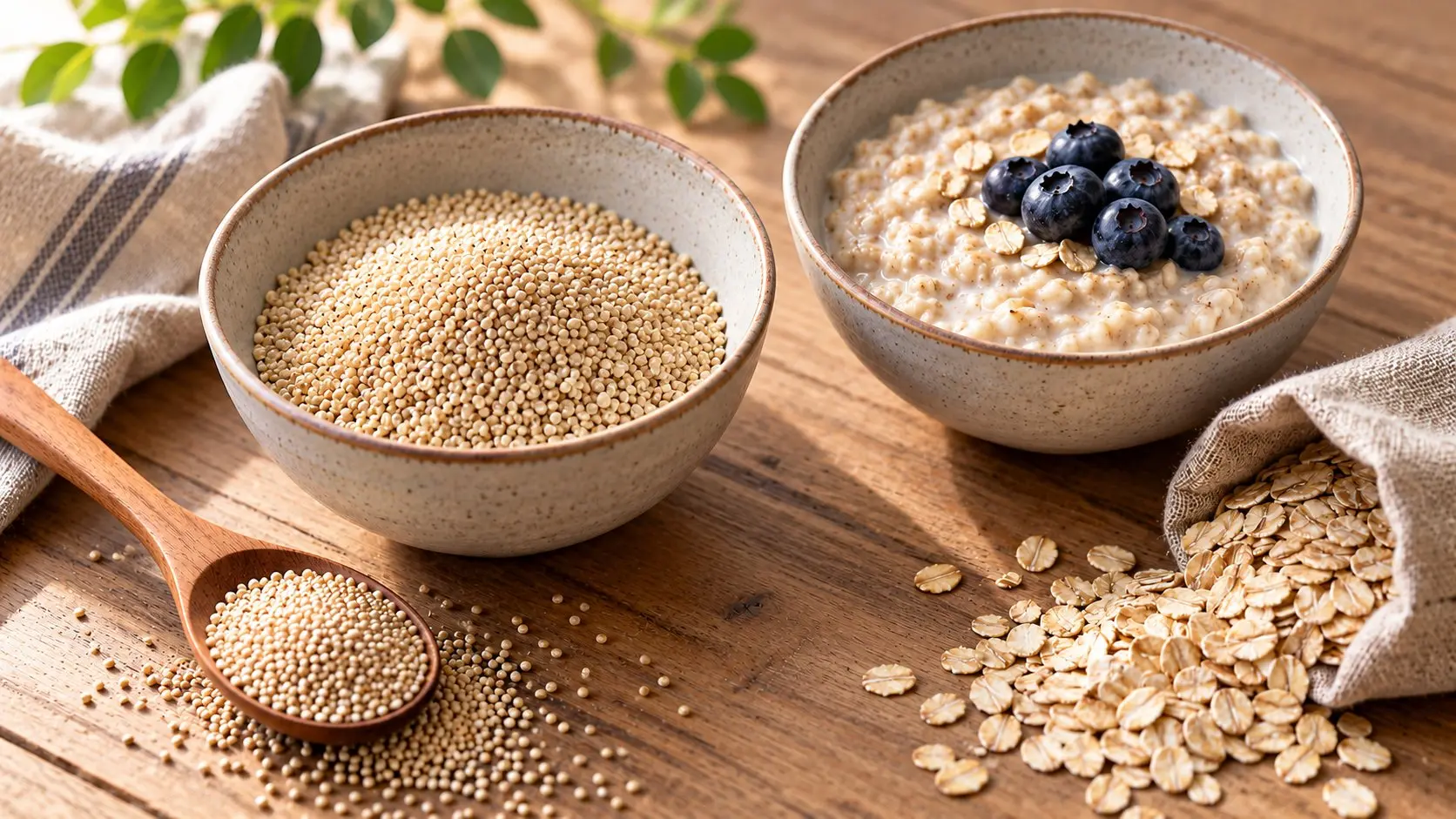
The Munich farmers' cooperative is also adapting to the growing demand. Bavarian sweet potatoes and local quinoa have been available here for years. Incidentally, the latter is one of the sought-after superfoods.
Even star and award-winning chefs have discovered vegetables for themselves. They create dishes from them that can compete with any gourmet fillet and also delight die-hard schnitzel lovers.
The Swiss star chef Daniel Humm, for example, has completely changed his menu and has been serving exclusively vegan menus at the New York restaurant Madison Park for about a year. The French culinary legend Alain Ducasse opened a restaurant in Paris that is 95 percent vegan and operates a vegetarian pop-up burger stand near the Musée d'Orsay.
Paul Ivić, head chef at the Tian restaurant in Vienna, is considered a pioneer of fine vegetable cuisine. He has been cooking purely vegetarian for over ten years. His philosophy: no renunciation, but a smarter approach to high-quality food; knowing where the ingredients come from and wasting nothing.
No Waste is one of his mottos, which means he uses everything – from the root to the peel to the seed. And so you can find in his latest cookbook Completely happy (Brandstätter Verlag, 30 euros) including a recipe for salad from kohlrabi leaves, a cauliflower leaf salsa, or carrot green pesto; dry bread becomes soup, and fruit leftovers give vinegar the aroma.
Almost forgotten vegetables, fruits, and grains like Jerusalem artichoke and buckwheat are also being rediscovered by top chefs, who create new sophisticated dishes from them.
Such commitment and creativity are now also recognized by the Michelin Guide. Three years ago, it introduced the Green Star. This award is given to restaurants that use regional and seasonal products, consider organic-ecological aspects, avoid long transport routes, ensure animal welfare, save energy, reduce food waste, and excel in sustainability.
“Veganizing Recipes” is what the Food Report calls the trend of interpreting traditional dishes vegan in the future and viewing them as an equivalent alternative. Especially traditional German, Austrian, and Swiss cuisine relies heavily on meat and sausage, eggs, milk, and cheese products. The ingredients do not always have to be replaced by substitutes; sometimes they can be adapted with mushrooms, herbs, or legumes. This trend is further fueled by food bloggers who become superstars through social media channels.
Austrian cookbook author Katharina Seiser takes the opposite approach. She traveled the world in search of traditional dishes that have always been vegan – including Lebanese bread salad, Italian focaccia, and Austrian Kletzenbrot – and in Always vegan (Brandstätter Verlag, 28 euros) compiled.
Avocados and spirulina algae, quinoa and chia seeds, goji berries and acerola – in recent years, new vegetables and fruits, grains and spices have repeatedly been hyped as new superfoods. Most of them come from distant countries, making them ecologically highly questionable.
Take avocados, for example: In 2020, Germany imported more than four times as many fruits as nine years earlier, mainly from Mexico and South America. Growing one kilogram requires more than 1,000 liters of water, compared to only around 200 liters for tomatoes. So as tasty and healthy as the exotic berries (yes, avocados are berries) are – for people with a green conscience, they're basically taboo.
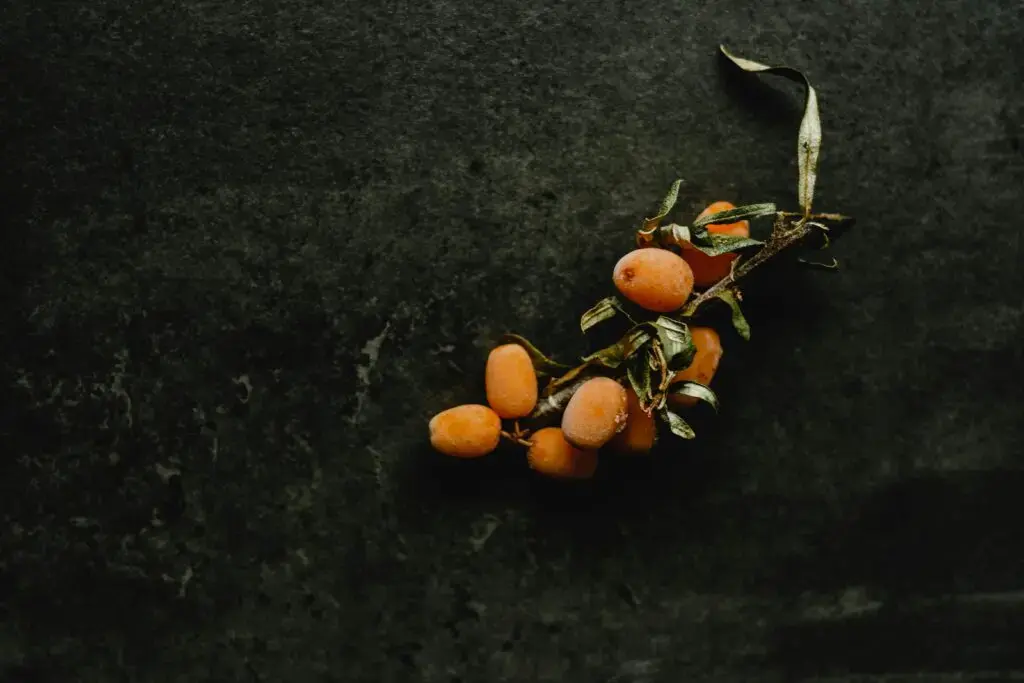
Accordingly, local alternatives are being sought here as well. They are often found in one's own garden. Black currants or blackberries, for example – an alternative to goji berries – are vitamin-C bombs, and their dark coloring also inhibits the growth of viruses, fungi, and bacteria.
The plant pigments anthocyanins in blueberries, blue grapes, or red cabbage (instead of açai berries) act as a natural antioxidant. Green vegetables like broccoli, spinach, or kale contain chlorophyll like wheatgrass, which has a detoxifying effect and supports the intestinal flora, as well as vitamins, minerals, and fiber.
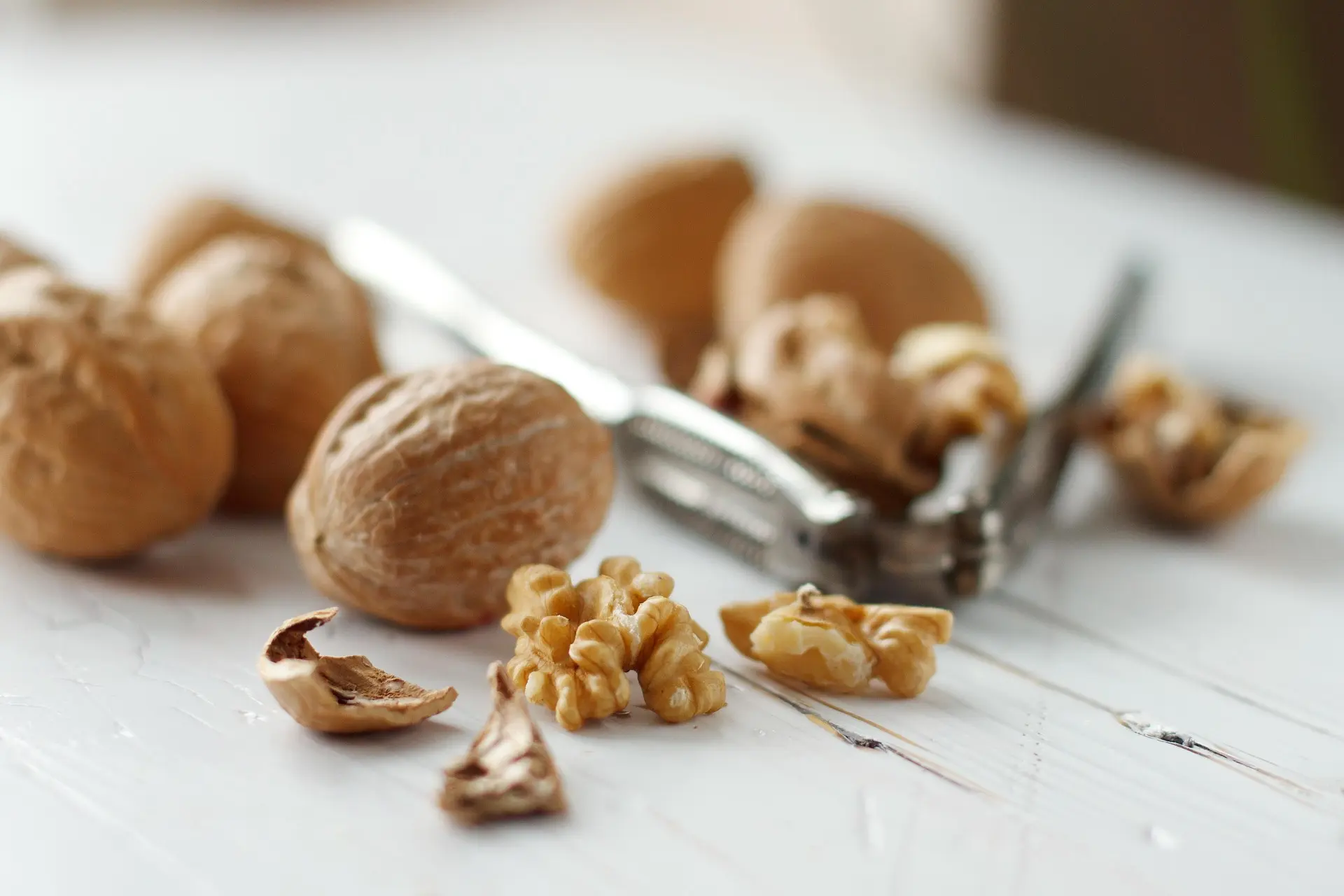
Walnuts are considered a valuable alternative to avocados due to their high content of unsaturated fatty acids. Flaxseeds (instead of chia seeds) are full of fiber, protein, and omega-3 fatty acids. Dandelion tea (instead of matcha powder) stimulates digestion and lowers blood pressure.
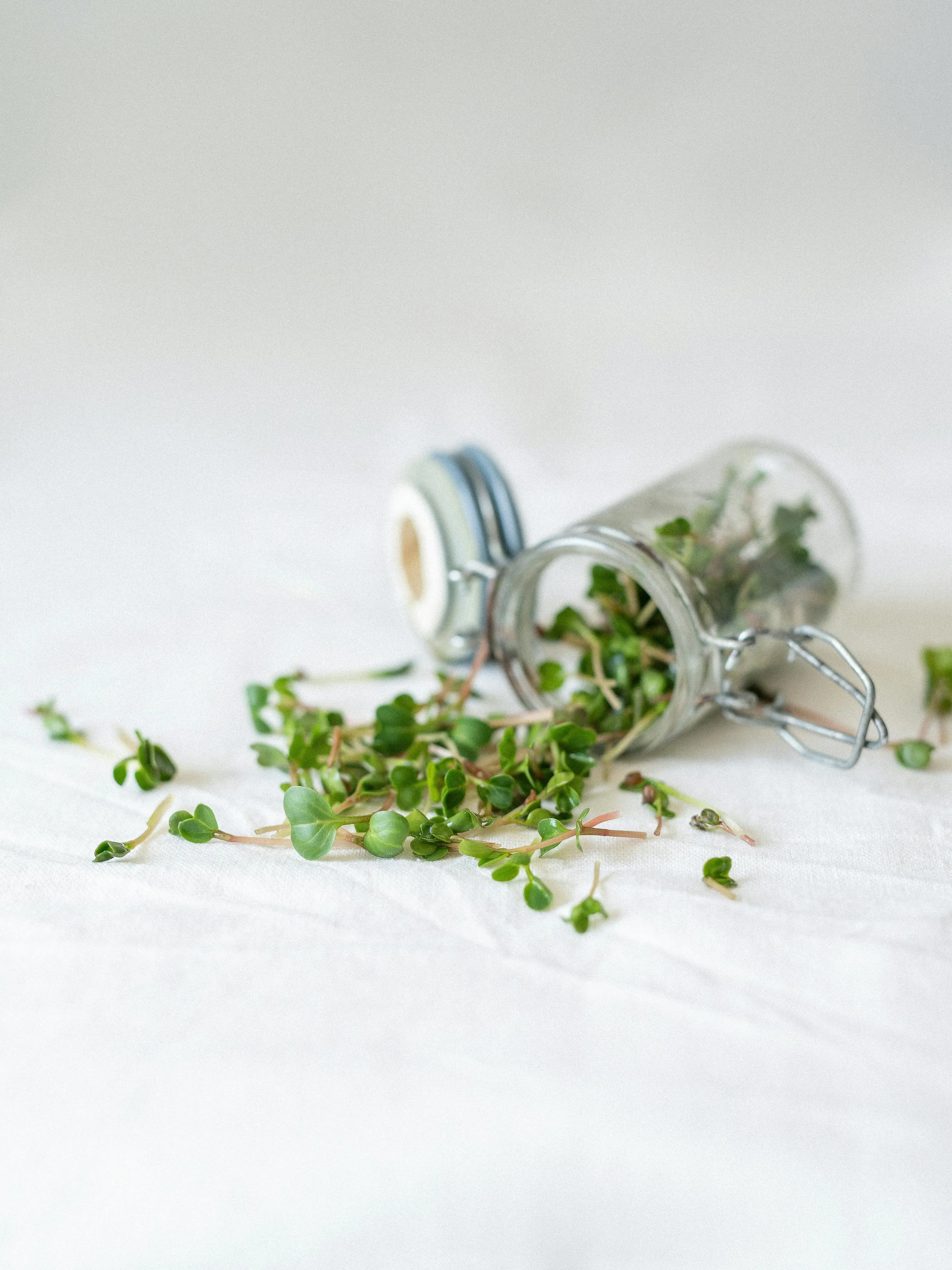
Microgreens are also all the rage. No bowl is complete without these plant seedlings as a topping. 'Micro' describes the size of the plants at harvest time, 'greens' the range of vegetables, cultivated and wild herbs, that can be used (including watercress, mustard, amaranth, fennel, arugula, and cut lettuce).
The seedlings are harvested when they are only a few days old and consumed fresh. The idea: They contain everything plants need to grow in a concentrated form, so their content of vitamins, nutrients, and minerals is significantly higher than in the same amount of mature vegetables. These include vitamin C (good for the immune system), B vitamins (for the nerves), and vitamin A (for skin and eyes). Additionally, minerals like calcium, iron, anti-inflammatory zinc, trace elements, secondary plant compounds, and amino acids.
Another advantage: they require little space and care; usually, a bowl or a small flower box on the windowsill is enough to grow these energy providers. But nutrition experts warn: Even though microgreens provide many vitamins, they are not a substitute for fully grown vegetables, as you simply eat only small portions of them.