© Karolina Grabowska
April 21, 2025
Christine Bürg und Margit Hiebl
Modern medicine today means much more than medical expertise: Practices and clinics focus on communication, a feel-good atmosphere, and new treatment concepts to reduce fears and promote healing.
With experts from our network
Anyone who feels ill goes to the doctor. But often, such an appointment in a practice or clinic is associated with excitement, often even with fear. To take this away, so that patients feel as comfortable and well cared for as possible, it is no longer enough today to just lay out a few magazines in the waiting room or put up a plant.
The expectations of patients have changed significantly, already due to societal change: The classic paternalistic communication model "‘Gods in White’ announce a medical judgment" has given way to communication at eye level and a more partnership-based approach – especially since health literacy has risen significantly due to Dr. Google .
This has led to patient empowerment, which doctors also have to respond to. And: reputation is no longer built today just because medical excellence is correct, but also when patients and the internet confirm it. The consequence: practices and clinics are rethinking and redesigning the patient journey – from communication to healthcare design.
Studies show how important it is that communication in health matters takes place on a personable and partnership-based level, ideally culminating in a joint decision towards treatment or prevention. "Shared Decision-Making" is the magic word here that increases the chances of treatment success.
It is crucial that both sides feel good. It helps patients build a foundation of trust – ideally from practice management to treatment by the doctor or staff. "If you don't feel well cared for, you shouldn't get treated," says Dr. Lukas Kohler from the Munich Aesthetics Institute LVATE.
And this also applies in reverse: "If you feel that the patient doesn't trust you, you should try harder to gain that missing trust – or reject a treatment if necessary," says Kohler.
New ways of communication between doctor and patient are being explored by pain specialist Dr. Claudius Gall from the Schmerzwerkstatt München. He uses social media or YouTube formats where, for example, cartoons explain how pain works and what therapy components are available.
Another dimension: Communication must also function smoothly within the team – because there are also people sitting there with needs, concerns, good and bad days. And this affects the mindset that the patients expect. That's why Gall increasingly relies on internal feel-good measures, such as employee coaching. He himself also uses these opportunities:
"To ensure that the patient is well, you must pay attention to your own mental hygiene and mental health." However, professional political framework conditions also cause difficulties in the doctor-patient relationship: "Many doctors, according to the Uniform Evaluation Standard (EBM), have only 10 minutes of contact time, during which one can neither take a medical history nor get to know the patient," says Dr. Gall.
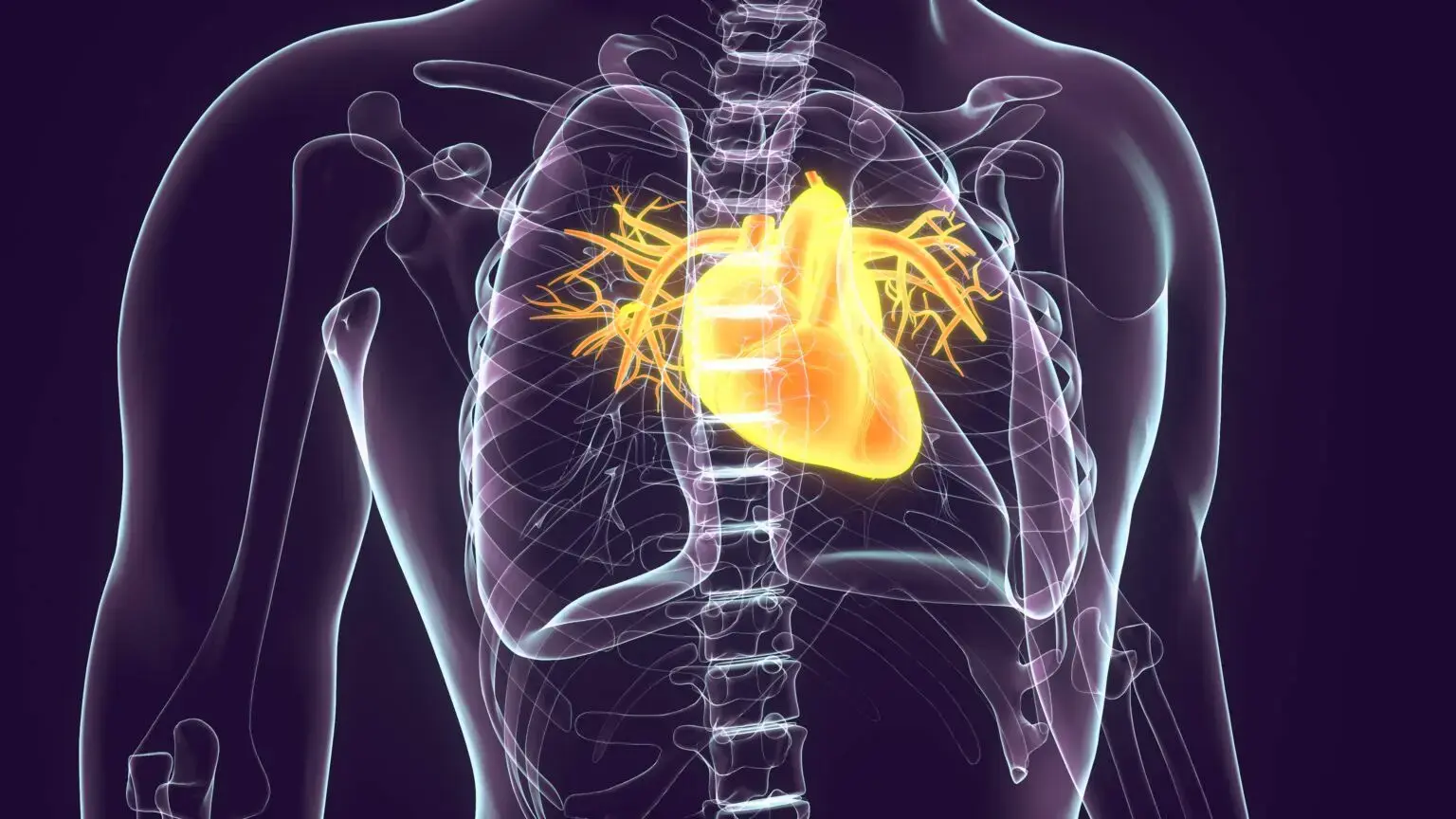
Better acquaintance is also one of the main concerns of heart surgeon Dr. Ferdinand Vogt from the Artemed Klinikum München Süd. That's why he involves the relatives from the outset. On the one hand, he learns more about the patients and their living conditions, for example, whether they are able to take care of themselves.
On the other hand, he learns more about the expectations tied to the procedure: What is possible and what is not? "Our challenge is always to offer everyone an individual, optimal treatment concept," says Vogt. The goal: To reintegrate patients into their everyday lives as quickly as possible.
Another aspect: "The heart is not only an important organ but also emotionally burdened. The fact that one picks up the phone and informs those waiting at home about the progress is a matter of course for me." Treating relatives "is also part of the care for the heart specialist.
For the Hamburg ophthalmologist Dr. Johannes Gonnermann, relatives also have a psychological component, especially for older patients or children. “We recommend bringing familiar companions, parents, or grandparents to the appointment to ensure additional emotional security and a comfort zone.”
He emphasizes being a practice for all generations, therefore he relies on individual communication and comfort concepts: Older people receive information about the length, duration, and type of preliminary examination in advance to prepare themselves.
“In communication, calm and clear formulation at an adjusted speaking pace in a calm atmosphere is extremely important. In the explanation, we use illustrative eye models to clearly and empathetically explain the nature of the procedure.” For the youngest patients, there is a child-friendly furnished extra waiting room. Often it helps to reduce fears when the child can focus on something else.
A clinic or practice stay is usually an exceptional situation for patients. Here too, there are approaches to make this more pleasant and therefore more effective. The pain specialist Dr. Claudius Gall for example, grants patients a wellness phase after an infiltration - an injection in the area of the spine - to pain and maximize stress to balance.
You can relax in a spa-like quiet room with music and mud until your normal stress level is reached again. During this time, all relevant health parameters are monitored.
Another new approach: Because no one wants to stay in a clinic longer than necessary, the so-called corridor is now used better before and after the procedure. Programs such as ERAS (Enhanced Recovery After Surgery) are available, with the help of which complication rates can be reduced by up to 80 percent. A concept that Prof. Dr. Franz Bader, Medical Director of the Clinic for General, Visceral and Minimally Invasive Surgery at ISAR Klinikum Munich, relies on.
It is one of the few clinics already certified for this. Following the motto "Better in, better out," rehab begins before the procedure so that patients go into surgery as fit as possible.
The program runs interdisciplinarily. This includes addressing any deficiencies with electrolytes, amino acids, and vitamins. are balanced before the procedure or that a smoking cessation takes place. Even shortly before the surgery, stress is minimized: You can eat until six hours before and drink until two hours before.
Afterwards, the patients are quickly mobilized by specially trained ERAS nurses – even after major procedures, a walk together in the ward is the norm on the same day. The goal is to quickly discharge patients back into their normal everyday life.
This is also made possible by gentler minimally invasive methods. While patients used to stay in the hospital for up to three weeks after a colon cancer operation, today, thanks to robotics and new concepts, it is only about four days.
The psychological effect of concepts like ERAS should not be underestimated. "When you hear that you cannot eat or drink first, the upcoming operation seems more serious – this alone increases the stress level," says plastic surgeon Dr. Caroline Kim. That's why her patients are allowed to drink not only water but also sugared tea or even espresso in the morning before surgery.
Previously a no-go, it is now known that there is less postoperative nausea if the blood sugar level is not so low. In fact, many dogmas of the past have been outdated. "You don't have to burden people if there is no scientific background for it," says Dr. Kim.
Restoring lost self-confidence, that is the intention of the Artedent dental practice in Munich. Owner Dr. Paul Schuh primarily targets patients with dental anxiety, as visiting the dentist is stressful for most people. To ease their fears, a large swing is in the entrance area.
"Everyone associates swinging with a pleasant feeling, it reminds us of childhood and being rocked in arms. We notice with our patients that it reduces their tension, making them calmer and more relaxed when entering the treatment room."
Through digitization many treatment steps can also be virtually planned and prepared, which reduces the so-called chair time that also causes stress. Transparency is another tool that alleviates fear. "Our laboratory is like an open kitchen. Nothing happens behind closed doors; everyone can watch how crowns are made, which builds trust," says Dr. Paul Schuh.
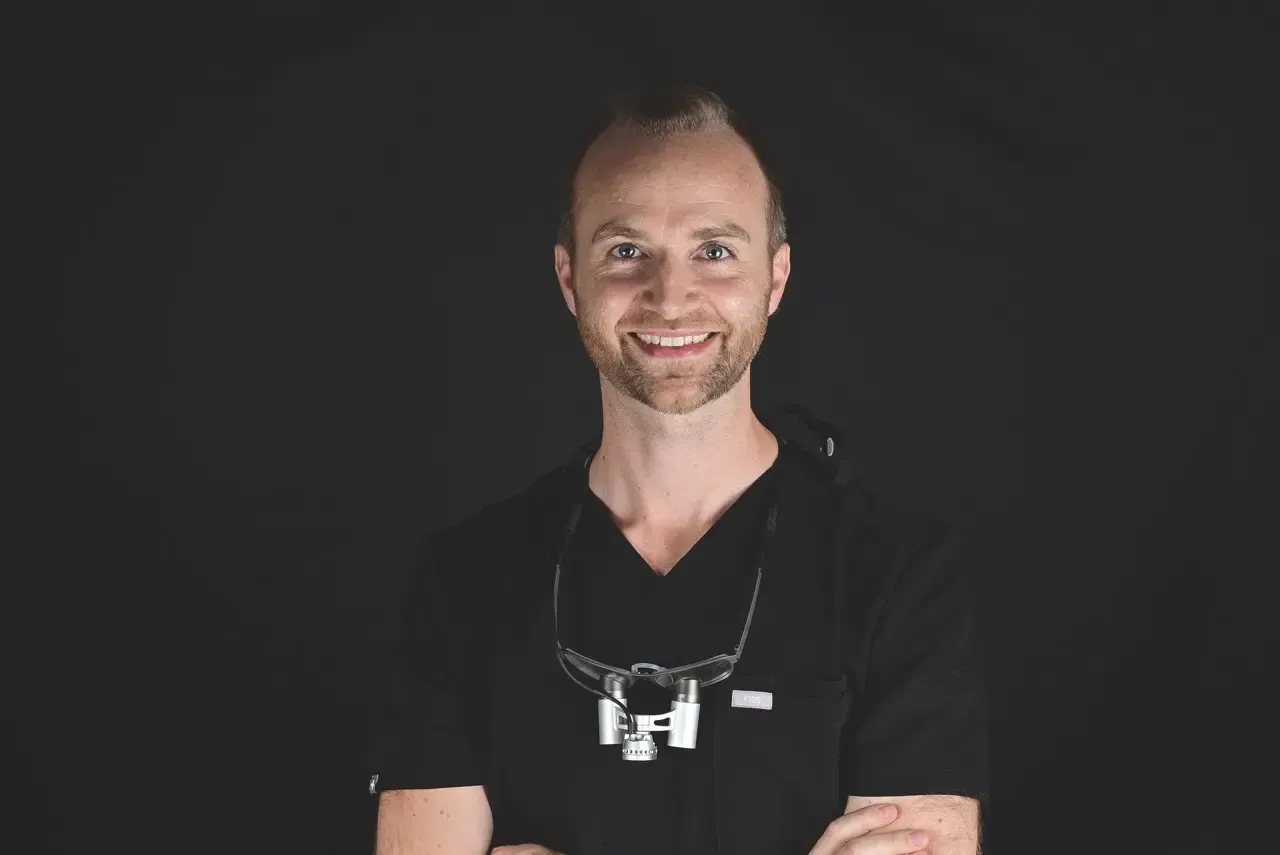
His dentist colleague Dr. Firas Zoubi in Ibbenbüren, North Rhine-Westphalia, also uses a glass laboratory, where patients can experience live how a tooth is built up layer by layer. But that's not all: "Many are afraid, for example, that after a so-called smile makeover – an improvement in dental aesthetics – they will no longer be themselves."
That's why mock-ups are created, so patients can not only see how they will look with their new teeth (through before-and-after photos taken in the in-house photo studio) but also feel them in their mouths.
"Mock-ups can be adjusted and corrected as desired during further treatments," explains Zoubi, "so the results can be seen in advance, offering only positive surprises."
Often, such a dental treatment reactivates relaxed facial muscles, "which ultimately leads to the release of happiness hormones," says Dr. Firas Zoubi.
"The rooms should radiate warmth and make patients forget that they are at the doctor," says Dr. Lukas Kohler, a specialist in plastic and aesthetic surgery. His Munich-based LVATE Institute, whose interior resembles the lounge of a boutique hotel and features design classics such as the Camaleonda couch by Mario Bellini, is bathed in warm light.
It smells like a spa, with pleasant music playing. Dr. Kohler himself speaks of an anti-practice concept. The typical medical colors white and silver are nowhere to be found here, "People associate them with unpleasant topics like illness and pain," he explains. "That's why everyone on the team is dressed in subdued black."
Dentist Dr. Paul Schuh also avoids white, glaring light and typical clinic ambiance at Artedent. He chose a friendly cream and gentle gray, along with a rich green as an accent color, "because it reminds people of nature and has a calming effect. The vertical nature garden at the entrance is intended to reduce the perception of pain and thus help reduce the necessary dose of painkillers."
The Studio Zoubi opts for an urban loft character. Open, bright, and transparent was the architectural guideline of owner Dr. Firas Zoubi, and so glass, wood, and concrete dominate both in the light-flooded ground floor with reception desk and lounge-like waiting area and in the treatment rooms on the first floor.
The fact that the ambiance in practices and clinics is becoming increasingly important is thanks to the healing architecture movement and the realization that good design has a demonstrably healing and relaxing effect and enhances well-being.
That's why more and more doctors are opting for a more stylish ambiance. This includes Munich-based plastic surgeon Dr.Caroline Kim, who will open a new practice with an attached operating area in Munich's Lodenfrey Park in April – complete with birdsong, a view of the Schwabinger Bach, and the English Garden.
"There are several scientific studies that prove patients require significantly weaker painkillers, have fewer complications, experience less stress, and recover more quickly after surgery when they look at nature instead of a wall," says Dr. Kim.
An aspect that is important not only for the psyche of the patients but also for the staff. This is why the operating room, "where we often spend many hours a day," has windows facing greenery. The second advantage of having a dedicated operating room: "You enter familiar spaces and meet a team that knows you by name, without any hospital feeling."
The hospital feeling can be avoided in an existing clinic, such as the ISAR Klinikum in Munich: rooms and service have a hotel character – they feature a minibar, the bathrooms have bathrobes, slippers, and amenity kits, and meals are ordered à la carte or via tablet and served with a silver cloche and cloth napkins. And something else contributes to the feel-good experience: thanks to specially developed cleaning agents, it no longer smells like a hospital at all.

 Find a Doctor
Search the network for suitable specialists and contact them directly

Implant or your own tissue, now or after treatment — or perhaps no reconstruction at all? Plastic surgeon Dr. Juliane Bodo explains what role radiation plays, what risks to expect, and why no one should make this decision under pressure.
Christine Bürg & Marianne Waldenfels

An interview with
Dr. med. Juliane Bodo

A single hydrogel injection into the knee may relieve osteoarthritis pain for years. Orthopedist Dr. Ivo Breitenbacher has treated around 200 patients with it and explains who the procedure is right for and where its limitations lie
Christine Bürg & Marianne Waldenfels
An interview with
Dr. med. Ivo Breitenbacher

Almost everyone has seen them, and most people ignore them: tiny specks and strands drifting across their vision. Usually, they’re harmless. But sometimes they signal an emergency where quick action can save your sight. Ophthalmologist Dr. Mirka Höltzermann explains which warning signs to watch for.
Christine Bürg & Marianne Waldenfels
An interview with
Dr. Mirka R. Höltzermann

Can fasting relieve hot flashes and other menopausal symptoms? Dr. Verena Buchinger-Kähler shares remarkable cases from her clinical practice and explains how women respond to prolonged fasting – and what science has revealed so far.
Christine Bürg & Marianne Waldenfels

An interview with
Dr. med. Verena Buchinger