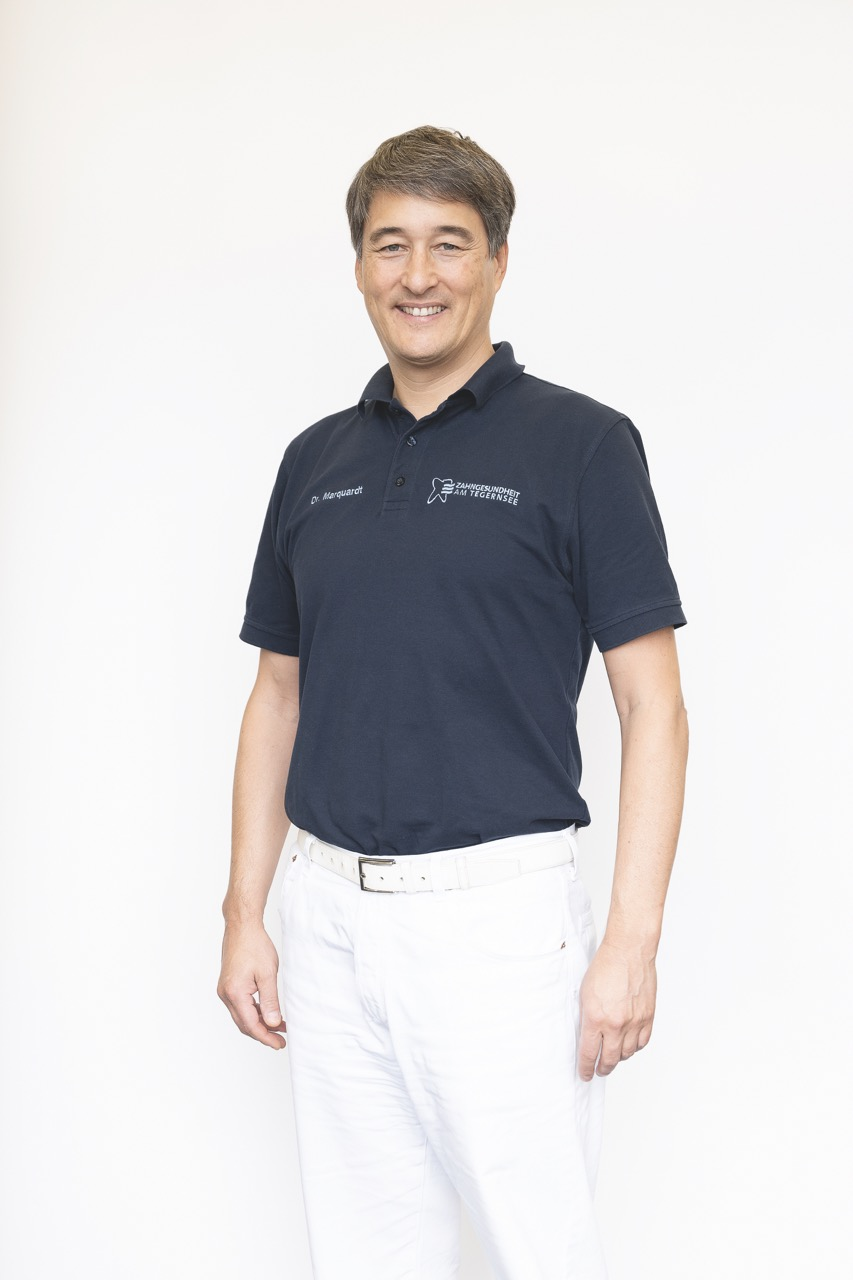
The right bite can be crucial for your athletic performance. Sports dentistry is not just about dental protection, but about the targeted optimization of the entire musculoskeletal system. Dr. Siegfried Marquardt is one of the pioneers in this field in Germany and explains in the interview how teeth, jaws, and muscle chains are connected – and why even small misalignments can have major effects.
Sports dentistry seems to be a relatively young field of medicine. Except, of course, when you have a toothache, how can the dentition affect athletic performance?
The field is not that new. The American Academy for Sports Dentistry has existed in the USA since the 1980s, and for a long time now, there has been hardly any professional sports club there that does not have a sports dentist in the medical team. In Japan, for example, there is no university without its own chair for sports dentistry.
And in Germany?
Unfortunately not at all. There is no university in Germany that has its own department for it. But that will come! Individual chairs for sports medicine – for example at the University of Leipzig – are now integrating the topic of sports dentistry. In addition, there are already collaborations between the German Society for Sports Dentistry (DGSZM e.V.) with German Sports Aid, the German Olympic Sports Confederation (DOSB), and the DSV.
At the moment, the topic is still rather neglected throughout Europe. The DGSZM was founded back in 2007, where I am also on the board. It works to define and implement uniform quality criteria. The cooperation with the associations is bearing more and more fruit.
What is sports dentistry?
One of the most important topics in sports dentistry is, first of all, traumatology. Studies show that classical dentists have significant knowledge deficits in this area because they do not deal with it often in their daily practice. If an athlete hits a gate while skiing and knocks out, breaks, or crushes a tooth, quick help is needed.
We specialize in this. For example, in reimplantation when the tooth and root are still intact. You can compare this to the difference between a regular family doctor and an emergency doctor.
But this special knowledge doesn't contribute to a potential performance increase?
No, it's about something completely different, namely diagnostics. This means that I can determine whether an athlete has a functional problem originating from the head-jaw area. I then search for and eliminate performance-reducing interference factors, such as hidden inflammations, a bad bite, missing teeth, or a poorly fitting crown.
How do teeth influence athletic performance?
We are talking about a so-called descending chain. This means that the actual cause is hidden in the head area. The muscles try to compensate and balance, but fail to do so, thus affecting the whole body. This leads to tension, neck pain, headaches, and shoulder problems.
Can a bad bite cause injuries?
Of course, it affects physical sensation in itself and naturally increases susceptibility to injuries. Because I'm always somehow tense and cramped. These limitations keep the athlete in a permanent avoidance posture, thus blocking them.
Blockages are logically fundamentally bad for freedom of movement when practicing a sport, especially when it comes to top performances. It affects amateur athletes just as much. Another important point related to athletic peak performance is overall oral health.
Don't top athletes brush their teeth well?
Unfortunately, it's also proven by some studies that top athletes have a high affinity for caries and periodontitis.
One wouldn't initially suspect this, because you tend to think athletes are generally very health-conscious.
Yes, exactly! But there are two explanations. On one hand, the diet with all those acidic and sugary energy drinks and lots of carbohydrates – everything the body needs because it burns a lot. Additionally, there is a lack of or insufficient dental hygiene.
We know it ourselves: There's always too little time, so also for brushing teeth. This is an unhealthy combination with the mentioned preferred diet – and a huge problem because especially periodontitis, i.e., gum inflammation, has a direct impact on our entire organism.
To what extent?
On the one hand, it is a chronic inflammation that burdens the body. We also know today that there is a bidirectional relationship between periodontitis and diabetes. This means: Those who suffer from gum inflammation also have a significantly higher risk of developing diabetes – and vice versa. This is particularly critical for athletes because as diabetics they are no longer as resilient.
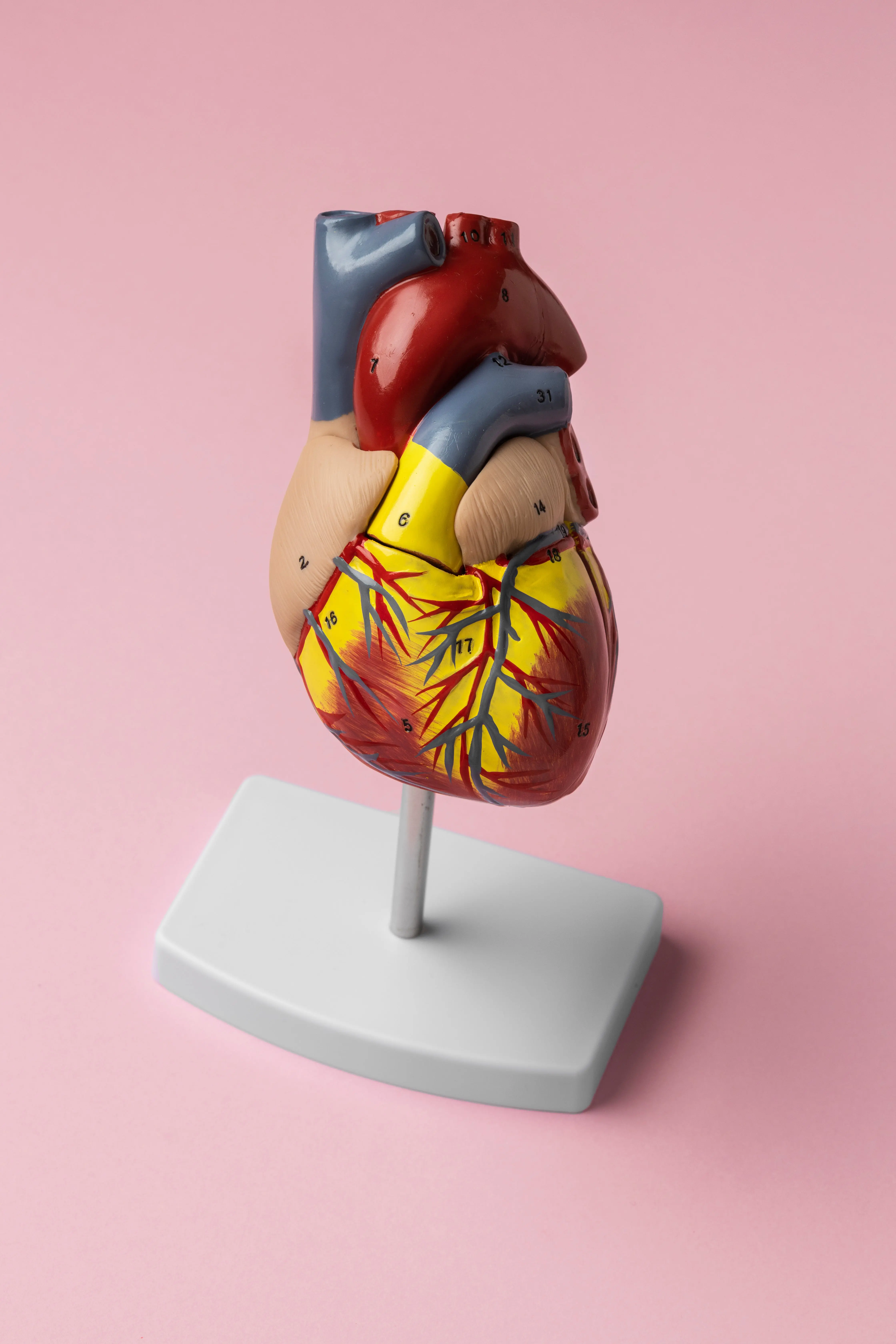
Periodontitis can also spread through the bloodstream to the heart deposit. In particular, the so-called anaerobic germs, which do not need oxygen to survive, are very dangerous. They migrate into the bloodstream, which is why periodontitis is one of the main causes of cardiovascular diseases – heart attack, stroke, arteriosclerosis, for example.
And how can a wrong bite affect athletic performance?
Again, the dysfunction affects the entire body, as already explained. Once I have diagnosed the causes, I can properly adjust the athlete with the help of interdisciplinary collaboration, for example with orthopedics. Through relaxation and coordination with physiotherapy, I can adjust and register the bite so physiologically correctly that the muscles on the right and left react evenly again.
Can a before-and-after effect be measured in the process?
This is, of course, a very important point for the coaches as well. They always want to measure and analyze everything. There are special devices that can be used to digitally measure and compare things like muscle activity or running posture. With the so-called Teethan system, for example, I can digitally capture the parameters of irregularities and misalignments.
A bad bite when clenching, due to uneven contact of the teeth, often leads to muscle tension in the temples, cheeks, and neck area, which in turn affects the entire body posture. I had already described the "descending chain" at the beginning. This dysfunction is usually not even noticed, because the chewing muscles try to compensate for the wrong bite.
There was, for example, a ski cross racer who had a strong right turn but a weak left turn. The coach had no advice either. The screening then showed that he had orthopedic problems descending from the head-neck area. The left shoulder was too high, the right one was too far forward, and the left leg was splayed out. All stemming from the jaw.
How were you able to help him?
Put bluntly, by straightening him out again. First, as mentioned earlier, I analyze the misalignment. With the data obtained and the successful determination of the relaxed, physiological bite position, we can provide the dental technician with all the necessary information to create a special splint that ensures the athlete virtually gets back into balance and remains stable. As a result, he can now handle the left turn as well as the right swing.
What does a performance splint bring in sports?
It stabilizes the statics and ensures the synchronization of the musculature. If he were to wear the splint constantly during the day, he would always be in balance. Of course, no one does that. Often it goes in the High-performance sports yes, about nuances during active movement.
Therefore, constantly wearing them doesn't always make sense. However, if a regular patient, for example, constantly suffers from migraines due to a misalignment, this can be remedied with a different type of splint that is mainly worn at night.
Do athletes come to you who have a performance problem and ask if it could be due to their teeth?
That happens more frequently now. Usually, during a routine check-up, the conversation arises, and then the patient says, for example, that he or she has these constant problems with the hip, but the orthopedist doesn't know what to do. Or that he or she strangely always injures the right leg.
Then I ask if I should do a screening. Furthermore, in professional sports, pre-season checks are increasingly mandatory, and team doctors or orthopedists more often consult the dentist. This leads to new cases repeatedly.
Are there sports particularly predisposed to performance improvements through such performance splints?
I believe there are. Basically, all sports that involve a lot of movement. However, we differentiate between contact sports and 'passive' sports when selecting individual splints. Triathletes, for example, Runners, soccer players, swimmers, biathletes, golfers need a pure performance rail in the lower jaw.
In martial arts such as ice hockey, field hockey, basketball, additional protection is needed against strong impacts. There is a special mouthguard for the upper jaw. Generally, in all sports that rely on quick power implementation from movement, the muscle chains should be activated physiologically and in a coordinated manner.
Is that less the case when it comes to precision?
So a chess player will hardly be able to perform better with a performance rail unless he constantly grinds his teeth. But for example, in biathlon, we have clearly positive results in terms of hit accuracy. Basically, one can say: wherever an athlete has a pronounced strong or weak side, the teeth may play a role.
Is an improvement in performance with a performance rail immediately noticeable?
Yes, within minutes. Of course, it takes time to get used to it in the medium term, but basically, the rail should work immediately. I just had the case of a soccer player: rail in and three goals scored in the first game with it. Sure, it could also be a coincidence, but since then he only wears his rail and now wants a second one in case he loses the first. So it worked immediately.
But there are also other cases. A beach volleyball player, for example, initially had no success with the rail. This was because she was so cramped and stiff for years that her body and muscles had to slowly get used to the new situation. However, there are only a few patients for whom a rail does not work at all.
This is also due to the anatomical configuration of each individual. This must be precisely analyzed beforehand and expectations should be realistically assessed. Therefore, a prefab splint makes no sense at all and can even have the opposite effect.
Are there other examples?
In golf, for example. There you have this one-sided swing and the muscle chains have to be adjusted accordingly. That's very fascinating because it comes down to the smallest nuances. If you hit the ball just a little differently, it goes somewhere completely different. I'm not a golfer myself. I did manage to get my golf license once, but only to try to understand what it's all about.
I used to think for the longest time that as long as you hit the ball, it was fine. I had a former pro who could hit 30 meters further with an appropriate splint. That's huge. Very interesting! There are now pros who analyze their students and tell them: Why don't you go to a sports dentist?
Is sports dentistry worth it for amateur athletes?
It always depends on how ambitious someone is. If someone wants to improve their performance, minimize injury risks, or eliminate certain movement disorders, splint therapy can achieve a lot. For example, I also wear a splint when playing tennis and feel better with it.
Which case has amazed you the most?
It was the professional triathlete Markus Hörmann, who now also wants to qualify for the Iron Man in Hawaii. He had an inexplicable decline in performance for years. The orthopedist couldn't help anymore and referred him to me. I took an X-ray and could immediately say: It's this tooth!
I had to remove him, but since then he has been better than ever and has broken all personal bests. It is also amazing that in some professional sports areas, where really a lot of money is involved, the teeth are still forgotten. 30 million or more are paid for a super talent, who is medically checked for days beforehand, but no one ever looks in his mouth. And sometimes there are frightening things to discover.
The fear of the dentist also does not stop at some super talents. I had this one case where we could only get him to show us his teeth and then treat them with the help of sedation anesthesia. In the end, it paid off for him - and now he is no longer afraid of the dentist.