The fear of the dentist is a widespread phenomenon. One in ten people is said to suffer from it, but hardly anyone wants to talk about it. How you can deal with the fear and how your doctor can support you.
Overcoming Dental Anxiety: The Comprehensive Guide for Anxious Patients
Fear of the dentist can have fatal consequences: Those who don't regularly care for the health of their teeth due to fear of the drill often miss the right moment to eliminate damage to the teeth or other diseases in the oral cavity early on. This can lead to massive problems and large, difficult-to-repair damage to teeth, gums, and jaw.
You are not alone: According to estimates, about 60-80% of Germans feel some discomfort when visiting the dentist, while around 5-10% of the population suffer from a pronounced dental phobia. The good news is that there are now numerous effective methods to overcome this fear.
What is dental anxiety and how can it be recognized?
Dental anxiety, medically referred to as dental phobia or dentophobia, is more than just mild discomfort. It is a pronounced anxiety disorder that prevents sufferers from undergoing necessary dental treatments.
Typical symptoms of dental anxiety
Anxious patients often experience various physical and psychological symptoms:
Sweating and heart palpitations at the mere thought of visiting the dentist
Sleep disturbances the night before the appointment
Nausea and dizziness
Panic attacks in the waiting room
Avoidance behavior and repeatedly canceling appointments
Physical tension and muscle cramps
These reactions are not a weakness, but a natural stress response of the body to a perceived threatening situation.
How fear of the dentist develops
The so-called dental phobia is often due to one or more traumatic experiences of the patients during a dental treatment – already during childhood, but also as young adults. Physical pain does not necessarily have to have occurred; often just the feeling of helplessness and the belief of being at the mercy of the dentist's drill and other instruments is enough.
Common causes of dental phobia
The reasons for dental anxiety are diverse and individual:
Negative past experiences: Painful treatments in childhood or adolescence leave a lasting imprint on the subconscious. Particularly experiences where patients did not feel taken seriously leave deep marks.
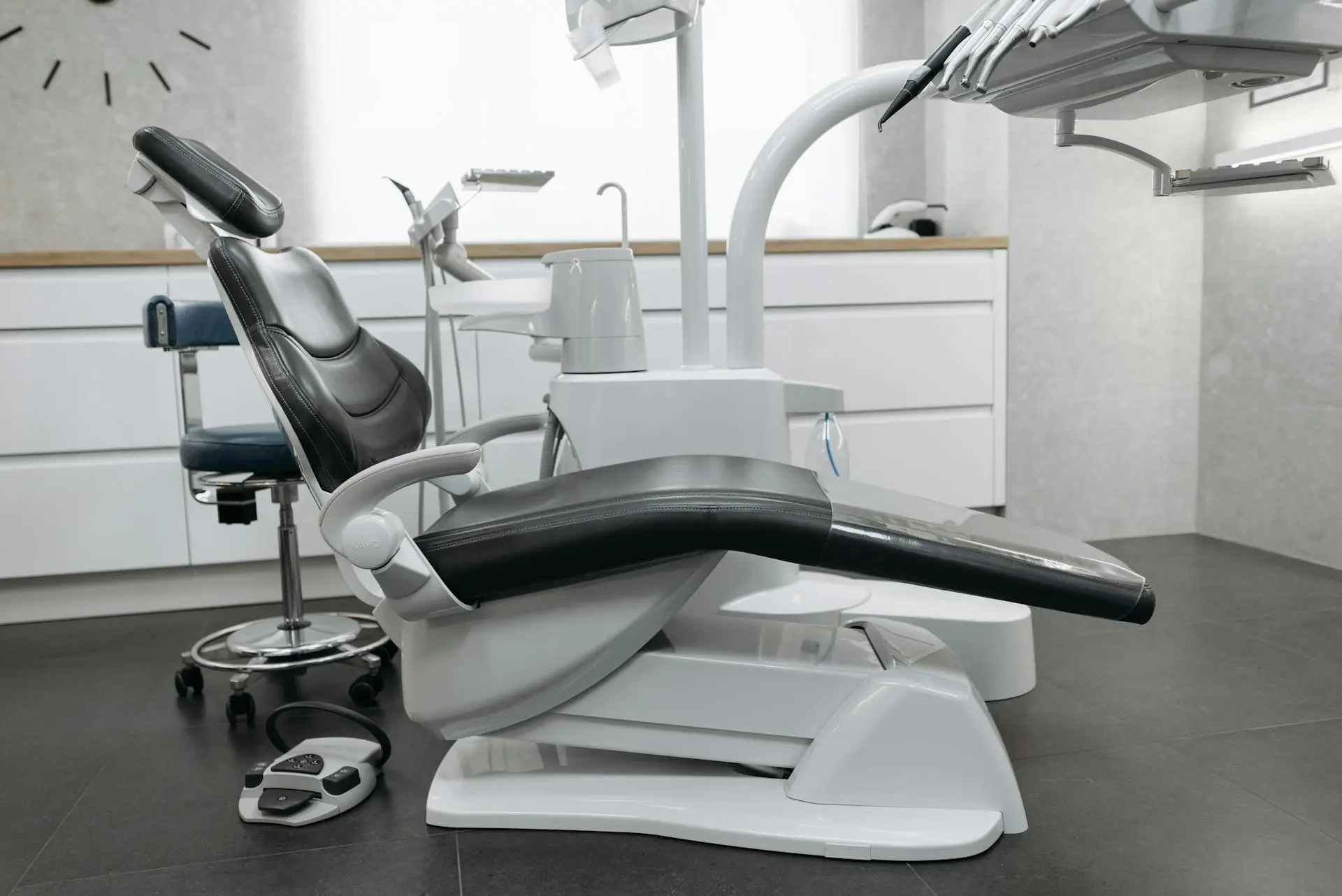
Loss of control: The feeling of being at the mercy of the situation during treatment and having no influence on what happens significantly increases anxiety. The reclining position in the treatment chair and the dentist’s close proximity can intensify this feeling.
Feelings of shame: Many patients are ashamed of the condition of their teeth and fear reproaches or derogatory comments. This shame is often exacerbated by long treatment breaks.
Transferred fears: Sometimes children take on their parents' fear of the dentist, even if they haven't had any negative experiences themselves. Dramatic stories from others can also trigger fears.
Sensitive stimulus processing: Some people are particularly sensitive to sounds, smells, or tactile stimuli. The typical whirring of the drill or the distinctive smell of the practice can already trigger anxiety reactions.
It is imagination that creates actual horror ideas and chronic anxiety states. If the feeling is then added of not being taken seriously with these problems before and during the treatment, many anxious patients permanently refuse to visit the dentist.
Health effects of dental anxiety
Untreated problems in the oral cavity can lead to serious damage over time, affecting not only the teeth but also overall health. The pathogens of a purulent infection in the connective tissue of the mouth region or the jawbone can also spread to other parts of the body.
Medical risks of missing dental treatment
Cardiovascular diseases: Chronic inflammation in the mouth can increase the risk of heart attack and stroke. Bacteria from the mouth enter the bloodstream and can trigger inflammatory processes throughout the body.
Diabetes: The risk of developing diabetes increases significantly, as scientific evidence has shown. At the same time, diabetes complicates wound healing in the mouth, creating a vicious cycle.
Chronic pain: Untreated dental problems lead to persistent pain, significantly reducing quality of life. Headaches, jaw joint problems, and tension can result.
Digestive problems: Poor dental health can prevent proper chewing of food, leading to digestive issues.
Bone loss: Advanced periodontitis can lead to tooth loss and deterioration of the jawbone, which significantly complicates later treatments.
Social and psychological consequences
In addition to health risks, poor oral health naturally also brings aesthetic problems. No one likes to show a smile that reveals unsightly gaps or discolored teeth. On the contrary, bad teeth lead to feelings of shame and inhibitions in interactions with others.
Many affected individuals hardly dare to laugh and communicate openly and freely with others. Poor dental hygiene also causes bad breath, making good social contacts difficult and potentially affecting everyday life. There are even people who develop social anxiety due to their defective teeth and hardly venture out among people.
Professional disadvantages: Neglected teeth can affect career prospects, especially in jobs with a lot of customer contact.
Withdrawal and isolation: The shame about the condition of one's teeth can lead to social withdrawal and, in the worst case, to depression.
What can you do if you're afraid of the dentist?
The first step to overcoming dental anxiety is to talk about it. With your partner, but ideally with the dentist themselves. Such a conversation naturally doesn't fit well if you're already sitting in the treatment chair. But what's stopping you from first scheduling an appointment not for treatment, but for a conversation with the doctor? Anyone who manages to enter a dental practice has taken the first step.
Finding the right dentist for anxious patients
Choosing the right dentist is crucial for treatment success. Specialized practices for anxious patients are characterized by special features:
Experience with anxious patients: The dentists at Premium Clinics & Practices have extensive experience in dealing with anxious patients. It begins at the reception. Many practices are characterized by their friendly atmosphere and facilities.
Pleasant practice atmosphere: Some dentists even intentionally ensure that there is no typical dentist smell in their practice. The practice staff are approachable and personal, and waiting times are minimized.
Empathetic communication: These dentists know that dental anxiety is not a weakness, but very human. In a trusting conversation, these professionals help patients uncover the causes of the phobia and find ways to overcome it together.
Time for detailed discussions: Good dentists for anxious patients take time for an introductory conversation without treatment pressure.
Concrete strategies against anxiety
The more specifically the dentist knows the fears and concerns of his patients, the faster and more effectively he can help them. Often it is seemingly trivial or incidental handicaps that torment the anxious patient: the sound of the drill, the sight of the examination instruments, perhaps also an uncontrollable gag reflex during the treatment, but also the fear that the pain-relieving injection won't work.
Gradual familiarization: Start with simple appointments like a professional dental cleaning before more complex treatments are due.
Transparent Information: Have each step of the treatment explained in detail. What the dentist plans to do, why it is necessary, and how it will proceed.
Agree on Stop Signals: Knowing that you are not helplessly exposed to the treatment, but can interrupt the process at any time, is invaluable. It is particularly important psychologically to agree on certain signals, such as hand signs, with which the patient can signal rising panic.
Bring a companion: Having a trusted person by your side gives many patients additional security.
Distraction techniques: Music through headphones, visualization exercises, or stress balls can help distract from the treatment.
Modern anesthesia methods for anxious dental patients
Even educating patients about individually controllable modern anesthesia methods greatly helps anxious patients. Knowing that reliable anesthesia options are available from light local anesthesia to general anesthesia for every type of treatment provides reassurance.
Different forms of pain relief
Local anesthesia: The classic local anesthesia using a syringe reliably eliminates pain. Modern, thin needles and slow injection techniques make the anesthesia almost painless.
Analgo-sedation (twilight sleep): In many cases, the so-called analgo-sedation has proven effective, a type of twilight sleep that puts patients in a relaxed and anxiety-free state. They remain conscious but are deeply relaxed and hardly aware of the treatment.
Nitrous oxide sedation: Nitrous oxide works quickly, is well controllable, and is rapidly broken down after the treatment. Patients remain responsive but feel pleasantly relaxed.
General anesthesia: In cases of severe anxiety or extensive procedures, general anesthesia can be useful. It is performed under constant monitoring by an anesthetist.
Hypnosis: Some specialized dentists offer hypnosis as a gentle alternative to medicinal sedation.
The choice of the right method depends on the individual's level of anxiety, the planned treatment, and the patient's health condition.
Relaxation techniques and psychological help
Many experienced dentists from premium clinics & practices also know easy-to-learn relaxation and breathing techniques that can help reduce anxiety reflexes step by step.
Self-help techniques for dental anxiety
Breathing exercises: Deep, calm abdominal breathing activates the parasympathetic nervous system and has a calming effect. Consciously breathe slowly and deeply before and during the treatment.
Progressive muscle relaxation: By specifically tensing and relaxing different muscle groups, tensions are released. Often, simple measures and techniques can not only remove mental barriers but also resolve unconsciously occurring muscle cramps. This adds physical relaxation to the psychological one.
Imagination exercises: Imagine a safe, pleasant place where you feel comfortable. This mental journey can provide distraction during the treatment.
Mindfulness exercises: Focus on the present moment without judging it. This can help break the cycle of anxiety.
Professional therapeutic support
No one should hesitate to seek help from professionals trained in psychology. For severe dental phobia, the following therapies can help:
Cognitive Behavioral Therapy: This form of therapy has proven particularly effective for anxiety disorders. It helps identify and change negative thought patterns.
Exposure Therapy: By gradually confronting the anxiety-inducing situation, it gradually loses its terror.
EMDR (Eye Movement Desensitization and Reprocessing): This method can help process traumatic dental experiences.
Hypnotherapy: In hypnosis, positive experiences can be anchored and fears reduced.
Prevention: Keeping fear at bay
Regular prophylaxis instead of emergency treatment
Those who regularly go for check-ups and professional teeth cleaning avoid major interventions. These routine appointments are significantly less anxiety-inducing than treatments for acute problems.
Gathering positive experiences
Every successful dental visit where nothing bad happens weakens the fear. Celebrate these small successes consciously.
Good oral hygiene at home
By brushing thoroughly, flossing, and using mouthwash, you can prevent many problems and minimize treatment time at the dentist.
Costs and coverage for dental anxiety
Many anxious patients wonder if the health insurance covers the costs of special treatment methods.
Basic treatment: Regular dental services are covered by statutory health insurance.
Sedation and anesthesia: The assumption of costs for sedation or general anesthesia for anxious patients is regulated differently. Often, an application with a medical certificate is necessary. Private health insurances usually cover these costs more generously.
Psychotherapy: Behavioral therapy for dental phobia is usually covered by health insurance if it is conducted by a licensed psychotherapist.
It is best to clarify the cost coverage with your health insurance before starting treatment.
Conclusion: The path to an anxiety-free dental visit
Dental anxiety is widespread and no reason for shame. With the right strategies, a compassionate dentist, and possibly professional support, fear can be overcome step by step. The first step is often the hardest but also the most important: talk about your fear and seek help.
Your dental health is worth it because healthy teeth mean quality of life, health, and a confident smile. Modern treatment methods, gentle anesthesia procedures, and specialized dentists for anxious patients make it possible today to receive good dental care even with pronounced dental phobia.
The experienced dentists of the Premium Medical Circle are happy to help if you are afraid of your next dental visit.