© Robert Erban
September 25, 2024
Margit Hiebl
What used to only affect children is now often diagnosed in adulthood as well. Which therapies and treatments can ease everyday life with ADHD.

With
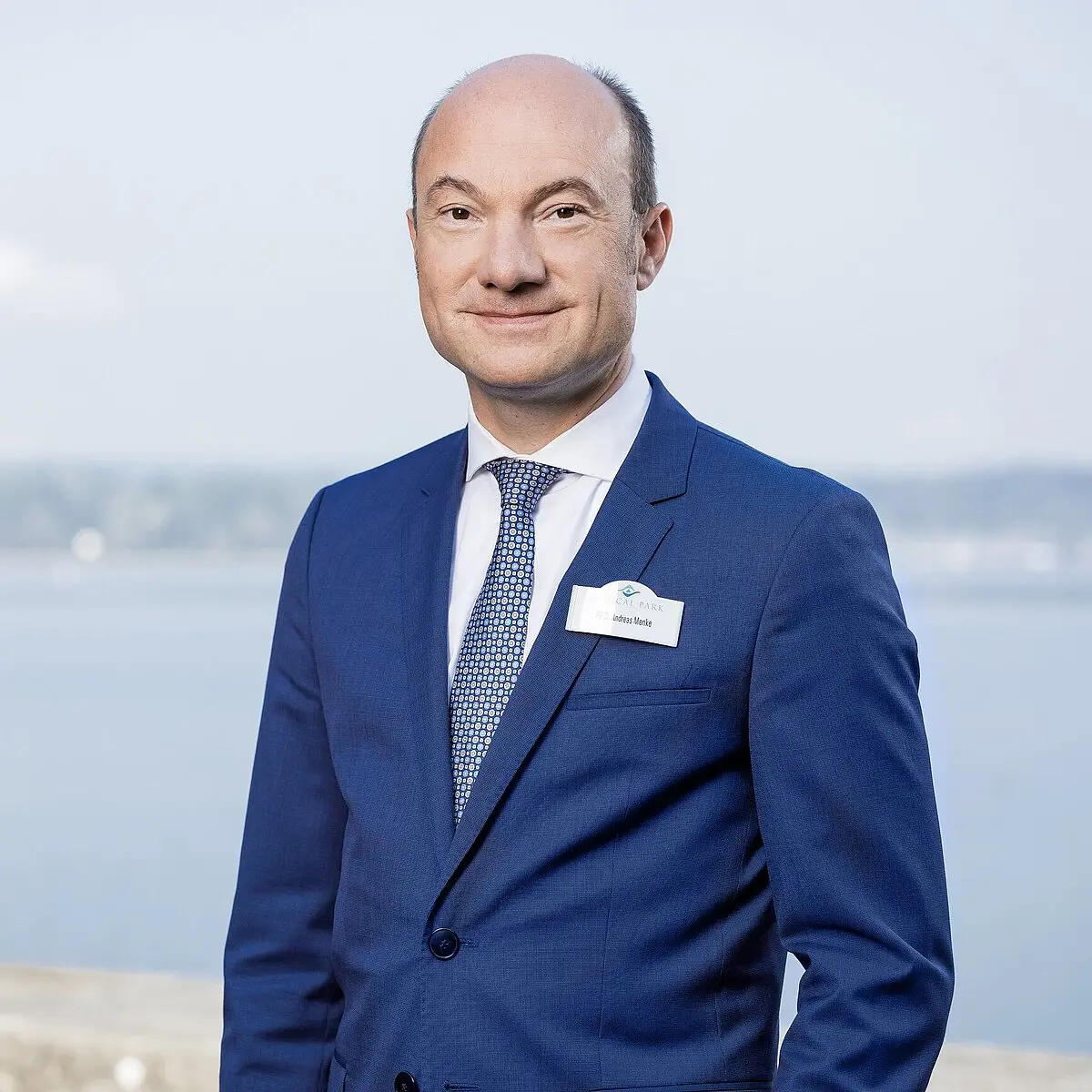
Prof. Dr. med. Andreas Menke
Kristen Stewart has it. Nelly Furtado too. And Adam Levine. In Germany, among others, Benjamin von Stuckrad-Barre and TV doctor Eckart von Hirschhausen are affected. The list of celebrities who have come out in recent months to suffer from it is long. ADHD Here, "suffer" seems relative - after all, they are all successful, which is known to require a certain amount of self-discipline.
Time for enlightenment. Roughly estimated, about three million people in Germany live with ADHD. It is a disorder of neural development with a high genetic component - heritability is 90 percent. There are also often psychosocial influences, such as family instability, excessive expectations, or financial worries, which exacerbate symptoms.
The so-called attention deficit hyperactivity disorder is one of the most common disorders in childhood - characterized in boys by fidgeting and hyperactivity, in girls more by inattention or dreaminess. About 50 to 80 percent still show symptoms as adults - albeit changed.
Many affected people don't even know why they are the way they are," says Prof. Dr. Andreas Menke Michael, medical director of the clinic for psychosomatic medicine and psychotherapy Medical Park Chiemseeblick and expert in ADHD. In his experience, it is even underdiagnosed in adults – currently, the prevalence is estimated at about 2.8 percent.
Symptoms like lack of concentration, inattention, hyperactivity, and impulsivity can indicate it, but they don't have to. Suspicions arise when one is quickly bored, constantly seeking new external stimuli – this can also be a frequent change of workplace and place of residence.
Many affected individuals are constantly on edge, appearing disorganized. They therefore have a higher risk of accidents. They tend to consume coffee, energy drinks, or cigarettes excessively. Or they exhibit other addictive behaviors such as gambling addiction or self-medication when trying to mask or tone down symptoms.
Sudden verbal outbursts up to violence are also part of the spectrum. However, ADHD also has its positive aspects. 'People with ADHD are very creative, have quick comprehension, or can multitask,' according to the expert.
And in search of new thrills, they often take new paths – sometimes developing a pioneering spirit. Many not only live well with ADHD but also thrive from it – often in the music, art, or film scene.
For those affected, it is often a real puzzle. Many symptoms are also seen in normally stressed individuals or indicate other mental disorders. Therefore, it's important to consult professionals, i.e., specialists in psychiatry and psychotherapy or clinics for psychosomatics that specialize in it. Not all doctors or psychologists are familiar with it.

This is also why ADHD in adults is often recognized late – usually in connection with co-morbidities or secondary diseases such as depression , anxiety disorders or addictive behavior, Andreas Menke knows from daily practice.
The first step towards an accurate diagnosis is a detailed medical history interview: This involves symptoms, frequency and severity, resulting limitations as well as development. Then it must be ruled out that the symptoms are caused by the intake of medication or other substances as well as by internal or neurological diseases.
In addition, psychological testing diagnostics are used, which work with detailed, standardized questionnaires for self-disclosure or also as third-party disclosure for reference persons (HASE – Homburg ADHD scales for adults).
“The timing of the diagnosis is usually a very special moment for the patients – finally they have a diagnosis that explains everything: that they are not lazy, stupid or strange, but that they have ADHD, which can be treated well,” says Professor Andreas Menke.

© Adobe Stock
Many people affected by ADHD are constantly under pressure and seem scattered.
It is important that patients and their caregivers are first fully informed about the disease. This provides security and promotes understanding. For example, it can prevent someone from being provoked into a more impulsive phase through teasing.
Or that it is not perceived as disinterest if someone briefly daydreams during a conversation. But the magic word is multimodal therapy. An important part of this is so-called stimulants. These are medications that influence the interaction of certain neurotransmitters in the brain as well as the concentration and duration of action of the neurotransmitters Dopamine and norepinephrine.
“Paradoxically, patients with ADHD have a dopaminergic deficit, which can be balanced in this way,” Menke explains. In Germany, medications with the active ingredients methylphenidate, lisdexamfetamine, and atomoxetine are approved, which are then prescribed individually by the attending physician.
Their positive effect: They increase the ability to concentrate, and behavior can be better controlled – even internal unrest or hyperactivity is measurably reduced. The ideal thing about these medications is that they work immediately and do not require a level to be built up first.
Therefore, they do not necessarily have to be taken permanently. “However, if someone is so disorganized or impulsive in their private life that everyone suffers as a result, they should take the medication continuously,” Menke advises.
It depends on the symptoms. If they are milder, coaching and psychosocial therapy may be sufficient according to guidelines. However, the best results are achieved, according to a new meta-analysis of 20 randomized controlled studies with 1389 patients, with the combination of medication and behavioral therapy.
Medications not only complement but also serve as a basis for further therapeutic measures to proceed more focused with the next steps. In therapy, one learns to better cope with impulsivity and is provided with tools that help with time management and self-organization.
It is trained how to cognitively restructure behavioral patterns and beliefs. For example, by keeping a diary. “In it, patients are supposed to describe situations in which they felt uncomfortable and how exactly they felt. And with a bit of distance, re-evaluate the situations in a calm moment and write down how the situation can also be viewed,” explains Professor Menke.
Last but not least, attention should also be drawn to one's own strengths, such as creativity or honesty. Therapy takes place in individual or group sessions. The advantage of group therapy: Here people meet who have the same difficulties. This helps to accept oneself and also to better cope with the symptoms.
Possibly – but trends can also have positive effects: Through social media and the many prominent outings, the topic of ADHD in adults is brought into the public. Hopefully, this leads to rethinking and new thinking: For example, that as awareness grows and demand increases, more doctors and psychotherapists deal with the topic and acquire relevant qualifications.
That those affected no longer feel inadequate or "crazy." And that no one is looked at strangely because of the diagnosis, not even if they are in therapy for it. But another exciting concept is being discussed more and more:
"In terms of neurodiversity, one could say: ADHD is simply another state of the brain. And that can take on many states, all of which are okay. It's more the environment that doesn't always respond appropriately," says Menke.
This could lead to people with ADHD being specifically used and appreciated for their strengths in professional life. Which already works well with prominent representatives. However, it is not good if over-identification occurs and the diagnosis becomes chic or ADHD is even trivialized: "It is after all a condition that should be treated medically," says Professor Andreas Menke. One can live well with it,