© Marta Wave
Berberine: Does it really help with weight loss?
May 5, 2026
Birgitta Dunckel
Berberine is said to lower blood sugar and support weight loss. But what can this plant alkaloid really do? Learn about its effects, risks, side effects, and dangerous drug interactions
Berberine is gaining increasing attention as a natural health supplement. But what can the plant compound really do — and when are caution and medical advice necessary?
Berberine promises a lot: It is said to help regulate blood sugar, lower cholesterol levels, and even support weight loss. On social media, the plant-derived alkaloid is often promoted as a natural miracle remedy. However, there is still a gap between traditional use and scientific evidence — and the supplement may also carry significant risks and drug interactions.
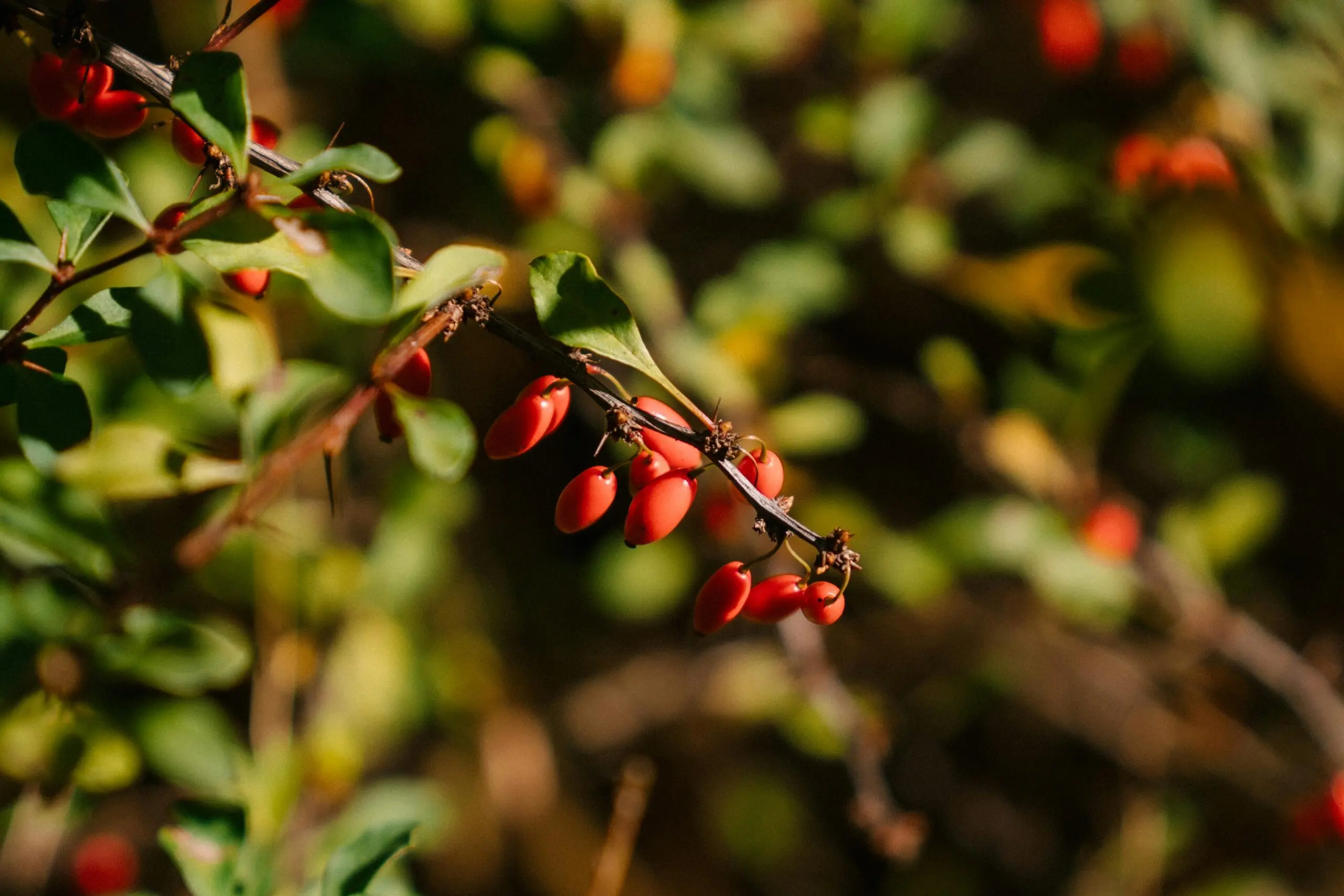
Berberine is a bioactive alkaloid — a naturally occurring nitrogen-containing compound with a distinctive yellow color. It is found in several medicinal plants, including:
The compound takes its name from the barberry plant, which has been used in traditional medicine for centuries.
In the Traditional Chinese Medicine (TCM) has a long history. For centuries, it has been used there to treat various ailments – from gastrointestinal infections to inflammations. Also the Ayurvedic medicine knows the active ingredient and uses its antimicrobial, anti-inflammatory, and antioxidant properties.
Modern research is investigating various potential effects of berberine. Some studies provide promising evidence:
indicate that berberine can improve insulin sensitivity and regulate blood sugar levels. The active ingredient interferes with glucose metabolism and could help people with support. However, berberine is not a substitute for medically prescribed therapy.
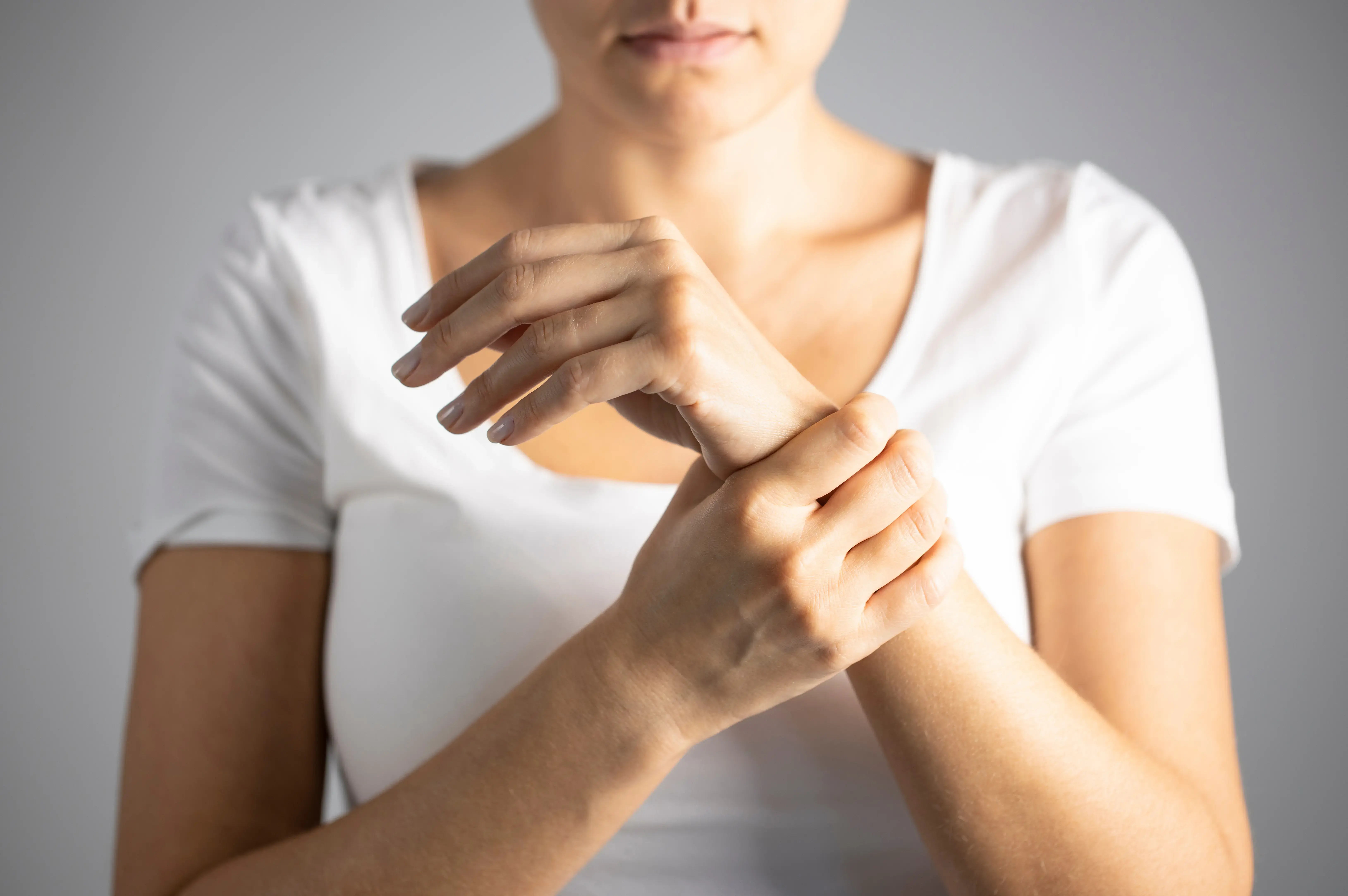
The anti-inflammatory effect of berberine could according to scientific studies be useful in chronic inflammatory processes. Especially in diseases such as arthritis or gout, positive effects are discussed.
A particular focus is on the effect of berberine in the digestive tract. The active ingredient:
In TCM, berberine is traditionally used for diarrhea, stomach pain, and digestive disorders used.
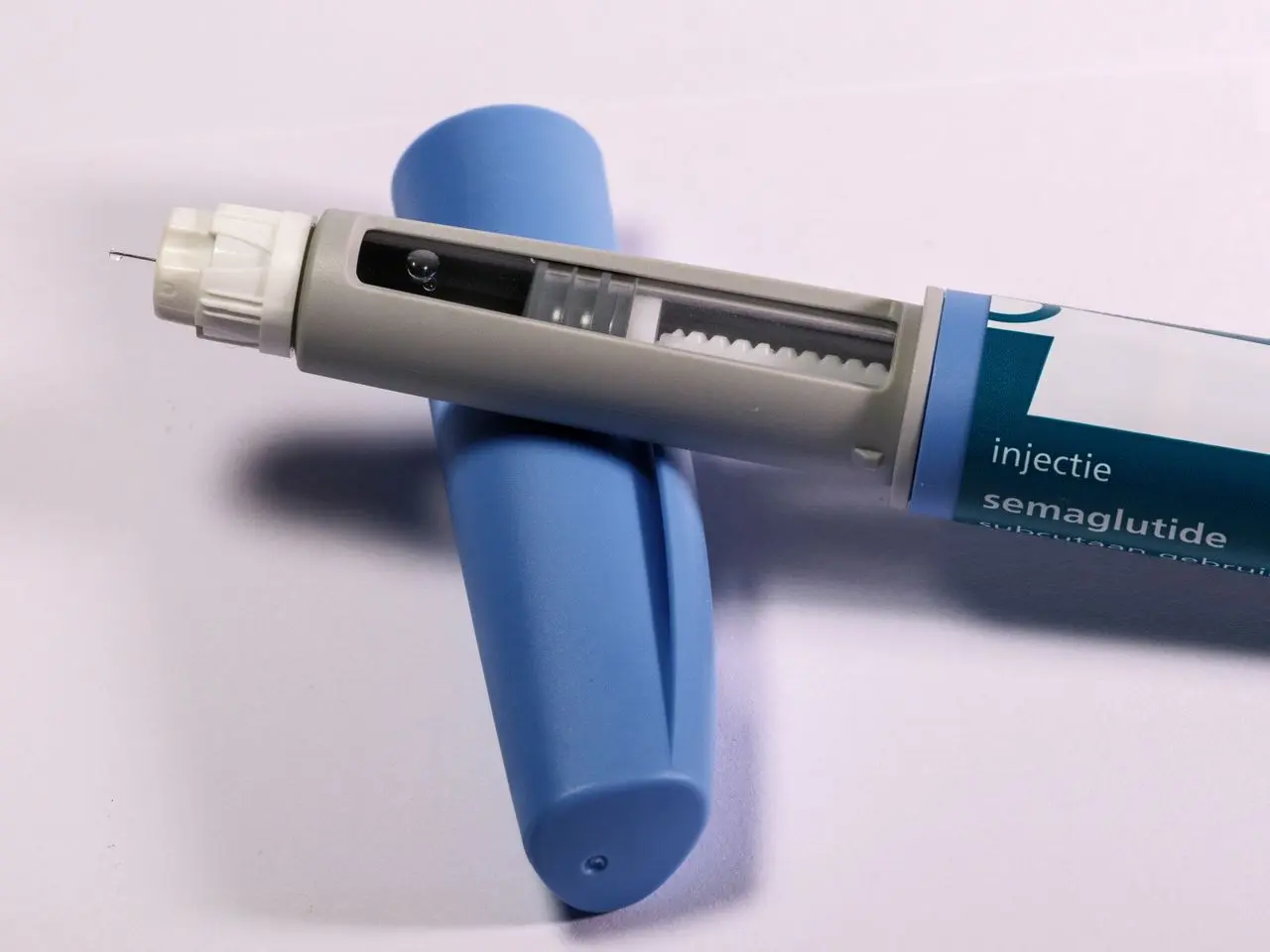
On social media platforms like TikTok, berberine is celebrated as a "natural Ozempic." It is said to curb appetite, inhibit fat storage, and accelerate weight loss. But what's the truth?
Science remains skeptical. The National Center for Complementary and Integrative Health (NCCIH) in the USA has clearly positioned itself in light of the social media hype: Although early studies suggest a possible role in weight management, there is a lack of conclusive clinical trials. The scientific evidence is not sufficient to classify berberine as an effective weight loss aid.
Conclusion: Berberine is not a miracle cure for weight loss. Those who want to lose weight sustainably cannot avoid a balanced diet and regular exercise.
This is critical: Berberine can cause significant interactions with medications. Since the active ingredient affects blood sugar, cholesterol, and blood pressure, dangerous combination effects can occur.
Interactions are particularly problematic with:
Simultaneous intake can lead to dangerously low blood sugar or blood pressure levels or impair the effectiveness of prescribed medications.
Berberine is absolutely contraindicated for:
Berberine is available as a dietary supplement in various forms:
Important: Dietary supplements are not tested like medicines. Quality and dosage can vary greatly. Be sure to follow the manufacturer's instructions and do not exceed the recommended daily dose.
Typical dosages in studies range from 900 to 1,500 mg daily, divided into multiple doses. However, individual medical advice is essential.
Even natural substances can cause side effects. For berberine, the following have been observed:
If side effects occur, stop taking it and consult a doctor.
Berberine is an interesting natural compound with promising properties that has been used in traditional medicine for centuries. Modern studies provide evidence of positive effects on blood sugar, cholesterol, and inflammation.
However, as a miracle cure – especially for weight loss – berberine is not suitable. The scientific evidence is limited, and the risks from interactions are often concealed on social media.
The most important rule: Anyone who wants to try berberine should discuss this openly with their treating physician and ensure high-quality preparations are used. Only in this way can the potential of the plant alkaloid be utilized without endangering health.
Berberine influences various metabolic processes in the body. Studies suggest that the plant compound can regulate blood sugar, affect cholesterol levels, and have anti-inflammatory effects. However, the scientific data is still limited.
Berberine is often promoted on social media as a natural weight loss remedy. While there are initial indications of possible effects on metabolism, reliable clinical studies are still lacking. Experts therefore do not see berberine as a proven weight loss agent.
Berberine can cause side effects and interactions with medications. People who take medications for diabetes, high blood pressure, or high cholesterol should seek medical advice before taking it.
The most common side effects include gastrointestinal issues such as diarrhea, bloating, constipation, or abdominal cramps. In rare cases, allergic reactions may also occur.
Pregnant and nursing women, children, and individuals with liver disease should avoid berberine. Caution is also advised when taking other medications.
There is currently limited scientific evidence for safe long-term use. Therefore, berberine should not be taken continuously without medical supervision.
Yes, berberine is available in Germany as a dietary supplement. However, unlike medicines, such products are not tested in the same way.
Many preparations are taken with meals, often divided into several servings per day. However, the manufacturer's instructions and medical recommendations are decisive.