Why consciously missing out is becoming the new luxury
In a world that constantly tells us we're missing out, a revolutionary counter-trend is emerging: JOMO – the Joy of Missing Out. What shapes lifestyle medicine as THE wellness trend in 2026 is more than just an acronym. It is a life philosophy that can fundamentally transform our mental health.
What is JOMO? The joy of conscious renunciation
JOMO stands for "Joy of Missing Out" – the joy of missing something. In direct contrast to the widespread FOMO (Fear of Missing Out), JOMO describes the conscious decision not to be part of everything. It's about letting go of the constant feeling that you have to be up to date, attend every party, or experience every social media trend.
The term was first coined in 2012 by the American blogger Anil Dash, but only now is JOMO making its breakthrough as a recognized concept of lifestyle medicine. What was long considered antisocial is now celebrated as healthy self-care.
The scientific basis: Why JOMO is good for our health
From a lifestyle medicine perspective, JOMO offers measurable benefits for our mental and physical health:
Stress reduction through digital abstinence: Studies show that constant connectivity increases cortisol levels. JOMO practitioners report an average 32 percent lower stress level when they consciously refrain from social media consumption.
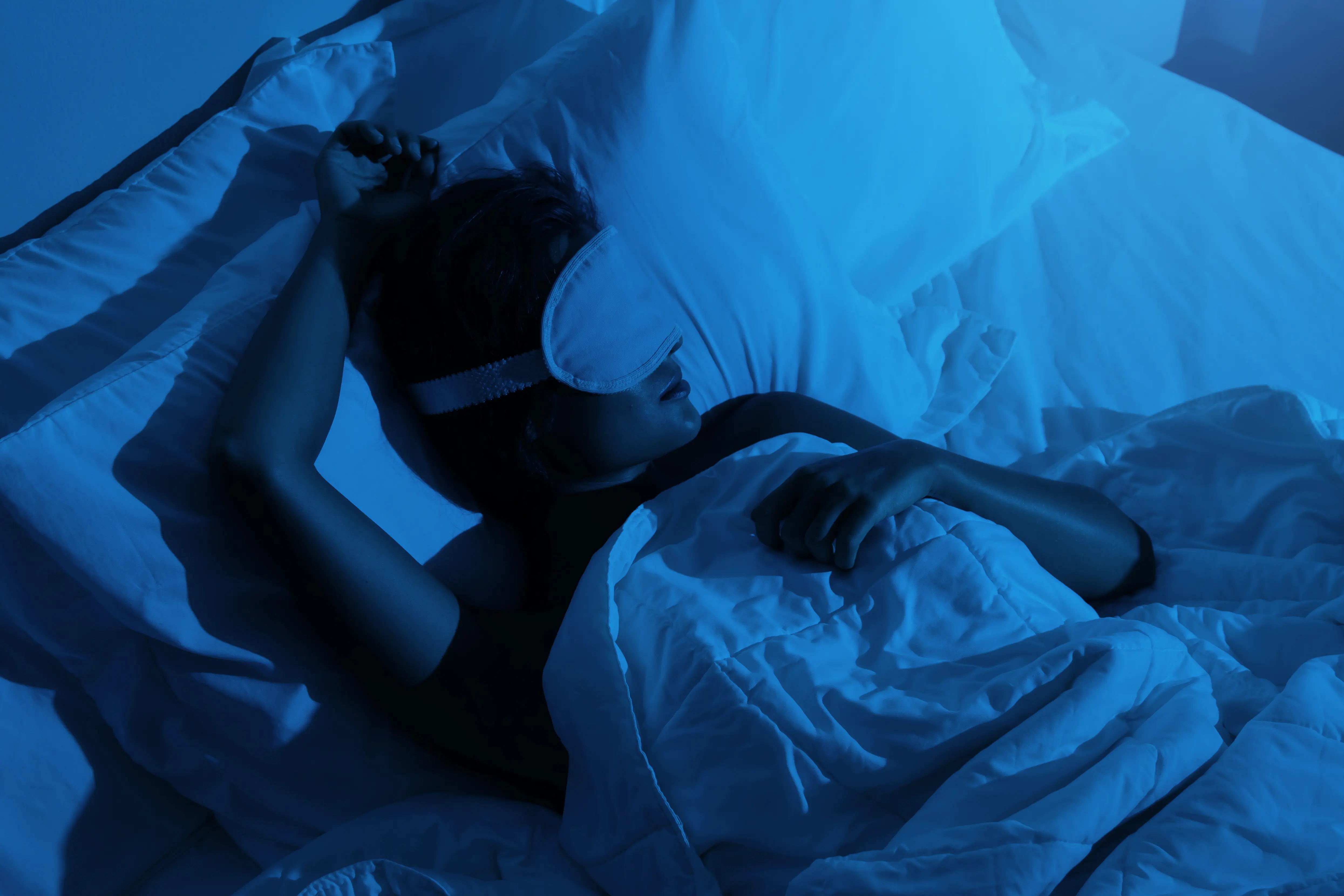
Improved Sleep: The blue light from screens and the mental stimulation from endless scrolling disrupt our sleep-wake cycle. People who practice JOMO and avoid digital media in the evenings sleep on average 45 minutes longer and report better sleep quality.
Increased Mindfulness: By consciously choosing against constant distraction, we train our ability to be present in the here and now. This form of mindfulness has been shown to have positive effects on anxiety disorders and depression.
Stronger Social Bonds: Paradoxically, consciously missing out on virtual interactions leads to deeper, more meaningful real-life relationships. Quality over quantity becomes the guiding principle.
JOMO in Practice: How to integrate the joy of missing out into your daily life
Start small: Define screen-free times, such as during meals or the first hour after waking up. Turn off push notifications and check social media only at set times.
JOMO means being selective. Not every invitation deserves your energy. Ask yourself: Do I really want to participate, or am I just afraid of missing out? Learn to say no without guilt.
3. Developing JOMO Rituals
Create positive rituals for your "me-time": meditation, a long walk without a smartphone, reading analog books, mindful cooking. These activities become your personal luxury time.
4. Curate Social Media Consciously
When using social media, do so consciously. Unfollow accounts that trigger negative feelings or comparison urges. Follow content that inspires you, not frustrates you.
JOMO vs. FOMO: The Paradigmatic Shift
The shift from FOMO to JOMO marks a societal turning point. While FOMO is driven by scarcity and fear – the fear of not experiencing enough, not belonging, missing out on something important – JOMO arises from a sense of abundance and self-determination.
FOMO asks: "What am I missing out on?" JOMO responds: "What do I gain by staying here?"
This shift in perspective is fundamental to our mental health. It transforms passive consumption behavior into active life design.
2026 is not coincidentally the year of JOMO. After years of pandemic-induced isolation followed by a phase of overcompensation and hyperactivity, people long for balance. Gen Z, often referred to as the "always online" generation, paradoxically leads the JOMO movement—exhausted by the digital overstimulation of their youth.
Additionally, awareness of mental health is steadily growing. Burnout, anxiety disorders, and digital exhaustion are no longer taboo topics but are recognized as real medical challenges. JOMO offers a practical, self-determined approach to prevention.
JOMO in different areas of life
Professional JOMO
The working world is discovering JOMO as a factor of productivity. "Deep Work" phases without email checking, meeting-free days, and consciously avoiding unnecessary conferences not only increase satisfaction but also performance.
Social JOMO
Nurturing friendships doesn’t mean being present at every opportunity. JOMO allows us to prioritize relationships and invest in fewer, but more intense encounters.
Digital JOMO
The mindful use of technology may be the most important aspect. From app limits to grayscale mode to completely avoiding certain platforms, digital JOMO gives us back control.
The challenges: Why JOMO is not always easy
Despite all the benefits, JOMO is an exercise that requires perseverance. We are social beings with a deeply ingrained need for belonging. FOMO is an evolutionarily sensible emotion – exclusion from the group used to mean life-threatening danger.
In our hyper-connected world, however, this instinct is overstimulated. The challenge is to distinguish between genuine social needs and artificially created pressure.
JOMO and lifestyle medicine: A holistic approach
In lifestyle medicine, we view health holistically. JOMO is not an isolated technique but part of a comprehensive approach that includes nutrition, exercise, sleep, stress management, and social connections.
JOMO supports all pillars of lifestyle medicine: It creates time for healthy meals, promotes exercise over screen time, improves sleep, reduces stress, and deepens genuine social connections.
Would you like to try JOMO? Start with this 7-day challenge:
Day 1-2: Identify your FOMO triggers. When do you feel the most pressure to keep up?
Day 3-4: Choose an activity or platform to consciously skip. Observe your feelings.
Day 5-6: Use the gained time for a mindful activity that brings you joy.
Day 7: Reflect. How did it feel to abstain? What did you gain?
The future is JOMO: Outlook for 2026 and beyond
By 2026, JOMO will shift from a niche trend to a mainstream phenomenon. We will see JOMO-friendly workspaces, hotels with guaranteed Wi-Fi-free areas, and societal acceptance of conscious offline living.
Technology companies are already responding: Apps that help us spend less time in apps are becoming popular. It may sound paradoxical, but it shows the cultural shift.
Conclusion: JOMO as an act of self-love
JOMO is more than a trend – it is a necessary counter-movement to a culture of constant availability and perpetual comparison. In lifestyle medicine, we recognize JOMO as an effective tool for promoting mental and physical health.
The joy of missing out is ultimately the joy of conscious living. It is the realization that true well-being lies not in the number of our experiences, but in the quality of our attention to what we experience.
2026 is the year in which we collectively learn that less is often more, that silence can be more valuable than noise, and that the best party is sometimes the one we don't attend – because we are exactly where we want to be: with ourselves.