© Adobe Stock
Laser technology has established itself in recent years as one of the most effective and versatile methods in aesthetic dermatology.
March 3, 2025
Judith Cyriax
At the IMCAS Congress, the world's latest trends and developments are presented every year. We explain the 7 most effective ones: From exosome therapy to collagen banking.
Every year, the crème de la crème of aesthetic medicine meets in Paris. For three days during the IMCAS World Congress, the world's largest conference for Plastic Surgery and Dermatology, everything revolves around the status quo – but also the developments in the field of aesthetics and anti-aging.
In addition to practical workshops and live demonstrations as well as expert lectures on new trends and the advancements of established treatments, the technologies and treatments in the fields of minimally invasive surgery and energy-based devices are also the focus of the scientific program.
The congress thus offers an exclusive platform for knowledge exchange in dermatology and plastic surgery as well as aesthetic treatment methods.
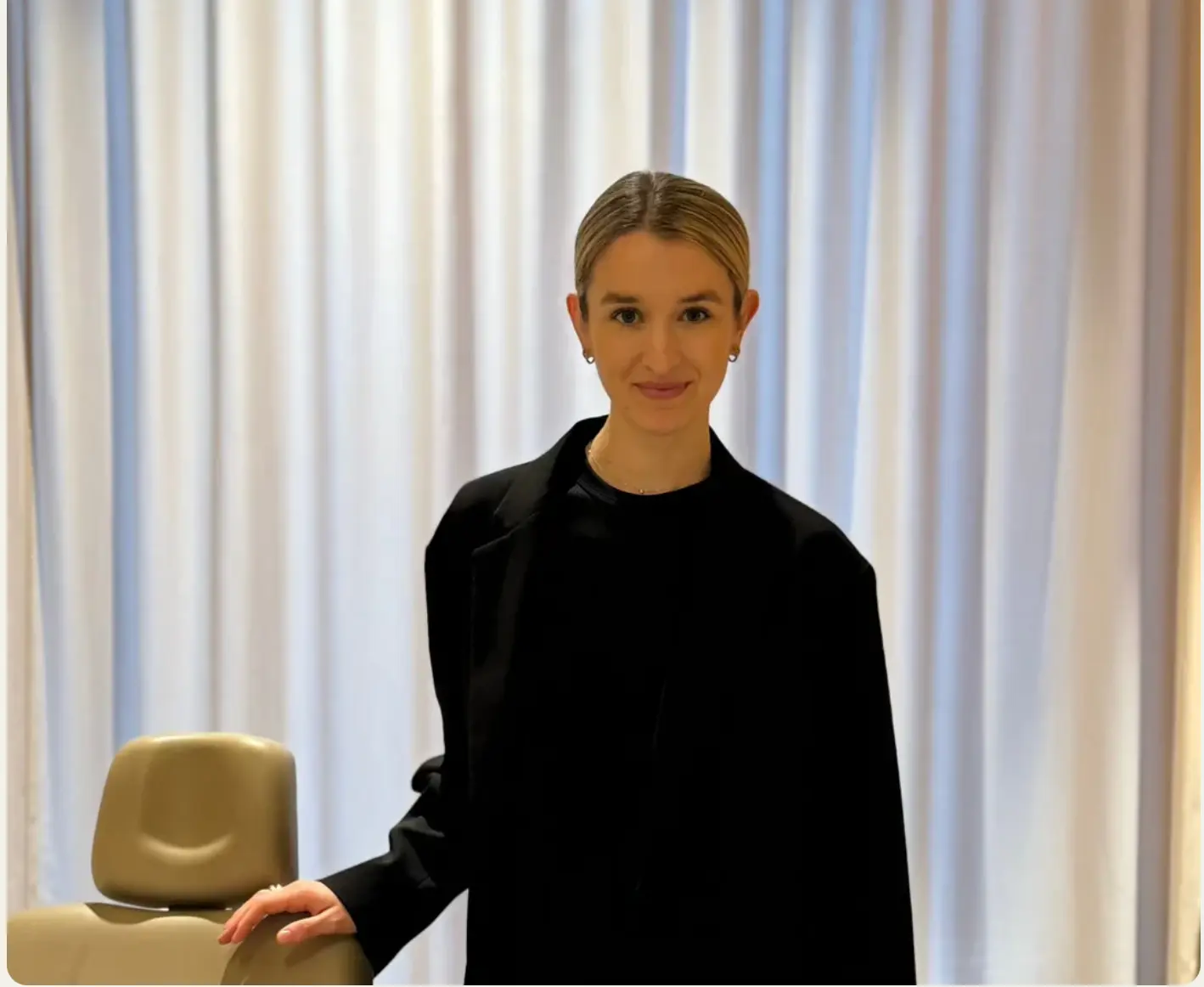
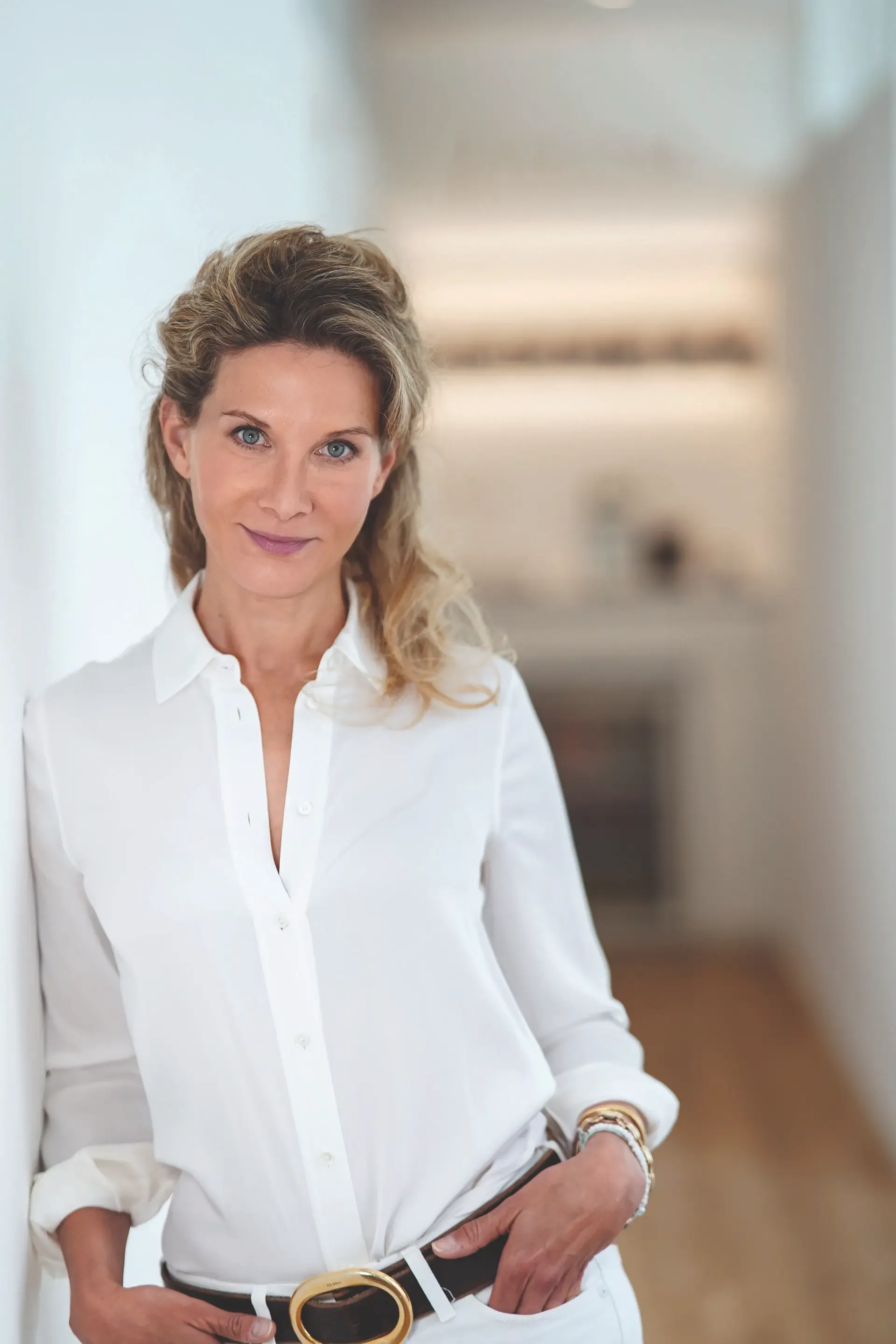
PD Dr. Anne Gürtler , a specialist in dermatology at LVATE in Munich, was on site and spoke with PREMIUM QUARTERLY about the most exciting trends and developments.
Exosomes are endogenous messenger substances that serve cell communication. They transport, for example, bioactive molecules such as proteins, lipids, or nucleic acids, which are stores of genetic information important for the coordination of cellular processes and the regulation of physiological functions in the body.
Exosomes play important roles in the skin as well, especially when it comes to maintaining skin health and function. They are said to promote skin regeneration, stimulate collagen and elastin production, and exhibit anti-inflammatory effects.
Initial preclinical studies suggest that exosomes could have positive effects on tissue regeneration. However, Dr. Anne Gürtler cautions that the research is still in its early stages and clinical evidence is currently very limited.
"High-quality, randomized, controlled studies in humans are largely lacking, and many of the studies published so far are based on small samples or animal models. Without robust scientific data, it remains unclear how effective and safe exosomes really are, especially compared to established methods like biostimulators or skin boosters."
According to Dr. Gürtler, it remains questionable whether exosomes are a genuine innovation or just a short-term trend.
© Lvate
Dr. Anne Gürtler, dermatologist at LVATE in Munich,
It's a completely different story with polynucleotides (PNs), which are currently causing a stir on social media as the "salmon sperm treatment." "Unlike exosomes, polynucleotides are approved in Europe as a medical product and are well-researched clinically, whereas there exist few controlled human studies on exosomes," the doctor notes.
But what is special about these skin saviors? PNs are macromolecules made up of many linked nucleotides, the chemical collective term for DNA and RNA. In aesthetic medicine, they are mainly derived from fish sperm, as it has high biological compatibility, which in turn minimizes allergic reactions and rarely leads to rejection reactions.
Dr. Gürtler: "PNs are used for their particularly skin-regenerating properties, they bind moisture, can stimulate collagen synthesis, and help reduce inflammation." Additionally, they act as antioxidants, protecting the skin and especially the cells from harmful environmental influences and oxidative stress.
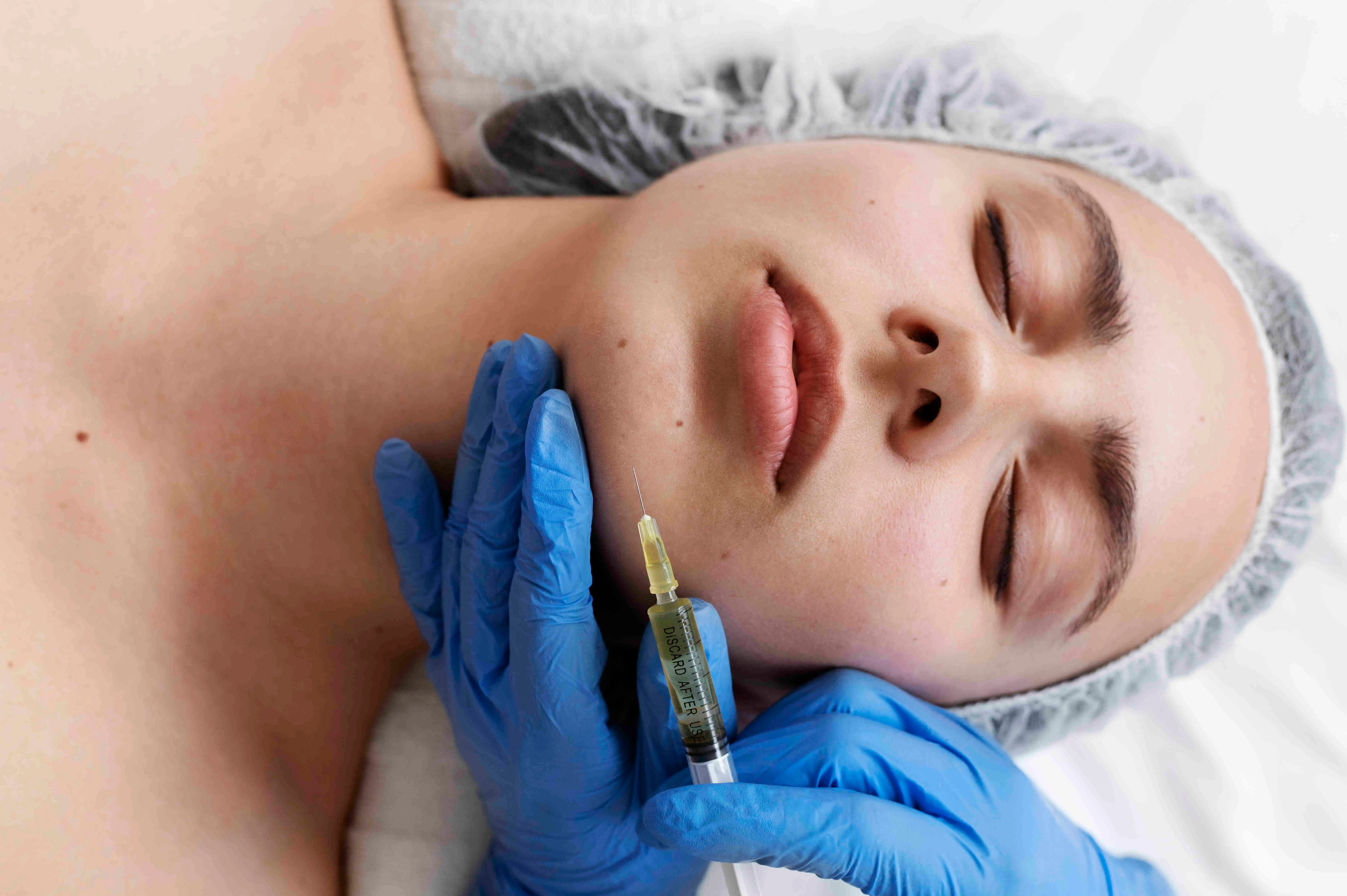
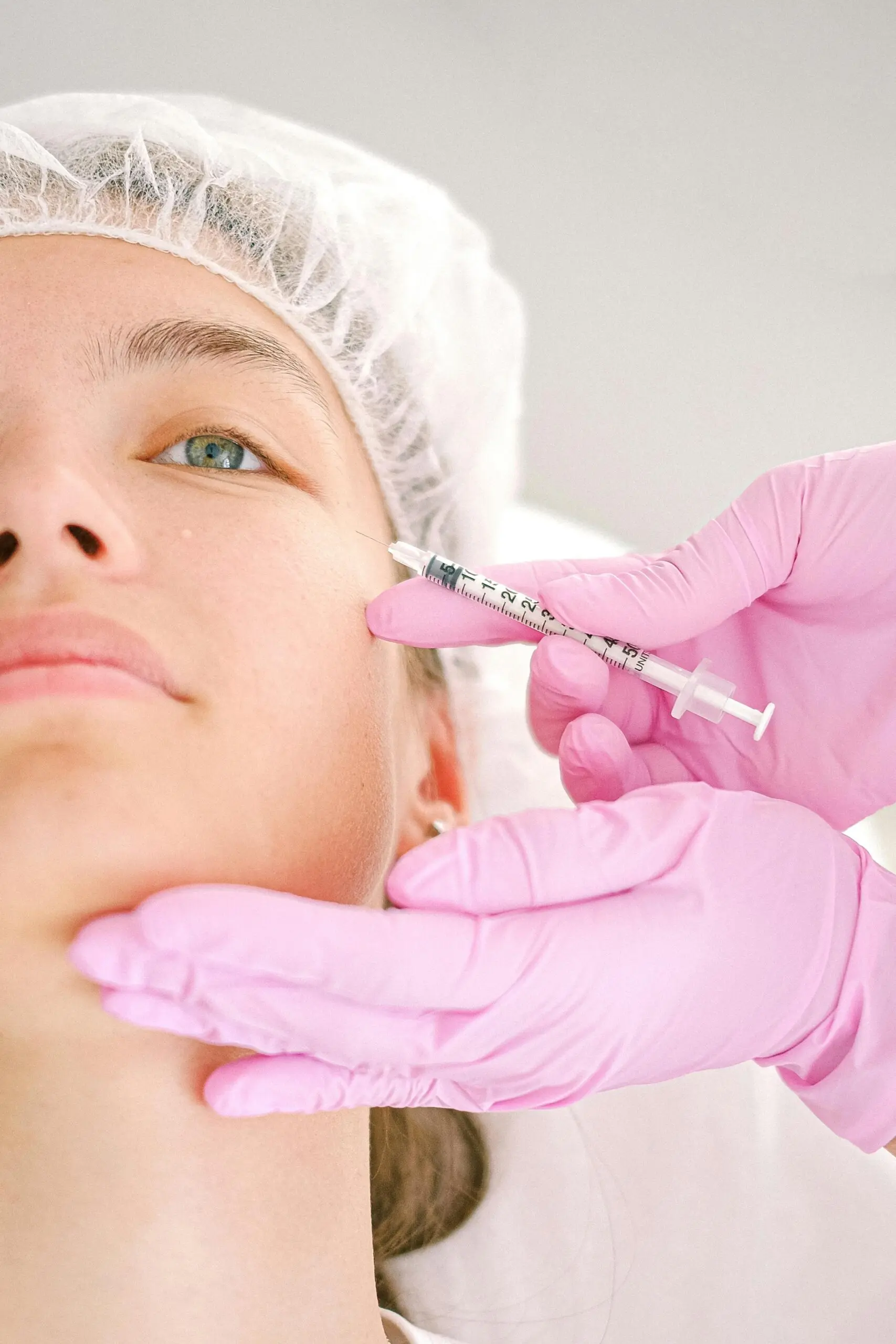
Another important trend is the optimization of a fresh, healthy, and youthful complexion. Specifically, an improvement of the skin's structure, quality, and hydration from the inside out. Fillers have long been considered the preferred method here, but now so-called skinboosters and biostimulators are increasingly coming into focus.
These help to slow down signs of skin aging by, for example, restoring lost hyaluronic acid, collagen, and elastin to the skin. Various ingredients can be used here.
“Skinboosters usually consist of lightly cross-linked or non-cross-linked hyaluronic acid and are injected to bind moisture, improve elasticity, and revitalize the skin’s structure,” explains the dermatologist.
Unlike classic fillers, they do not serve to build volume but specifically promote skin quality by stimulating collagen production and hydrating the skin. Biostimulators such as poly-L-lactic acid, on the other hand, improve the skin's structure and tissue firmness in the long term.
“Particularly in the treatment of sagging tissue in the midface, biostimulators are a popular choice as they activate the body's own regeneration processes and sustainably improve the skin's appearance.”
Naturally remain Filler still a staple in aesthetic medicine, especially when it comes to lip injections, correcting deep wrinkles, or contouring the so-called jawline. What is now carefully considered in filler treatments: excessive volume is no longer desired, rather the harmonization of the face is the priority.
Dr. Gürtler: “This year's IMCAS congress in Paris clearly highlighted this change. For example, there was a live session on lips, emphasizing that lips only look natural as long as they retain their natural creases. If too much volume is injected, these often disappear and the result looks immediately unnatural.”
The term Collagen Banking refers to an effective anti-aging method, where the process of storing natural collagen in one’s own skin and strengthening the existing collagen begins early. This is important because unfortunately, collagen production steadily declines from the age of 25.
But why do you actually need it? Collagen is a main component of connective tissue, which is found in all areas of the body and fulfills numerous functions, such as providing elasticity and firmness to the skin. In addition to supplements and skincare products, which can positively influence one’s own collagen production thanks to innovative active ingredients, there are also effective treatments available from specialists.
Particularly effective here is the Thermage treatment: With radio frequency waves the layers of skin are gently warmed, causing the heated collagen fibers to contract and stimulating new collagen production. The result? A firm, wrinkle-reduced skin appearance that lasts for about two years.
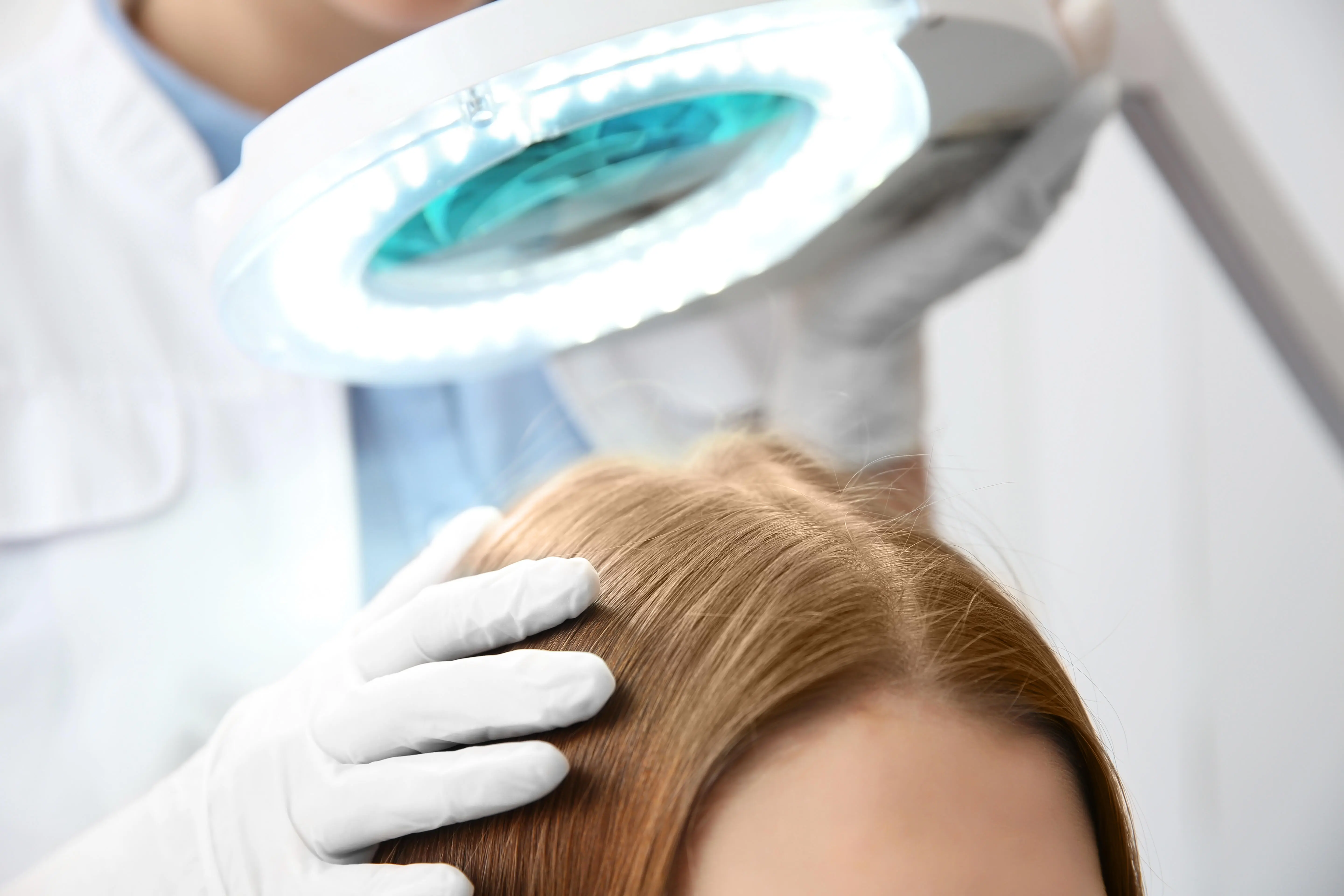
More and more, the most modern skin analysis devices are being used in dermatology for diagnosis. “Depending on the device, they provide precise information about moisture content, pore size, pigmentation, wrinkle formation, vascular structures, and skin texture, allowing for an individually tailored treatment and care recommendation,” explains Dr. Gürtler.
At LVATE, for example, the established OBSERV skin analysis system is used. The special feature of this device is that it works with various light modes such as daylight, cross-polarized, and parallel-polarized light, as well as UV light, to detect visible and especially invisible skin changes.
“This allows early signs of skin aging, UV damage, or inflammatory processes to be detected, which are often not visible to the naked eye.” This objective, reproducible diagnostics not only allows doctors and cosmeticians a more accurate assessment, but also benefits the patient with the transparent documentation of their skin condition.
“This facilitates the selection of optimal treatments—whether for preventive measures, personalized skincare, or targeted aesthetic interventions.”
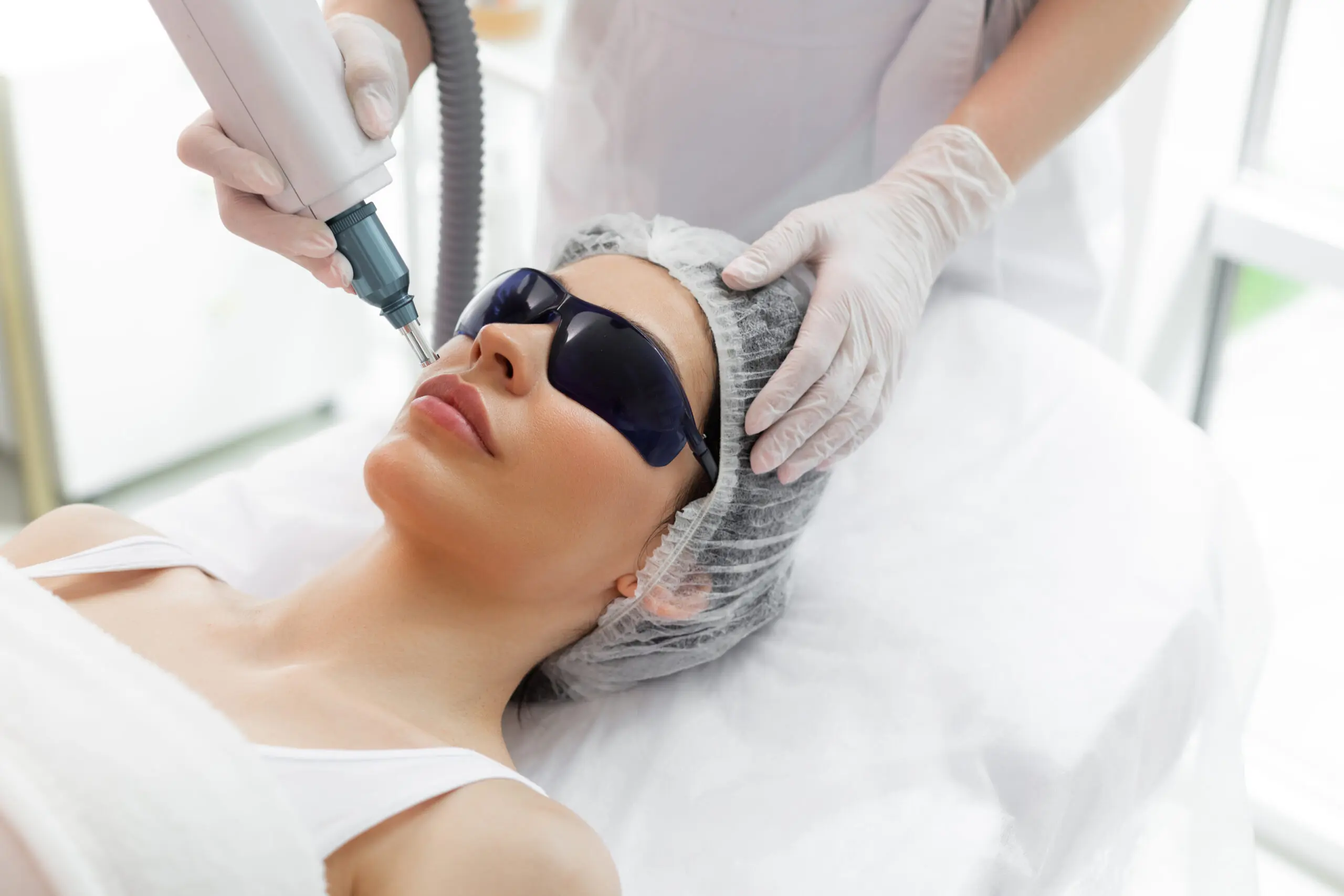
The Laser technology has established itself in recent years as one of the most effective and versatile methods in aesthetic dermatology, and at this year's IMCAS it was one of the main topics. Dr. Gürtler: 'Lasers enable precise, minimally invasive treatments that can be used particularly for treating specific skin problems. Especially in the areas of vascular treatment, pigment correction, and skin texture improvement.'
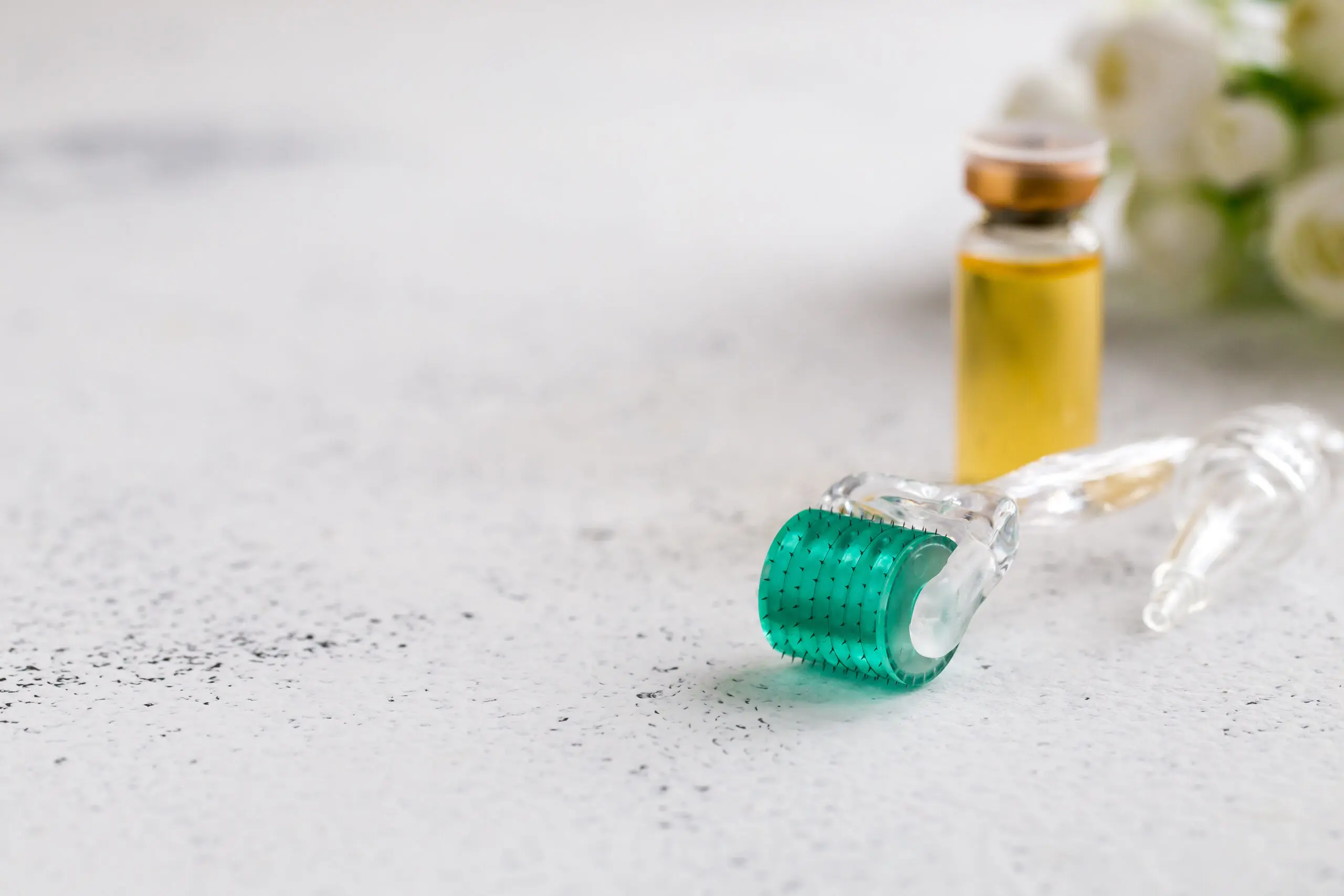
But lasers are also particularly suitable as active ingredient boosters. The laser treatment creates tiny injuries on the skin's surface, allowing subsequently introduced active ingredients to penetrate the skin even better and work more effectively. In general, the focus for effective anti-aging treatments is increasingly on the combination of individual procedures, depending on the initial situation and the desired result.
Particularly effective here, for example, are the combinations of microneedling and radiofrequency, microneedling with autologous blood therapy, or a Botox treatment that is combined with skin boosters.

© Anna Shvets
For a long time, fillers were considered the preferred method here, but now so-called skin boosters and biostimulators are increasingly coming into focus.