Stress Is Not the Real Problem: What Actually Takes a Toll on Our Hearts
Deadline pressure, constant availability, little time to recover: stress is often unavoidable in everyday life. But when does it actually become a risk to the heart? Cardiologist Prof. Dr. Uwe Nixdorff explains why recovery is crucial — and how chronic stress can even be measured.
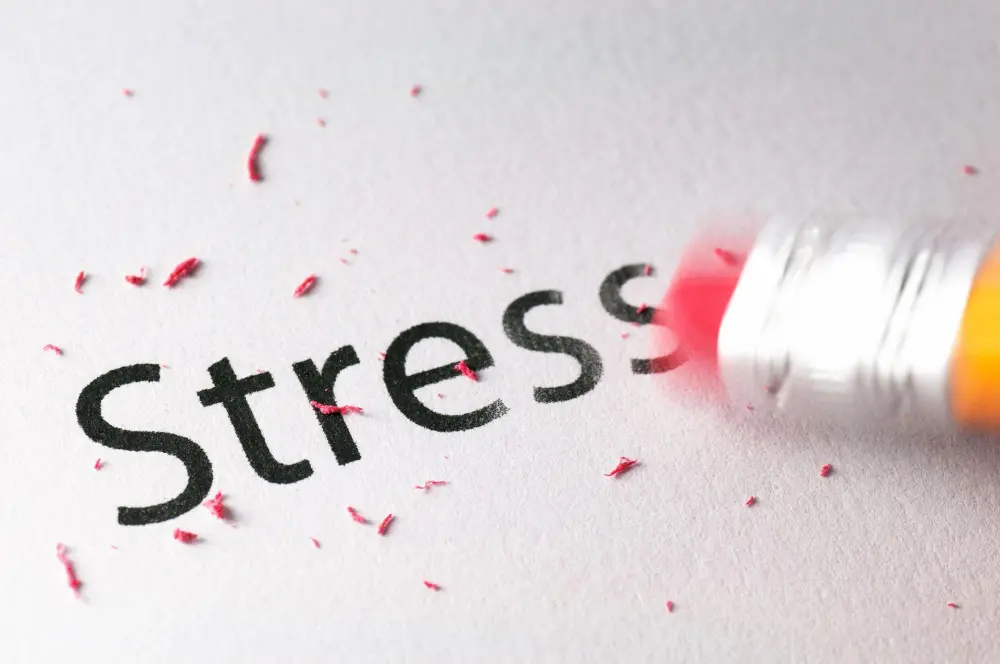
Stress is not inherently harmful. It becomes a problem above all when strain turns into a permanent state and there is no opportunity to recover in between. Cardiologist and internist Prof. Dr. Uwe Nixdorff concerns himself not only with the effects of stress on the heart and blood vessels, but also with how to counteract them. To that end, he has developed his own approach: the VARESE concept, which combines six areas — from behavior and mindfulness to nutrition and exercise, through to dietary supplements.
When Stress Becomes a Problem
Professor Nixdorff, two thirds of people in Germany say they feel stressed. What is stress from a medical perspective?
Almost everyone experiences stress, and almost everyone knows what it feels like. For some people it is only temporary — and we can distinguish between eustress and distress. It becomes problematic when there is an overwhelming sense of exhaustion. We all feel exhausted from time to time. What matters is that word "overwhelming" — the feeling that you are no longer in control of your own life.
On top of that comes a progressive loss of emotional — and later cognitive — resources. At some point, some people no longer really know what they want or what is happening to them. They lose touch with themselves, so to speak. This can be accompanied by a sense of ineffectiveness and a diminishing feeling of self-worth. A sense of meaning fades, and self-efficacy is lost. In more severe cases, this can lead to a depression and ultimately to burnout syndrome.
What happens in the body during this process?
The central organ initially is the brain. Within it, various structures are interconnected — including frontotemporal regions, as well as the hippocampus and hypothalamus. Hormonal processes come into play via the hypothalamus. Among other things, stress hormones such as adrenaline and noradrenaline are produced in the adrenal glands.
These processes in the brain trigger cognitive and emotional responses. Anyone who has ever been under serious stress will recognize this: clear thinking becomes harder, concentration drops, and emotional responses change too — sometimes to the point of cynicism or hostility.
Then the physiological responses set in: the heart beats faster and blood pressure rises. In addition, inflammatory markers increase, which can in turn have harmful effects on arterial walls. This is the bridge to my area of expertise: chronic stress can lead to more heart attacks.
Why does stress seem to have become a permanent state for so many people today?
One key factor is work intensification. We face considerable work-related pressure — multitasking, time constraints, and in extreme cases bullying as well. Another issue is constant availability and the resulting inability to switch off and recover.
We simply don't have enough time to truly recover anymore. You sit at the computer, hundreds of emails pour in, the phone rings, someone knocks at the door, and a WhatsApp message arrives all at the same time. We are permanently active across multiple channels.
Of course, people in the past also experienced stress. When a saber-toothed tiger appeared in the Stone Age, you had seconds to decide: flee or fight. Either option required a high level of physical activation.
Today we no longer face that tiger. Instead, we deal with a more or less continuous stream of challenges. And the crucial point is that there are no longer adequate recovery phases to follow.
Why do some people cope with this kind of pressure better than others?
Genetic predisposition plays a role here as well. One example is the enzyme COMT — catechol-O-methyltransferase — which breaks down neurotransmitters such as dopamine and adrenaline. Due to genetic variants, individuals differ in how efficiently this process occurs.
In some people, these neurotransmitters are broken down more quickly, giving them greater resilience. In others the process is slower, and they experience correspondingly higher levels of stress.
A certain level of stress can actually be beneficial. When I give a presentation, for example, a little stress is no bad thing — it makes you sharper and more focused. But we all know people in our circles who can weather a storm and remain steady, and others who are strongly affected by far smaller pressures. The range is very wide.
So stress isn't automatically negative. What distinguishes eustress from distress?
Acute stress initially serves a purpose. What matters, however, is what happens next: the challenge passes, we can recover, and we replenish our reserves.
Chronic stress is different. Here, stressors follow one another in rapid succession, with insufficient recovery time in between. That is precisely what distress is.
Also worth noting in this context is cortisol. During a strong acute stress response, cortisol rises sharply. In burnout or chronic stress, however, the opposite can occur: cortisol production may be downregulated. That is why we look at the cortisol daily profile.
What Chronic Stress Does to the Heart and Blood Vessels
What health consequences can chronic stress have?
I would say, somewhat bluntly: virtually all diseases. This is also connected to findings from psychoneuroimmunology. Stress influences inflammatory processes in the body — among other things, interleukins, tumor necrosis factor alpha, and CRP are upregulated. These are inflammatory markers, and their effects ultimately reach every organ.
As a cardiologist, cardiovascular diseases are naturally of particular concern to me. Meta-analyses and large clinical studies show that a stressed person has an approximately 25 percent higher incidence of heart attacks.
What additional physical changes are involved?
Stress has many metabolic consequences. People who are chronically stressed tend, for example, to be more prone to obesity — and not only because they eat more under stress. Leptin resistance and insulin resistance can also play a role, and glucose tolerance deteriorates.
On top of this, there is an increased tendency for blood to clot. If changes to blood vessels and plaques are already present, and stress then adds a heightened clotting tendency, a clot can form more easily — potentially resulting in a heart attack or stroke.
How Stress Can Be Measured Medically
You offer stress medicine at your Prevention Center. What does that involve?
We begin with diagnostics using a comprehensive stress test made up of three components. The first is heart rate variability. This involves examining the intervals between individual heartbeats, which are not always exactly the same length — they are modulated.
When I am relaxed, this variability can be quite pronounced. In a highly stressed person, it may be significantly reduced: the sympathetic nervous system dominates, while the moderating influence of the parasympathetic nervous system is absent. Heart rate variability can therefore be used to monitor stress and, through biofeedback, to track whether things are improving.
The second component is biochemistry. Here we examine neurotransmitters such as adrenaline and serotonin, as well as cortisol. We measure cortisol via a daily saliva profile, because a single cortisol reading from a blood test is just a snapshot. What interests us is how the profile looks across the course of the day. Patients can collect the samples themselves at home.
The third component consists of scientifically validated questionnaires — extensive sets of questions that capture various aspects of stress load. Naturally, this requires the questions to be answered honestly.
When these three components — heart rate variability, biochemistry, and questionnaires — are brought together, you get a very comprehensive picture of an individual's stress load. From this, we can also identify where therapeutic intervention is most appropriate.
The VARESE Concept: How Prof. Nixdorff Counteracts Chronic Stress
For treatment, you rely on the VARESE concept. What is behind it?
VARESE is an acronym: V stands for Verhalten (behavior), A for Achtsamkeit (mindfulness), R for Relaxation, E for Ernährung (nutrition), S for Sport (exercise), and the final E for Ergänzung (supplementation).
Behavior is primarily about how I respond to stressful situations. I don't have to react to every problem by flying off the handle. You can try to approach difficulties more calmly, develop greater composure, and allow yourself the occasional pause in daily life.
The second element is mindfulness. This includes, for example, MBSR — Mindfulness-Based Stress Reduction. Breathing exercises also have a role here. A simple one is abdominal breathing: breathe slowly and deeply, exhaling for longer than you inhale, and let your thoughts drift away as you do.
R stands for relaxation. There are various options here, such as yoga, Pilates, or progressive muscle relaxation according to Jacobson.
Nutrition, exercise, and supplementation are also part of VARESE. What is particularly important to you in these areas?
On nutrition, the key is above all a low-carb approach. Under stress, many people tend to reach for chocolate or other sugar-rich foods. When inflammatory processes are already being driven up by stress, that is — to use a visual analogy — like throwing dry wood onto a fire.
Then there is exercise. The highly stressed executive often stops exercising altogether because they are completely drained by the evening. They collapse on the couch, maybe have a beer, and watch Netflix. Yet exercise is extremely important.
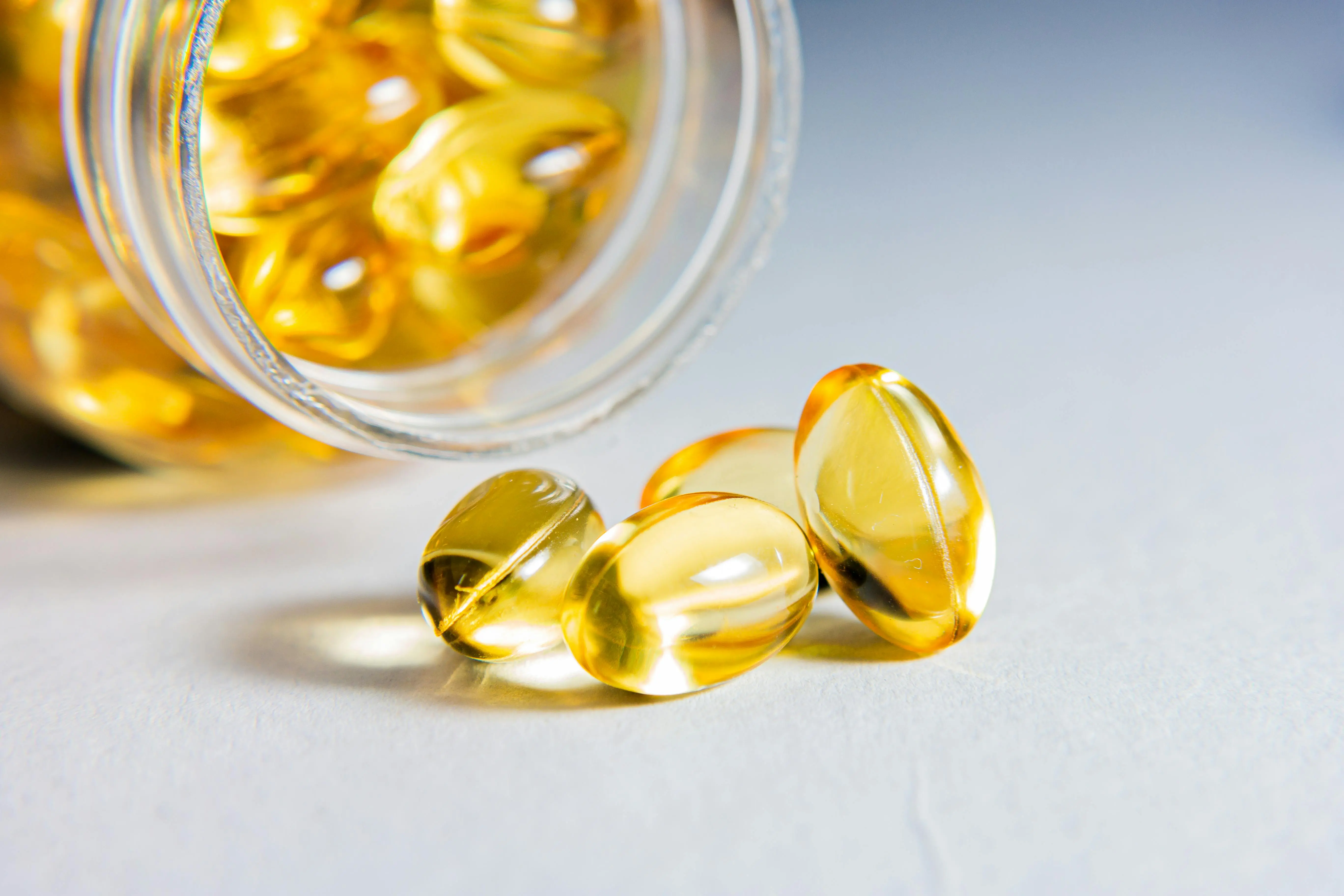
The final E stands for supplementation. First, you need to establish whether any deficiencies actually exist. What I frequently see in highly stressed individuals is a serotonin deficiency.
I have had very good experiences with 5-hydroxytryptophan — or 5-HTP for short — as a supplement. It is a precursor to serotonin, which itself does not cross the blood-brain barrier. 5-HTP can also help improve sleep.
Vitamin D is another consideration. I pay attention to maintaining good levels and confirm this through laboratory testing. I would also highlight omega-3 fatty acids as a supplement. Beyond these, there are of course many other substances for which the evidence is less robust.
Why Relationships Also Matter for Our Health
Finally: how can we protect ourselves from stress and its negative consequences?
I would say: take a moment to reflect and try to find some inner peace. It may sound lofty, but also try to be a good person.
For me, this is very much about trust, love, and relationships. When a child is given a sense of basic trust, that is an important foundation for building resilience later in life. Our genetic makeup naturally plays a role as well. But if someone is strongly shaped by fear, mistrust, cynicism, or isolation, that too can affect their health.
Trusting relationships are therefore very important — and that includes being able to show vulnerability, allowing closeness, and experiencing intimacy.
And if coaching is appropriate, it should not focus exclusively on the current stress situation. It is not always simply the supposedly "difficult boss" who is the source of the stress. A good coach looks at the whole person and, where necessary, goes back to childhood — because that is where things can lie that shape how we cope with pressure today.