© Tal Molcho
August 10, 2026
Marianne Waldenfels
Turmeric and its active compound curcumin are widely regarded as natural anti-inflammatories. But questionable early research, poor bioavailability, and potential risks from high-dose supplements tell a more complicated story.
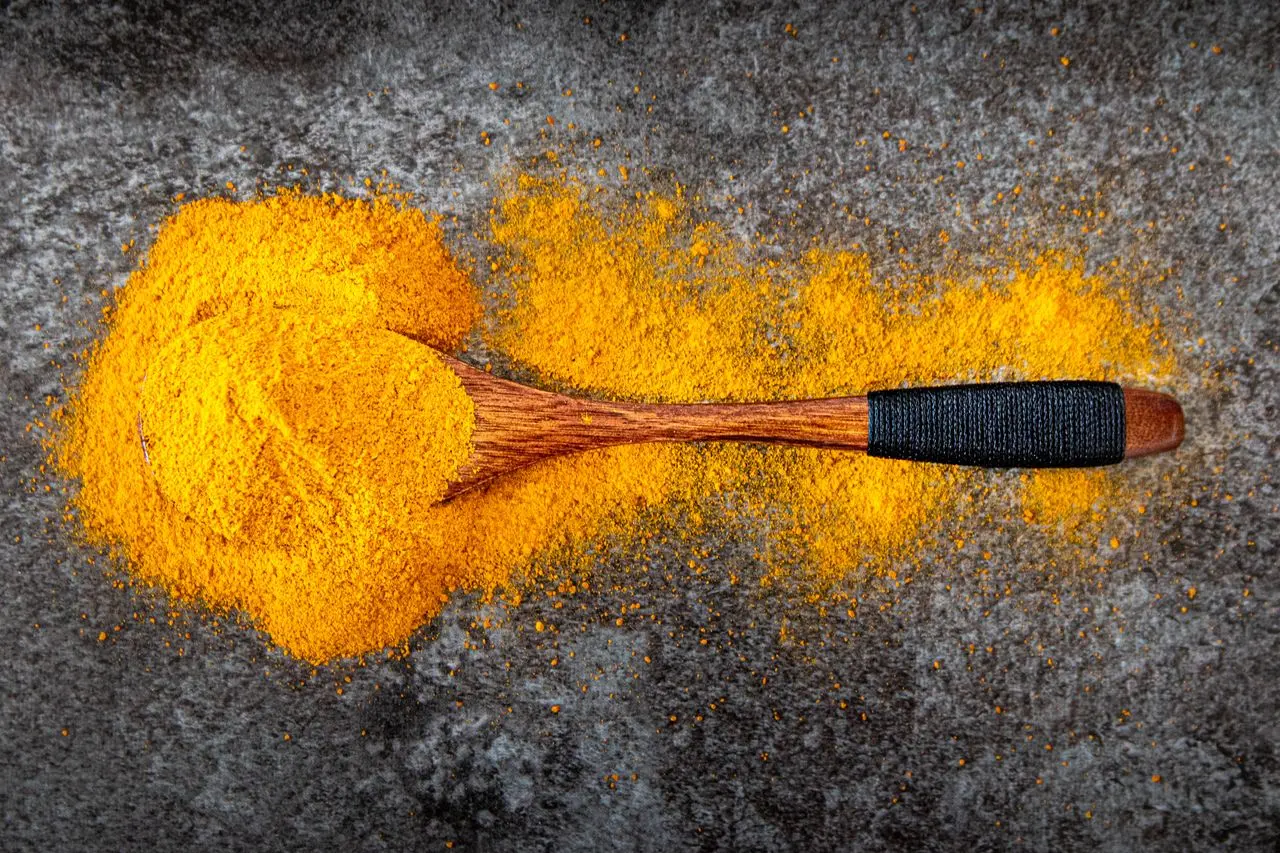
Golden milk, turmeric shots, high-dose capsules: few spices have had quite the health makeover turmeric has enjoyed in recent years. Its active compound curcumin is said to reduce inflammation, ease joint pain, and even help protect against serious diseases. On social media, it is celebrated as a health booster, while the market for curcumin supplements continues to grow.
But the science behind the hype is beginning to show cracks. Some of the early research that helped put curcumin on the map is now under scrutiny over questionable data. There is another fundamental problem: the human body absorbs very little curcumin. And attempts to overcome this with higher doses and more bioavailable formulations may come with risks of their own.
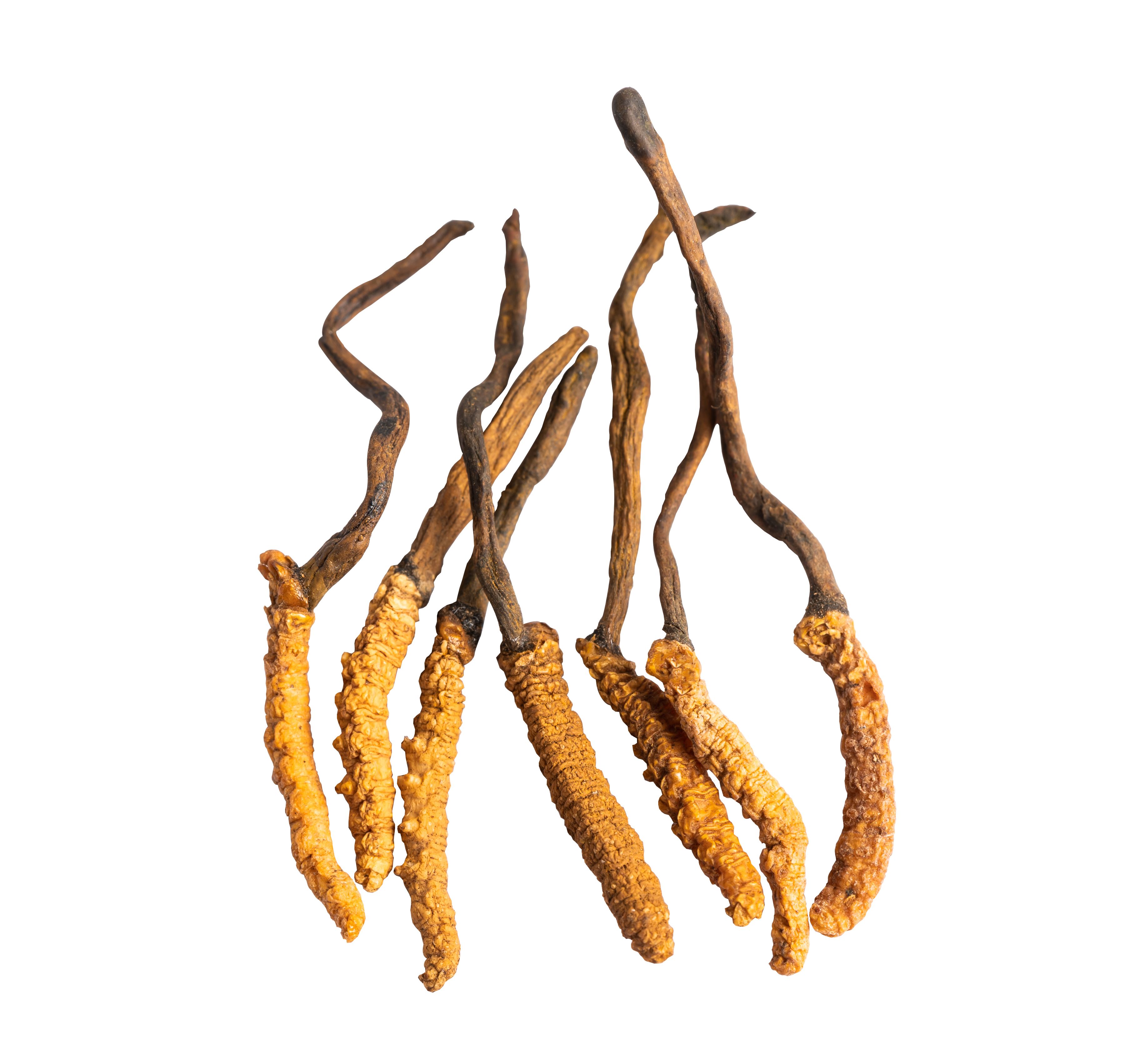
Turmeric has been used in South Asia for centuries as a spice and, traditionally, for medicinal purposes as well. In the West, the plant became a "superfood" over the past two decades – from golden milk to high-dose curcumin capsules.
One of the researchers who did most to fuel the scientific curcumin boom was biochemist Bharat Aggarwal, then at the MD Anderson Cancer Center at the University of Texas. From the early 2000s, his research group published numerous studies attributing anti-inflammatory and anti-cancer properties to curcumin.
Those publications shaped the direction of subsequent research. Scientist Reese Richardson of Northwestern University later documented that the US National Institutes of Health invested more than $150 million in curcumin research up to 2020 – a substantial share of it in the years following Aggarwal's early publications.
A large question mark now hangs over a portion of that early research. In 2012, the Office of Research Integrity of the US Department of Health and Human Services notified the MD Anderson Cancer Center that image data in a number of Aggarwal's publications may have been manipulated.
An internal investigation followed, and Aggarwal left the institution. At least 30 of his have since been retracted, with issues cited including duplicated or composite Western blot images.
Robotic assistance promises greater precision in knee replacement surgery – and potentially a faster recovery. But do patients really get back on their feet sooner? Orthopedic surgeon PD Dr. Daniel P. Berthold explains what the evidence shows.
Christine Bürg & Marianne Waldenfels

An interview with
PD Dr. med. Daniel P. Berthold
This does not mean that all curcumin research has been discredited. Not every study on the compound originated with Aggarwal, and not every one of his retracted papers was about curcumin. That said, his publications had considerable influence on the field and continue to be cited to this day. That makes it all the more important to ask what the clinical evidence from human studies, independent of his work, actually shows.
Here the compound runs into yet another obstacle. Curcumin dissolves poorly in water, is chemically unstable, and is absorbed by the human body only to a very limited degree.
As far back as 2017, a research team led by Kathryn Nelson at the University of Minnesota concluded in a widely noted review in the Journal of Medicinal Chemistry that curcumin, because of its chemical properties, is a particularly problematic candidate for drug development.
Just how significant this problem can be was later illustrated by human studies from the Netherlands. In 2023, a team led by Maurice Kroon at Amsterdam UMC measured blood concentrations of curcumin in 47 people who were independently taking curcumin supplements.
The measured values were far below the concentrations at which biological effects had been observed in experimental studies. Even adding piperine from black pepper – commonly included to boost absorption – did not fundamentally solve the problem.
In 2025, the same team examined high-dose supplements marketed for their particularly high bioavailability in nine healthy men. Even the formulation that produced the highest blood levels remained far below the concentrations used against cancer cells in cell experiments, for example.
Poor bioavailability may be a key reason why the spectacular results seen in the laboratory have proven so difficult to replicate in humans.
The overall picture is not entirely clear-cut, however. For osteoarthritis in particular, meta-analyses suggest that certain curcumin preparations may improve pain and physical function. However, many of these studies are small, use widely varying preparations and dosages, and have methodological weaknesses. The true magnitude and clinical relevance of any effect therefore remain uncertain.
For more far-reaching claims – such as a preventive or therapeutic effect against cancer or Alzheimer's disease – convincing clinical evidence is still lacking. Laboratory findings showing that curcumin influences certain signaling pathways or inhibits cancer cells cannot automatically be extrapolated to humans.
It is worth noting that effects observed under laboratory conditions are frequently promoted to consumers even though comparable compound concentrations are barely achievable in the human body.
Manufacturers have long sought to work around this problem. Many dietary supplements therefore contain very high curcumin doses or additives such as piperine, intended to increase bioavailability. But this is precisely what may be cause for concern.
Turmeric used as a spice is considered safe in normal culinary amounts. With concentrated dietary supplements, however, rare but sometimes severe cases of liver damage have been reported. Notably, many of the documented cases involve preparations with enhanced bioavailability.
Possible warning signs of liver damage include yellowing of the skin or eyes, dark urine, nausea, unusual fatigue, or pain in the upper right abdomen. In most documented cases, symptoms resolved after the supplement was discontinued. However, a small number of severe cases have also been reported.
How relevant this issue is for consumers in Germany is illustrated by a market analysis published in 2026 by the Institute of Pharmacology at Hannover Medical School. The team led by Haleema Rahim-Mahdy and Roland Seifert examined 125 over-the-counter turmeric supplements from Germany, the United Kingdom, the United States, Australia, and India, looking at labeling, dosage, and safety information.
German products stood out in two particular respects: 76 percent contained a so-called bioavailability enhancer – usually piperine from black pepper – the highest proportion among the five countries studied. Additionally, 44 percent exceeded a curcumin amount of 210 milligrams per day.
For context: in a 70-kilogram adult, 210 milligrams corresponds to the acceptable daily intake of 3 milligrams per kilogram of body weight.
The Federal Institute for Risk Assessment points out that for supplements with improved bioavailability, the curcumin content alone is not the only factor that matters. If the compound is absorbed more efficiently by the body, actual exposure may rise accordingly. Products marketed as having particularly high bioavailability are therefore not automatically the better choice.
The story of curcumin illustrates just how wide the gap between promising basic research and a genuinely effective treatment can be.
Turmeric remains a spice that can be enjoyed as part of a balanced diet without concern. That does not mean, however, that highly concentrated curcumin capsules offer the same health benefits, or that more curcumin is automatically better.
For osteoarthritis, there are indications of a possible effect, but for many other far-reaching health claims, convincing clinical evidence is still lacking. At the same time, reports of liver damage make clear that high-dose and highly bioavailable preparations are not automatically harmless.
People who use turmeric in cooking have no reason for concern. With high-dose curcumin supplements, however, greater caution is warranted – especially when particularly high bioavailability is promoted as a health advantage.