© Pexels/Paul
Die Inhaltsstoffe des Reishi-Pilzes können eine beruhigende Wirkung erzielen
September 8, 2026
Hanja Niederhammer
Reishi is said to ease stress and improve mood. Studies in humans offer some intriguing evidence that there may be something to these claims. But how much can this medicinal mushroom really do for mental well-being?
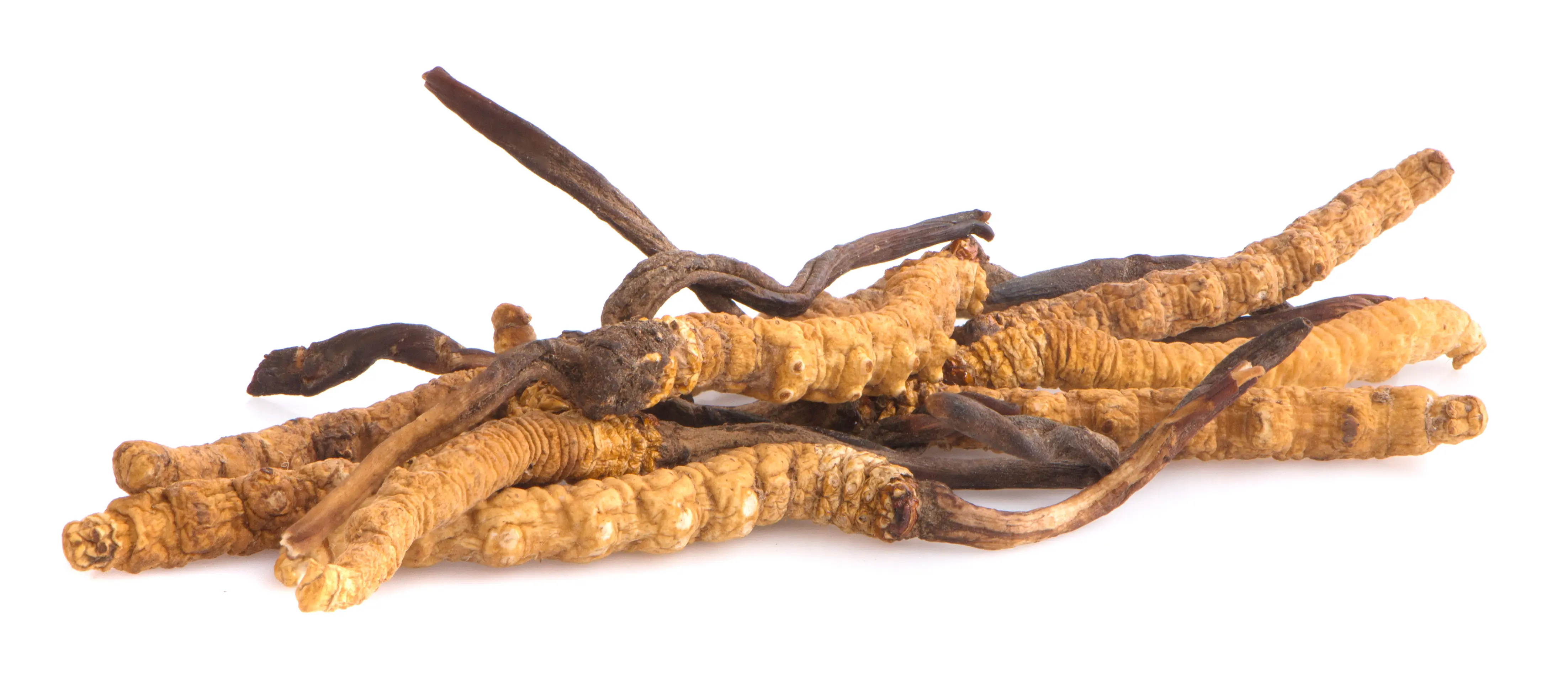
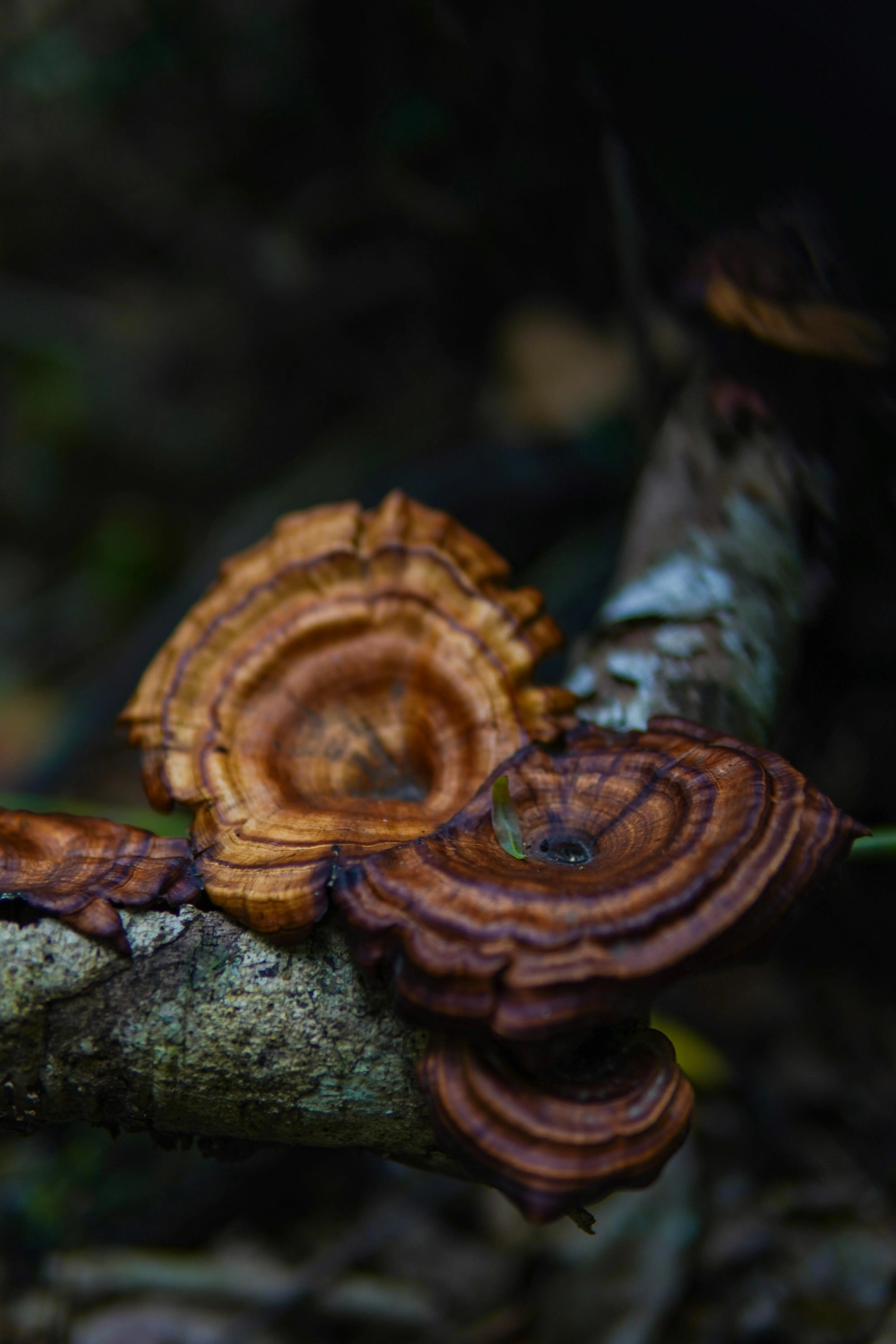
Stress reduction, better sleep, improved mood: reishi is credited with a surprisingly wide range of mental health benefits. What is sold today as an adaptogen in capsules and powders has, however, a long history. Known as lingzhi, this distinctively glossy mushroom has been used in traditional Chinese medicine for centuries.
But what lies behind its reputation as a natural stress reliever? Research is increasingly examining the effects of reishi on mental health and the brain. Alongside numerous laboratory and animal studies, there are now also studies involving human participants.
The findings, however, are less clear-cut than the many claims surrounding this medicinal mushroom might suggest. Here is what the research shows about reishi, stress, and low mood — and where the science has so far reached its limits.
Reishi contains a wide variety of bioactive compounds. Among the most intensively studied are polysaccharides such as β-glucans and triterpenes. These substances can, among other things, influence the immune system and inflammatory processes.
This is also relevant to mental health. Research suggests that inflammatory processes play a role in various brain functions and are being studied in connection with depression, among other conditions.
Another possible mechanism of action involves the gut-brain axis. The gut and brain communicate with each other via nerve pathways, immune messengers, and metabolic products, among other routes. Reishi may target several of these processes, though the evidence for this currently comes predominantly from laboratory and animal studies.
One of the more informative studies to date was published in 2024. In this double-blind, randomized, placebo-controlled study, 78 female students took either 500 milligrams of reishi, 1,000 milligrams of reishi, or a placebo for 30 days.
In the group taking 1,000 milligrams daily in particular, scores for anxiety, depressive mood, vitality, and positive wellbeing all improved. This sounds promising at first glance. However, the study was small and short, and only young women took part. Whether the results apply to other populations or hold up over longer periods therefore remains an open question.
Other studies also offer individual positive signals. In women with fibromyalgia, some psychological scores improved with reishi, but no statistically significant advantage over the control group was found for the mood parameters studied.
A small study involving breast cancer patients found, in addition to improvements in fatigue, more favorable scores for anxiety and depressive symptoms. Both studies, however, involved specific patient groups — not people being treated for depression or an anxiety disorder.
This is precisely where the problem with current research lies: there are hints of a possible effect, but no consistent picture has yet emerged. The studies are small, examine different populations, and use different reishi preparations and dosages.
A systematic review and meta-analysis from 2025 also concludes that the overall quality of evidence from clinical reishi studies is very low, though mental health complaints were not its specific focus.
Reishi contains β-glucans that may influence the gut microbiome and inflammatory processes — both of which are relevant to mental health, given the many pathways through which the gut and brain communicate.
A 2025 animal study supports this theory: in mice, a β-glucan derived from reishi altered the gut microbiome, influenced inflammatory signaling pathways, and improved performance in learning and memory tests.
Whether this translates into noticeable effects on mood or stress in humans remains an open question. The study primarily offers a possible explanatory framework for how reishi might act on the brain — not proof of a mental health effect in people.
Even though reishi is a natural product, taking it is not automatically free of side effects. Reported effects include gastrointestinal complaints, dry mouth, dizziness, itching, and skin reactions.
Reishi preparations can also vary considerably. Available forms include powder made from the fruiting body, spore powder, and various extracts — and the actual content of the studied active compounds can differ accordingly. Findings from one particular preparation therefore cannot be straightforwardly applied to other products.
Anyone who takes medication regularly, is pregnant, or is being treated for an illness should speak with a doctor before taking reishi.
Reishi does show potential for mental health. Active compounds such as β-glucans and triterpenes act on processes that may be relevant to stress, mood, and brain health. Particularly noteworthy is that human evidence also exists suggesting reishi could have a positive influence on stress, mood, and wellbeing.
However, research has not yet advanced far enough to support clear recommendations. Human studies are small and their results are inconsistent. Reishi is therefore not an established treatment for depression or anxiety disorders — but it is certainly an interesting candidate as a potential support for psychological wellbeing.

Falling asleep with earbuds and leaving them in until morning? ENT physician Dr. Kristina Wiedelmann-Breloer is seeing more patients with ear canal inflammation and eczema linked to their use. She explains what can happen inside the ear overnight — and how to reduce the risks.
Christine Bürg & Marianne Waldenfels

With
Kristina Wiedelmann-Breloer

For osteoarthritis, herniated discs, and tennis elbow, surgery is often no longer the first option. Orthopedic specialist Dr. Yvonne Ebel explains which treatments can offer alternatives — and why movement and muscle building can sometimes make a surprising difference.
Christine Bürg & Marianne Waldenfels

An interview with
Dr. med. Yvonne Ebel

Dark circles are often blamed on lack of sleep. But pigmentation, visible blood vessels, genetics, or facial anatomy may also play a role. Dermatologist Dr. Susanne Steinkraus explains why the cause matters when choosing the right treatment – and when caution is advised.
Christine Bürg & Marianne Waldenfels

An interview with
Dr. med. Susanne Steinkraus