© Magnific
June 5, 2026
Marianne Waldenfels
Cola Zero, protein puddings and zero-sugar products may affect the gut microbiome more than previously thought, according to new research
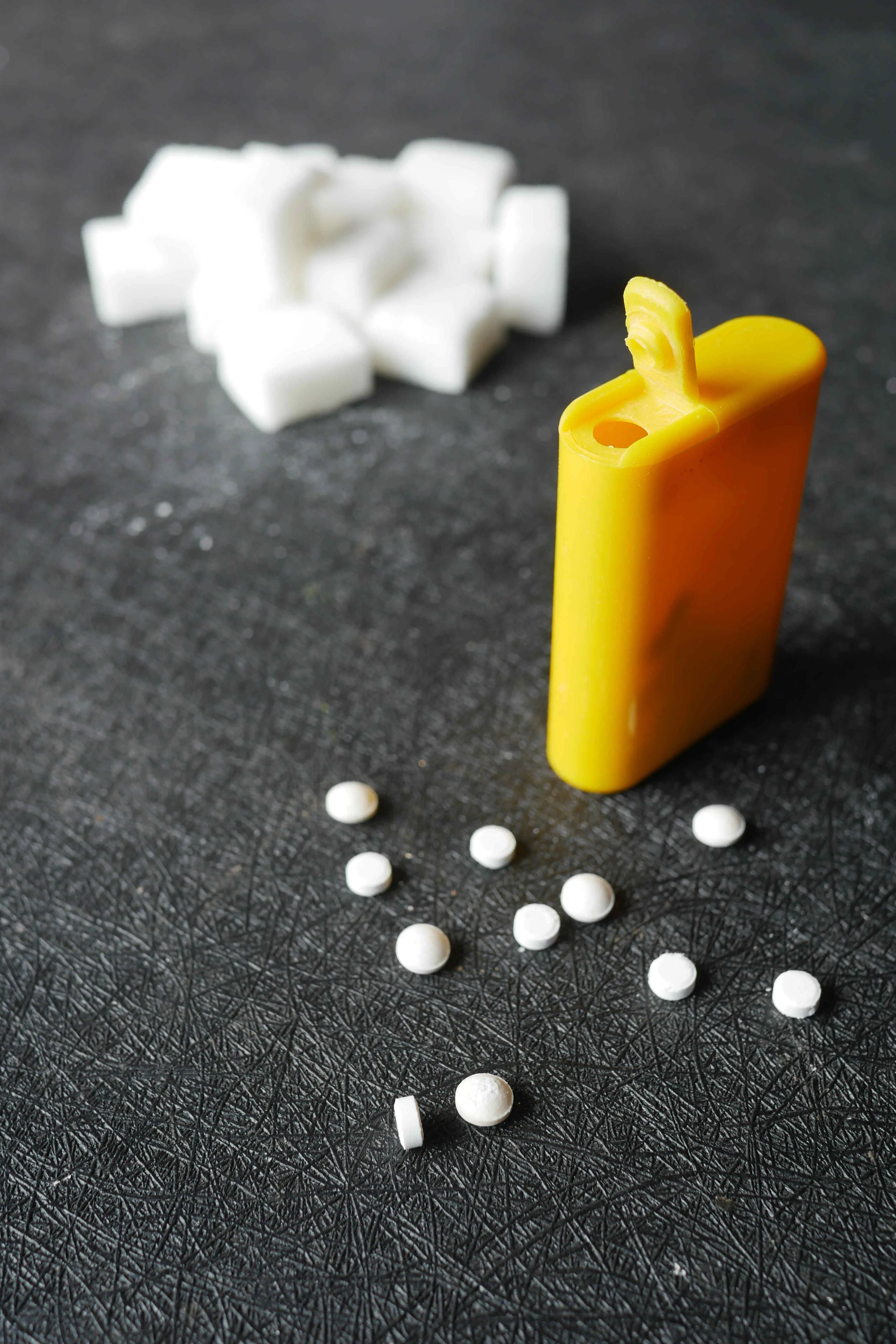
For breakfast, protein pudding without sugar. At noon, Coke Zero. After the workout a low-carb bar. In the evening, a sugar-free yogurt. For millions of people, artificially sweetened diets have long been part of everyday life. After all, sugar is considered one of the greatest health enemies.
But while the food industry is developing more and more "Zero," "Light," or "Sugar Free" products, research is focusing on another question: What do artificial sweeteners actually cause in the gut and how do they affect our microbiome?
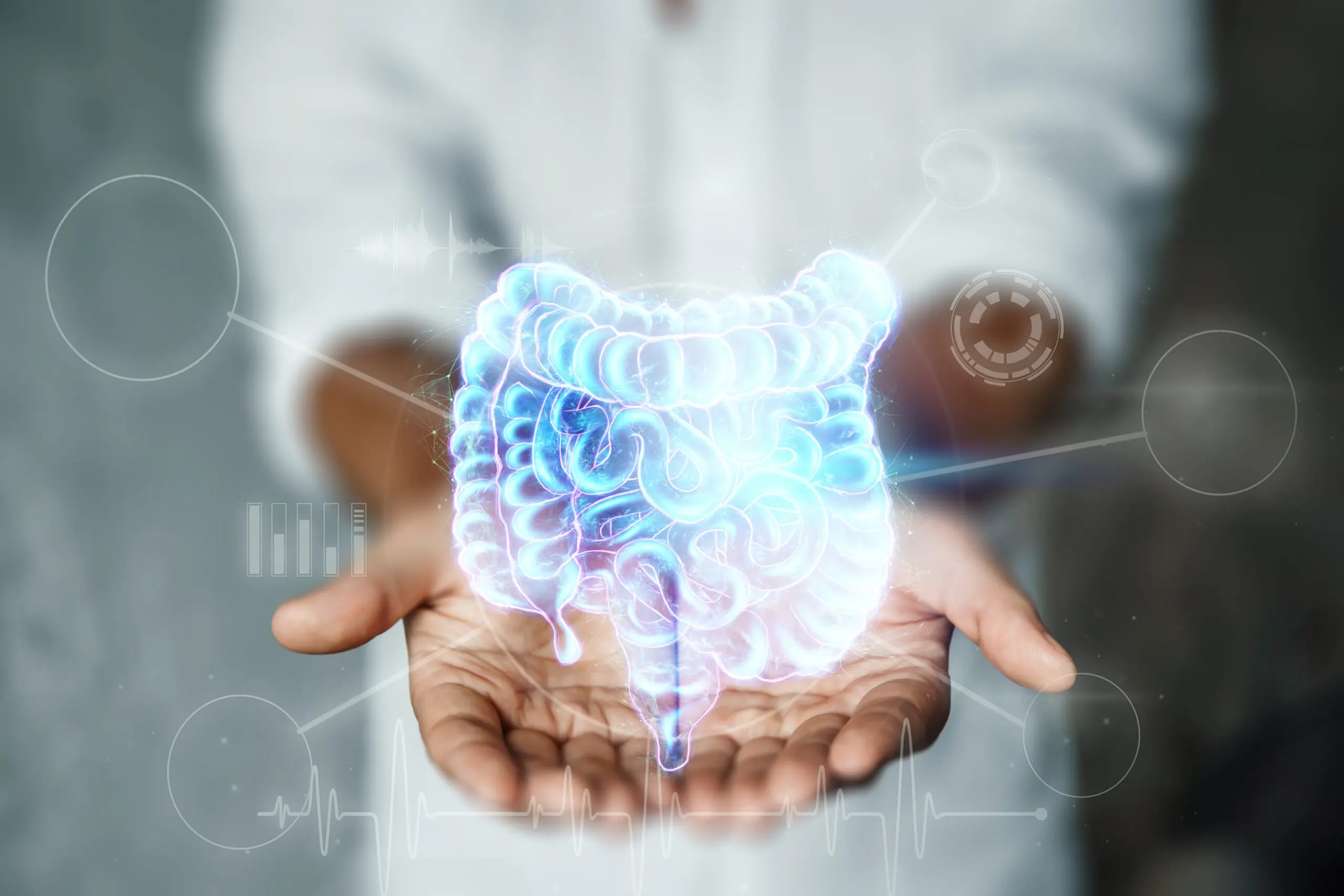
The human gut hosts trillions of microorganisms, including bacteria, viruses, fungi, and other microbes. This microbiome not only influences digestion but is also closely related to metabolic regulation, the immune system, glucose tolerance, and possibly even mental health.
For a long time, artificial sweeteners were considered harmless: sweet taste without sugar, without calories, without effects on metabolism. In recent years, studies have been accumulating suggesting that certain sweeteners are more biologically active than long assumed, especially in the gut.
Particularly commonly used are:
Many of these substances are consumed daily, often in combination.
In 2022, particular attention was paid to a randomized controlled trial by the Weizmann Institute of Science from 2022, published in the journal Cell.
This study included 120 healthy adults who had not previously consumed sweeteners. Over two weeks, they consumed either saccharin, sucralose, aspartame, or stevia daily. The doses were below the current acceptable daily intake. There were control groups with glucose placebo or no supplement.
The changes were sweetener specific. Saccharin showed a significant change in the Microbiomes and a significantly impaired glucose tolerance. For sucralose, the changes were most pronounced, also with significantly impaired glucose tolerance.
Aspartame led to a detectable change in the microbiome, but no significant change in glucose tolerance. Stevia also showed a detectable change in the microbiome, but no significant change in glucose tolerance.
The most pronounced changes were with saccharin and sucralose. Both substances interact particularly intensely with the gut microbiome, as saccharin enters the bloodstream slowly and sucralose is excreted almost unchanged.
The researchers wanted to know if the altered gut bacteria were actually responsible for the poorer blood sugar response. So they transplanted stool samples from participants into germ-free mice.
The animals subsequently developed similar metabolic reactions as the human donors. For the researchers, this was a strong indication that changes in the microbiome could indeed play a central role.
Research now shows several possible mechanisms. Firstly, the composition of the gut flora apparently changes. Some types of bacteria increase, others decrease. In some cases, the diversity of microorganisms also decreases - something researchers often associate with metabolic problems.
Secondly, certain sweeteners seem to influence bacterial metabolic processes. This could change important metabolic products in the gut.
Thirdly, there are indications of inflammation-like reactions. In lab studies, some gut bacteria developed more aggressive properties under the influence of sweeteners.
And fourthly, blood sugar regulation could change in the long term, at least in sensitive individuals.
The situation is not so clear yet. Because the research is complicated - and partly contradictory.
A big problem: Every person has a different microbiome. Some appear to react more sensitively to sweeteners than others.
Furthermore, the studies differ greatly:
Animal studies also cannot be easily transferred to humans. Many scientists therefore emphasize that artificial sweeteners are not generally dangerous. Quantity, frequency, and individual predisposition could be decisive.
The German Diabetes Society positions itself in such a way that sweeteners are harmless to health if maximum amounts are observed and can be used sensibly in diabetes therapy.
The German Society for Endocrinology, on the other hand, warns of a possible increase in diabetes risk due to disruption of the gut microbiome.
The majority of studies conclude that moderate consumption does not pose any serious health risks. Critical voices warn of possible long-term consequences, especially for gut flora and metabolism.
The debate about sweeteners reveals something else. Many people today try to avoid sugar consistently, but increasingly turn to highly processed substitute products:
The real question, therefore, might not only be whether sweeteners are harmful. But whether a diet can truly be healthy in the long term from increasingly more processed "optimization products."
Especially in the fitness and longevity scene, this creates a paradoxical picture: Calories and macronutrients are controlled in detail, while many long-term effects of modern substitute products remain largely unclear.
Current research suggests that some artificial sweeteners — particularly saccharin and sucralose — may affect the gut microbiome and the blood sugar response.
However, the effects seem to vary greatly among individuals. Aspartame and stevia showed no comparable effects on glucose tolerance in the large Israeli study.
What is certain above all: Artificial sweeteners are probably not as "neutral" as long thought. The best strategy might therefore be a simple one: less extreme sweetness overall instead of permanently replacing sugar with substitutes.