© Marek Kupiec
August 2, 2026
Marianne Waldenfels
A new laboratory study suggests that the sugar substitute erythritol may impair the function of blood vessel cells in the brain and promote processes linked to blood clot formation. What the findings mean – and what they don't.
Erythritol is widely regarded as a healthier alternative to sugar. Yet this popular sweetener is once again coming under scrutiny. A new laboratory study from the University of Colorado Boulder suggests that erythritol may damage blood vessel cells in the brain, potentially triggering processes that raise the risk of ischemic stroke.
That said, the study examined only human cells in a laboratory setting — not living people. The findings therefore do not prove an increased stroke risk, but they may offer the first biological explanation for why earlier observational studies linked high erythritol blood levels to a greater risk of heart attacks and strokes.
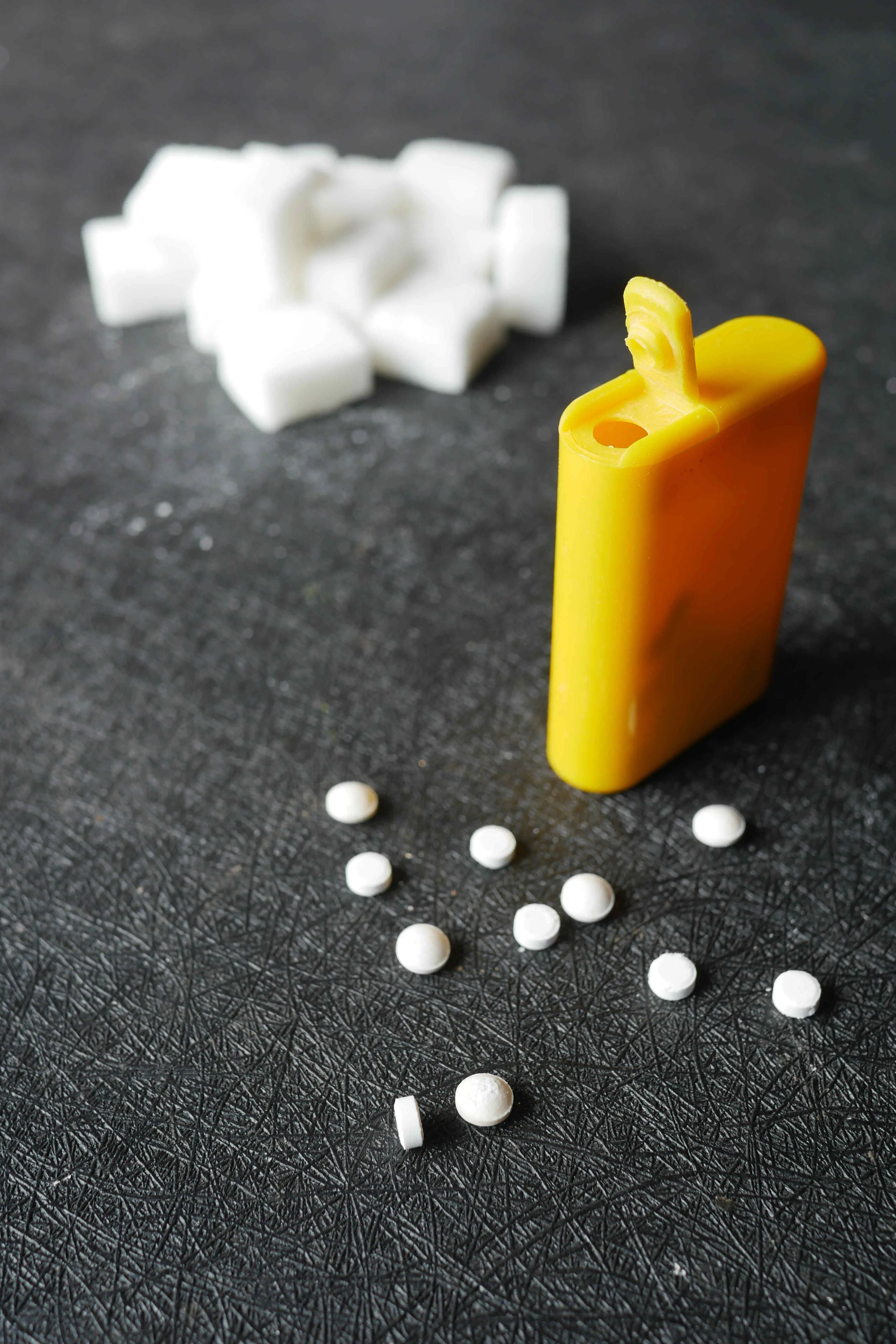
Erythritol (E 968) is a sugar alcohol, typically produced through the fermentation of corn. It has been approved as a food additive in the United States since 2001 and is now found in a wide range of products, including calorie-reduced and "sugar-free" beverages, keto and low-carb foods, high-protein bars and snacks, and baked goods and sweets marketed to people with diabetes.
Manufacturers favor it because it is virtually calorie-free, provides around 60 to 80 percent of the sweetness of table sugar, and has little effect on insulin levels.
The team led by physiologist Auburn Berry and principal scientist Prof. Christopher A. DeSouza from the Integrative Vascular Biology Lab at the University of Colorado Boulder published their findings in the Journal of Applied Physiology.
In the experiment, the researchers exposed human brain microvascular endothelial cells — the cells that line the inner walls of small brain vessels and form part of the blood-brain barrier — to an erythritol concentration of 6 millimoles for 24 hours. This amount reflects what can realistically enter the bloodstream after drinking an artificially sweetened beverage.
The blood-brain barrier normally controls which substances pass from the blood into the brain: oxygen and nutrients are allowed through, while potentially harmful substances and pathogens are largely kept out. According to the study, the cells treated with erythritol showed several unfavorable changes at the same time:
ADHD isn't just a childhood condition. More and more adults are being diagnosed, often after years of uncertainty. Psychiatrist Prof. Andreas Menke explains how to recognize ADHD, which treatments can help, and why the condition can also come with unique strengths.
Christine Bürg & Marianne Waldenfels

An interview with
Prof. Dr. med. Andreas Menke
• Less nitric oxide: This molecule normally dilates blood vessels; a decrease promotes vascular constriction.
• More endothelin-1: This protein has a vasoconstrictive effect and was elevated following treatment.
• Less tissue-type plasminogen activator (t-PA): This enzyme normally helps dissolve blood clots; its reduced release can weaken the body's natural clot-dissolving ability.
• More oxidative stress: The cells produced elevated levels of free radicals, which can place additional strain on cell structures.
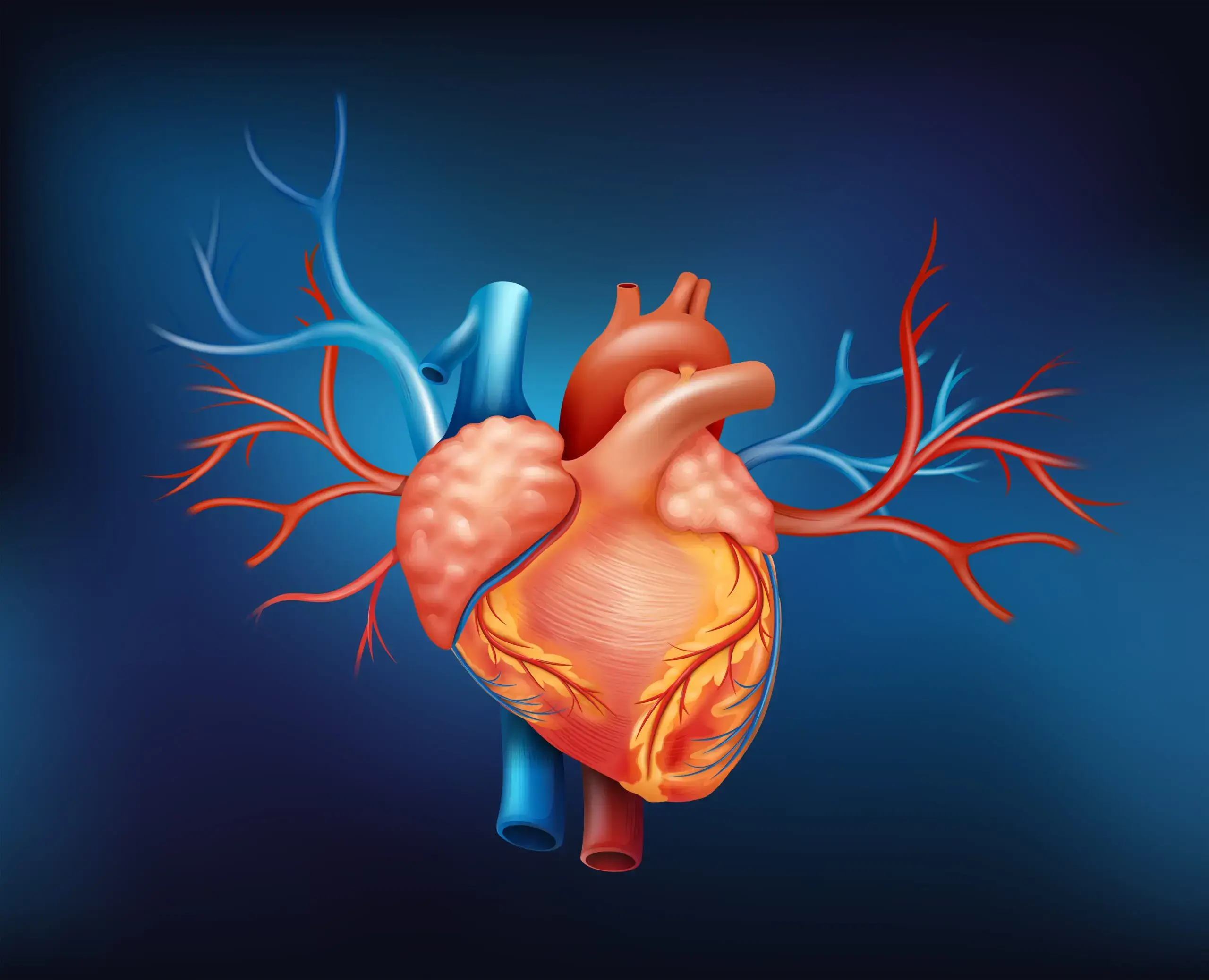
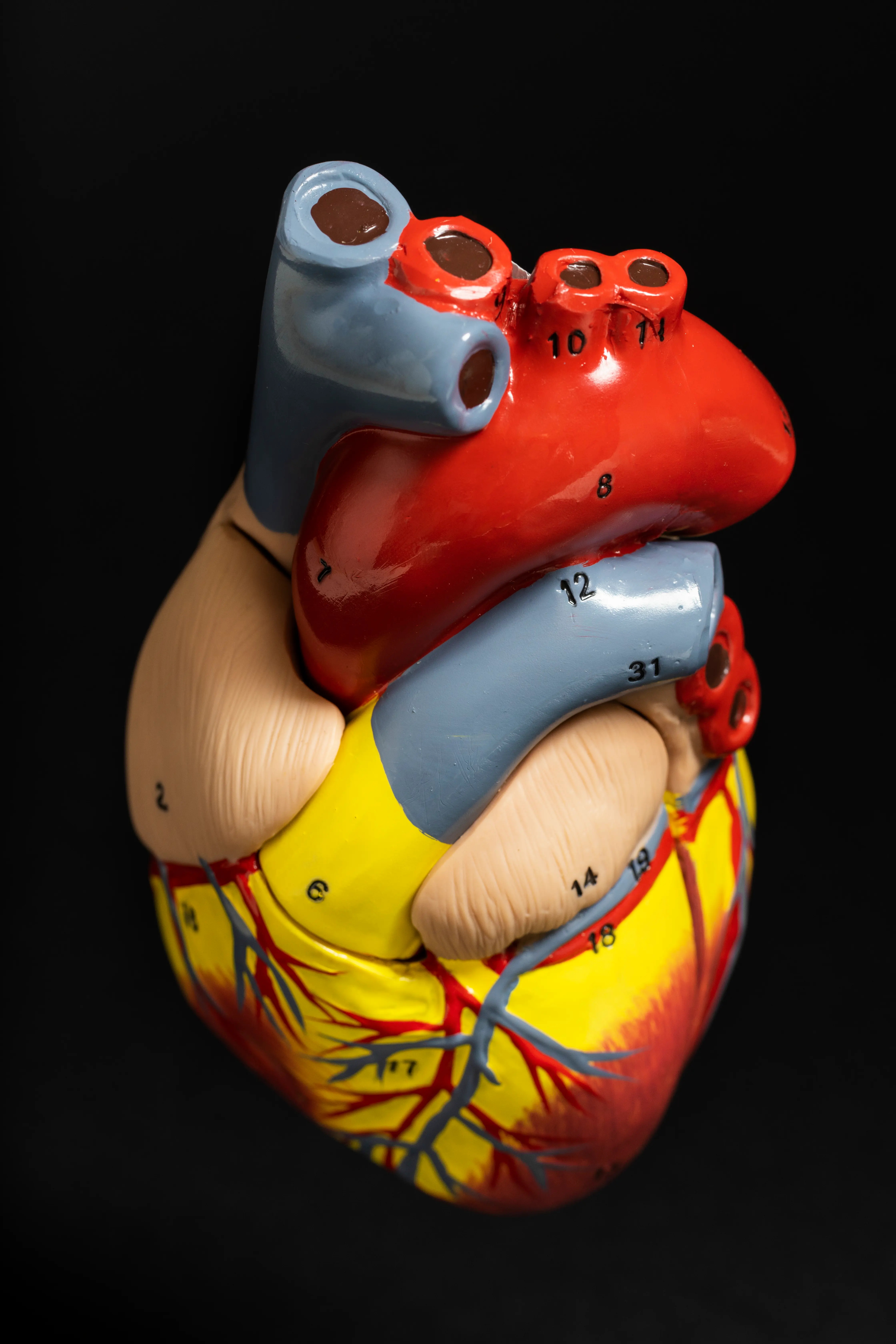
Taken together, the authors suggest, these changes paint a picture that could promote the development of vascular constriction and blood clots in the brain — two central mechanisms in ischemic stroke, in which a clot blocks blood flow to the brain.
• Pure cell culture study: Only isolated cells in a laboratory were examined — no animals or humans. Whether and to what extent these effects occur in the same way in a living organism has not been demonstrated.
• Single, brief exposure: The cells were exposed to just one erythritol concentration for only 24 hours. The effects of repeated, long-term consumption were not tested.
• No direct proof of causality in humans: The study offers a plausible biological mechanism, but it does not replace controlled human studies that would be needed to establish a causal link between erythritol consumption and actual strokes.
The authors themselves present their work as a complement to earlier epidemiological observational studies that identified a statistical association between higher erythritol blood levels and an increased risk of stroke, heart attack, and thrombosis — without previously explaining why that association might exist. It is precisely this explanatory gap that the new laboratory research aims to partly fill.
The new cell experiments do not stand alone; they add to a growing body of research taking a critical look at erythritol. The current debate traces back to a study published in 2023 in the journal Nature Medicine by a team led by Dr. Marco Witkowski and Prof. Stanley L. Hazen of the Cleveland Clinic in Ohio.
The researchers first analyzed blood samples from more than 1,100 people at elevated cardiovascular risk and identified erythritol as one of the substances whose blood levels were most closely associated with subsequent serious cardiovascular events.
In two additional study groups in the United States and Europe, the association was confirmed: individuals with the highest erythritol blood levels had an approximately 1.8- to 2.2-fold higher risk of death, heart attack, or stroke compared to those with the lowest levels.
Additional laboratory and animal studies also suggested that erythritol may promote platelet activation and thereby encourage blood clot formation.
This study, however, also had important limitations. The participants were primarily people who already had an elevated cardiovascular risk. In addition, erythritol blood levels were measured only once at the start of the study, and it was not possible to determine clearly whether those levels were due to erythritol added to foods or partly to the body's own production.
Erythritol is not the only sweetener facing such criticism. The same research group led by Stanley Hazen published a comparable investigation in 2024 in the European Heart Journal into the related sugar alcohol xylitol, which is found in sugar-free chewing gums, candies, and dental care products, among other things.
In an analysis of more than 3,000 patients in the United States and Europe, high xylitol blood levels were associated with an approximately 57 percent increased risk of serious cardiovascular events within three years.
For consumers, this means that simply switching from one sugar alcohol to another does not automatically eliminate the potential risk — both substances are now under discussion due to similar mechanisms of action.
There is currently no reason to avoid erythritol-containing foods altogether. However, the new study reinforces the point that "sugar-free" does not automatically mean "healthy." While human studies are still needed to confirm whether the laboratory findings hold true in the body, taking a mindful approach to heavily processed, artificially sweetened products is likely the most sensible strategy in the meantime.
In the EU, erythritol must be declared as an ingredient, but it can appear under various names. Anyone who wants to keep track of their consumption should look out for the following:
• the name "erythritol" written out in full in the ingredient list
• the E number E 968
• collective terms such as "sugar substitute" or "sweetener," which are often printed separately on the packaging as well
• product descriptions such as "sugar-free," "reduced calorie," or "keto-friendly," which are a signal to take a closer look at the ingredient list
Since erythritol is usually combined with other sweeteners such as stevia or sucralose, it is not always listed as the primary ingredient at the top — but checking the complete list is still worthwhile.
The studies conducted so far do not provide a definitive answer. The 2023 Cleveland Clinic study focused primarily on people who already had an elevated cardiovascular risk. Whether healthy people without pre-existing conditions face a similarly elevated risk from typical erythritol consumption has not yet been sufficiently investigated.
A specific threshold at which an increased stroke risk begins cannot be derived from the available data. The University of Colorado cell study used concentrations that can occur in the blood after consuming an artificially sweetened drink — however, no safe daily amount can be directly calculated from this.
Erythritol occurs naturally in small amounts in foods such as melons, grapes, and fermented products, and is also produced by the body as a metabolic byproduct. The concentrations measured or used in the studies were significantly higher than these natural levels, since erythritol added as a sweetener raises blood levels many times more than the small amounts found in natural sources.