© Freepik
Relaxes the muscles and eases stress management: Progressive Muscle Relaxation according to Jacobson
May 31, 2026
Sharon Burbat
Feeling tense or stressed? Progressive muscle relaxation by Jacobson can help calm the body, improve sleep, and relieve tension.
Sometimes you only notice it in the evening. You finally sit on the sofa, the workday is over – and suddenly your whole body feels heavy. The shoulders burn, the neck is hard, the jaw is tightly clenched. Only when the tension slowly diminishes do you realize how much stress was actually in the body.
This is exactly where progressive muscle relaxation according to Jacobson comes in. The method seems almost surprisingly simple: tense muscles briefly, relax them again – and thereby calm the entire body.
What sounds simple works surprisingly well for many people.
stress is not just a feeling in the head. The body reacts immediately. Many unconsciously raise their shoulders, tense their abdomen, or clench their teeth without realizing it. The problem: this tension often remains for hours.
Anyone who works a lot at the computer or is always under time pressure probably knows this. At some point, the neck feels permanently tense, even though you're basically just ‘sitting’.
The American doctor Edmund Jacobson observed around a hundred years ago that psychological stress and muscle tension are closely linked. His idea: If the muscles relax, the mind often follows.
This led to the development of Progressive Muscle Relaxation, or PMR for short.
Today, this connection can also be explained physiologically. Studies show that relaxation techniques like PMR activate the parasympathetic nervous system – the part of the autonomic nervous system responsible for regeneration.
In studies, among other things, a lower heart rate, reduced muscle tension, and sometimes even lower stress markers such as cortisol could be observed.
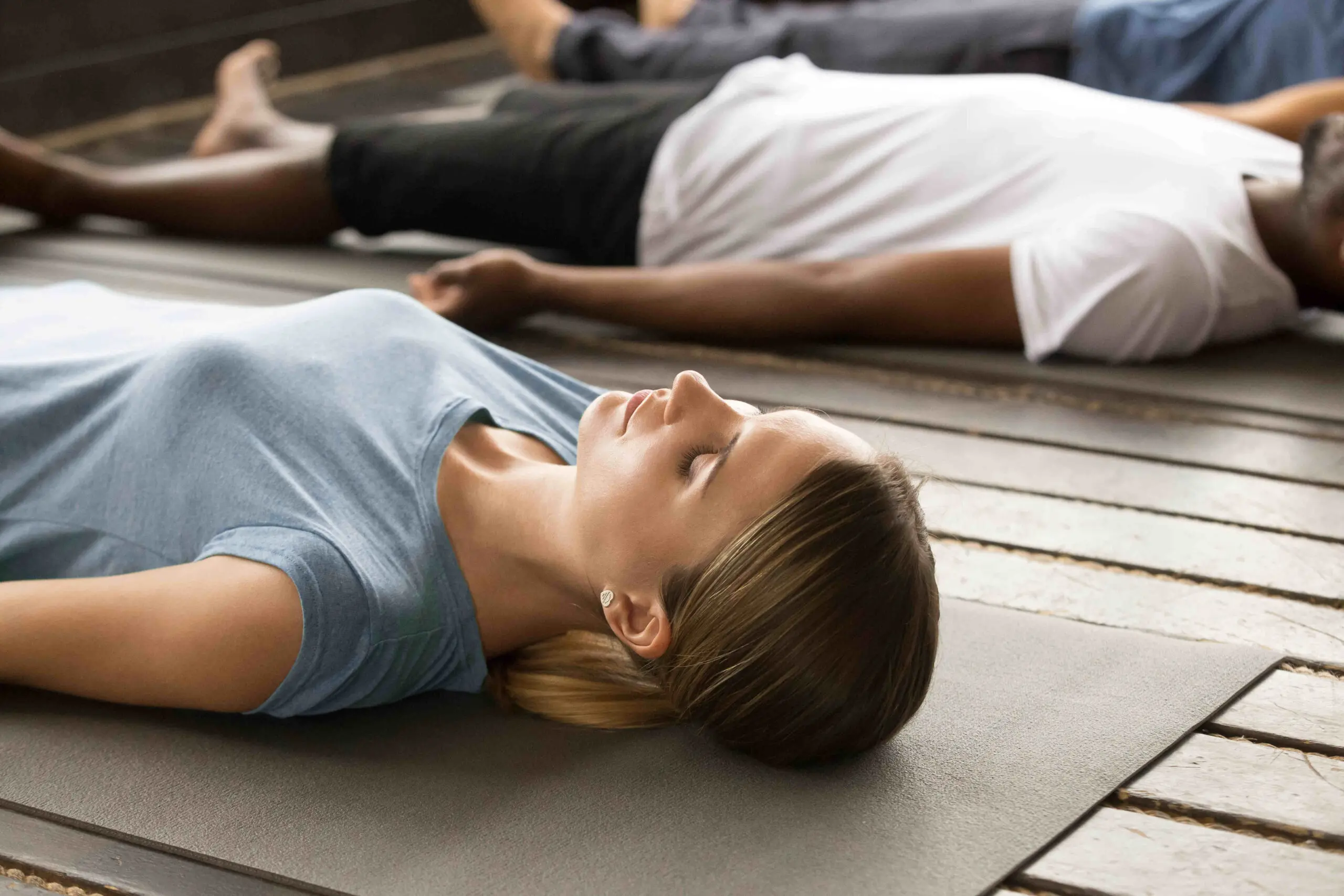
In PMR, individual muscle groups are consciously tensed and then relaxed. It is exactly this alternation that makes the difference.

Why surgical experience matters in rhinoplasty, what risks nasal surgery involves, and how natural-looking results can be achieved. Professor Dr. Johannes Veit discusses modern rhinoplasty and individualized aesthetics.
Christine Bürg and Marianne Waldenfels

An interview with
Prof. Dr. med. Johannes a. Veit

Why are women often more successful than men in ultramarathons? Orthopedic surgeon Dr. Yvonne Ebel discusses physiology, mental strength, nutrition, and the risks of extreme endurance stress.
Christine Bürg and Sophie Rodewyk

An interview with
Dr. med. Yvonne Ebel

Many complaints have their root cause somewhere other than where the symptoms appear. Dr. Christoph Wenninger explains the role that jaw joints, inflammation, and modern preventive care play in overall health.
Christine Bürg and Marianne Waldenfels

An interview with
Dr. Christoph Wenninger

Physiotherapist and health coach Andreas Stollreiter discusses the philosophy of osteopathy, identifying the root causes of pain and illness, and the surprising links between the musculoskeletal system, digestion, the nervous system, and mental health
Christine Bürg and Marianne Waldenfels
Because many people have completely forgotten how to feel when their bodies are actually tense. Only through conscious tensing does the subsequent relaxation become clearly perceptible.
Many describe the feeling afterwards similarly:
Especially people who can't do much with meditation often find PMR more pleasant. You don't have to try to "think of nothing." Instead, you simply concentrate on your own body.
Progressive muscle relaxation is used in many areas today – including:
Many people simply use the exercises in everyday life: after long meetings, before falling asleep, or on days when they notice that their body is constantly tense.
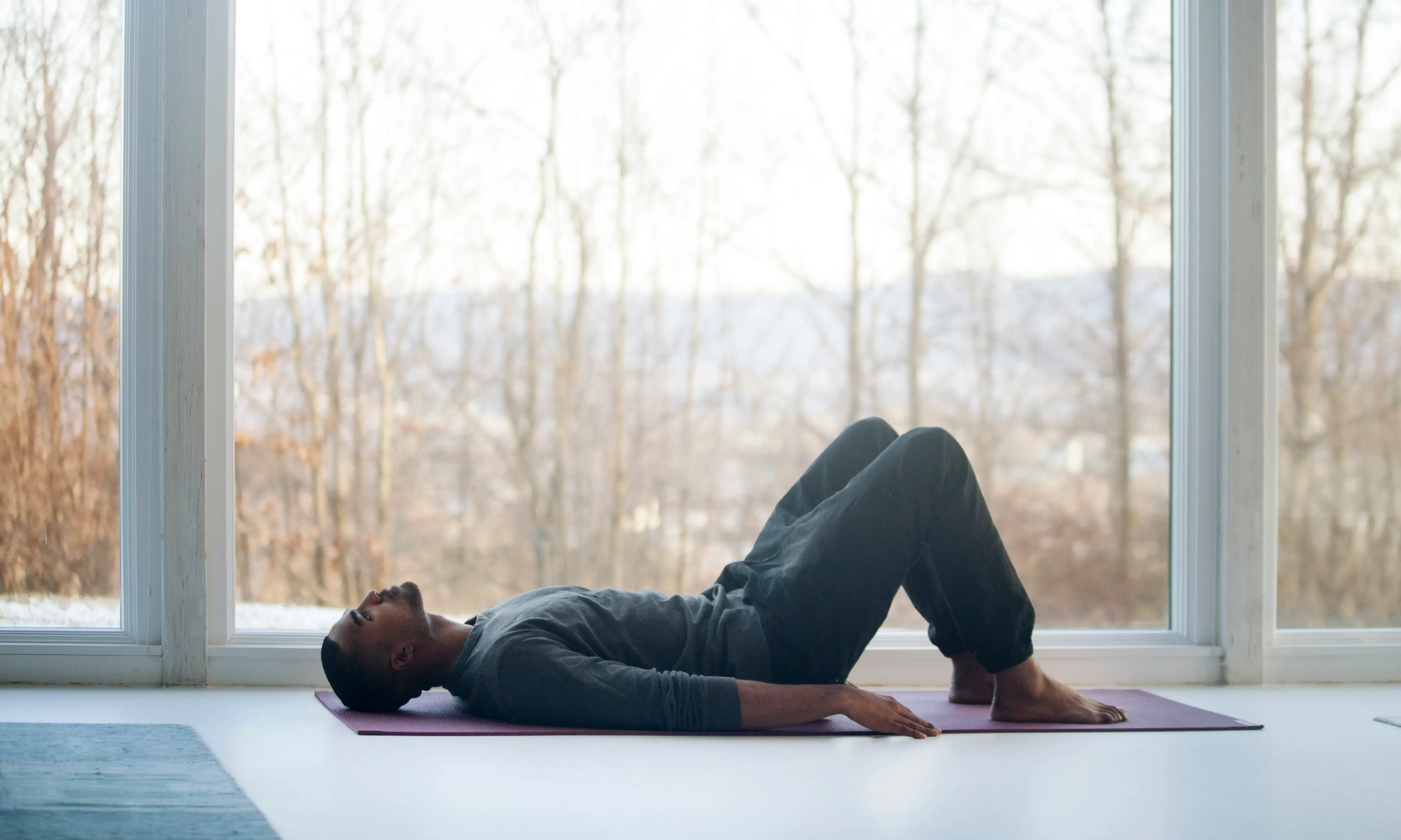
The good thing about PMR: You don't need any prior knowledge or special equipment. A quiet place is more than enough.
Here's how the exercise proceeds:
Then move on to the next muscle group.
Many start with the hands and slowly move on:
What is important here is not so much the strength of the tension as the conscious perception. What does tension feel like? And how does it feel afterward? That is exactly what it is about.
Many notice after just a few exercises, how exhausted their own body actually is. Over time, a better sense develops for when one unnecessarily tenses up in everyday life.
Some suddenly notice:
Those who practice regularly often recognize these patterns earlier - and can counteract them faster.
This is probably one of the biggest advantages of progressive muscle relaxation: It brings the body out of this constant state of alarm, which many have long been accustomed to.
The method is particularly popular in the evening. After a stressful day, many find it difficult to switch off. The mind keeps working, even though you're actually tired.
PMR helps to shift the focus from the carousel of thoughts back to the body. Often, ten minutes are enough for Breathingheartbeat and muscle tension to noticeably calm down.
Progressive muscle relaxation according to Jacobson is one of the most well-known relaxation techniques worldwide for a reason. It is straightforward, suitable for everyday use, and works so well precisely because it starts directly with the body.
And sometimes you only realize through these exercises how tense you have actually been the whole time.