© Bozan Güzel
The desire for a youthful appearance has not always been as present as it is today.
March 27, 2026
Judith Cyriax und Margit Hiebl
People today feel significantly younger as they age than previous generations. A study reveals why—and what doctors say about this growing trend
With
Prof. Dr. med. Andreas Menke and Dr. med. Christine Mielke

 Find a Doctor
Search the network for suitable specialists and contact them directly
"Will I still be young when I'm older?" This question was asked by Konstantin Wecker back in the 1980s. Today, it seems surprisingly relevant – and the answer is more positive than many would expect.
A long-term study by Humboldt University in Berlin with around 15,000 participants shows: The subjective age has changed significantly over generations. People today feel younger in older age than they used to.
While those born in 1936 felt on average about seven and a half years younger at the age of 65, this gap was already over ten years for those born in 1946. In other words: We are not only getting older – we are experiencing ourselves differently.
The fact that people feel younger is no coincidence. Several developments contribute to this:
In addition, there is an increased awareness of health. Those who exerciseThose who eat mindfully and stay active often experience aging quite differently from earlier generations.
The change in subjective age does not go unnoticed. Doctors observe that patients today have different expectations than a few decades ago.
"Those who feel younger generally have a higher sense of well-being, stay healthier longer, and often live longer," says Prof. Dr. Andreas Menke, medical director of Medical Park Chiemseeblick.
At the same time, the demand is rising: It's no longer just about treating ailments - but about, preserving quality of life, activity, and independence for as long as possible.
How differently this change manifests in everyday medical practice becomes evident in various specialties:
In the Ophthalmology the change is particularly evident. "Because people are more active, the desire for independence from glasses is also increasing," explains ophthalmologist Dr. Christine Mielke.
Good vision is closely linked to quality of life today – whether in sports, everyday life, or digital applications. Modern intraocular lenses increasingly make it possible to improve several areas of vision simultaneously.
Those who see well also stay active longer. BGood vision leads to a significantly more active lifestyle into old age, according to the surgeon. In the last 15 years, the implantation of lenses with refractive added benefits has increased in her surgical center, even among patients who come primarily because of lens opacity.
This development is possible due to medical and technical advancements – particularly because of the high quality of today's available intraocular lenses (IOL). "Modern intraocular lenses can significantly reduce the need to wear glasses after the operation", says Dr. Mielke.
She describes the development of so-called toric IOLs, which simultaneously correct existing astigmatism, as groundbreaking. "But also presbyopia-correcting IOLs, which are used to correct age-related farsightedness, have experienced gigantic developments and improvements in optical quality over the past decade."
Also the Skin plays a central role in subjective age. “The face is the first part of the body where age becomes visible,” says dermatologist Dr. Stefan Duve.
How much this process can be influenced is one of the most common questions in practice. Dr. Duve: “Unfortunately, it cannot actually make you younger. However, one can achieve a more even, smoother, and well-groomed skin appearance through the classics of minimally invasive dermatology – primarily Botox and fillers – but also through laser treatments or threads.”
Genetic factors play an important role in skin aging, but also personal lifestyle determines how quickly the skin ages. This is precisely the reason why most people feel younger. “Lifestyle habits carry much more weight than before. Today, it is known that proper care, a healthy diet, and regular exercise are crucial for a younger mindset and a healthier body,” says Dr. Duve.
So-called non-invasive skin boosters can also make a few years disappear from the face. For example, “AGNES Radiofrequency Microneedling” provides a slight tightening of the skin, while the ultrasound lifting method “Ultherapy” reduces fine lines around the mouth and eyes and tightens the chin contour.
A doctor's advice: “Somewhere on the rest of the body, the actual age is then revealed, which is why it should also be kept younger through effective treatments, keyword body contouring, should be maintained younger.”
The desire to align one's appearance with one's own sense of life has increased. "One of the most effective measures is eyelid tightening," explains Prof. Dr. Thilo Schenck.
Noticeably, many patients today start earlier with smaller, regular procedures instead of a larger step later on.
The goal is not to look younger than possible – but a fresher version of oneself.
The average age of Schenck's patients is currently around 43 years. For him, exactly the right time: "Especially when it comes to the face, it makes sense to begin reverse aging with regular small procedures. This way, you can gradually work towards the desired result." With permanent medical support, the results also become increasingly natural compared to a one-time large procedure.
In orthopedics, it is particularly noticeable how expectations have changed.
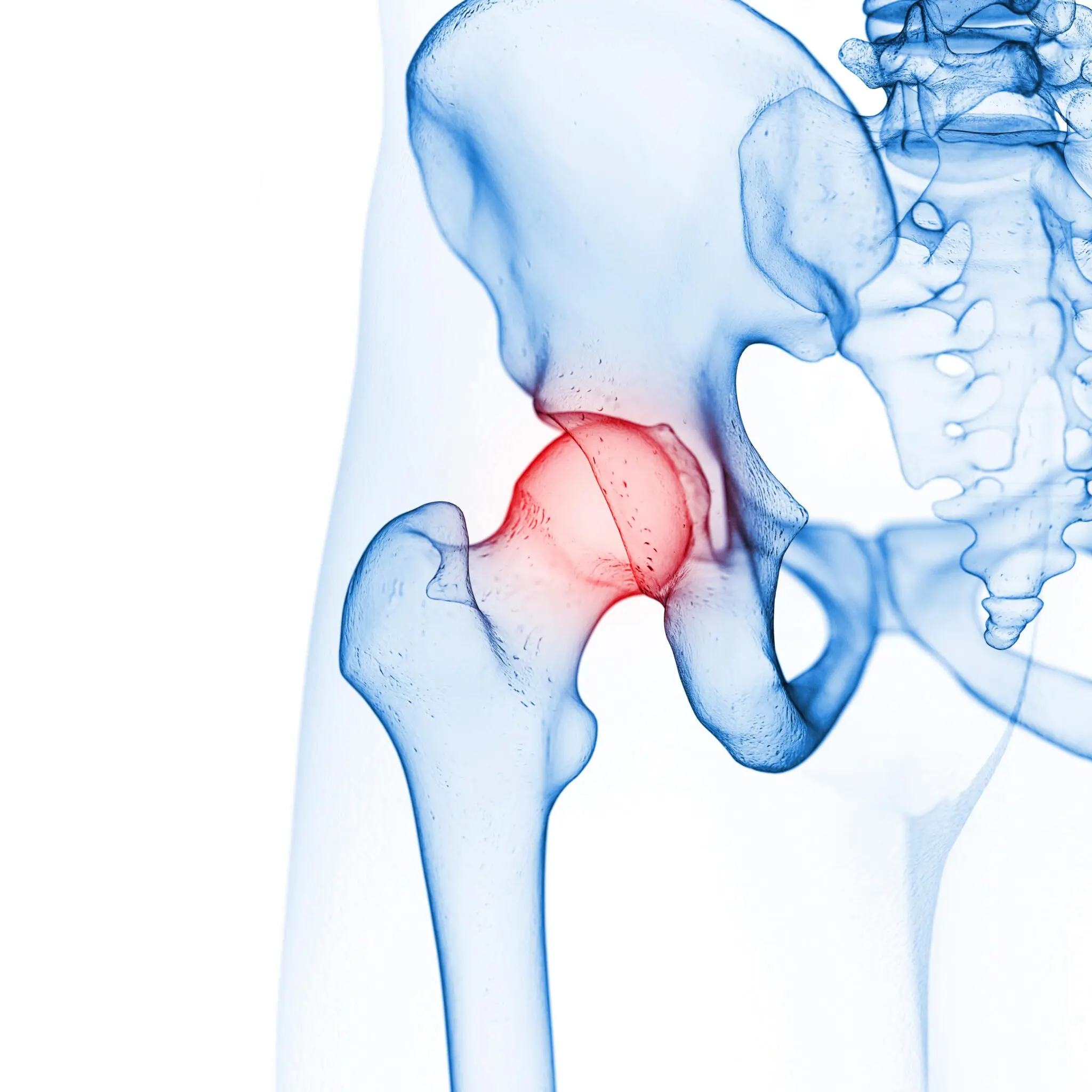
In the past, people were satisfied with being able to manage everyday life without pain. “Today, people want to stay active and play sports even in old age,” says Prof. Dr. Rüdiger von Eisenhart-Rothe from the Klinikum rechts der Isar in Munich.
Thanks to modern implants and surgical techniques, much is possible: skiing, hiking, or cycling even after joint replacement. It is important to have a realistic assessment. Because as young as people feel – the body still sets limits.
At the beginning, there must always be a realistic assessment and clarification of what is feasible and what patients wish for. But with today’s technical state of implants and endoprostheses a lot is possible: Those who skied before can do so again. “We only recommend adjusting the skiing style a bit – not because the prosthesis can’t handle it, but to prevent accidents.”
If an operation becomes unavoidable, today no longer is it delayed until the last moment for functional reasons. "It is now known that the joint's function before the operation significantly determines how the function will be afterwards," says Prof. Dr. von Eisenhart-Rothe. "If you wait too long, it may be that the hip or knee can no longer be brought to the desired level."
As positive as the trend is – what remains decisive is mental health.
"If I am mentally healthy, I feel younger. If not, the opposite can occur," explains Prof. Dr. Andreas Menke, Medical Director of Medical Park Chiemseeblick, a specialist clinic for Psychosomatic Medicine and Psychotherapy.
Straight transitions such as retirement can be critical. If tasks or social connections are missing, the risk for depression increases—affecting quality of life and health.
Severe depression can completely incapacitate someone. “It doesn't just feel bad,it also affects life expectancy,” says Menke. Studies have shown that life expectancy is reduced by 10 to 15 years. “That's why even those who feel young should not underestimate significant changes like retirement,” Menke continues.
“You need to prepare for it to avoid falling into a rut when you no longer have a meaningful task or are not busy enough.” Often, this leads to depression, causing people to remain below their potential, Menke says.

Can fasting relieve hot flashes and other menopausal symptoms? Dr. Verena Buchinger-Kähler shares remarkable cases from her clinical practice and explains how women respond to prolonged fasting – and what science has revealed so far.
Christine Bürg & Marianne Waldenfels

An interview with
Dr. med. Verena Buchinger

"Feel good, live better" – in this episode, Dr. Alexandra Schoeneich sheds light on the wide-ranging changes that menopause brings to the body
Christine Bürg
An interview with
Dr. med. Alexandra Schoeneich
Stopping antidepressants can trigger symptoms that resemble a return of depression. Psychiatrist Prof. Dr. Andreas Menke explains how to tell the difference, why the final milligrams can be particularly difficult, and which two mistakes patients should avoid.
Christine Bürg & Marianne Waldenfels
An interview with
Prof. Dr. med. Andreas Menke

Less stress, better focus, greater peace of mind: EXOMIND aims to improve mental resilience through magnetic stimulation. Dr. Neda Nabavi explains how the treatment works, what changes she has observed in her patients, and why she considers brain health essential to longevity medicine.
Christine Bürg & Marianne Waldenfels
An interview with
Dr. med. Neda Nabavi