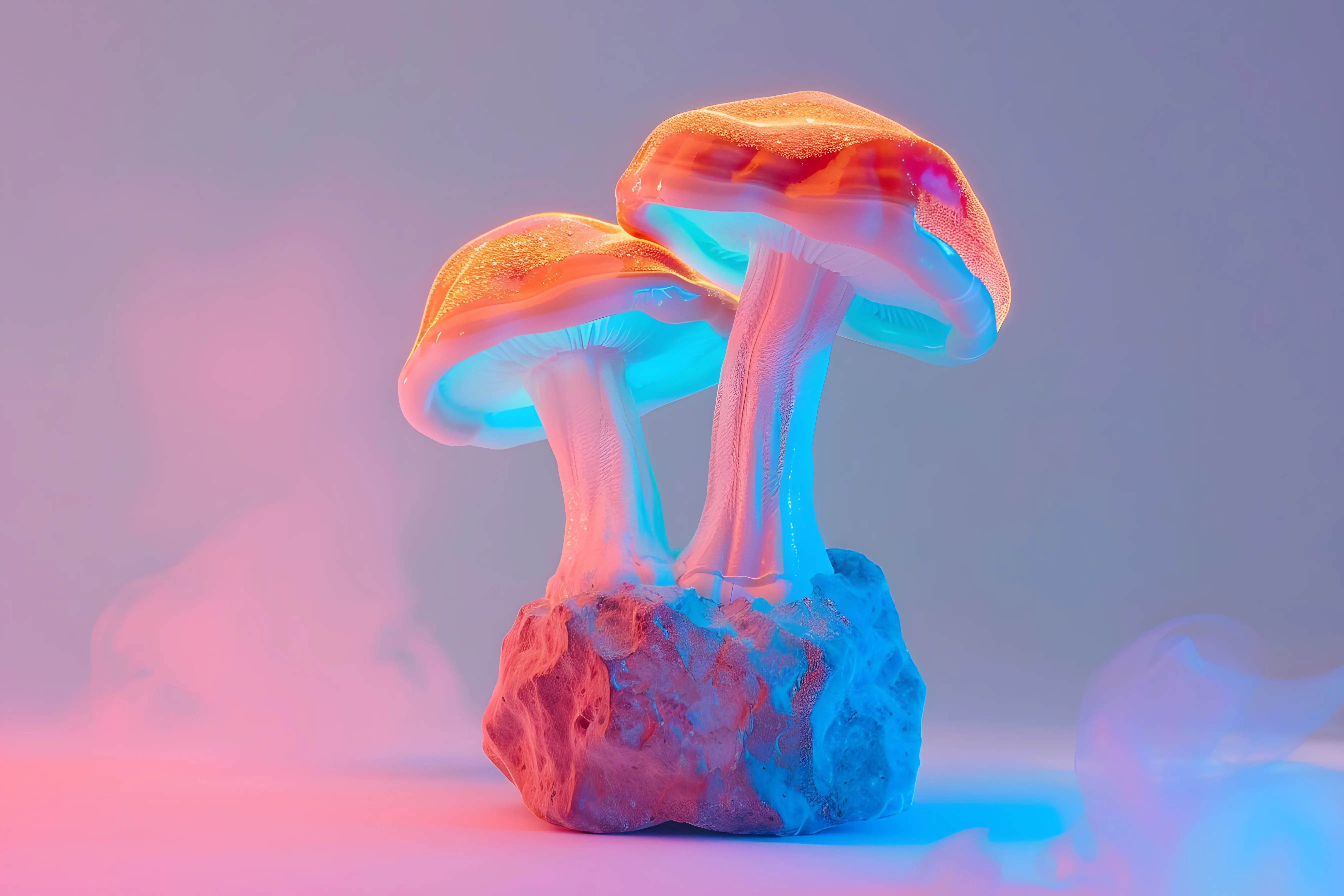
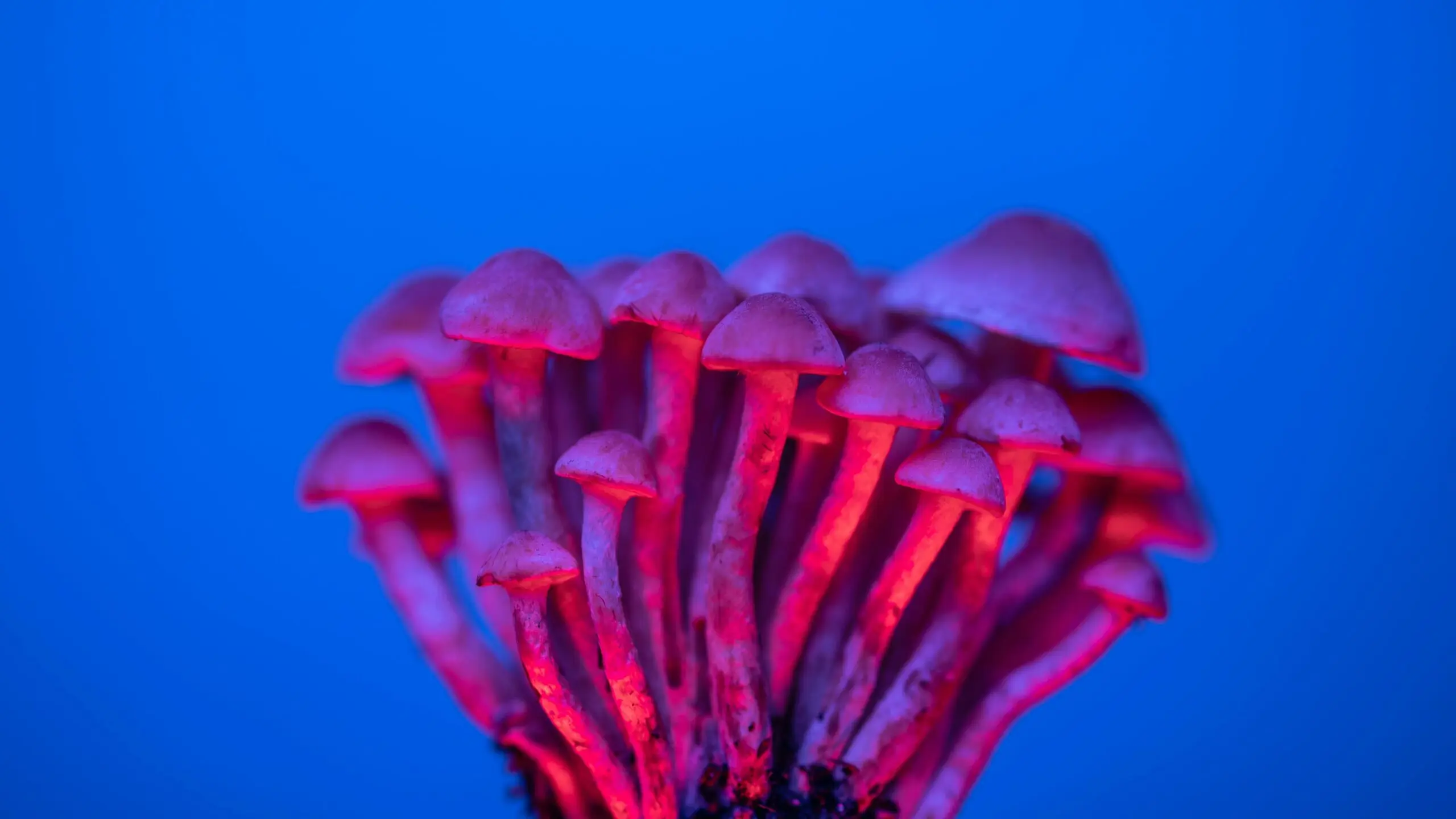
Psychedelics, at first, sounds like something from the Sixties. Like Love, Peace, and Happy Hippies. When the who's who of pop culture, from music to painting, sought creativity and mystical experiences in altered states of consciousness through LSD or magic mushrooms.
According to today's knowledge, at least as far as the enhancement of creativity is concerned, this was rather overrated. Those who are not creative will not become creative through psychoactive substances. However, they are interesting from a medical perspective. There have been studies on this since the 1950s, after Swiss chemist and LSD discoverer Albert Hofmann was able to isolate psilocybin from the magic mushrooms in the late 1930s.
However, the studies were not methodologically sufficient and were difficult to interpret. Then the research came to a standstill because during the Nixon era psychedelics were first banned as drugs in the USA and then in Europe.
The renaissance of psychedelic research
But now a kind of comeback is emerging. New seekers of meaning and creativity, now from Silicon Valley, and recent Netflix documentaries like Change Your Mind, Magic Medicine, or Goop Lab have brought psychedelics back into public awareness in recent years.
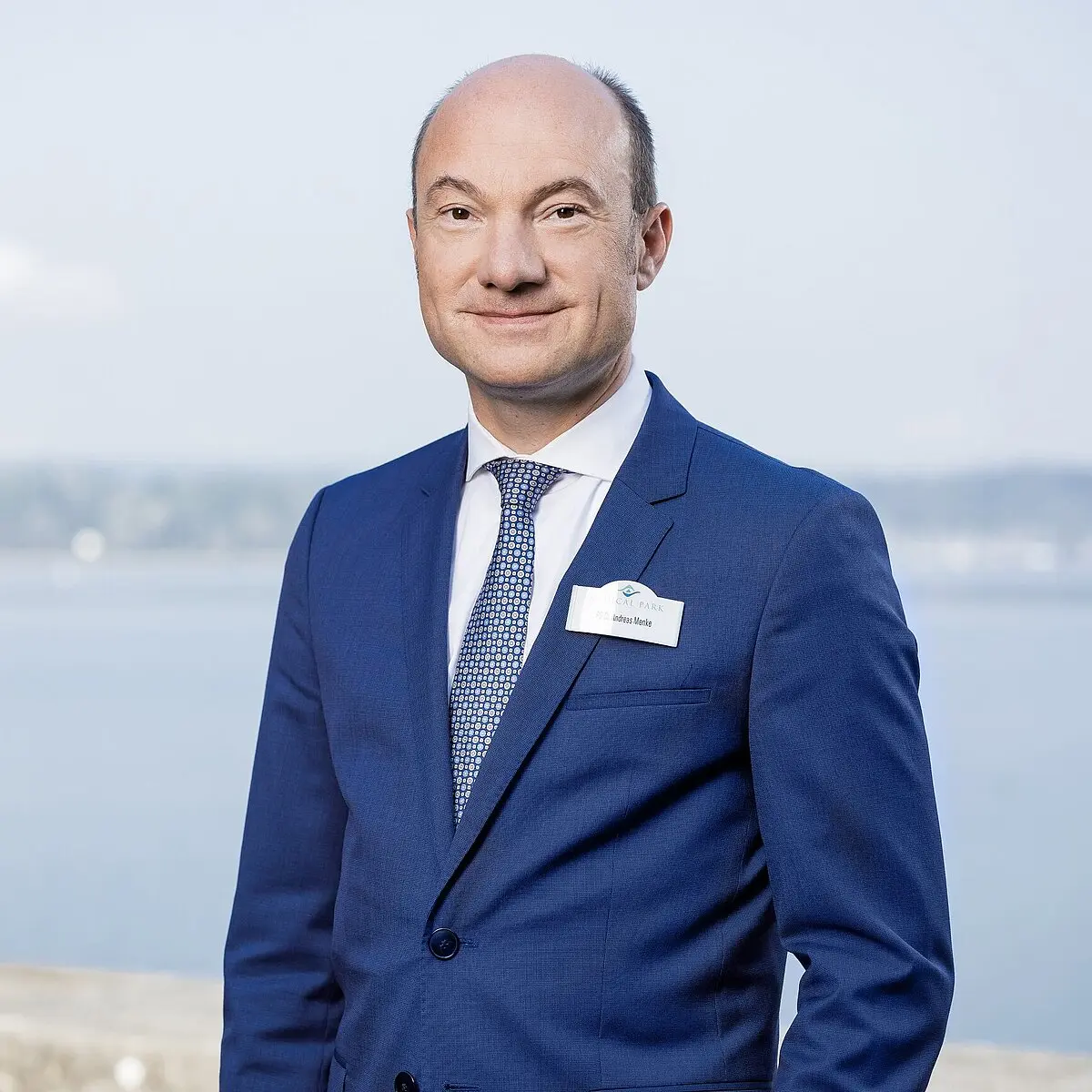
Prof. Dr. Andreas Menke, medical director and specialist in psychiatry and psychotherapy at Medical Park Chiemseeblick, also sees a medically relevant reason for the revival: "We have had good treatment options for depression with antidepressants since the 1950s. Compatibility has improved, but not significantly the effect and mechanisms."
Traditional medications do work, but only after four to six weeks and not at all in one-third of all patients. Psychedelics could fill this gap quite well, says Menke.
Psilocybin therapy: Clinical studies in Germany
Currently, clinical studies on psilocybin are also being conducted in Germany, for example at the Berlin Charité and the Mannheim Central Institute for Mental Health. The aim of the research: to enable a legal and safe medical application for the treatment of treatment-resistant depression. The first results are encouraging, suggesting that the treatment will be approved by the FDA and EMA in the coming years.
What makes psilocybin so interesting? It activates serotonin receptors, the release of dopamine and glutamate, thus providing feelings of happiness and harmony, stimulates neuroplasticity and therefore the further development of nerve cells, and additionally has anti-inflammatory effects.
It also seems to temporarily disable the so-called default mode network, a neurological mechanism that stabilizes the everyday world in the brain. And thus the rigid way of thinking about oneself, as is the case with some types of depression. So, one consciously creates disorder and thus enables reorganization.
Procedure of a psilocybin treatment
Patients participating in the studies receive a standard dose of psilocybin in a prepared calm environment in the clinic. In the presence of therapists, they then experience a daydream-like state that lasts four to six hours – an advantage over LSD, which works significantly longer. Subsequently, an integration takes place, a follow-up with psychotherapy.
How long the effects last and how often the administration can take place is still the subject of studies. Psilocybin is generally well-tolerated. According to current knowledge, there is no risk of addiction, at most a fixation on behavior.
Ketamine therapy: Already approved in psychiatry
Currently, the only therapeutic option is treatment with ketamine. Originally an anesthetic used in emergency medicine or pain therapy, it is also considered a hallucinogenic substance. It was used in psychiatry as an infusion to treat depression. This means that doctors must decide for themselves whether the drug is appropriate for the patient, even if it does not have official approval for this indication. But the success has proven them right.
"It worked well, even significantly faster than with classic antidepressants," said Prof. Dr. Andreas Menke. "Often within hours. The initial problem was that it didn’t last very long. However, there are now good studies showing that it also works over a longer period when used regularly."
Esketamine nasal spray: New treatment option
Recently, esketamine has also become available as a nasal spray: "It is approved for treatment-resistant depression and acute suicidality in depression, currently still for hospital use, but soon probably also for outpatient care," Menke said. The patient then administers the spray themselves under medical supervision to therapeutically address occasional dissociations.
Cannabis in medical application
The positively life-changing effects of psychedelics are exemplified by the case of Swiss entrepreneur Daniel Kreissel. In his early twenties, he was in a coma with severe brain injuries following a motorcycle accident and had to relearn how to speak and walk. Pain and epilepsy-like seizures were his constant companions.
As well as painkillers and their severe side effects – for over ten years. In a Swiss clinic, a professor told him that cannabinoids could be helpful for brain injuries like his. Daniel Kreissel subsequently began to intensely study the cannabis plant and its various genetics with a partner, produced tinctures himself, and started self-treatment.
Ayahuasca ceremonies: Processing trauma
After about two years, he claimed to be almost one hundred percent rehabilitated – contrary to any prognosis. But his trauma was still unresolved. So the path back to life also led him to Ayahuasca. The plant brew is used by indigenous shamans in South America in religious rituals.
For a few years now, it's also been an organized self-exploration trip for hipsters from all over the world. In special ceremonies, the hallucinogenic drink is administered. This usually leads to vomiting up to the dissolution of the boundaries between the world and the self. Fears, beliefs, and traumas can surface.
This was also the case for Daniel Kreissel: He saw his accident, which he could no longer remember, play out like a film. But allowing this nightmare freed him from his trauma. And provided the missing piece on which he could continue to build with therapists.
Healing Center: Holistic psychedelic therapy
In the meantime, the path has led to a business. The now 40-year-old founded, among other things, a biotech company that researches the healing potential of cannabinoids, psychedelic medicine like psilocybin, and adaptogenic plant substances, as well as the alter self-healing methods. In addition, he has invested in a company that offers ceremonies with psychedelics in the Netherlands.
Furthermore, he is planning a pilot project for a healing center in Zurich next year, in collaboration with the Swiss health authorities. There, club members will be offered a holistic concept of ancient healing practices such as meditation, breathing techniques, or fasting, as well as access to cannabinoids, psychedelic therapy, and "forgotten" plant substances that are cultivated biodynamically and organically in Switzerland and distributed through the affiliated "nature pharmacies". "The goal is to create a balance between body, mind, and spirit," says Kreissel.
Risks and side effects of cannabis
When it comes to cannabis, not only in Germany are there currently many developments indicating a – however restricted – legalization in the coming years. However, the use is not without problems, says Prof. Menke. "From a psychiatric perspective, cannabis is not such a great substance. It can be used medically for certain pain conditions, also to increase appetite in diseases like AIDS or cancer." However, regular use is problematic – especially under 25, when the brain is still developing.
Long-term effects of cannabis use
"An acute side effect could be a horror trip, which can be traumatizing. We also repeatedly see young people in psychiatry who develop schizophrenia. Studies have also shown that with regular cannabis use, the frontal cortex becomes thinner." Most long-term users develop an amotivational syndrome – a phenomenon that can lead to reduced performance, indifference, or total apathy. Something that cannot really be treated successfully, says Menke.
Frequently asked questions about psychedelic therapy
Is psilocybin legal in Germany?
Psilocybin is currently classified as a narcotic in Germany and is subject to the Narcotics Act. Possession and consumption are illegal. However, clinical studies are currently underway at renowned institutions such as the Berlin Charité and the Mannheim Central Institute for Mental Health.
Within these scientific studies, the application is allowed under strictly controlled conditions. Authorization as a drug by the EMA is expected in the coming years, which would then enable legal therapeutic use.
How does psilocybin work against depression?
Psilocybin unfolds its antidepressant effects through several mechanisms: it activates serotonin receptors in the brain and promotes the release of dopamine and glutamate, leading to positive mood changes. Particularly interesting is its effect on the Default Mode Network – a neuronal network that often maintains rigid thought patterns in depression.
Psilocybin temporarily disrupts this and allows a "reorganization" of thought patterns. Additionally, it stimulates neuroplasticity, the brain's ability to form new neuronal connections, and has anti-inflammatory effects.
Where can one receive ketamine therapy in Germany?
Ketamine therapy is now offered in specialized psychiatric clinics and practices. Especially the esketamine nasal spray (Spravato®) is approved for treatment-resistant depression and acute suicidality. The treatment is initially conducted under clinical conditions, and outpatient use is planned.
The therapy must be conducted under medical supervision, as dissociations can occasionally occur. Interested individuals should contact psychiatric specialist clinics or practices specializing in psychedelic therapy. Costs are covered by health insurance in certain cases.
Is psychedelic therapy safe?
Under controlled, clinical conditions, psychedelic therapy is considered relatively safe. According to current knowledge, psilocybin poses no risk of addiction, at most a behavioral fixation. The substance is generally well tolerated. However, professional guidance by trained therapists in a prepared setting is important.
The treatment includes thorough preparation, the actual session (4-6 hours), and therapeutic follow-up (integration). Contraindications are certain mental illnesses such as schizophrenia and cardiovascular problems. Medical pre-diagnosis is therefore essential.
How long does the effect of a psilocybin treatment last?
The duration of therapeutic effects is still the subject of ongoing studies. Initial results show that a single psilocybin session can have antidepressant effects in some patients for several weeks to months. Unlike traditional antidepressants, which must be taken daily, psilocybin therapy might be repeated at larger intervals.
The exact frequency and dosage are currently being researched in clinical studies. Crucial for long-term success is the therapeutic integration of the experience.
What does psychedelic therapy cost?
The costs vary significantly depending on the form of treatment. Ketamine infusions as an off-label treatment cost between 300 and 600 euros per session and are usually not covered by health insurance. The approved esketamine nasal spray is reimbursed by health insurers if indicated.
There are no established prices for psilocybin yet, as it is currently only available through study participation, which is usually free for patients. After potential approval, cost coverage by health insurers is expected, at least for treatment-resistant depression.
Who is psychedelic therapy suitable for?
Psychedelic therapy is primarily aimed at patients with treatment-resistant depression – that is, people for whom conventional antidepressants do not work sufficiently. There are also positive experiences with acute suicidality (especially with esketamine).
Other areas of application being explored include anxiety disorders, PTSD, addictions, and existential fears in severe illnesses. The therapy is not suitable for people with psychotic disorders, a history of schizophrenia, or certain cardiovascular diseases. A careful psychiatric diagnosis is a prerequisite.
What is the difference between ketamine and psilocybin?
Ketamine is an anesthetic that has been used in medicine for decades and has been approved as an esketamine nasal spray for depression. It acts very quickly (often within hours) through a different mechanism than psilocybin, namely through NMDA receptors.
However, the effect is shorter-lasting and must be repeated regularly. Psilocybin, on the other hand, is a naturally occurring alkaloid from hallucinogenic mushrooms that works through serotonin receptors. It is not yet approved but shows promising long-term effects in studies after just a few sessions.
Can psychedelic therapy be combined with other treatments?
Yes, psychedelic therapy is typically seen not as a substitute but as a complement to other forms of treatment. Integration – that is, the psychotherapeutic processing of the psychedelic experience – is an essential part of the treatment concept.
Many patients are already in psychotherapy or taking medication. However, certain interactions must be considered, especially with antidepressants from the group of MAO inhibitors. The combination should always be medically supervised and tailored individually.
How does medical use differ from recreational use?
The crucial difference lies in the setting, dosage, accompaniment, and objectives. In medical use, administration occurs in a controlled, therapeutic environment with trained professionals. The dosage is standardized, and there is extensive preparation and follow-up.
The goal is to treat a specific condition. With recreational use, these safety precautions are missing, the dosage is uncontrolled, and there is a significantly higher risk of negative experiences such as bad trips or long-term psychological issues. Additionally, non-medical use is illegal.