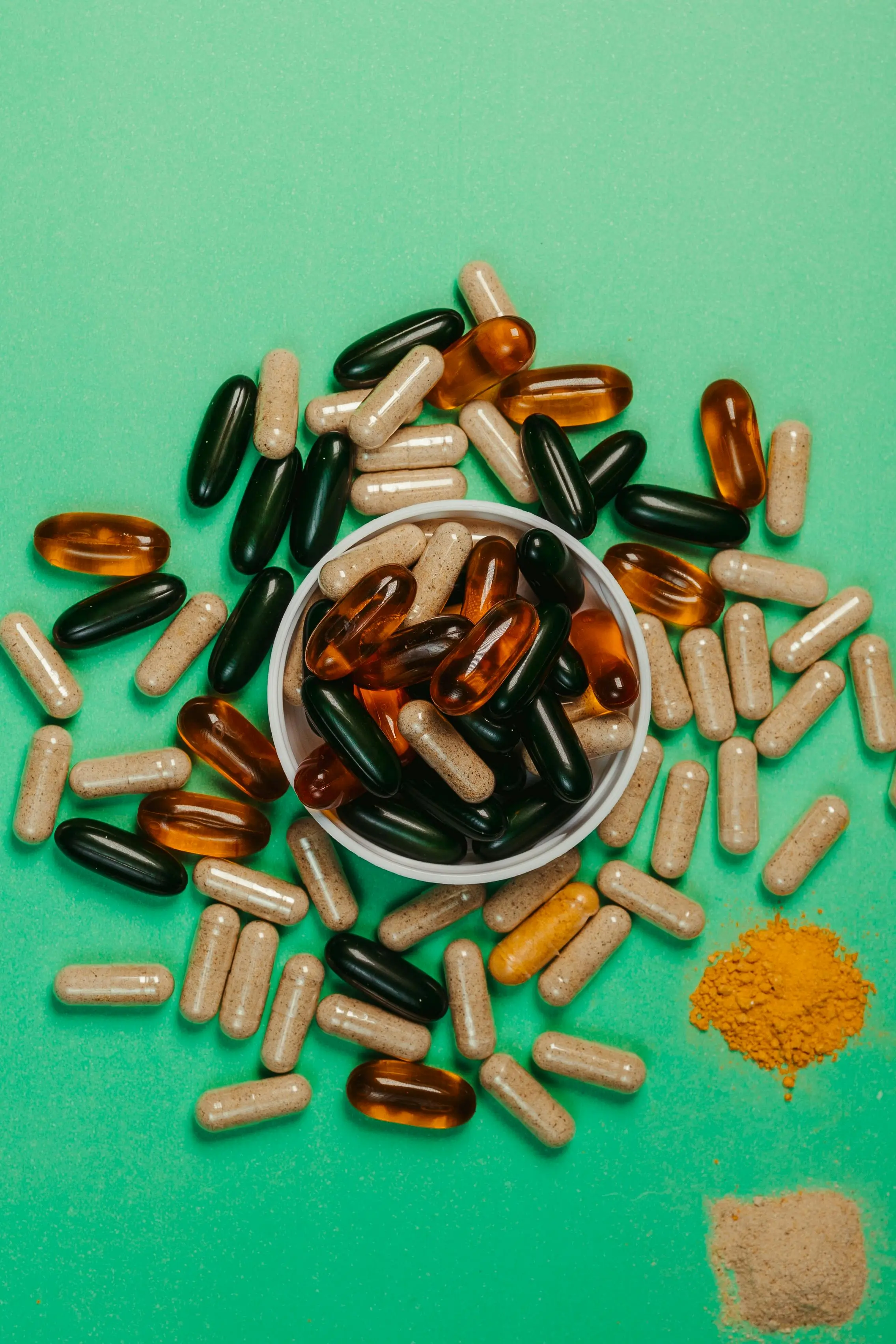
Many people take vitamins or other dietary supplements while taking Ozempic or Wegovy. They assume that their body needs extra support due to their reduced food intake. However, it's not quite that simple.
The active ingredient semaglutide not only changes eating behavior but also affects digestion. As a result, some dietary supplements may be tolerated differently or may intensify side effects. That said, a reduced appetite doesn't automatically lead to vitamin or mineral deficiencies. Whether supplements are actually beneficial depends on a person's diet and individual needs.
At a glance
Some dietary supplements can be problematic when taking Ozempic or Wegovy.
Berberine, chromium, and other blood sugar-lowering supplements should only be taken after consulting a doctor.
Fat burners and appetite suppressants can worsen nausea, heart palpitations, or other side effects.
Fiber supplements should be increased gradually and always taken with plenty of fluids.
Protein and electrolytes, on the other hand, may be beneficial depending on your diet.
Anyone who regularly takes medication should always consult a doctor or pharmacist before adding dietary supplements.
These dietary supplements should be carefully evaluated when taking Ozempic
Berberine, chromium, and other blood sugar-lowering supplements
Berberine, cinnamon extract, fenugreek, and chromium are often marketed as gentle diabetes aids and natural alternatives to Ozempic. However, when used alongside the weight-loss injection, they could prove dangerous, as scientific studies have found.
Some users want to speed up their weight loss even further and turn to fat burners or over-the-counter appetite suppressants to do so.
Many of these products contain high levels of caffeine or ingredients such as guarana, green tea extract or synephrine. These can trigger heart palpitations, anxiety, or sleep disturbances, and may worsen existing side effects of Ozempic, such as nausea or stomach issues.
There is currently no scientifically proven benefit to combining it with semaglutide for weight loss.
Fiber bombs (psyllium husks & inulin)
Fiber is healthy, but with Ozempic there is a risk of a "blockage." Too large an amount of swelling agents in a slower-working stomach can lead to painful bloating (meteorism) and constipation. If you take fiber supplements, it is best to do so only in small doses and with extremely large amounts of water.
Why Ozempic and Wegovy can alter the absorption of supplements
Studies show that semaglutide significantly slows gastric emptying — a key mechanism behind the weight-loss injection. Food stays in the stomach longer before moving into the small intestine. This effect is precisely what helps people feel full for longer, leading many to naturally eat less.
At the same time, however, this can also affect the absorption of certain medications or dietary supplements in the intestine. Some users therefore report changes in how well they tolerate certain preparations, or more pronounced gastrointestinal complaints.
Common mistakes people make with dietary supplements while using weight-loss injections
The issue usually isn't any individual supplement, but rather the way they are taken. Taking as many supplements as possible doesn't automatically benefit your body. In fact, the opposite is true: the more preparations you take at once, the harder it becomes to correctly identify side effects or intolerances.
These are some of the most common mistakes.
Starting several new supplements at the same time
Many people start taking a multivitamin, magnesium, omega-3, and protein powder all at once. If nausea, bloating, or diarrhea follows, it's nearly impossible to pinpoint which product is to blame.
It is best to introduce new dietary supplements one at a time and monitor tolerability for a few days.
Taking dietary supplements as a precaution
People who eat less while taking Ozempic often worry that they will develop a vitamin or mineral deficiency. In reality, however, this is not necessarily the case. Whether supplementation is beneficial depends on a number of factors, including diet, length of treatment, and any pre-existing conditions.
Attributing side effects to Ozempic
Nausea, a feeling of fullness, and digestive issues are among the most common side effects of semaglutide. Taking multiple dietary supplements at the same time can worsen these symptoms or cause the supplements themselves to be poorly tolerated.
It is therefore always worth checking the supplements being used whenever new symptoms appear.
FAQ: Supplements and Ozempic
Can I take berberine together with Ozempic?
This is generally not advisable without first consulting a doctor. Berberine can also affect blood sugar levels, and the risk of hypoglycemia may be heightened, particularly when other diabetes medications are taken alongside Ozempic.
Is omega-3 beneficial while taking Ozempic?
Omega-3 fatty acids are generally well tolerated. In some cases, delayed gastric emptying may cause belching, but taking them with a meal can help.
Can I combine magnesium with Ozempic?
Generally, yes. However, some magnesium compounds — such as magnesium citrate — can also stimulate the bowels. Anyone who already suffers from diarrhea should pay close attention to how well they personally tolerate it.
Do I need to take vitamins while on Ozempic?
No. A reduced food intake does not automatically lead to vitamin deficiencies. Whether dietary supplements are beneficial depends on the individual's diet and any existing deficiency states.
Do I need to wait between taking Ozempic and dietary supplements?
Since Ozempic and Wegovy are injected under the skin once a week, there is no recommended time interval to observe between taking them and dietary supplements.
However, semaglutide slows gastric emptying, which can affect how quickly certain active ingredients reach the intestine and are absorbed.
When should I seek medical advice?
If you experience persistent symptoms such as nausea, pronounced fatigue, dizziness, or other unusual complaints, you should have them evaluated. It can be helpful to bring a list of all the supplements you are taking so that any possible connections can be better assessed.
Conclusion: Combine less, choose more selectively
Dietary supplements are not generally off-limits when taking Ozempic or Wegovy. However, certain preparations should be used with caution, particularly plant compounds that lower blood sugar, fat burners, and high-dose fiber supplements.
Taking supplements in a targeted rather than precautionary way, and taking unusual symptoms seriously, reduces the risk of unwanted interactions or additional side effects.
Note: This article is for general informational purposes only and is not a substitute for medical advice. If you are taking Ozempic or Wegovy and are unsure whether a dietary supplement is right for you, please consult your doctor or pharmacist.