© Tara Winstead
April 1, 2026
Philip Reichardt
Self-care, holistic health, and a system in crisis: Futurist Corinna Mühlhausen explains how our understanding of health is changing
What does it mean to be healthy today?
Is it enough to eat a balanced diet, exercise adequately, and get enough sleep? Or is it now about more—mental balance, self-responsibility, and even the state of our planet?
Health today is navigating a field of tension: between individual self-care and global crises, between personal well-being and structural problems in the system. It's no longer just a private matter but a societal issue.
Futurists therefore speak of a megatrend—a development that permanently shapes our lives. A central term here is "Holistic Health": the idea that body, mind, Lifestyle and environment are inextricably linked.
But what does that mean in concrete terms? And where is our understanding of health developing?
Futurologist Corinna Mühlhausen has been dealing with precisely these questions for years.
Ms. Mühlhausen, the Future Institute, for which you have been writing the Health Report for several years, has identified 12 megatrends and developed a map reminiscent of a subway plan. A central line alongside others such as New Work, Gender Shift, or Silver Society is called Health. Isn't health far more than a megatrend? Isn't it a fundamental human need?
Using the term health in trend and future research is indeed a problem. Health is simultaneously a basic need, a megatrend, and the name of an entire industry. That makes it complicated. Being healthy used to mean not being sick. Until the demands for health increased enormously.
One of your studies found that health stands for "physical well-being," "balance of body and soul," and "fitness and performance" for about 70 percent of respondents. Where is this leading?
Since the pandemic, the development is pointing in the other direction. Everything associated with well-being and wellness took a significant hit during the pandemic. The unity of body, mind, and soul is once again much more strongly seen as the absence of illness perceived. The longing to be healthy is becoming greater again, after the rather symbolic feeling of well-being.
The central thesis of the Health Report is that health is not only closely linked to our lifestyle but also to our environment, and that our lifestyle in turn affects our environment. In short, everything is interconnected. They therefore speak of Holistic Health. Is it not enough to sleep well, exercise, and eat well to remain healthy?
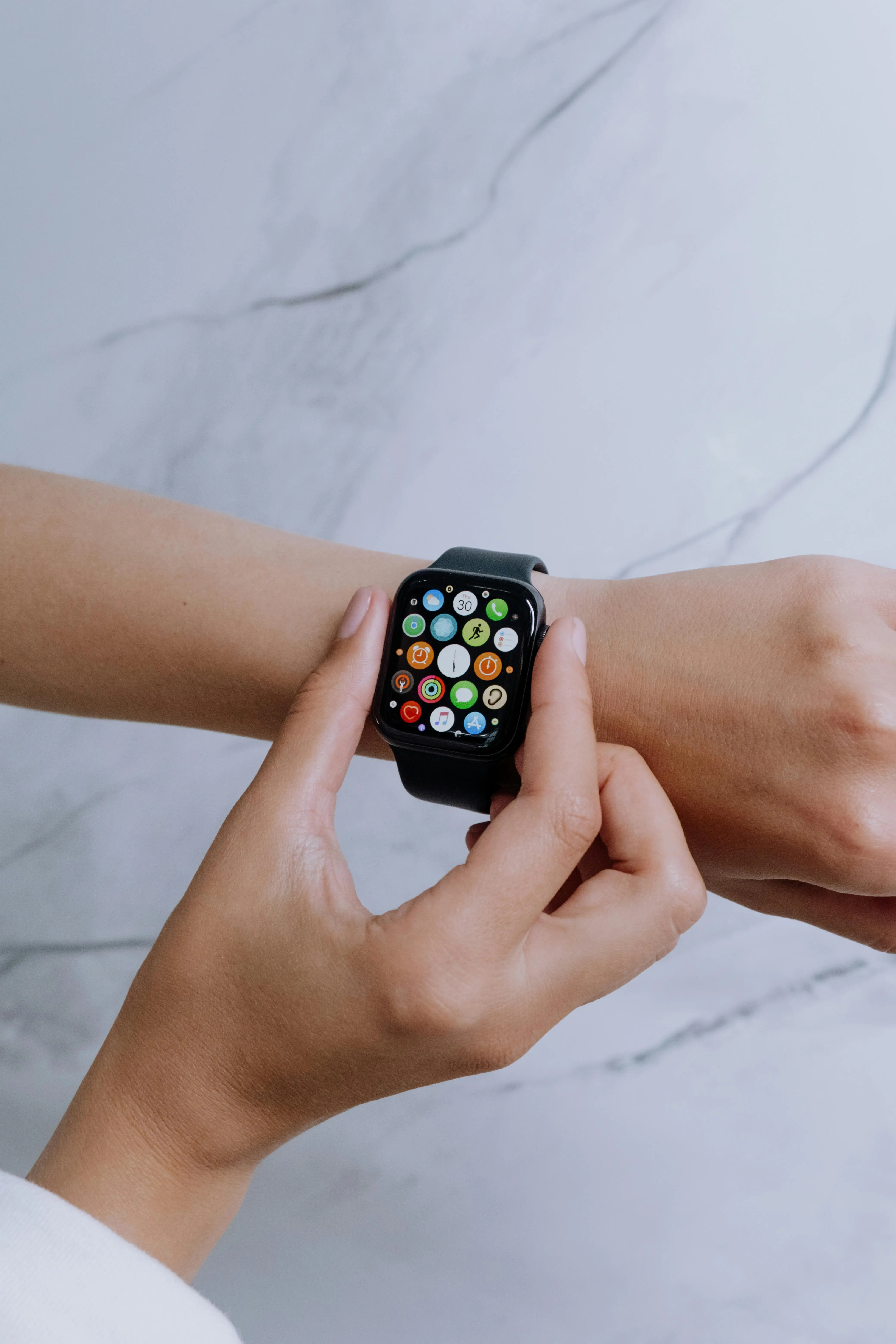
Most people have only recently recognized how important it is to relax, take breaks, and get enough sleep. Some milieus have already internalized this. However, the idea that apps can help count steps and calories or measure sleep quality are developments that are reaching the majority of the population gradually.
This also applies to the realization that with back problems Movement is often more sensible than rest. Holistic Health means that no matter how much an individual does for their health, they remain part of a system, a cog in a big game.
If the overall Earth system is damaged, it also harms the health of the individual. The growing awareness of these systemic connections, both in society and in the economy, is of great importance.
Back to the subway map: The two lines health and individualization intersect at two points. One is called Self Care, the other self-optimization. What kind of self hides behind these terms: an egotistical self or a social self?
Both. The elitist approach of only taking care of oneself exists just as much as the idea of maintaining one's health to have more strength for others. Athletes optimize themselves with regular training, but at the same time also experience a form of community spirit and belonging. It is not so easy to separate because humans have different needs. To fundamentally say that everyone who engages in self-optimization is an egotist, I find difficult.
Isn't there a danger that the focus on oneself, the inward gaze, comes at the expense of empathy?
Definitely. Perhaps such reactions only show in initial phases when someone starts with mental optimization and first plunges into themselves. A kind of initial worsening, which leads to paying more attention to others in the end.
The idea behind self-optimization is to strive for the best version of oneself.……
that is the very masculine interpretation of the term. Self-optimization stands for much more than creating a perfected version of yourself. If you interpret the term a little more softly, it also includes topics that are not about higher, faster, further. But about slower, more conscious, and a collective basic orientation.
Self-optimization does not automatically mean self-maximization, but can also stand for minimization. For many people, the term mainly stands for self-efficacy, that is, the feeling of being able to achieve something themselves. This may have to do with health, but it doesn't have to.
To what extent can society benefit from the strategy of self-care?
Very much. If every single person takes on this challenge, the system as a whole can also become healthy. Only then will I notice that I can achieve something and am not helpless. Many people argue that they practice self-care in order to have more energy to be there for others.
An objection to self-care concepts like yoga and meditation is that they produce egotists who are content and calm but indifferent to major social issues?
Sure, there is a danger of isolating oneself and retreating inward. But when I exercise , there is also a risk of injuring myself. Therefore,demanding to refrain from one or the other makes no sense. Before the COVID-19 pandemic, the tendency was even more pronounced. This has since balanced out with the many crises we face.
COVID-19 has also made it clear how vulnerable societies are when health is threatened. And it has provided numerous insights into weaknesses in the healthcare system. Which do you consider the most important?
The experience is that we are not as well connected as we thought. That we as a society, as a system, are vulnerable because we depend on others. And that it makes no sense to outsource at any cost because then we are left without disinfectants, masks, and antibiotics. The important lesson was that we have to manage on our own in an emergency.
And that there are systems that do not harmonize as well with our values as we always thought. Closely connected with the concept of self-optimization are the digital possibilities to collect data and measure one's performance.
Doesn't this lose the intuitive sense of what is good and what isn't?
That is an old accusation. Sure, there are people who run the risk of only paying attention to the data and not to their gut feeling. But there is also the opposite case. People who are reassured by the data that everything is okay.
Whether their nutritional needs are already met. Whether they drink enough. Whether their heart rhythm shows irregularities. Or whether they have taken their medication. I can also stick a device on my back that tells me if I am doing my back exercises in the right way. Self-optimization and self-tracking can contribute a lot to health care and prevention.
When people have more and more opportunities to control and check themselves, what does this mean for the self-perception of doctors?
I consider some doctors' fear of being replaced by technology or tracking as unfounded as it is curious. The more digitalized our everyday life becomes, the more natural the use of measurement data becomes. For people with chronic conditions and those with health risk factors, such measurement data can be incredibly helpful.
And anyone who tests their hormone levels or possible food intolerances in their own bathroom still needs someone to interpret these results, monitor them, and assist further. And here, the doctor remains the most important point of contact. No one enjoys more trust in health matters than the doctor, as studies repeatedly show. Especially after the pandemic.
Many older people share the feeling of being younger than they actually are...
... keyword class reunion: Afterwards, you always think: My God, they've all gotten so old!
What opportunities arise when older people don’t feel old? This can be a valuable resource for a society.
Not if it means that people feel young but still stop working at 60. When baby boomers retire early and take their life insurance abroad because they can live well there, it’s a form of self-centeredness that is dangerous for society, a systemic problem. The idea of doing something for others in old age exists in some circles, but far more could be done.
To highlight the positive aspects of aging, trend research has established the term Pro-Aging. What does it stand for?
Pro-Aging describes a reinterpretation: not condemning age with anti-aging strategies but embracing it and appreciating the experiences and resulting qualities like calmness. And focusing on the positive aspects of aging.
Never have people known so much about their bodies and well-being, never before has there been so much knowledge and so many possibilities to live healthily. What is the goal of this lifestyle? To grow older? To die healthy? Immortality?
Well, are we searching for happiness or meaning? In Germany, we differentiate between 28 different milieus – we have researched them with the Uranos Institute – where many different lifestyles have been established. Basically, the rule is: there are people who have a strong need for security and simply want to know that they are proven to be healthy and don't have to worry.
There are people who dream of immortality or eternal beauty. There are people who do everything imaginable to contribute to the preservation of the Earth. And others fill a vacuum of meaning and values with it.
Health as a substitute for religion?
Yes, there is not much that provides comfort anymore. We are often very alone with our questions and problems. Society has to cope with that first.
Why is it so difficult to accept that health has natural limits? For example, that an older person doesn't hear as well anymore?
Because in our society the belief is widespread that anything is possible if you work hard enough at it. The idea that due to an illness, a condition, or a weakness, certain things cannot be done is hard for many to bear. People have to relearn this.
Conversations and encounters often begin with the question "How are you?" Is it possible to answer that in a single sentence given the complexity of the subject?
Probably not. Otherwise, the meeting is quickly over. I still think it's a good opening question because it gives you a chance to listen to yourself for a moment.
Exceptionally at the end: How are you?When I realize that nothing personally affects me negatively, despite all the many things in the world that are not right at all, I am very grateful. So: Thanks, I'm doing well.

© Matthias Moeller-Friedrich
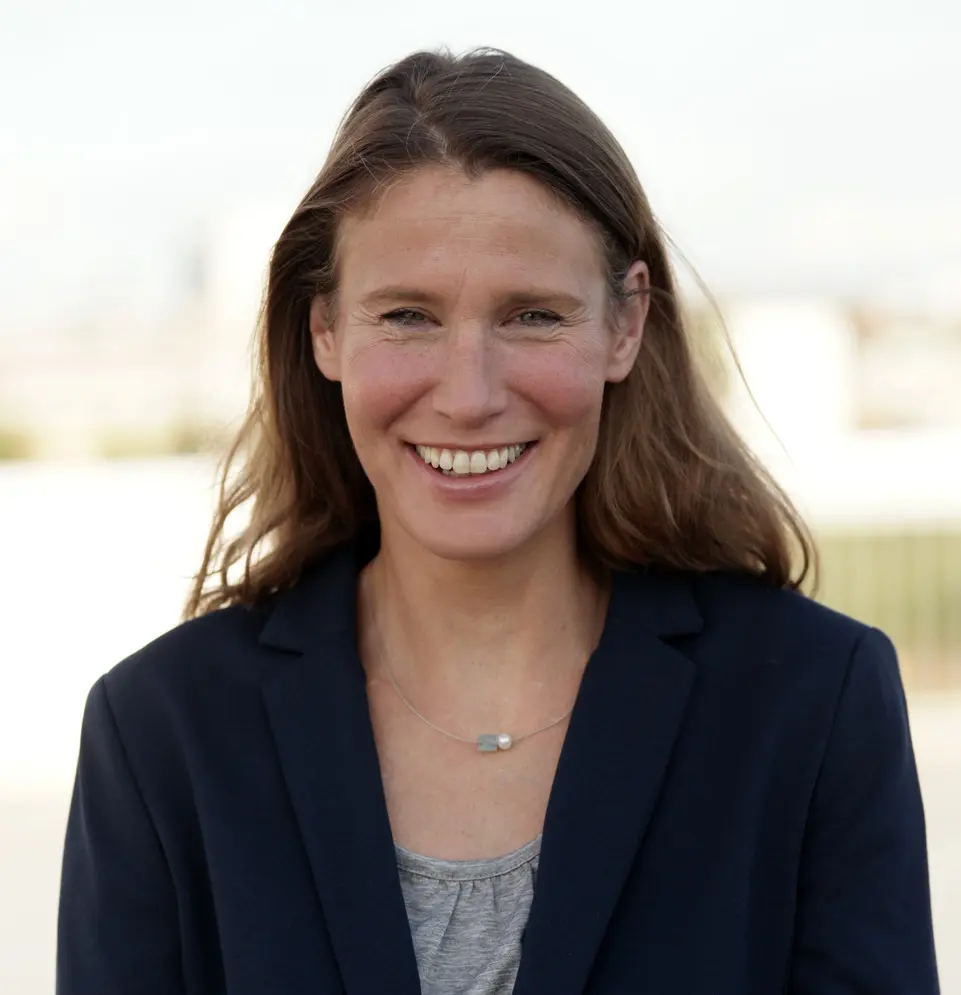
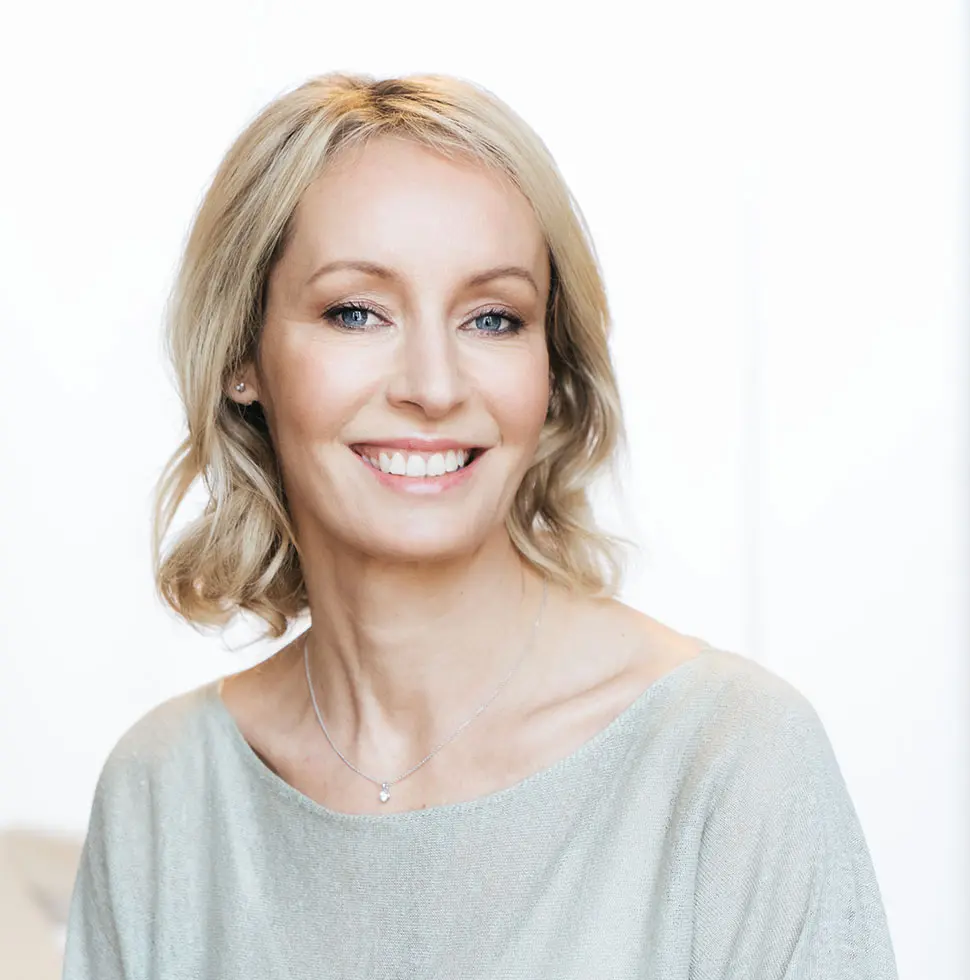
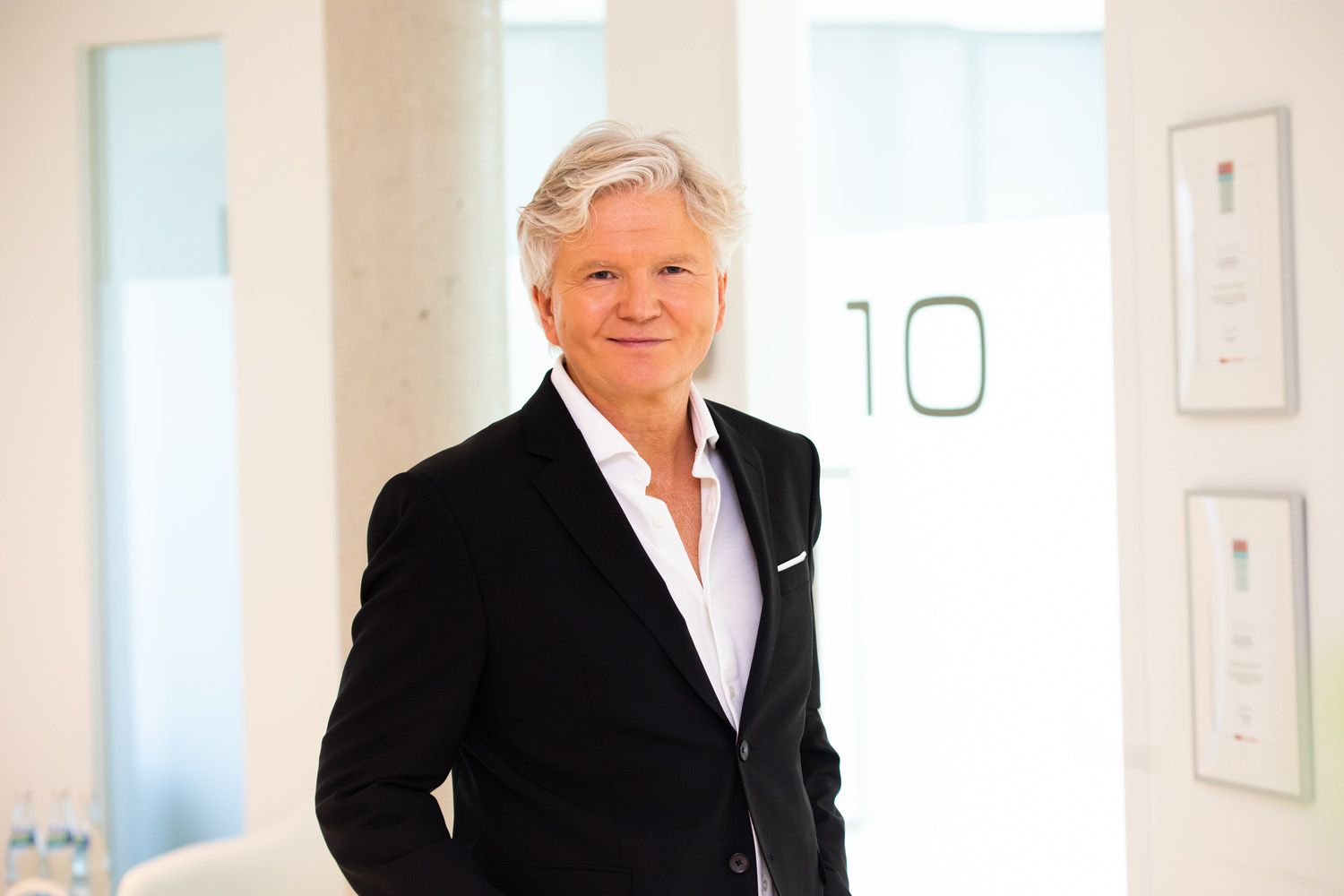
Trend researcher Corinna Mühlhausen