© Miguel á Padriñán
December 29, 2025
Margit Hiebl
Which preventive examinations are useful? Experts explain which check-ups you need – from laboratory tests to eye care to mental health.
With experts from our network
Health and its preservation have become synonymous with high quality of life and a life goal. To maintain it, 'Preventive Health' is gaining increasing importance in an ever more health-conscious society.
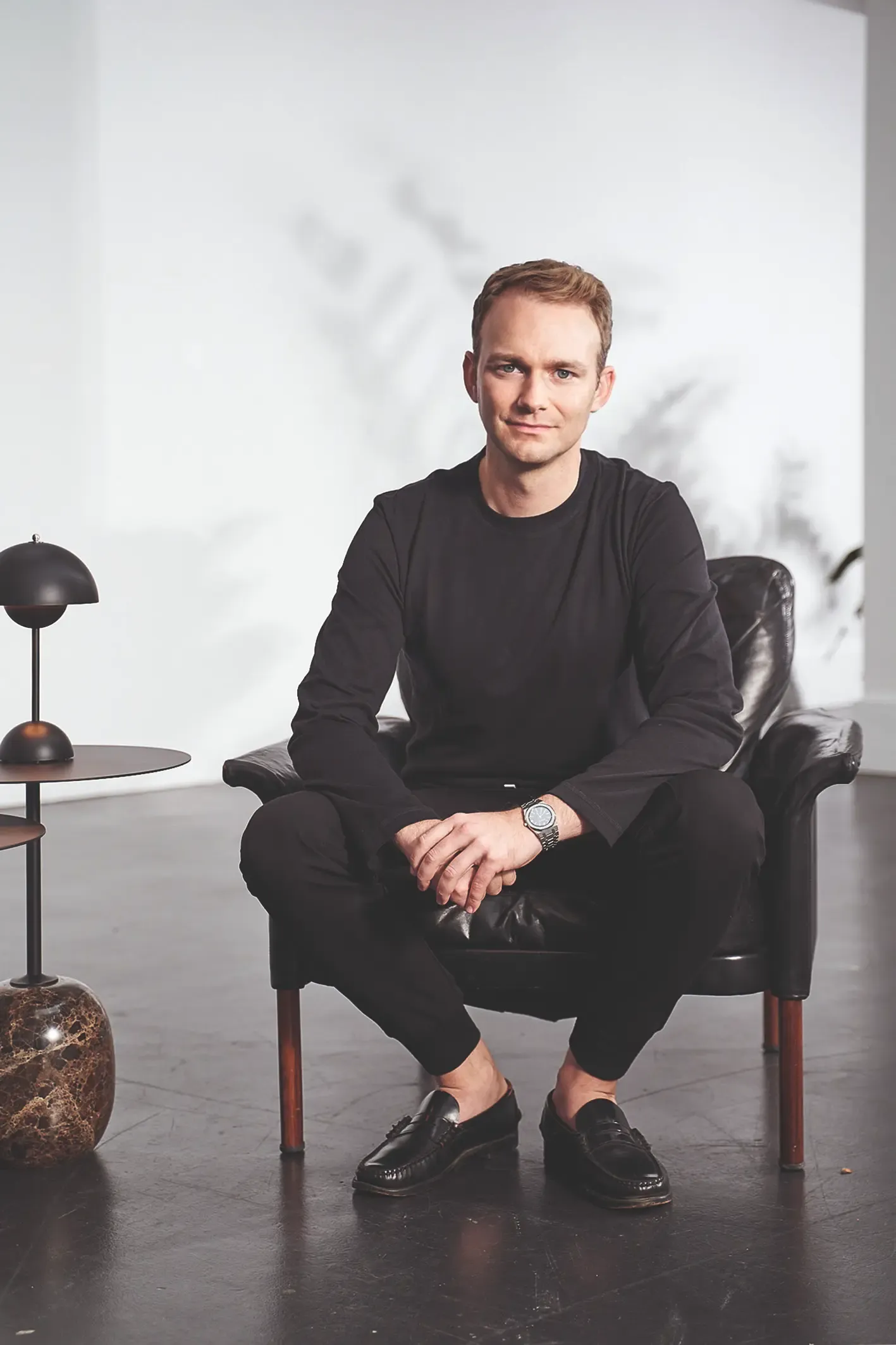
This refers to a bundle of measures. On one hand, what is summarized under the term healthy lifestyle. Also dealing with stress – and that it does not always have a harmful effect, you can even consciously use it to stay healthy. 'Deliberately induced stress situations activate survival genes. For example, in ice baths through cold, in the infrared sauna through heat, or during breathing exercises according to Wim Hof through CO2 accumulation,' explains Dr. Lukas Kohler, medical director at LVATE Aesthetics in Munich.
A prevention strategy that aims to lead to better cell health in the long term.Good preventive care also includes health checks that reduce the risk of illness through early detection. A check-up check:
For Dr. Werner Zancolo, the medical director of the Medical Resort Vivamayr Maria Wörth , annual laboratory analyses to determine the blood count, vitamin balance, minerals, trace elements, and hormones are important preventive routine examinations. “Also a determination of the fat and sugar metabolism, as well as liver and kidney parameters,” says the expert.
“From the age of 50, the classic preventive examinations, such as ultrasound of the organs, specialist examinations in gynecology or urology, as well as stomach and colonoscopy should be added.” If you want to do more: “To get an insight into the topic of gut health, microbiome examinations, i.e., stool analyses, are also quite sensible,” says Dr. Zancolo.
Genetic analyses, which provide information about the nutritional type and the body's detoxification capacity, are becoming increasingly popular. Those who experience a lot of stress and are exhausted can have the function of the mitochondria – the powerhouses in the cells – measured. “Fasting is an important part of prevention,” says Dr. Zancolo, “because it activates the cell cleaning process, the so-called autophagy.”
Once a year, the body should therefore be given three weeks to clean and regenerate. Preferably under medical supervision in a fasting clinic, especially if you are doing it for the first time, to better respond to so-called 'fasting crises'.
Exercise is also an important component of fasting. “But be sure to move moderately, no intensive sports, in order to exhale as many excess acids as possible and not to build up new acids.” In everyday life, intermittent fasting has proven itself, according to the expert. It is easier to carry out because you do not have to forgo food continuously.
Important: “The fasting period should last at least 16 hours, the eating break should take place in the evening, which means that skipping dinner is more effective than skipping breakfast.”
For Prof. Dr. Sebastian Siebenlist , head of university sports orthopedics at the Klinikum rechts der Isar in Munich, regular sports medical check-ups make sense to identify possible problems early but also to receive individual recommendations for the respective sport. There is also a subsidy from the insurance companies, usually every two years.
However, in his opinion, full-body scans without a specific reason are rather overrated. "These scans can be expensive and bring unnecessary radiation exposure without clear health benefits," says Prof. Siebenlist. "It is important to focus on specific examinations that might be necessary due to symptoms or risk factors."
This also applies to osteoporosis prevention: If risk factors such as vertebral fractures, cortisone intake, or type II diabetes are present, he recommends a bone density measurement rather early (according to guidelines, women over 70, men over 80 years). The best self-prevention measure is to avoid overloading.
This includes optimal preparation, which for Prof. Siebenlist already starts with technique and equipment. The sport must be learned correctly, and the equipment must be appropriate for skill and fitness level. In sports itself: warm-up thoroughly, stretch, always slightly increase intensity and training duration – listen to the body and watch for warning signals.
"Anyone who already has joint problems or injuries should get recommendations from a doctor, physician, or fitness coach." What also protects against overloading: Not only practicing one favorite sport exclusively but also trying others. Sports try to avoid unilateral strain.
A good addition can be to strengthen overall body strength and stability with squats, deadlifts, lunges, or functional training, provided there are no joint issues. Improve posture and stability by strengthening abdominal, back, and oblique muscles. Achieve more flexibility with stretching or yoga , better cardiovascular fitness through endurance training.
It doesn't hurt, and that's why it's so insidious: the glaucoma – or also glaucoma. It is the most common cause of blindness before the age of 60, and around 500,000 people in Germany are affected. For ophthalmologist Dr. Janna Harder it is therefore one of the most important preventive examinations after the age of 40:
“Glaucoma is a disease that you don’t feel and then notice it too late.” The increased intraocular pressure responsible for it, which irreparably damages the optic nerve, can be measured easily. Furthermore: “The early stages can be treated well with eye drops that lower eye pressure or gentle laser methods.”
But otherwise, a professionally preventive look into the eyes is worthwhile: “The retina is the only organ in which you can see arteries and veins directly and without ultrasound,” says Dr. Harder. This is important, for example, for diabetics, but also for the early detection of high blood pressure and vascular narrowing – thus ophthalmology also helps in other areas of prevention.
What can you do yourself for eye health? “A lot of daylight and looking into the distance,” says Janna Harder. This prevents certain neurotransmitters from causing the eye to grow more “in length,” leading to nearsightedness. Everyone should therefore go outside daily, but always protect the eyes with sunglasses from UV light in summer and snow.
Furthermore: “Blink vigorously more often at the computer,” recommends the doctor. “This expresses the glands in the eyelids and improves the tear film. Advice for contact lens wearers: “Wear them for a maximum of eight hours, don’t sleep with them, and ensure adequate moisture – especially if you work a lot at the computer.” And: Regularly have days without contact lenses – especially for those who have been wearing them for a long time – to prevent contact lens intolerance.
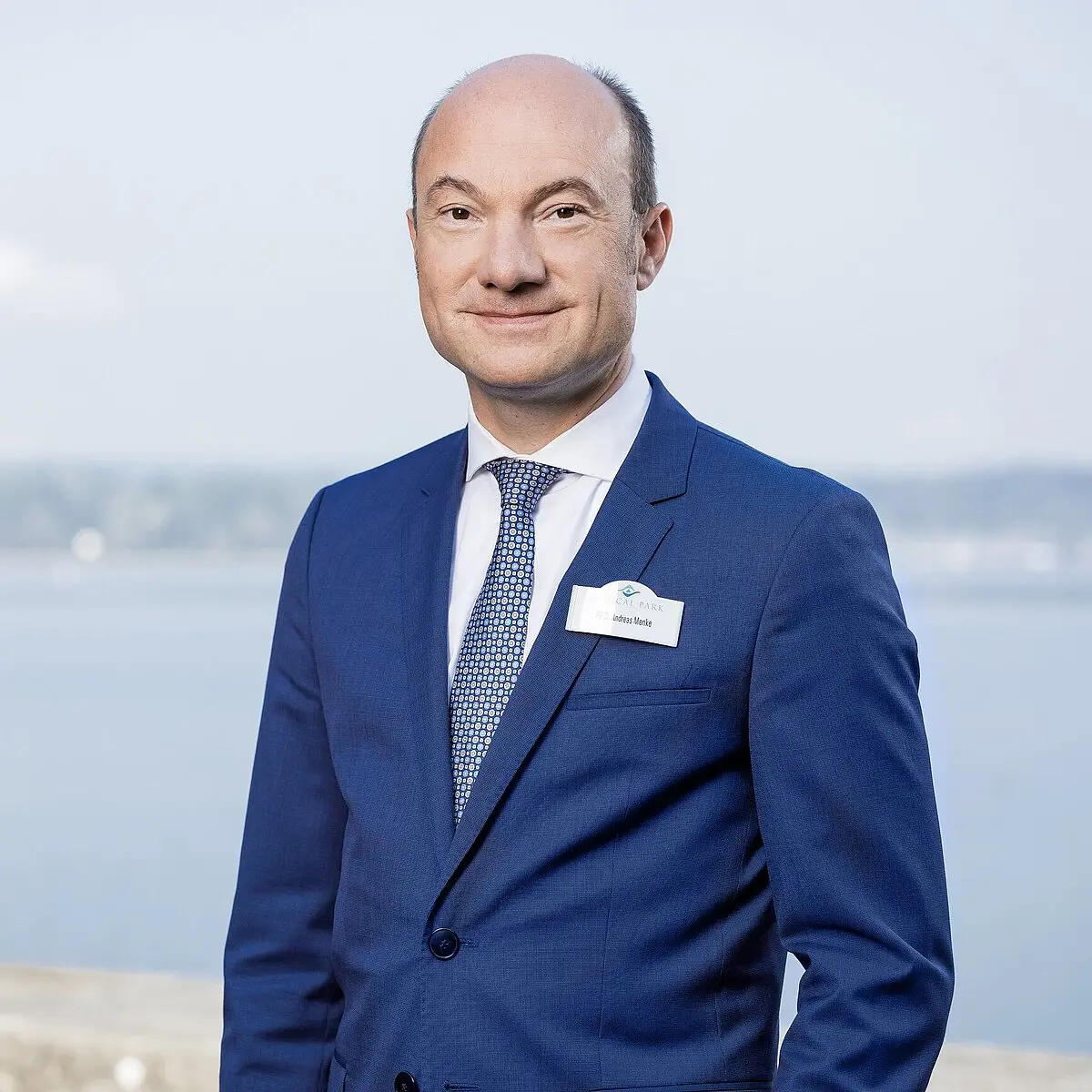
“Mental health usually only comes into focus when early warning signs or symptoms are already present. Depression is now the number one cause of early retirement,” says Prof. Dr. Andreas Menke , medical director of Medical Park Chiemseeblick, a specialist clinic for psychosomatic medicine and psychotherapy.
Unfortunately, there is still no check-up in terms of prevention. For a first small self-assessment, Prof. Menke recommends the mood questionnaire 'PHQ9' (available at deutsche-depressions-hilfe.de ). The result could then be a conversation with your general practitioner or psychotherapist. How can you reduce your own risk of developing depression?
One of the most effective measures is exercise – According to Prof. Menke, it should be at least 150 minutes of strength or endurance training per week. It is important that the sport is truly enjoyable and not perceived as duty. Therapeutic climbing on the wall has proven to be particularly effective.
“The mix of challenge, affirmation, trust, and control significantly increases self-efficacy according to studies, much more than regular sports sessions,” the expert knows. High self-efficacy also leads to being well-informed about mental health and potential stress factors.
The better you can help yourself. “As banal as it sounds: avoid chronic toxic stress as much as possible.” Acute stress is part of life and sometimes even has its benefits. But the classic job treadmill, an unhappy relationship, or a chronic illness (even of a relative) permanently burdens the psyche.
Those who cannot change the situation must learn to cope with it to avoid becoming ill. A classic component of psychotherapy would be ACT (Acceptance and Commitment) therapy. Alternatively, a break in a resilience retreat could help, such as those offered at the Ayurveda Parkschlösschen in Traben-Trarbach.
The combination of Ayurvedic body treatments, which open up emotionally and relax, with meditation and psychological coaching helps to break through blocking behavior patterns.
“Health begins in the mouth” is not just a phrase for dentist Dr. Malte Schönrock from Dent Aesthetic in Kellinghusen. Important cornerstones are regular dental check-ups and professional teeth cleaning. But a treatment system according to the motto “one fits all” is no longer enough for Dr. Schönrock:
“Individual preventive measures and the adaptation of therapies and treatments to the personal characteristics and needs of the individual patient in the sense of personalized medicine are at the forefront. This also includes individual diagnostics and health monitoring.” A sensible investment, even if insurance only partially covers it.
“Because it increases the chance of recognizing and intervening not only in changes in the mouth, but also early signs of certain systemic diseases.” Over 40 medical connections between an unbalanced bacterial flora and inflammation in the oral cavity have been scientifically proven.
From diabetes, cardiovascular diseases, rheumatic diseases, depression, cancer, osteoporosis, skin diseases, inflammation of endoprostheses to pregnancy complications.
From the age of 45, periodontitis is also considered the main cause of tooth loss. And it also affects mental health: "The impairment of the chewing process has been proven to affect blood circulation and brain function, learning and memory deficits can be the result," says Dr. Schönrock.
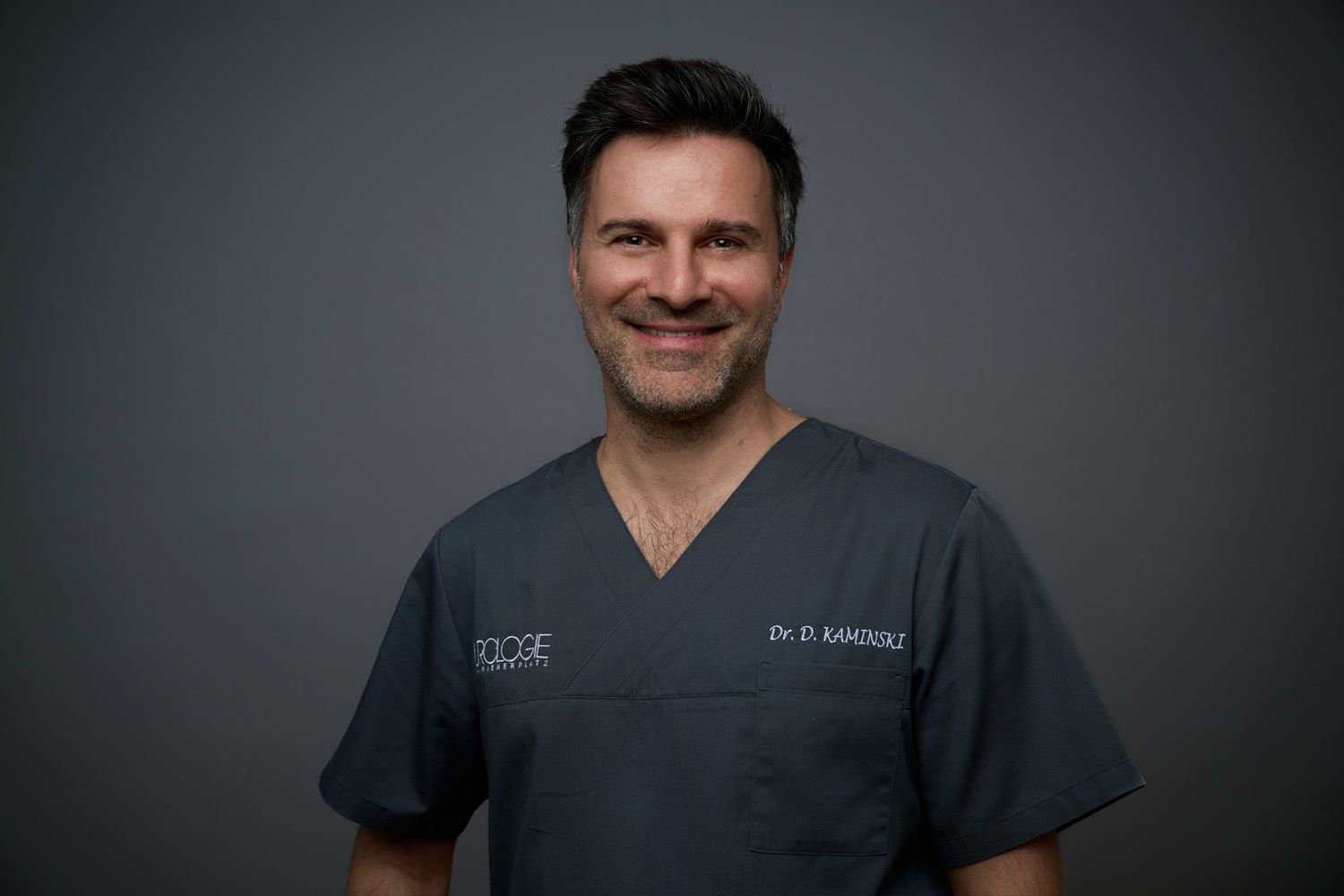
Primarily, prevention in urology refers to oncological diseases – because carcinomas and their consequences on the prostate, bladder, kidney, testicles, and penis are among the most common causes of death in men. Dr. Daniel Kaminski , specialist in urology and andrology, from the Urology at Wienerplatz in Munich, therefore advises: "Men from around the age of 40 should go for a preventive check-up once a year."
As a rule, statutory health insurance covers the digital-rectal examination of the prostate or palpation of the testicles and an ultrasound of the kidneys. Unfortunately, an extended prostate diagnosis with special tumor marker diagnostics is not covered, but Dr. Kaminski says every man should "treat" himself to it. Smokers should also have a bladder tumor antigen test because their risk of developing a bladder tumor is generally increased.
Lifestyle check-ups also make sense for men: "At the latest, when symptoms such as erectile dysfunction, fatigue, listlessness, or an increase in abdominal fat (despite physical activity) occur, hormone diagnostics should be considered," advises Dr. Kaminski. This way, a deficiency can be countered with medication.
The testosterone status is also interesting with regard to osteoporosis in men. The risk of developing it increases with the decrease in testosterone production as one gets older. A classic case of the gender gap in medicine.
Important for young men regarding future partnerships: They should also get vaccinated against HPV during puberty. This can reduce the risk for women of developing ovarian and cervical cancer due to the Human Papillomavirus.

 Find a Doctor
Search the network for suitable specialists and contact them directly
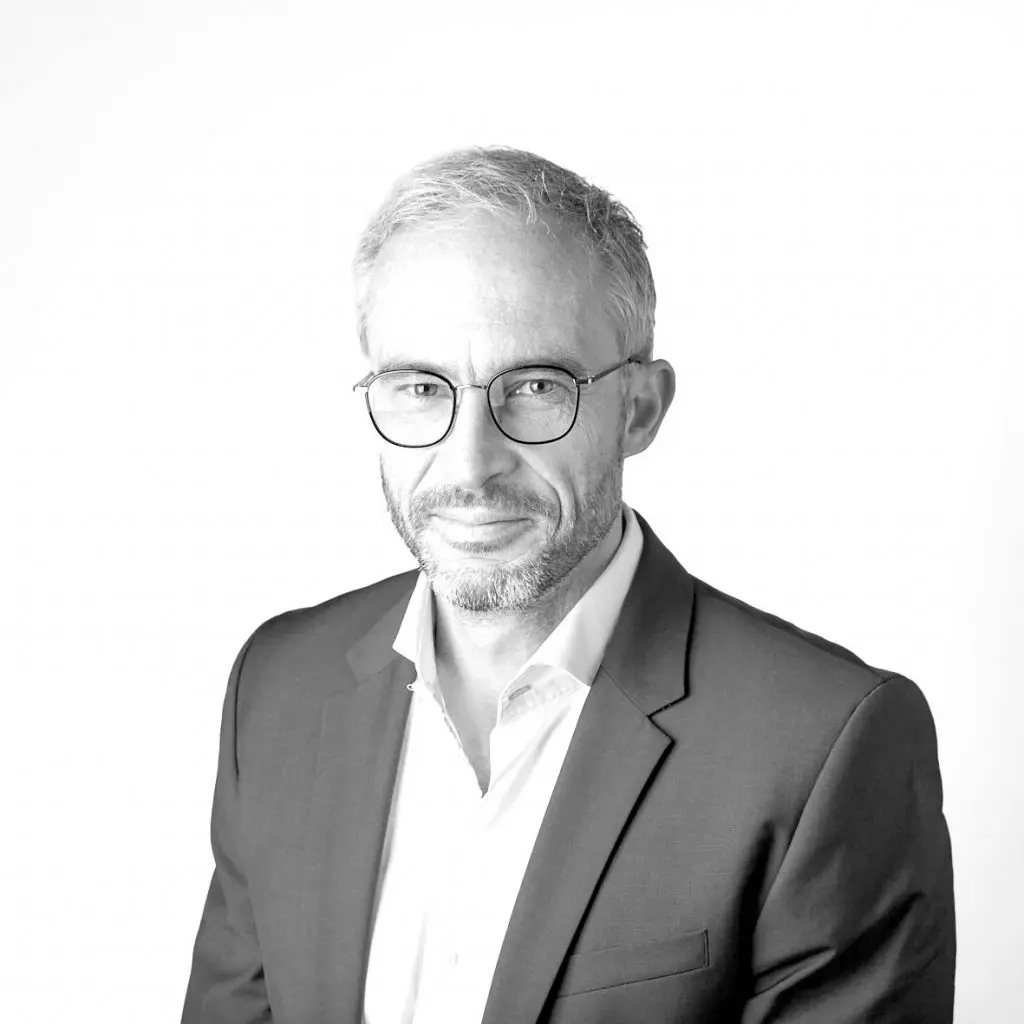
Professor Dr. Sebastian Siebenlist
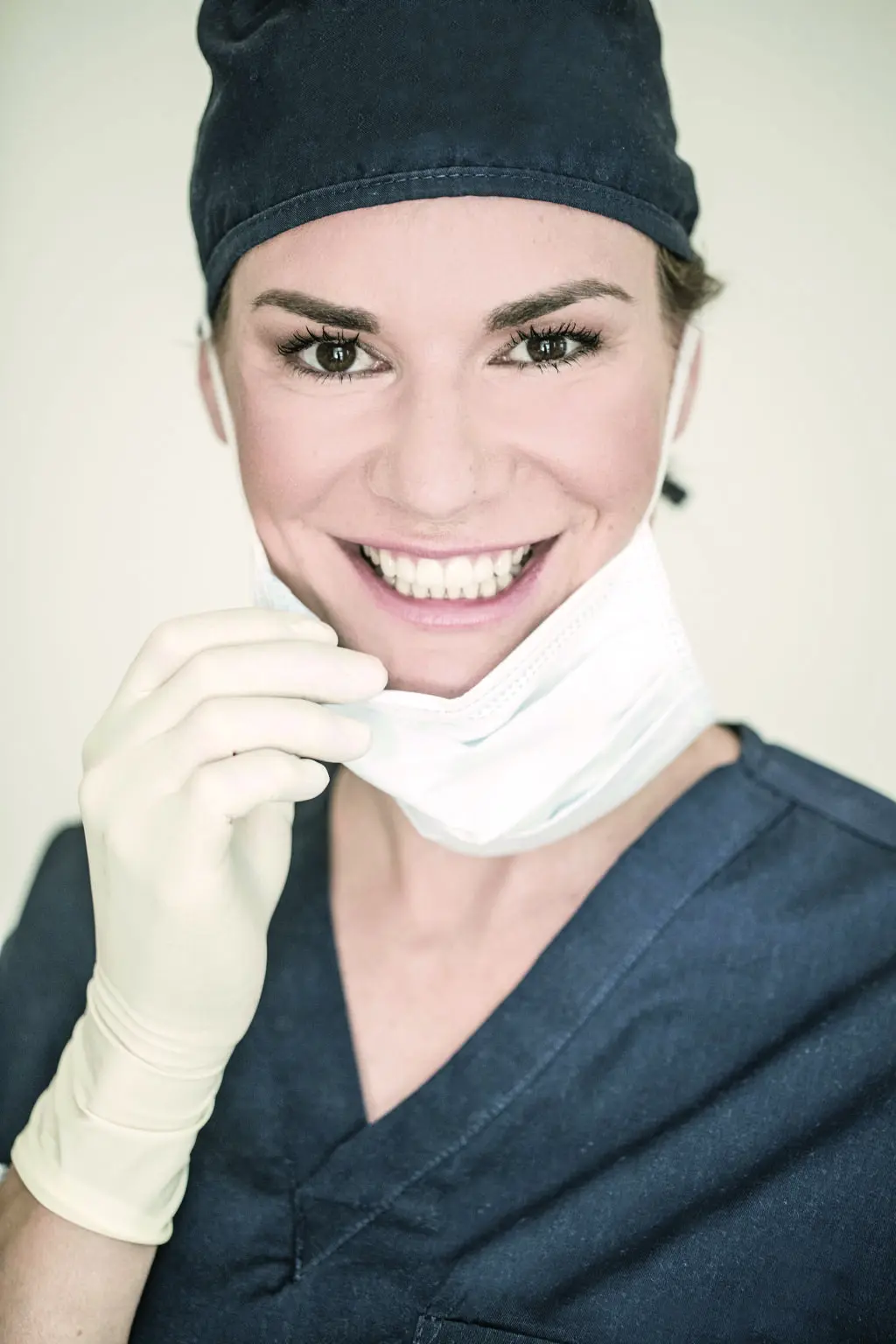
Dr. Janna Harder
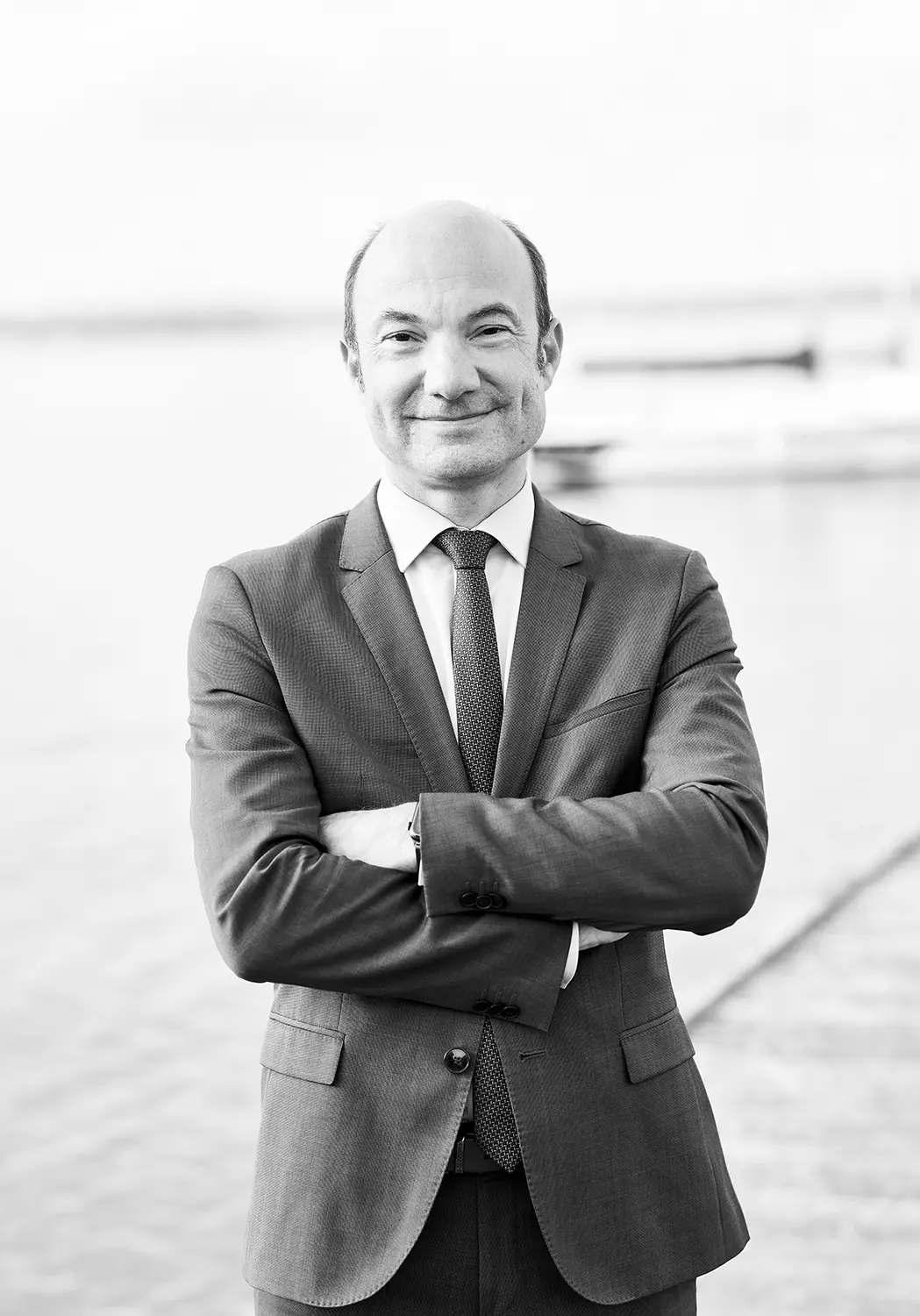
Prof. Dr. Andreas Menke

Dent Aesthetic in Kellinghusen

When cancer runs in the family, questions about one's own risk often follow. In the first installment of her column, geneticist Dr. Laura von der Heyden explains how inherited genetic variants influence the risk of breast, colorectal, and prostate cancer — and how this knowledge can change preventive care.
Dr. med. Laura von der Heyden

By

Implant or your own tissue, now or after treatment — or perhaps no reconstruction at all? Plastic surgeon Dr. Juliane Bodo explains what role radiation plays, what risks to expect, and why no one should make this decision under pressure.
Christine Bürg & Marianne Waldenfels
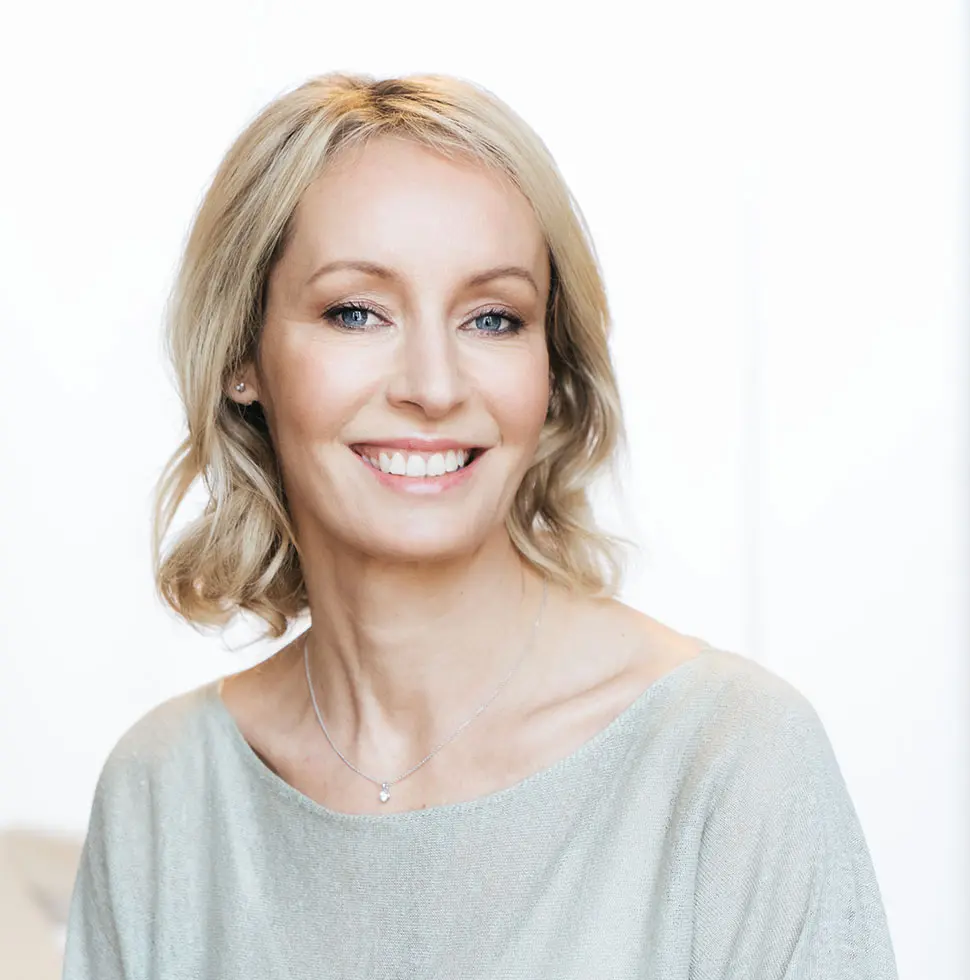
An interview with
Dr. med. Juliane Bodo
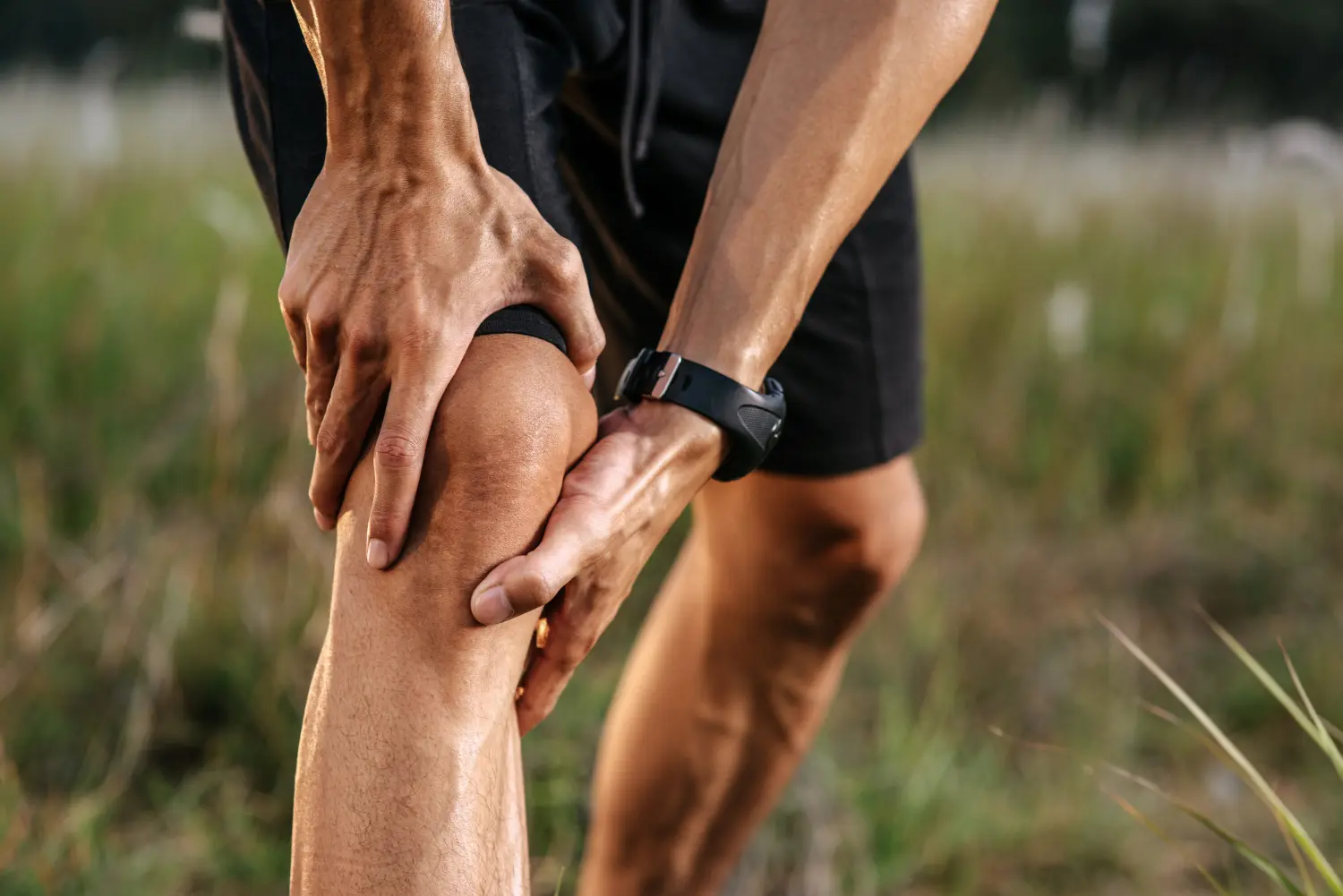
A single hydrogel injection into the knee may relieve osteoarthritis pain for years. Orthopedist Dr. Ivo Breitenbacher has treated around 200 patients with it and explains who the procedure is right for and where its limitations lie
Christine Bürg & Marianne Waldenfels
An interview with
Dr. med. Ivo Breitenbacher