© Chasity Campbell
November 26, 2026
Marianne Waldenfels
Psyllium husk has long been a go-to remedy for constipation. But eating two green kiwis a day may be more effective. British dietary guidelines now explicitly recommend the fruit for people with chronic constipation.
People with chronic constipation are often given the same advice: eat more fiber, preferably psyllium husk. Yet two green kiwis a day may be more effective than this well-established bulking agent.
In an international study, researchers compared the effects of both remedies in people with chronic constipation. Kiwis came out ahead on one key measure.
In October 2025, a team led by Dr. Eirini Dimidi and Prof. Kevin Whelan from King's College London published the first comprehensive evidence-based British dietary guidelines for adults with chronic constipation. They were published in the Journal of Human Nutrition and Dietetics and were endorsed by the British Dietetic Association.
To develop the guidelines, the scientists evaluated 75 clinical studies and formulated a total of 59 recommendations. Alongside psyllium husk and kiwis, these include rye bread, mineral-rich water, and certain probiotics and magnesium oxide.
The guidelines also highlight why the blanket advice to simply eat more fiber is not always enough. While there is specific evidence of efficacy for individual foods and supplements, the data supporting a generally high-fiber diet as the sole measure for chronic constipation is less convincing.
The idea that kiwis promote bowel activity is not a new discovery. As far back as 2021, the European Food Safety Authority (EFSA) had scientifically recognized a link between the consumption of green kiwis and normal bowel movements. Just how well the fruit holds up against an established bulking agent was demonstrated by a study published two years later.
An international research team led by gastroenterologist Prof. Richard Gearry of the University of Otago in New Zealand studied 184 adults from New Zealand, Italy, and Japan. These included 60 people with functional constipation, 61 with constipation-predominant irritable bowel syndrome, and 63 healthy controls. The results were published in 2023 in the American Journal of Gastroenterology.
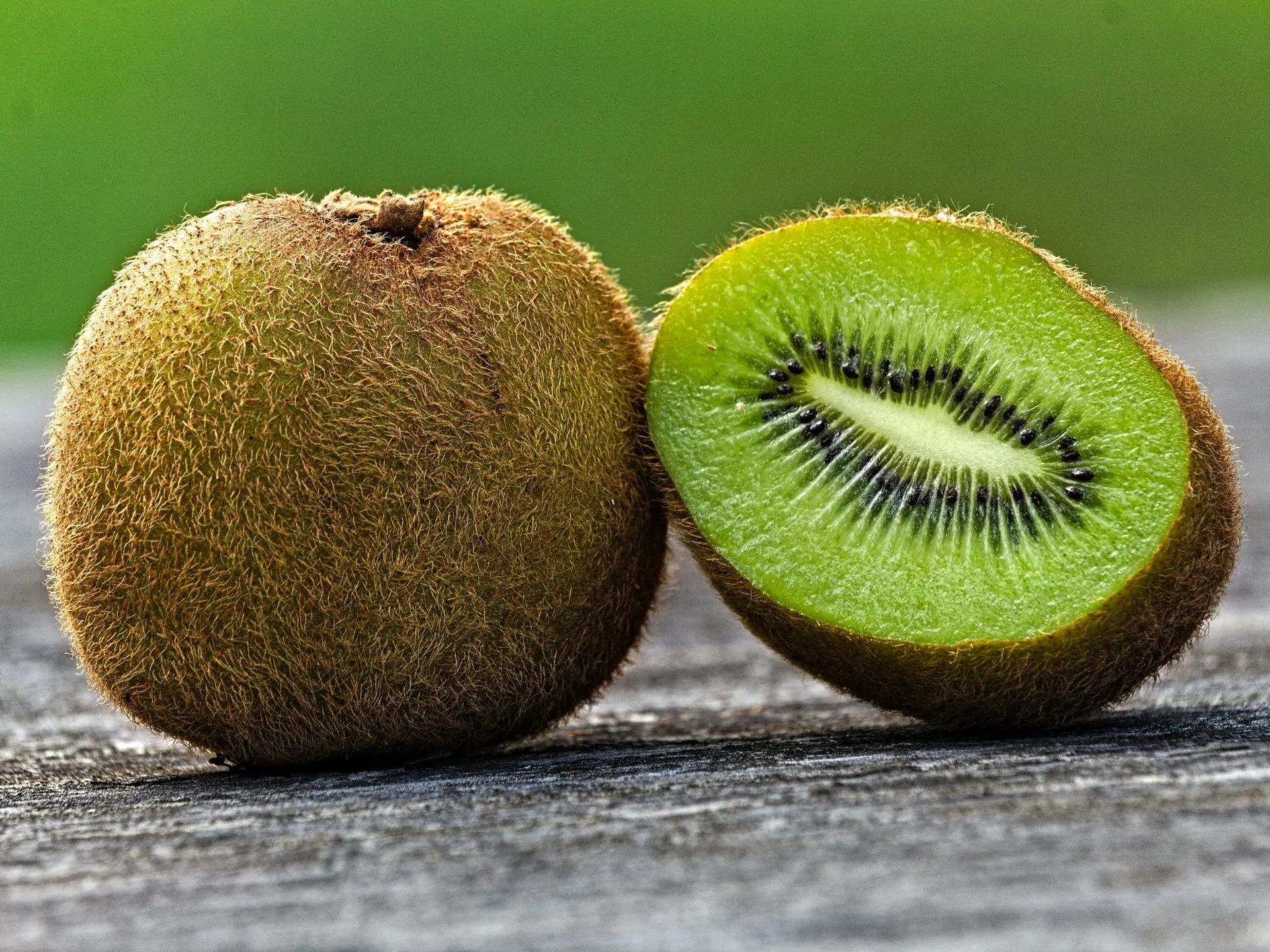
All participants went through both treatments consecutively: for four weeks they ate two peeled green Hayward kiwis daily, and for another four weeks they took 7.5 grams of psyllium husk, with a four-week washout period in between. Both options provided roughly the same amount of fiber.
The researchers focused primarily on how often participants had a complete, spontaneous bowel movement — that is, one achieved without laxatives and accompanied by a feeling of having fully emptied the bowel.
The most notable difference was seen in the frequency of complete bowel movements.
Overall abdominal well-being also improved with kiwi. Participants additionally reported softer stools and less straining during bowel movements.
For people who can only use the toilet once or twice a week, even one additional complete bowel movement can make a noticeable difference.
With chronic constipation, however, the concern goes beyond how often the bowel empties. Many sufferers also deal with bloating, abdominal pain, and a feeling of fullness — and this is precisely where kiwis may offer an additional advantage.
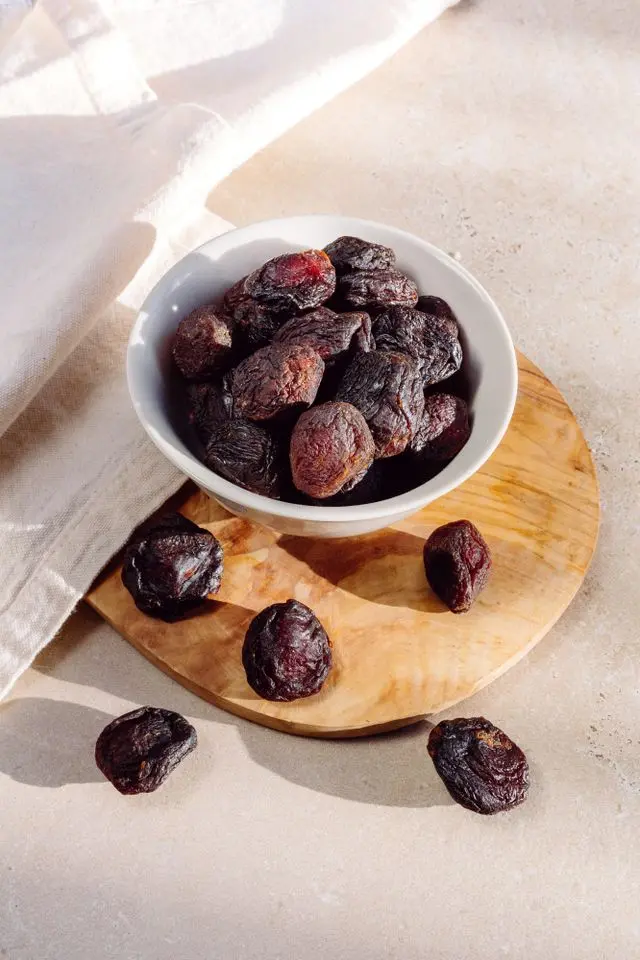
Back in 2021, scientists at the University of Michigan had already investigated how kiwis, psyllium husk, and dried prunes compare in their effects on chronic constipation. The study was also published in the American Journal of Gastroenterology.

79 adults received either two green kiwis, 100 grams of dried prunes, or twelve grams of psyllium husk daily for four weeks.
All three remedies improved stool frequency. On the primary outcome measure, dried prunes achieved the numerically best result, though the differences between groups were not statistically significant.
Where kiwis really stood out was tolerability. Bloating and abdominal pain were least common as side effects in the kiwi group, and only seven percent of participants were dissatisfied with the treatment. That figure rose to 17 percent for dried prunes and 38 percent for psyllium husk.
Those who prefer the sweeter, yellow-fleshed gold kiwi will also find encouraging data for this variety. A New Zealand study from 2022 found that two gold kiwis daily can improve bowel function in adults with constipation.
If kiwis and psyllium husk provided roughly the same amount of fiber in the international comparison study, what accounts for the difference in their effects? Researchers believe several properties work together in the kiwi.
Fiber that binds water: Kiwis contain both soluble and insoluble fiber, which can retain water in the gut, soften stools, and make them easier to pass. The unique structure of the fruit's plant cell walls and their water-binding capacity may also play a role.
A special enzyme: Green kiwis contain actinidin, a protein-digesting enzyme that may support digestion in the upper gastrointestinal tract. Its specific role in constipation, however, has not yet been fully established.
Influence on gut flora: Studies suggest that kiwis may also influence the composition of gut bacteria. Whether this effect contributes meaningfully to improved bowel emptying is still under investigation.
The 2023 international comparison study was co-funded by Zespri, the New Zealand kiwi marketer. In addition, each treatment phase lasted only four weeks. And since participants knew whether they were consuming kiwis or psyllium husk, expectations may have influenced their reported symptoms.
Dosage is also an important consideration: the study used 7.5 grams of psyllium husk per day, whereas the new British guidelines recommend at least ten grams. Whether kiwis would also outperform this higher dose remains an open question.
Those who want to try the fruit's effects for themselves can follow the conditions used in the clinical studies:
People with a kiwi allergy should avoid the fruit. Cross-reactions can occur, particularly in those with a latex allergy, with typical symptoms including tingling, burning, or swelling in the mouth.
Occasional constipation can often be relieved through dietary changes. However, if symptoms persist or appear for the first time, the underlying cause should be investigated by a doctor.
This is especially true when symptoms include blood in the stool, unintentional weight loss, severe abdominal pain, fever, or a marked alternation between constipation and diarrhea. Certain medications can also affect bowel function, including some painkillers as well as iron and calcium supplements.
Instead of stirring psyllium husk into a glass of water every morning, some sufferers may soon find themselves scooping out two green kiwis at breakfast. For people who tolerate the bulking agent poorly in particular, the fruit is a scientifically studied alternative — and when it comes to taste, many will likely prefer the kiwi anyway.

"Feel good, live better" – in this episode, Dr. Caroline Werkmeister talks about her favorite topic: feet. And what they reveal about your lifestyle.
Christine Bürg

An interview with
Dr. Caroline Werkmeister

Blood pressure, cholesterol, blood sugar – routine check-ups help assess many health risks. But what can our genes reveal about diseases that may not develop until years later? In her column, human geneticist Dr. Laura von der Heyden explains the potential and limitations of genetic testing in preventive medicine.
Dr. Laura von der Heyden

By
Dr. med. Laura von der Heyden