Clove water is considered a simple home remedy that is increasingly recommended in social media and health blogs. The aromatic drink is made from cloves and water and is said to support digestion, stabilize blood sugar, and strengthen the immune system. blood sugar stabilize and strengthen the immune system.
But how healthy is clove water really? And which effects are scientifically proven? Here you will learn everything about the trendy drink – including a simple recipe, proven effects, and possible risks.
What is clove water?
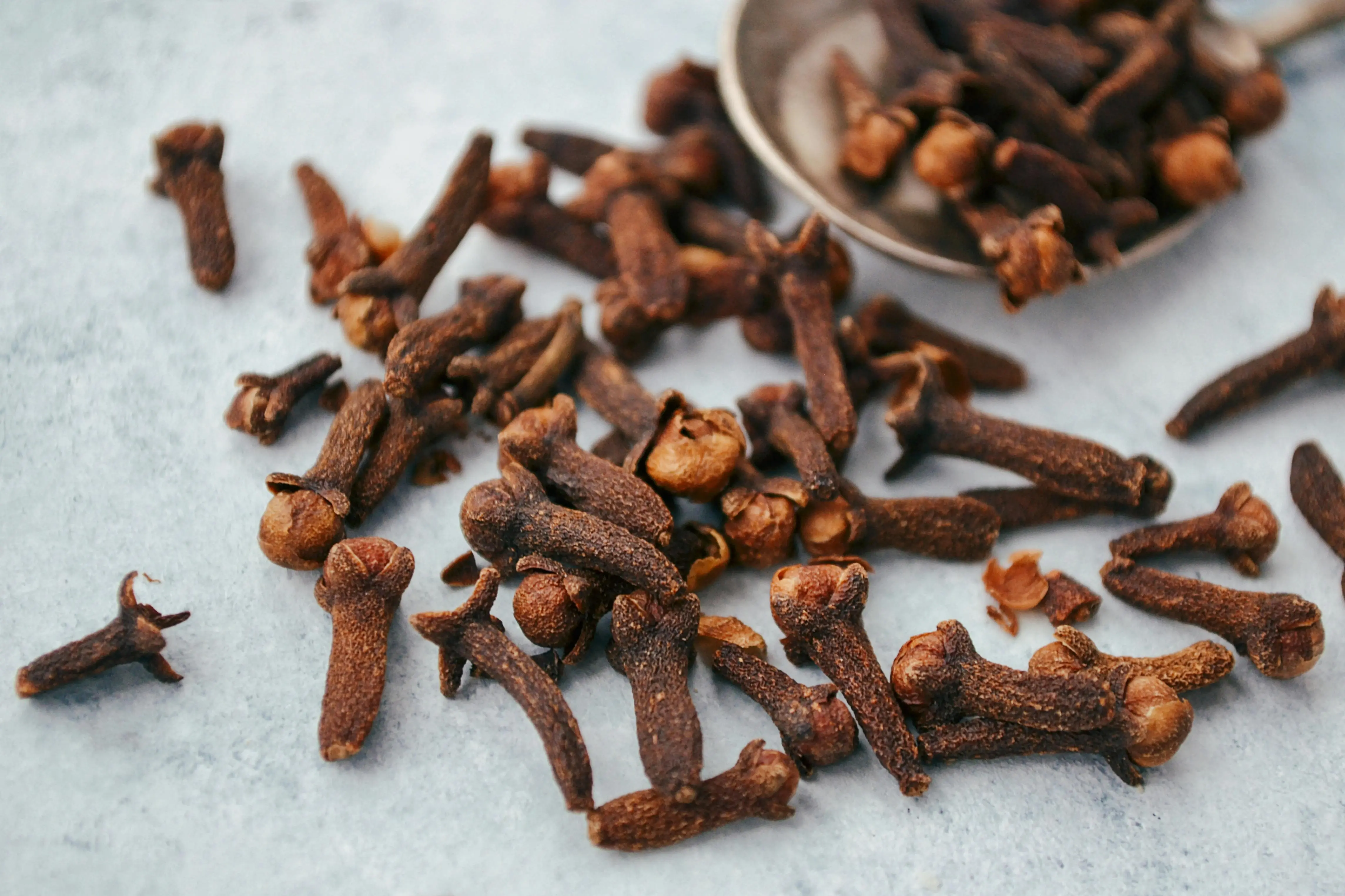
Clove water is created when dried cloves are soaked or briefly boiled in water. Cloves are the dried flower buds of the clove tree (Syzygium aromaticum), which originally comes from Indonesia.
The small buds have an intense, slightly sweet and spicy flavor and are used worldwide for seasoning foods, pastries, and drinks. Also in traditional medicine – for example in Ayurveda or traditional Chinese medicine – cloves have played a role for centuries.
The health benefits of cloves are mainly related to their bioactive plant compounds, especially the antioxidant eugenol.
Make clove water yourself: Simple recipe
Clove water is quick and easy to prepare. There are two common methods:
Method 1: Soak cold (overnight)
• Add 5–8 whole cloves to a glass of water (about 250 ml)
• Let it steep for at least 6–8 hours or overnight
• Drink on an empty stomach in the morning
Method 2: Boil hot
• Briefly boil 5–8 cloves in 250 ml of water
• Let simmer for 10 minutes
• Let cool and drink – optionally sweeten with some honey
Tip: Clove water is supposed to be most effective on an empty stomach in the morning – even though scientific evidence is still lacking.
Effect of clove water: What does the science say?
1. Clove water can support digestion
Adequate fluid intake is crucial for healthy digestion. Water helps transport food through the intestines, absorb nutrients, and promote regular bowel movements. If the body receives too little fluid, complaints such as constipation, bloating, or a sluggish bowel may occur.
Cloves are traditionally used for digestive issues such as bloating or a feeling of fullness. Clove water can also help meet daily fluid needs.
Important: Currently, there are no studies that specifically show that clove water actually alleviates digestive problems.
2. Cloves contain powerful antioxidants
Studies and reviews describe antioxidant and anti-inflammatory properties for concentrated clove products.
Antioxidants help neutralize free radicals – unstable molecules that damage cells and are associated with inflammation and chronic diseases. However, it should be noted: The available evidence mostly relates to extracts or oil, not the mild drink clove water.
3. Possible effect on blood sugar
Some scientific studies suggest that concentrated clove extracts may affect blood sugar. In a study with participants with normal or slightly elevated blood sugar levels, daily intake of a clove extract over several weeks resulted in lower blood sugar levels after meals.
Note: These results cannot be directly applied to clove water, as extracts contain significantly higher amounts of active ingredients.
4. Antibacterial and antiviral properties
Cloves contain natural compounds with antimicrobial properties. Laboratory studies show that concentrated clove products – especially clove oil – can act against various microorganisms, including certain bacteria, yeast, and some viruses. Therefore, cloves are also used in some oral care products.
Whether clove water has the same effects is not yet sufficiently scientifically proven.
Clove water for the skin: What's behind it?
Numerous posts circulate on social media touting clove water as a miracle cure for the skin apply. In fact, there are some interesting properties that at least partially explain this enthusiasm.
Anti-inflammatory effect
The main active ingredient, eugenol, has proven anti-inflammatory properties. In cosmetics and naturopathy, clove extract is sometimes used for acne, blemishes, or irritated skin. However, it is not scientifically proven whether drinking clove water transfers these effects to the skin.
Antioxidant protection
Antioxidants like eugenol can neutralize free radicals that contribute to skin aging. An antioxidant-rich diet—which can include spices like cloves—is generally associated with healthier skin.
Applying clove water externally
Some people apply highly diluted clove water directly to the skin to treat acne or pimples. However, clove water should never be applied pure or highly concentrated to the skin, as it can cause irritation. Those with sensitive skin should consult a dermatologist beforehand.
Conclusion on the skin: Clove water can indirectly contribute to skin health as part of a balanced diet. However, as a sole skincare product, the data is thin.
Which cloves are suitable for clove water?
Not all cloves are the same – the quality of the raw product also influences the quality of the finished drink.
Whole cloves vs. ground cloves
For clove water, whole cloves are clearly preferable. They contain more essential oils and antioxidants than ground cloves, which have already lost some of their active ingredients through processing and longer storage. Ground cloves are more suitable for baking or seasoning dishes.
Organic cloves: Is the surcharge worth it?
When buying cloves, organic quality is recommended, as conventional cloves may be contaminated with pesticides. Organic cloves are grown without synthetic pesticides and are often also of higher quality concerning eugenol content. Organic cloves are readily available in stores or online shops.
Freshness and storage
Fresh cloves can be recognized by their intense fragrance and firm, oily consistency. Old or poorly stored cloves lose their aroma and active ingredients. It is best to store whole cloves in an airtight container, cool and dark – this way they remain aromatic for up to a year.
Cloves in Ayurveda
In Ayurvedic medicine, the traditional medicine of India, cloves have played a central role for centuries. They are attributed to a so-called "fiery" character and are considered warming and stimulating. In Ayurveda, cloves are traditionally used for:
• Digestive problems and flatulence
• Colds and respiratory diseases
• Tooth and mouth pain
• To strengthen the immune system
Clove water as a beverage has its roots in these traditional applications. Many of the uses from back then are still picked up in naturopathy today – even if modern science has not yet conclusively confirmed most of the effects.
Cloves in traditional Chinese medicine (TCM)
Cloves also have a firm place in traditional Chinese medicine. There they are referred to as "Ding Xiang" and are considered warming for the stomach. Typical areas of application in TCM are stomach pain, nausea, and vomiting, as well as general digestive weakness. In TCM, cloves are usually used in combination with other medicinal plants – as tea, decoction, or in powder form.
Nutritional values of clove water
Clove water contains virtually no calories as it consists mainly of water. Cloves themselves provide small amounts of minerals such as manganese, but these nutrients are present only in very small quantities in the finished beverage. Anyone who sweetens clove water with honey or sugar naturally increases the calorie and sugar content.
Side effects and possible risks
In moderate amounts, clove water is considered safe for most healthy adults. Typically, one to two cups per day are common. However, the following should be noted:
• Blood-thinning effect: Cloves may have a mild blood-thinning effect. People taking blood thinners should consult their doctor.
• Do not ingest clove oil: Highly concentrated clove oil can be toxic in larger amounts.
• Pregnancy & breastfeeding: Medical advice should be sought before regular consumption.
• Intense flavor: The spicy aroma is not pleasant for everyone.
Frequently Asked Questions (FAQ)
When should you drink clove water?
Many recommend drinking clove water on an empty stomach in the morning, to aid digestion. to suggest. However, there are no scientific studies proving that a particular time is especially beneficial.
How long should cloves be soaked?
For the cold method, a soaking time of at least 6–8 hours is recommended, ideally overnight. For the boiling method, simmering for 10 minutes is sufficient.
Can you drink clove water daily?
Yes, in moderate amounts (1–2 cups per day), clove water is considered safe for healthy adults. However, if you have existing conditions or are taking medication, consult a doctor first.
Does clove water help with weight loss?
There is no evidence that clove water directly aids in weight loss. However, as a calorie-free alternative to sweetened drinks, it can be sensibly incorporated into a balanced diet.
What is the difference between clove water and clove oil?
Clove oil is a highly concentrated essential oil that contains significantly more active ingredients than clove water. Clove oil should never be consumed in large quantities as it can be toxic. Clove water, on the other hand, is mild and safe for most people.
Conclusion: How healthy is clove water?
Clove water is an aromatic, calorie-free drink that is easy to make at home and is a good way to increase fluid intake. Cloves contain many health-promoting plant compounds, primarily the antioxidant eugenol. However, there is little scientific evidence for specific health effects of clove water itself.
In small amounts, the drink can still be an interesting addition to a balanced diet, especially for people who enjoy the spicy taste of cloves and are looking for a healthy alternative to soft drinks or sweetened teas.
Note: This article is for informational purposes only and does not replace medical advice. If you have health concerns or are taking medication, please consult a doctor.