© Freepik
Rosacea typically manifests in three to four different forms.
January 29, 2025
Moira Hammes
Dermatologist Dr. Timm Golüke explains how rosacea develops, which treatment helps, and what care soothes sensitive skin.

With
Dr. med. Timm Golüke
In my youth, I was fortunate to hardly encounter skin problems . Pimples and blemishes that plagued many of my peers were largely spared me. But at twenty, this changed completely unexpectedly.
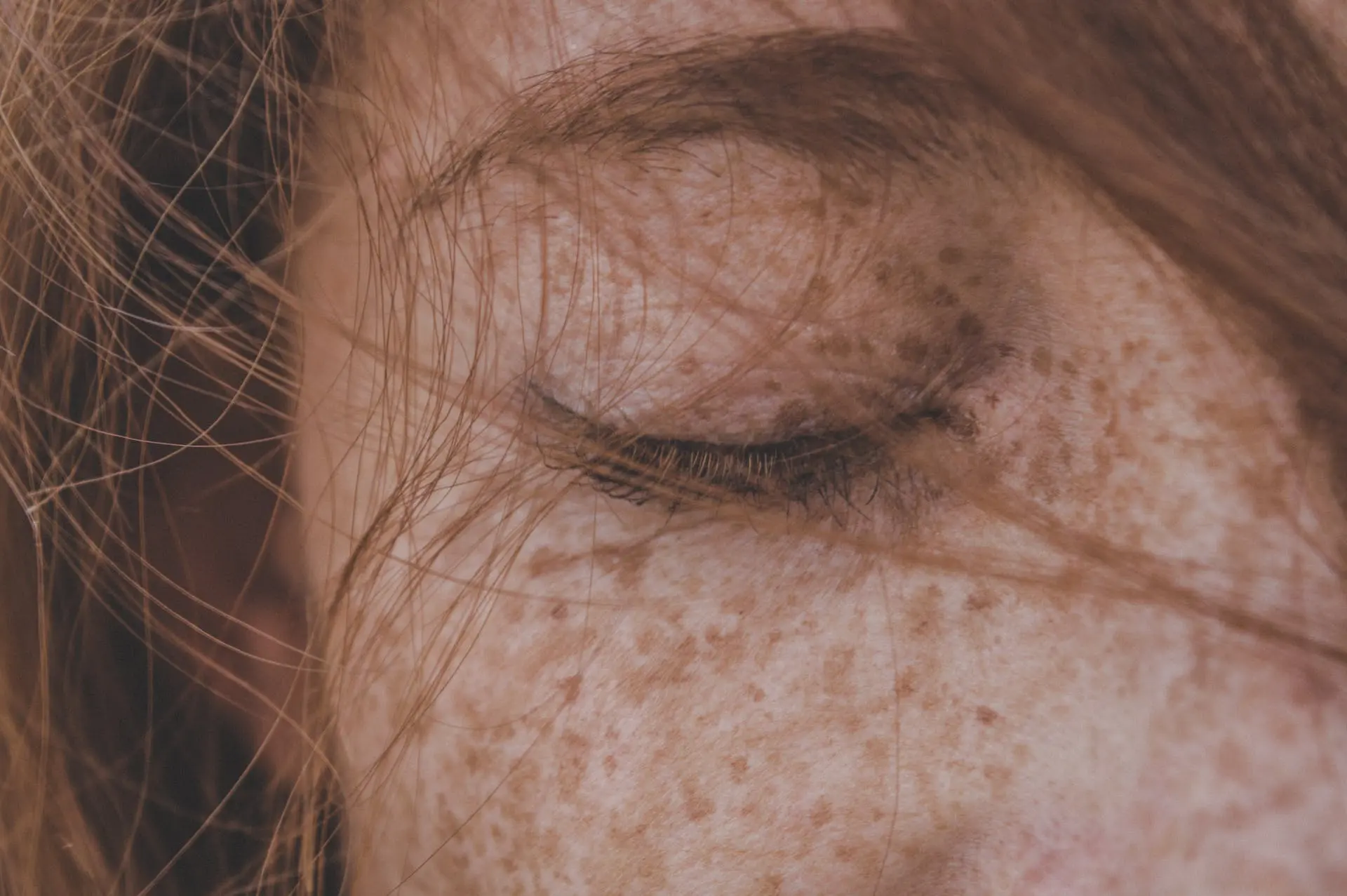
Seemingly overnight, my skin's appearance changed without me changing my skincare routine, diet, or other factors. My face was often covered with blotchy, red flushes.
After the sports it took a full hour for my skin to return to its normal color. I also found the painful bumps and blisters that appeared in addition to the redness to be particularly bothersome.
For two years, I tried in vain to calm my skin with over-the-counter acne treatments (as it later turned out, a completely wrong approach).
When nothing seemed to work, I decided after much hesitation to see a dermatologist. I was diagnosed with rosacea. This required a complete overhaul of my skincare routine. The new motto was: Less is more.
„ Rosacea (also known as Rosacea) is a chronic inflammation of the small vessels in the face. It is accompanied by severe redness, and small papules and pustules also form on the skin, which is why many rosacea patients mistake it for acne in the early stages,” explains Dr. Timm Golüke, dermatologist from Munich.
In Germany, between two and five percent of people suffer from this skin condition, with women being more affected than men. "The main cause of rosacea is genetic, as with most diseases, but there are also external factors that clearly favor rosacea," says Dr. Golüke.
"We are talking about vasodilating influences such as caffeine, alcohol, and nicotine, but also spicy and too hot food, visiting the sauna or steam bath."
Fair-skinned and red-haired individuals are particularly predisposed to the condition. In English literature, rosacea has therefore been nicknamed the "curse of the Celts." Rosacea often occurs in episodes, which means the severity can temporarily improve or worsen.
Rosacea manifests in three to four different forms, which can also occur as a progressive course of the disease.
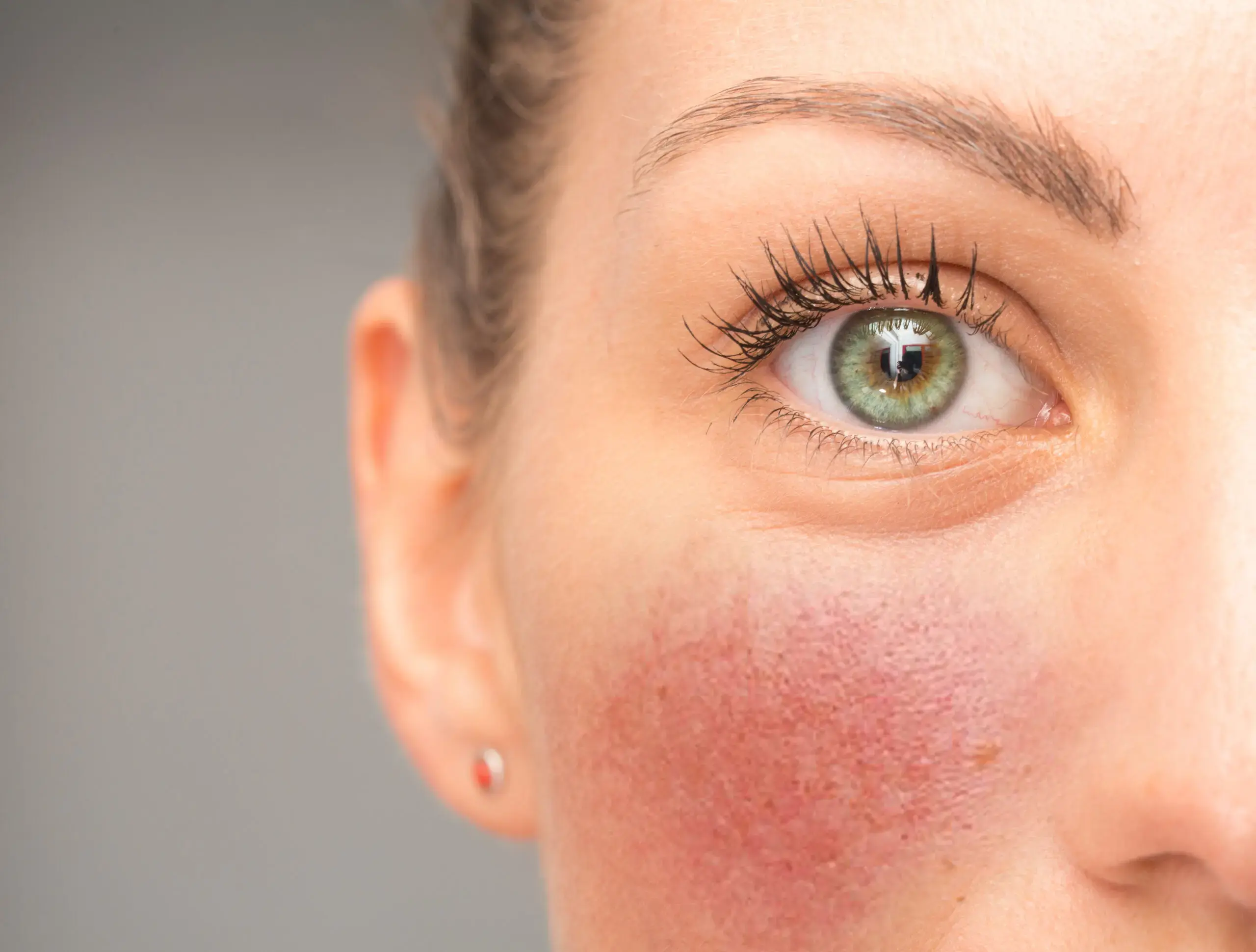
The first form, also known as vascular rosacea, primarily affects the blood vessels of the skin.. It is characterized by persistent facial redness and visible dilated blood vessels. This form is often accompanied by burning sensations of the skin.
The second type, papulopustular rosacea, is characterized by the appearance of papules (red bumps) and pustules (small pus-filled blisters). Due to its appearance, this form is often confused with acne.
The third form, also known as phymatous rosacea, primarily affects the nose. Here, the skin thickens and shows an irregular surface texture. This manifestation occurs more frequently in men.
The fourth form, ocular rosacea, affects the eyes and is therefore distinct from other types of rosacea. Symptoms include irritated, dry, and red eyes, often accompanied by pain and increased sensitivity to light. This form can occur both in combination with other types of rosacea and independently.
Based on my dermatologist's recommendation, I reduced the frequency of facial cleansing and switched to milder products. My dermatologist also recommended a gentle cleansing milk, a soothing day cream with a high sun protection factor, and aloe vera gel to alleviate skin irritations.
Additionally, she prescribed me a metronidazole cream and a lightly dosed oral antibiotic for two months. I soon noticed a significant improvement in my skin condition. The pustules decreased, and my skin barrier seemed to stabilize.
In the meantime, I have identified ingredients that I should avoid, but also those that have a very positive effect on my skin affect - such as azelaic acid.
Although rosacea is a chronic condition and therefore not curable, I have learned to manage it effectively through diagnosis, support from my dermatologist, and my own research.
"The treatment of rosacea is usually done through topical application of active ingredients such as ivermectin, metronidazole, and azelaic acid, i.e., prescription antibiotic ointments," says Dr. Golüke.
For the vascular form of rosacea, laser treatments show promising results by specifically cauterizing dilated blood vessels and thus significantly reducing facial redness. However, this treatment requires repetition every two to three years to prevent recurrence of the symptoms.
In addition to prescription therapies, soothing skincare products positively influence the course of rosacea. Tip from the specialist: "Less is more!" Anything that unnecessarily irritates and burdens the skin should be avoided. "Fruit acids, high-dose retinol or vitamin C are highly irritating active ingredients and therefore have no place in the care of rosacea-affected skin," advises Dr. Golüke.
A fragrance-free skincare routine tailored to sensitive skin with soothing, moisturizing, and strengthening ingredients is essential. Natural ingredients such as aloe vera, chamomile, and oats can help soothe and moisturize the skin.
Other effective active ingredients are the skin protection vitamin B5 (panthenol), which stimulates wound healing, niacinamide for a strengthened skin barrier, or ceramides, which protect against harmful external influences.
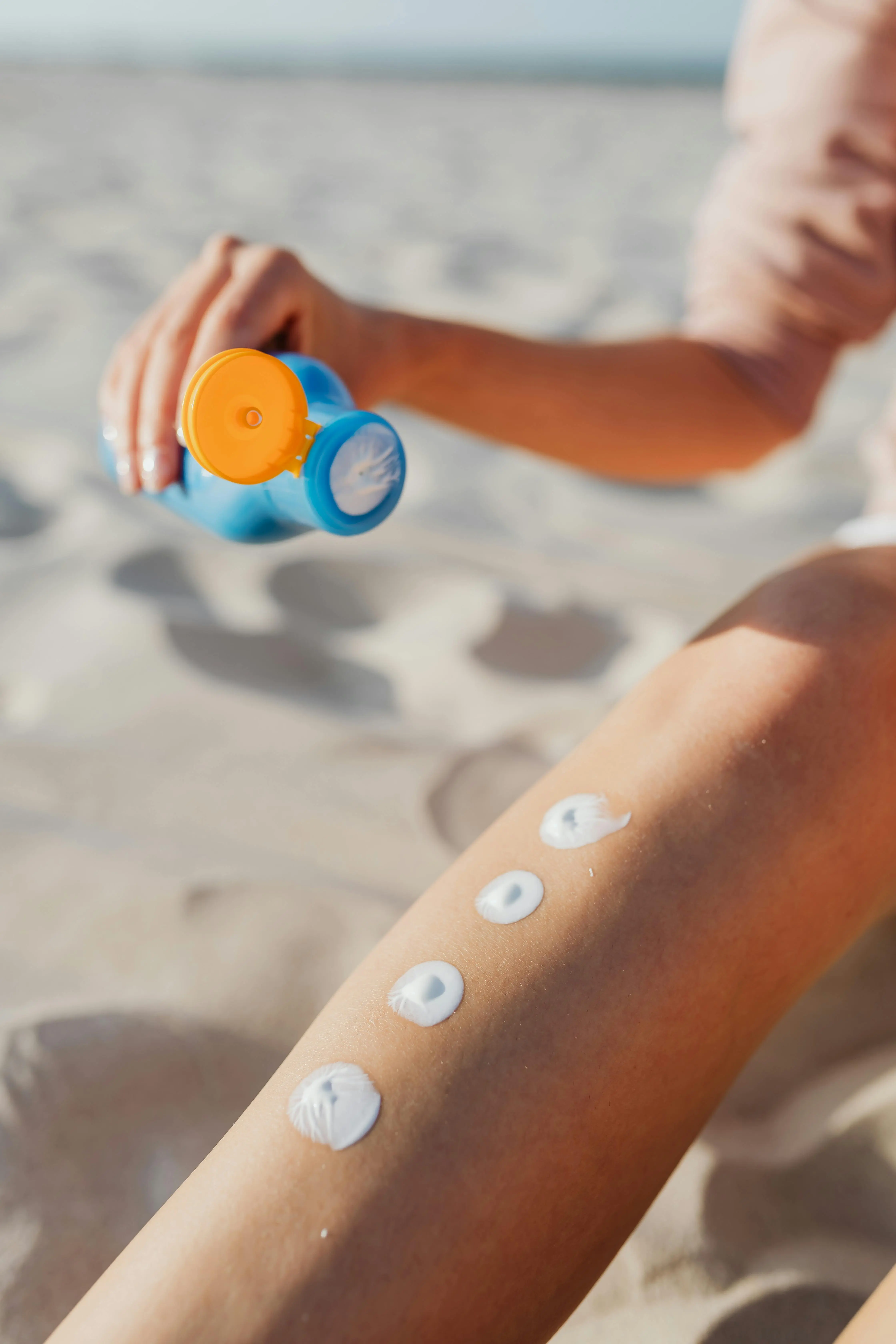
Also of central importance is the consistent application of a high sun protection factor to protect sensitive rosacea skin from additional irritations.
Although organic filters are recommended for rosacea, there are also numerous sunscreens with combined or purely chemical filters that are specially developed for the needs of rosacea.
An adapted lifestyle can significantly alleviate or even prevent rosacea flare-ups. Identifying and avoiding individual trigger factors play a central role in treatment.
UV radiation is considered one of the main triggers for rosacea symptoms. Therefore, consistent protection from direct sunlight is particularly important.
Strong temperature fluctuations, such as those that occur when switching between heated indoor spaces and cold outdoor air in winter, can also trigger flare-ups. Although climatic influences cannot always be controlled, those affected should avoid extreme temperature differences whenever possible. In the wellness area, it is therefore advisable to avoid intense sauna sessions.
Also, the diet plays an important role. Spicy foods, alcohol and circulation-promoting drinks such as coffee should be avoided or only enjoyed in moderation in this case.
Every skin has individual needs, and there is no universal solution for rosacea. However, I have found that general guidelines can help alleviate symptoms and improve well-being.
A professional diagnosis is essential to understand individual symptoms and treat them with a personalized therapy, whether it is rosacea or another skin condition.

ALS affects everyone differently. In this interview, neurologist Dr. Georg Haber discusses the symptoms, diagnosis, treatment, and care of those living with the disease.
Moira Hammes

An interview with
Dr. med. Georg Haber

Why surgical experience matters in rhinoplasty, what risks nasal surgery involves, and how natural-looking results can be achieved. Professor Dr. Johannes Veit discusses modern rhinoplasty and individualized aesthetics.
Christine Bürg and Marianne Waldenfels

An interview with
Prof. Dr. med. Johannes a. Veit

Why are women often more successful than men in ultramarathons? Orthopedic surgeon Dr. Yvonne Ebel discusses physiology, mental strength, nutrition, and the risks of extreme endurance stress.
Christine Bürg and Sophie Rodewyk

An interview with
Dr. med. Yvonne Ebel

Many complaints have their root cause somewhere other than where the symptoms appear. Dr. Christoph Wenninger explains the role that jaw joints, inflammation, and modern preventive care play in overall health.
Christine Bürg and Marianne Waldenfels

An interview with
Dr. Christoph Wenninger