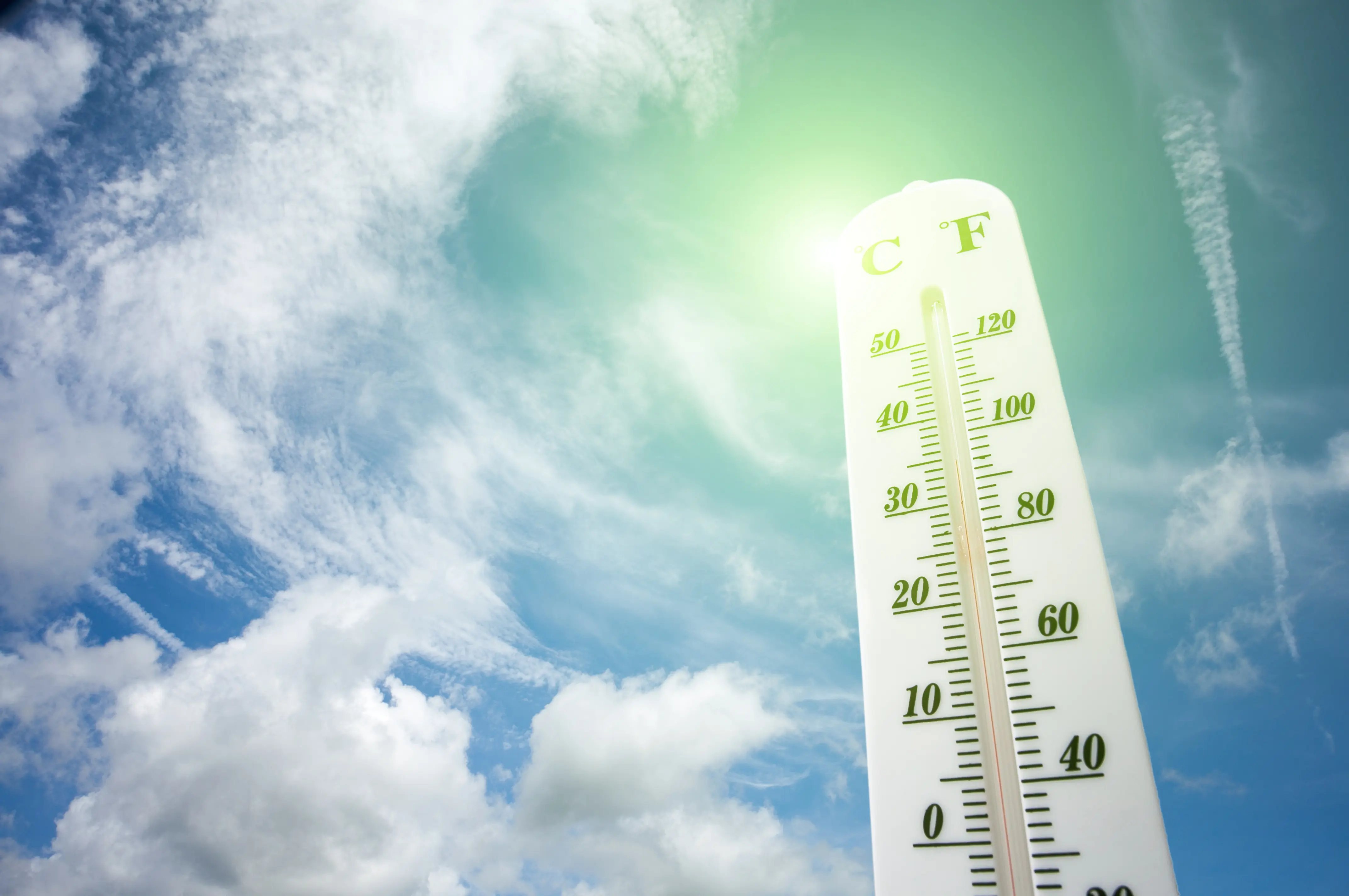
© Adobe Stock
May 20, 2025
Marianne Waldenfels
- Health
Sleep well in the heat: 14 tips for hot nights
Nocturnal heat often leads to poor sleep. These tips can help you relax and recover even on hot nights.
Share article:
© Adobe Stock
May 20, 2025
Marianne Waldenfels
Nocturnal heat often leads to poor sleep. These tips can help you relax and recover even on hot nights.

 Find a Doctor
Search the network for suitable specialists and contact them directly
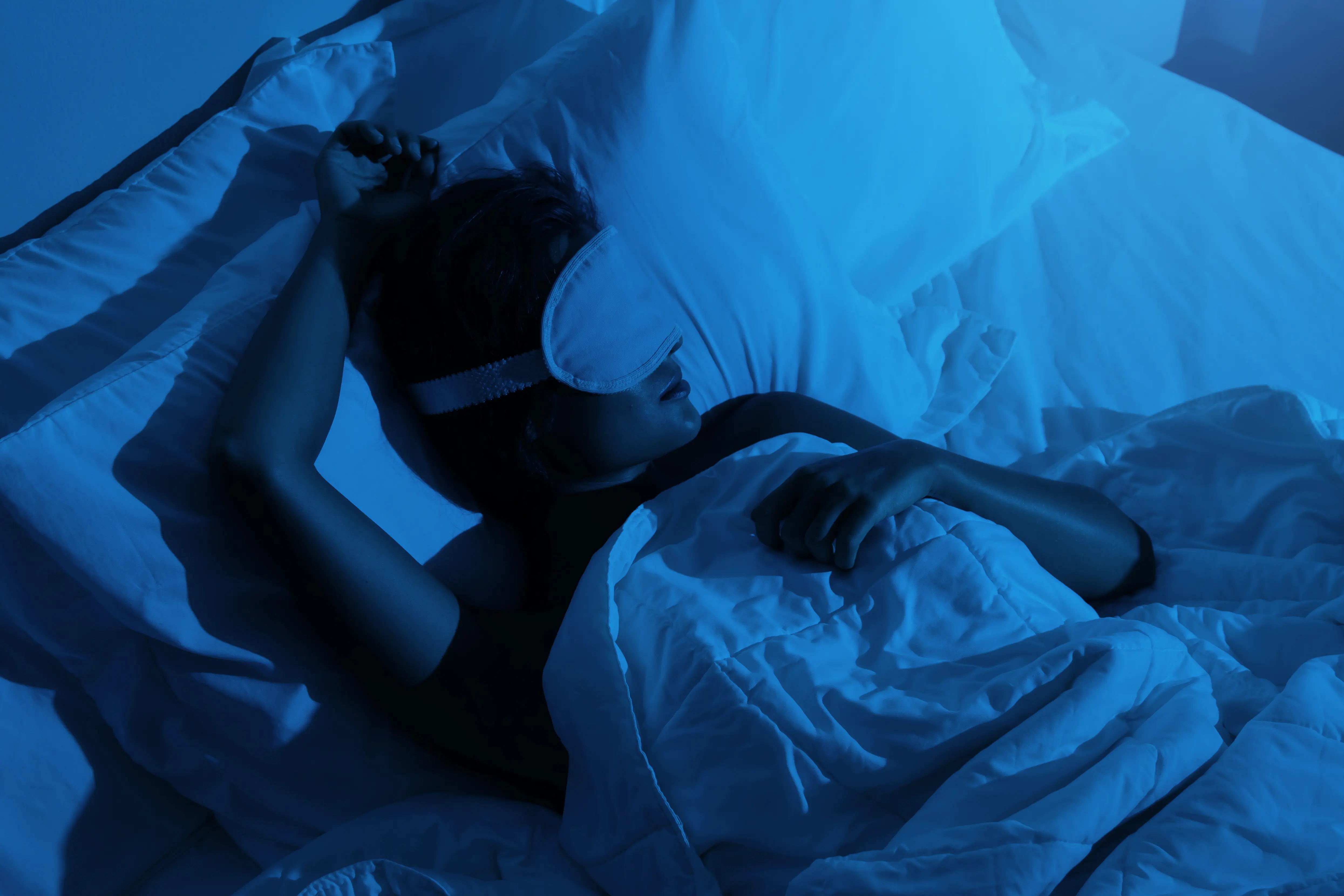

30 degrees at midnight, stuffy air in the bedroom, and a pillow that feels damp after a few minutes: On hot summer nights, sleep quickly becomes a challenge. Many people sleep less deeply, wake up more often, and feel exhausted in the morning.
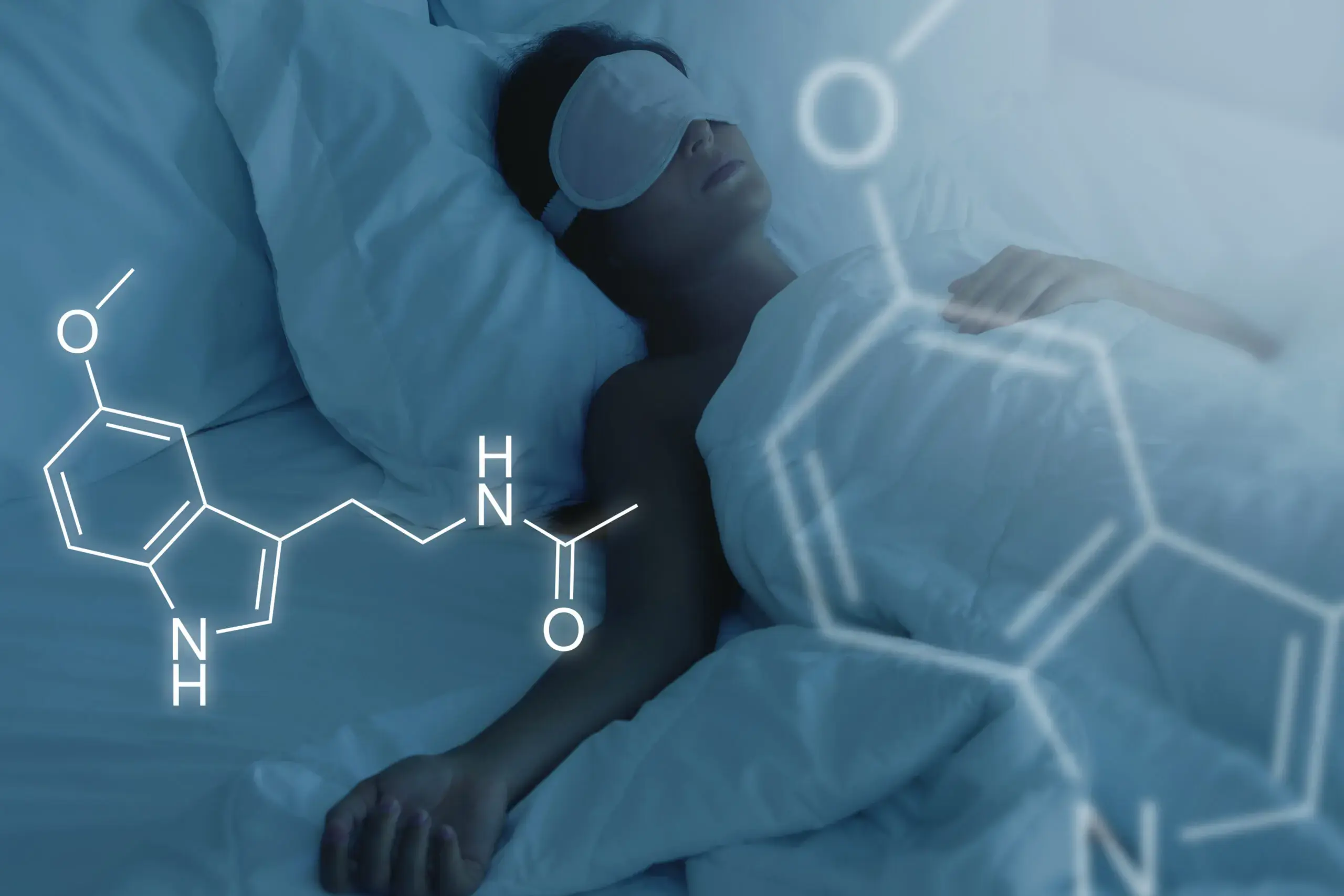
This is because our body actually needs to cool down to fall asleep. If the body temperature does not drop sufficiently, restful sleep becomes much harder. The good news: Even small changes can help make the nights more pleasant.
For good sleep, the body needs a slightly lowered core temperature. At high outside temperatures, this natural cooling process works less effectively. This can lead to:
Particularly burdensome are tropical nights when temperatures hardly fall below 20 degrees even at night.
The key is often in the afternoon. Closing blinds, curtains, or shutters during the day prevents the bedroom from heating up in the first place.
Ideally, ventilation should be done late in the evening or early in the morning when outside temperatures drop.
A fan doesn't really cool the air down – but it helps the body to release heat faster.
Especially effective:
Those who sleep in the direct draft all night often wake up with a dry throat or a tense neck.
In summer, you immediately notice which materials are truly breathable.
Particularly pleasant:
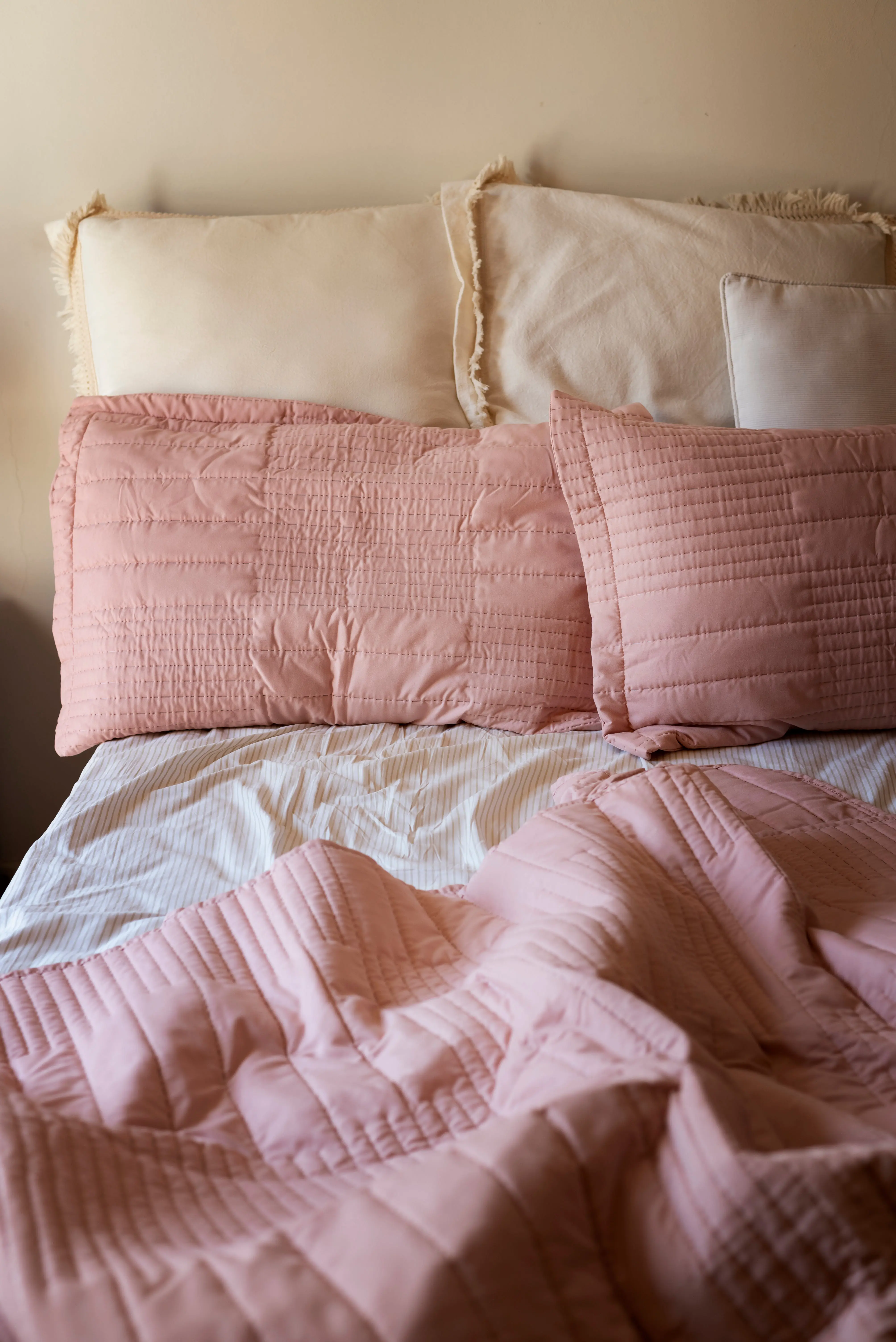
Less ideal are synthetic fabrics like polyester. They retain heat and wick moisture less effectively.
The less heat builds up, the more comfortable you sleep. Loose nightwear made of natural materials usually feels much better than tight clothing.
Many people sleep more comfortably without any sleepwear in extreme heat.
Very cold Water sounds logical at first – but it can further stimulate circulation. The body often produces more heat afterwards.
A better approach:
Many blood vessels run close to the skin there.
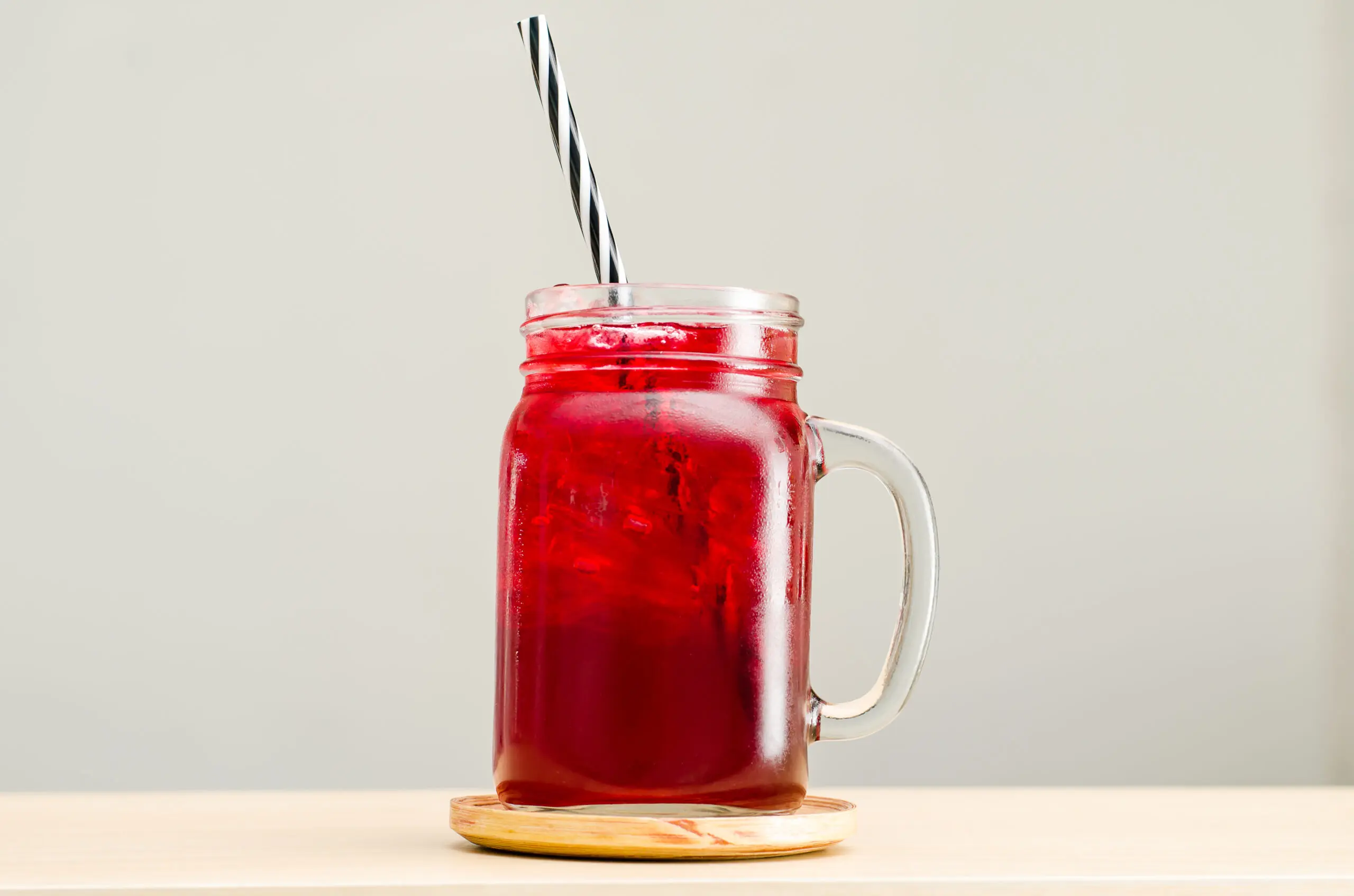
The body loses a lot of fluid overnight in the heat. Therefore, it is important to drink enough during the day.
Ideal are:
Alcohol rarely helps with falling asleep. It often worsens sleep quality and can also have a dehydrating effect.
Heavy or very fatty meals increase heat production in the body. This often makes falling asleep even more difficult.
More pleasant are:
The last major meal should ideally be several hours before going to bed.
A simple summer trick: Place a pillowcase or sheet in a clean bag in the refrigerator or freezer for a few minutes.
The effect doesn't last all night, but it can make falling asleep much more pleasant.
Televisions, computers, chargers, or strong lamps generate additional heat – even in standby mode. The fewer devices running overnight, the more comfortable the indoor climate remains.
Those who sleep curled up retain more heat. It's better to lie as stretched out as possible so the body can release heat more easily.
Separate blankets can also make a big difference in summer.
On particularly hot nights, small tricks sometimes help:
Especially the neck, feet, and wrists respond pleasantly to targeted cooling.
Intense training late in the evening increases body temperature further. The body often takes a long time to cool down again afterwards.
Sport is better in summer heat:
Stress often amplifies the feeling of 'not getting any air'. Those who are tense usually feel heat more intensely.
Helpful can be:
If the apartment heats up extremely, mobile air conditioners or modern evaporative coolers can be useful.
Just a few degrees less in the bedroom can significantly improve sleep quality. The ideal temperature for many people is between 16 and 19 degrees – however, this is often hard to achieve in midsummer.
Not everything that seems pleasant in the short term also improves sleep.
Less helpful are often:
Anyone who can barely sleep over a long period or develops symptoms like dizziness, nausea, or severe exhaustion should seek medical advice. Especially older people and those with pre-existing conditions react sensitively to extreme heat.
Hot summer nights can often be made significantly more pleasant. The key is usually not a single trick, but a combination of a cooler bedroom, breathable materials, and the right evening routine.
Sometimes, small changes can help transform a sleepless tropical night into a restful one.
When cancer runs in the family, questions about one's own risk often follow. In the first installment of her column, geneticist Dr. Laura von der Heyden explains how inherited genetic variants influence the risk of breast, colorectal, and prostate cancer — and how this knowledge can change preventive care.
Dr. med. Laura von der Heyden

By
Implant or your own tissue, now or after treatment — or perhaps no reconstruction at all? Plastic surgeon Dr. Juliane Bodo explains what role radiation plays, what risks to expect, and why no one should make this decision under pressure.
Christine Bürg & Marianne Waldenfels

An interview with
Dr. med. Juliane Bodo
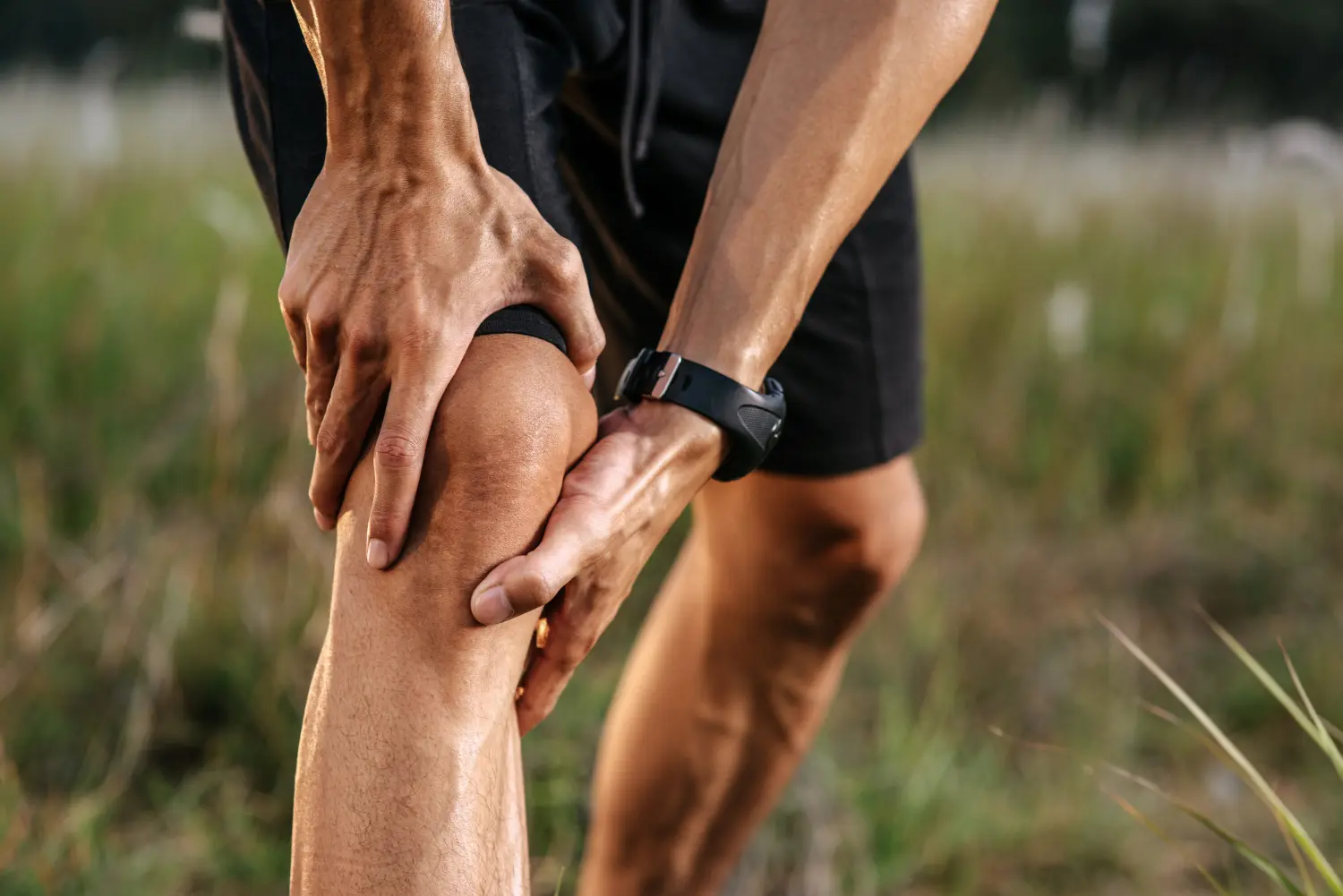
A single hydrogel injection into the knee may relieve osteoarthritis pain for years. Orthopedist Dr. Ivo Breitenbacher has treated around 200 patients with it and explains who the procedure is right for and where its limitations lie
Christine Bürg & Marianne Waldenfels

An interview with
Dr. med. Ivo Breitenbacher