© Adobe Stock
The "Sleepy Girl Mocktail" consists of mineral water, cherry juice, and magnesium.
January 8, 2026
Birgitta Dunckel
Miracle cure for better sleep or TikTok hype? A mix of tart cherry juice, magnesium, and mineral water is said to help with falling asleep and staying asleep. What's behind the social media trend "Sleepy Girl Mocktail?"
Sleep is one of the most important pillars of our health – yet millions of people suffer from problems falling asleep and staying asleep. A viral trend from social media now promises relief: the so-called Sleepy Girl Mocktail. But does the alleged sleep miracle deliver what TikTok promises? We take a close look at the ingredients, the science, and sensible alternatives.
Good sleep is not a luxury, but a biological necessity. While we sleep, essential processes take place in the body and brain: cells regenerate, the immune system is strengthened, memories are consolidated, and stress hormones are broken down. Chronic sleep deprivation, on the other hand, is associated with an increased risk of heart disease, diabetes, obesity, depression, and a weakened immune system.
According to a survey by the German Society for Sleep Research and Sleep Medicine (DGSM), about a third of the German population regularly suffers from sleep problems. The causes are varied: stress, irregular sleep times, too much screen time, noise, poor diet, or psychological stress.
It's no wonder, then, that many people are looking for simple, natural solutions – and the Sleepy Girl Mocktail hits this nerve.
The Sleepy Girl Mocktail was made popular by the TikTok creator Gracie Norton who shared the recipe on her page in 2023, garnering millions of views. Since then, countless users have tried the drink and shared their – mostly positive – experiences.
The basic recipe is incredibly simple:
Put everything in a glass, stir – done. The drink is recommended to be consumed about 30–60 minutes before going to bed to drink.
What makes the trend so attractive: It is non-alcoholic, easy to prepare, relatively inexpensive, and sounds natural and healthy. But what does the science say about it?
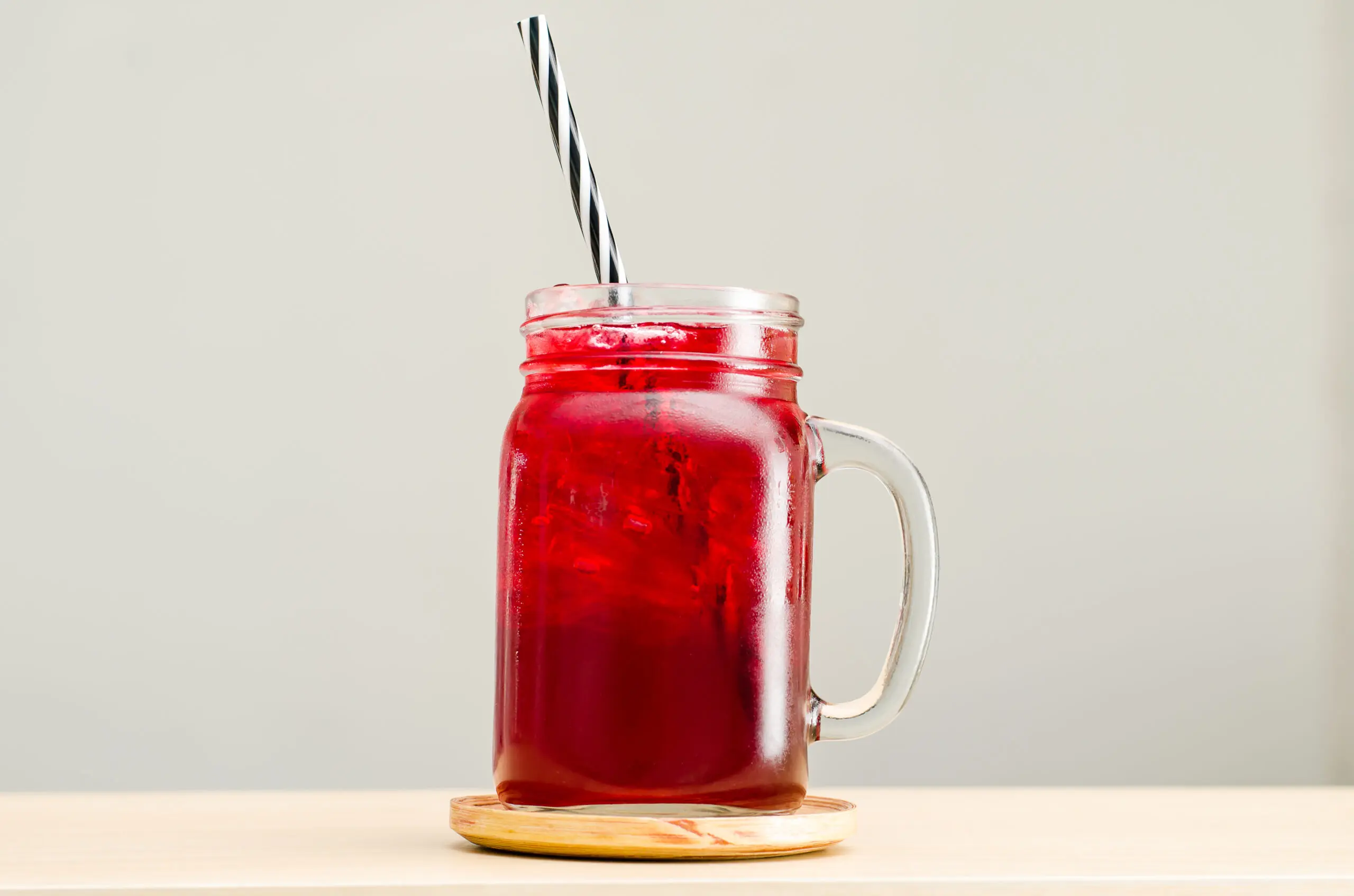
Tart cherry juice – especially the juice of the Montmorency cherry – has been studied in sleep research for years. It contains two relevant mechanisms of action:
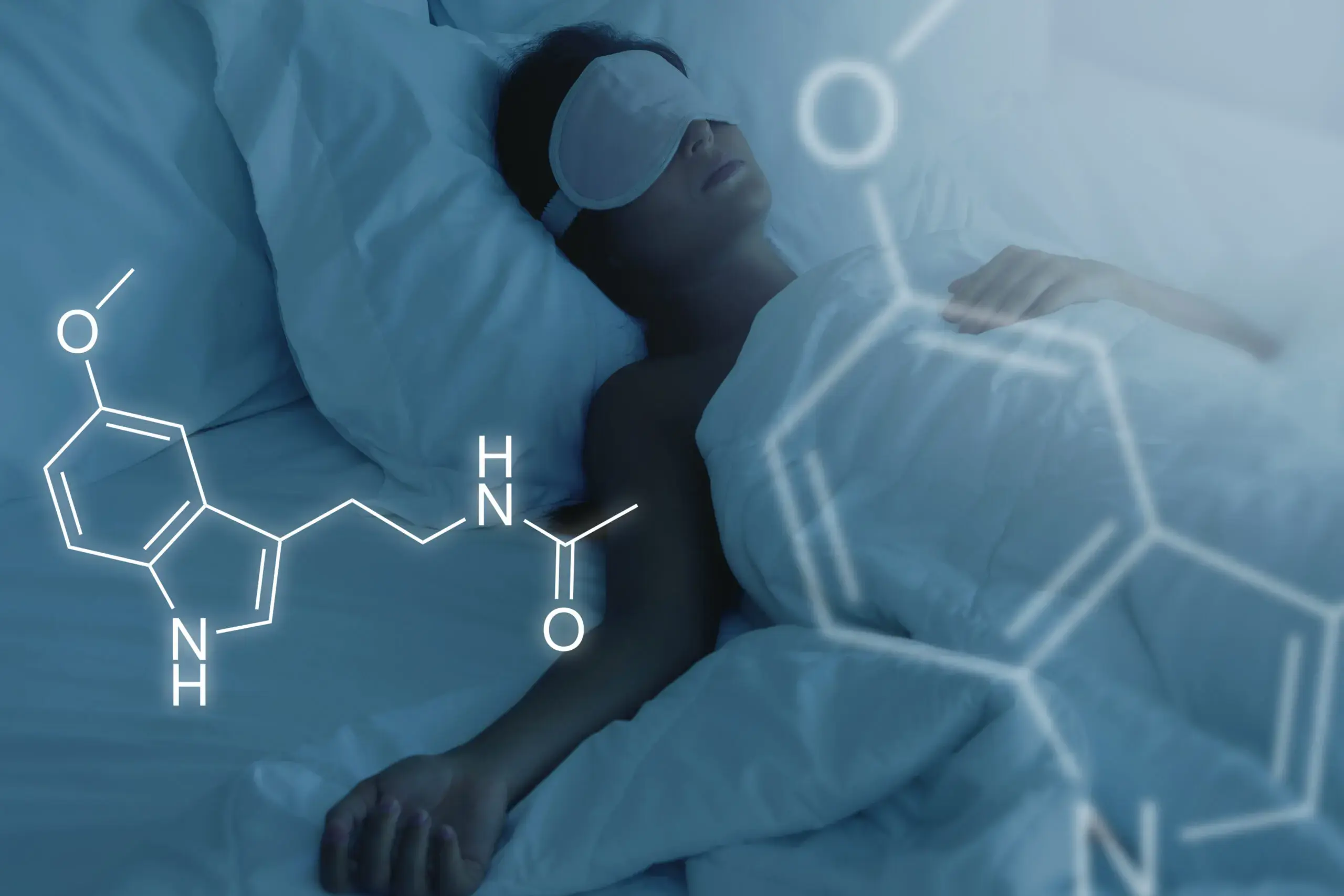
Tart cherries contain the sleep hormone Melatonin, which regulates the human sleep-wake cycle. The recommended dose for sleep support is 1–2 mg melatonin daily.
The problem: 100 grams of sour cherry juice contain according to studies only about 0.0001 mg melatonin – so only a tiny fraction of the effective dose. To reach a relevant amount through juice alone, you would have to drink liters of it – which would be neither realistic nor healthy.
More interesting is a second mechanism: Sour cherries contain procyanidins and anthocyanins, which inhibit the activity of the enzyme MAO-A. This enzyme breaks down tryptophan – an amino acid from which the body produces serotonin and subsequently melatonin. By inhibiting this enzyme, more endogenous melatonin can be produced.
A small study from 2012 showed that subjects who drank sour cherry juice daily for two weeks, on average, slept 34 minutes longer and had better sleep efficiency. However, the study was very small and not representative.
Particularly rich in melatonin is the Montmorency cherry, which is hardly available in Germany. In the German market, juice is mostly found from other sour cherry varieties, whose melatonin content is significantly lower. So those hoping for the sleep-promoting effect should pay close attention to the variety when purchasing – or rely on imported products.
Magnesium is involved in over 300 enzymatic processes in the body – including those that directly affect sleep.
Magnesium is involved in the production of serotonin and melatonin. It also activates the GABA receptorin the brain – GABA is an inhibitory neurotransmitter that calms the nervous system and makes it easier to fall asleep. At the same time, magnesium inhibits the release of Cortisol, the most important stress hormone.
Studies show that a magnesium deficiency is associated with poorer sleep quality, frequent nighttime awakenings, and restlessness.
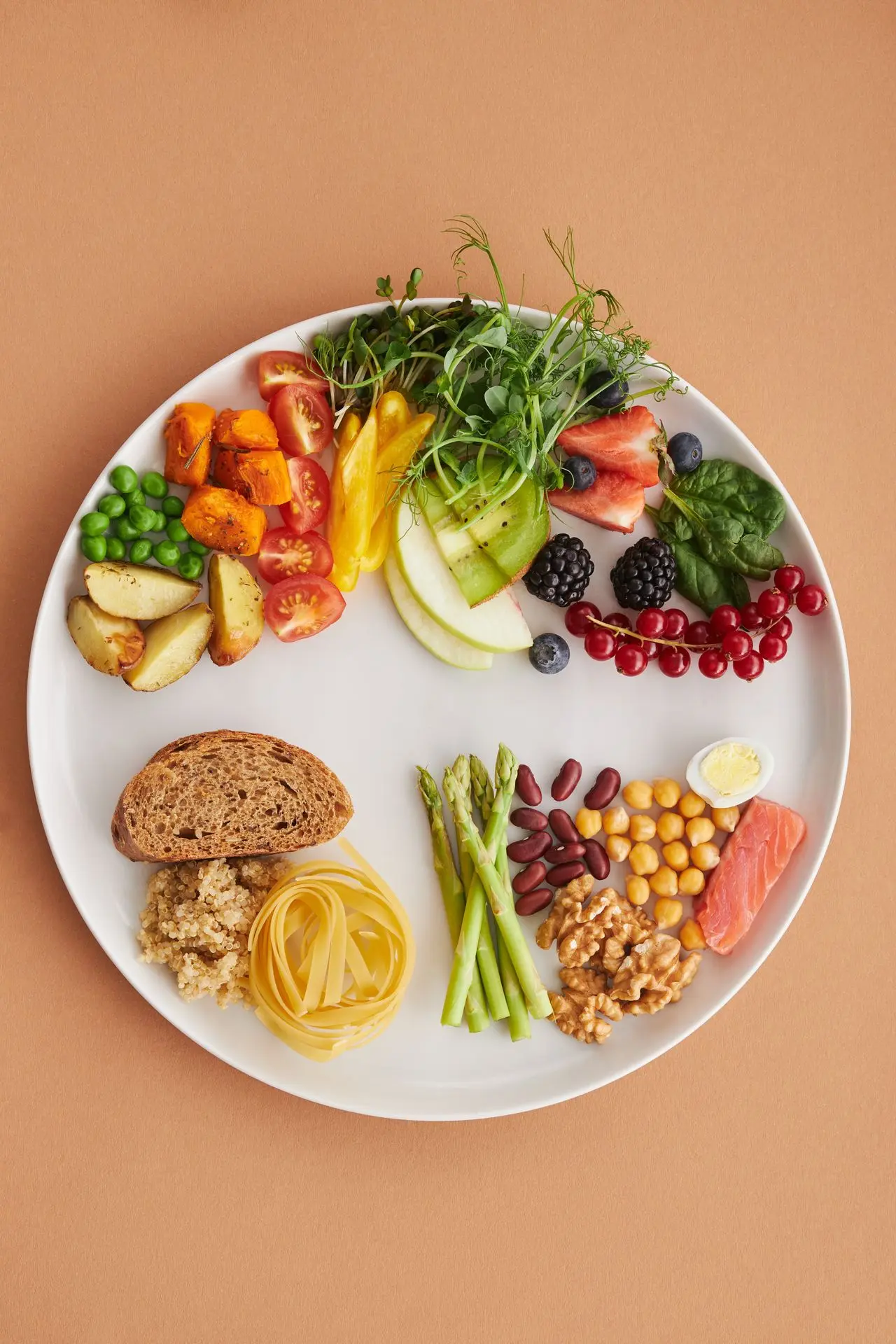
In Germany, a true clinical magnesium deficiency is rare. Those who eat a varied diet – plenty of whole grains, nuts, legumes, and vegetables – typically get enough magnesium. Therefore, it is often unnecessary as a dietary supplement for healthy people.
However, there are exceptions: people with certain conditions (e.g., diabetes, kidney diseases), older people, athletes with high sweat loss, or individuals under chronic stress may benefit from supplementation.
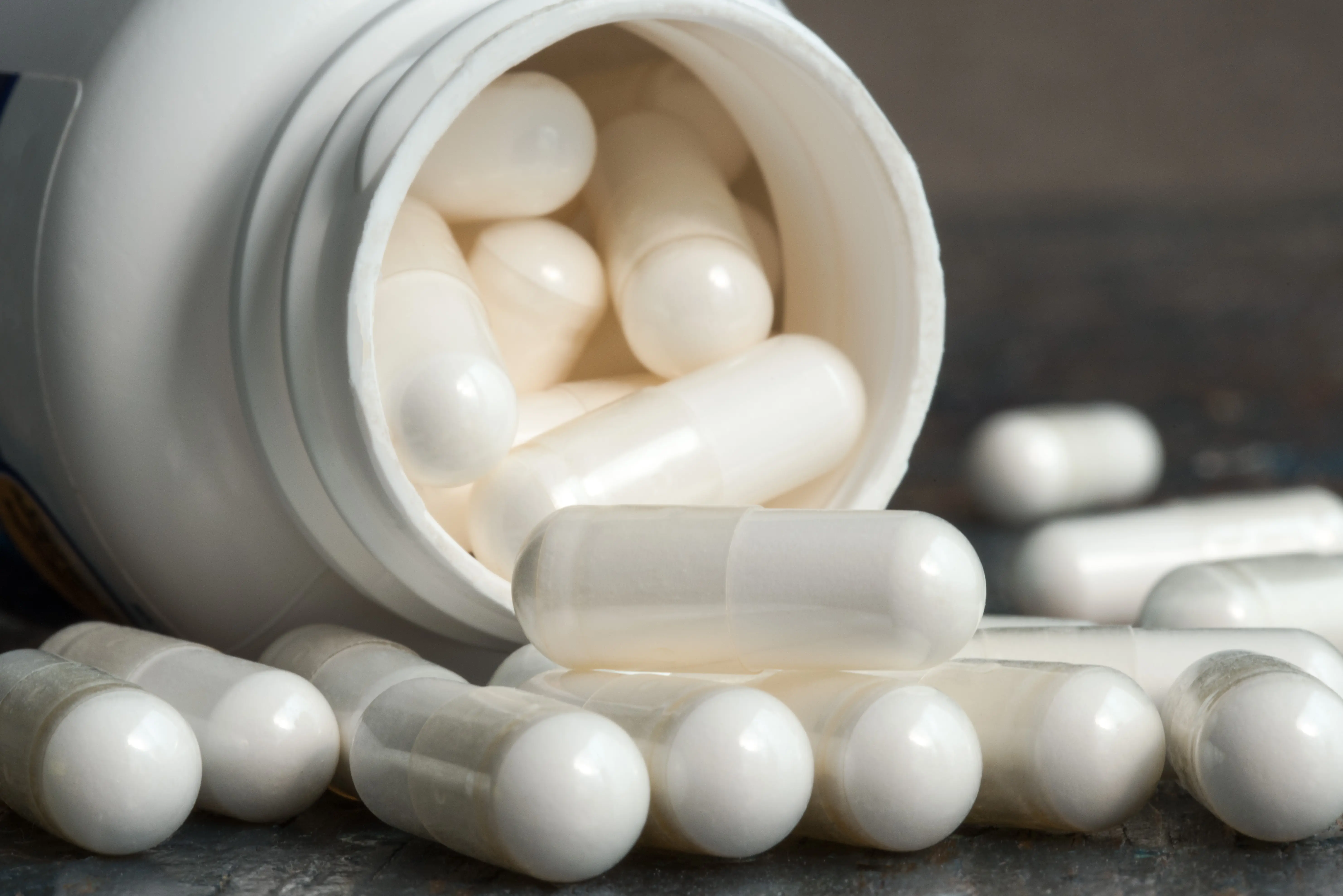
Not all forms of magnesium are the same. In the mocktail, many users recommend magnesium glycinate or magnesium citrate, as these forms are particularly well absorbed by the body and gentle on digestion. Magnesium oxide, on the other hand – often found in cheaper products – is less well absorbed and can cause stomach problems.
Important: An overdose of magnesium can cause diarrhea and stomach cramps – not a pleasant companion for a restful night. The recommended daily dose for adults is 300–400 mg.
Honestly: The scientific evidence for the Sleepy Girl Mocktail as a whole is thin. There are no studies that have examined the specific drink in this form. The individual ingredients do have some sleep-promoting potential – but in the amounts contained in the mocktail, a breakthrough effect is rather unlikely.
What is well documented, however, is the placebo effect. Anyone who believes that a remedy helps and associates it with a relaxing evening routine actually sleeps better. The ritual of preparation, conscious switching off, and positive expectations can have measurable effects on sleep. In this sense, the mocktail does no harm – and could definitely make sense as part of a healthy sleep routine.
If you want to try the classic Sleepy Girl Mocktail, you can vary it as you like:
Classic:
Warm version (for cold winter evenings):
Extra relaxing:
Without sparkling water:
If you seriously want to improve your sleep, consider the mocktail as a nice addition – but not as the sole solution. These measures are much better supported by science:
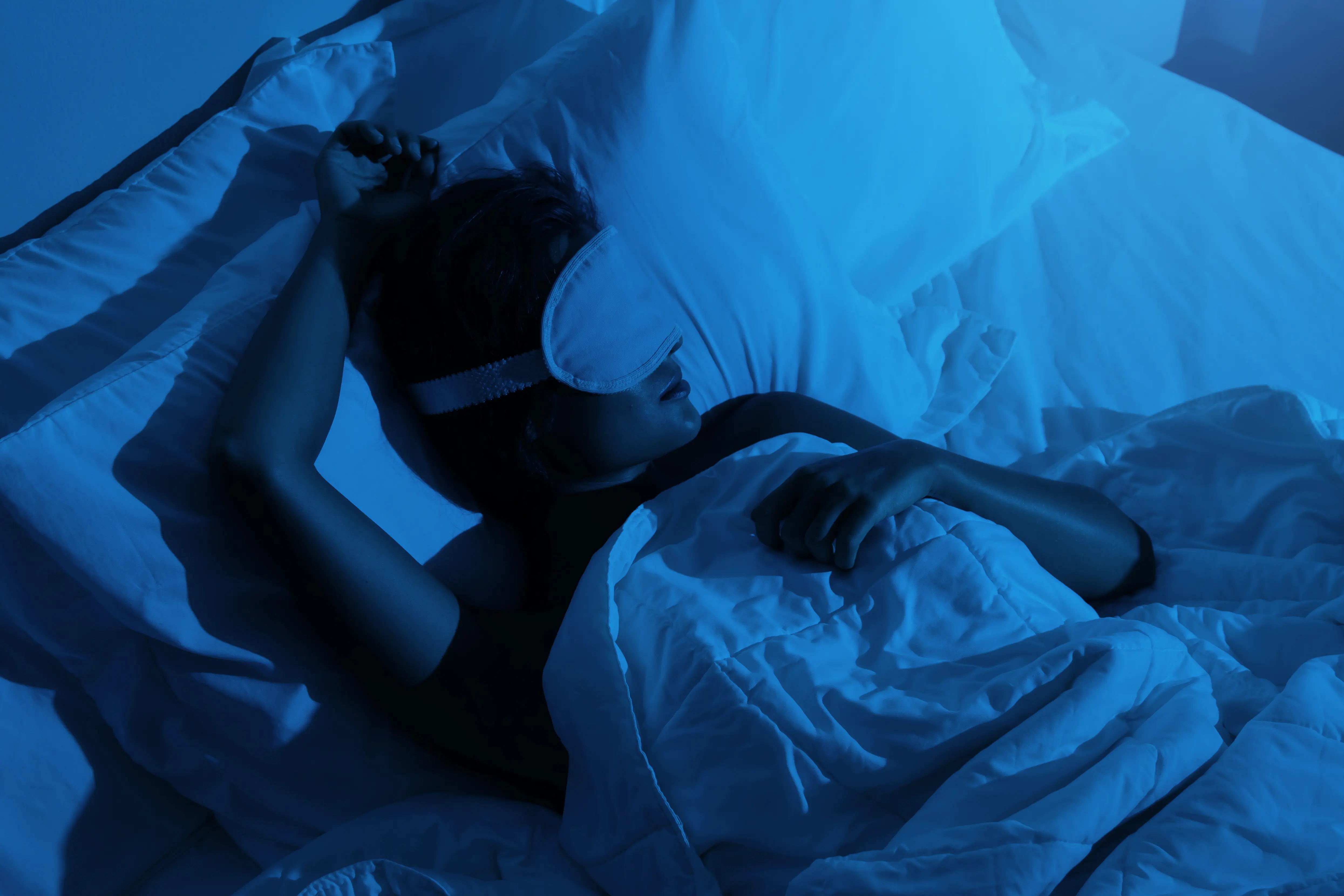
Sleep hygiene is the foundation of good sleep. This includes regular sleep and wake times (even on weekends), a cool, dark, and quiet bedroom, and avoiding screens at least an hour before bedtime.
Relaxation techniques such as progressive muscle relaxation, breathing exercises (e.g., the 4-7-8 method) or meditation can significantly reduce the time to fall asleep and improve sleep quality.
Valerian is one of the best-researched herbal sleep aids. Studies show a mild sleep-promoting effect, especially with regular intake over several weeks.
L-theanine, an amino acid from green tea, can improve sleep quality and reduce anxiety when combined with magnesium—without drowsiness the next morning.
Melatonin as a supplement is useful for jet lag or disrupted sleep-wake cycles but should not be taken long-term. In Germany, it is available over the counter.
For chronic sleep disorders, it is always advisable to consult with a general practitioner or a sleep specialist.
Can I drink the Sleepy Girl Mocktail daily? In normal amounts, it is harmless. However, pay attention to the amount of magnesium - the recommended daily dose should not be permanently exceeded.
Who is the mocktail suitable for? Basically for healthy adults. Pregnant women, nursing mothers, people with kidney diseases or who are taking medication should consult a doctor beforehand.
Where can I get magnesium powder? In pharmacies, drugstores (dm, Rossmann), or online. Recommended are magnesium citrate or magnesium glycinate.
Can I also drink the mocktail warm? Yes - a warm version with sour cherry juice and cinnamon is a nice alternative, especially in winter.
Does the mocktail really help? The scientific evidence is limited. However, many people report positive experiences – whether due to the ingredients or the placebo effect is debatable. It cannot cause harm in normal amounts.
The Sleepy Girl Mocktail is not a scientifically proven sleep aid, but a harmless, pleasant evening ritual that can have a positive effect for many people. The combination of sour cherry juice and magnesium has a sleep-promoting potential – however, in the quantities contained in the drink, more likely through placebo and ritual effects than direct physiological effects.

Oliver Lüder