© Karolina Grabowska
Sex kann in den Wechseljahren für viele Frauen ein belastendes Thema sein
December 30, 2025
Sharon Burbat
Learn why libido can decrease or increase during menopause, what helps against vaginal dryness, and how to maintain your desire
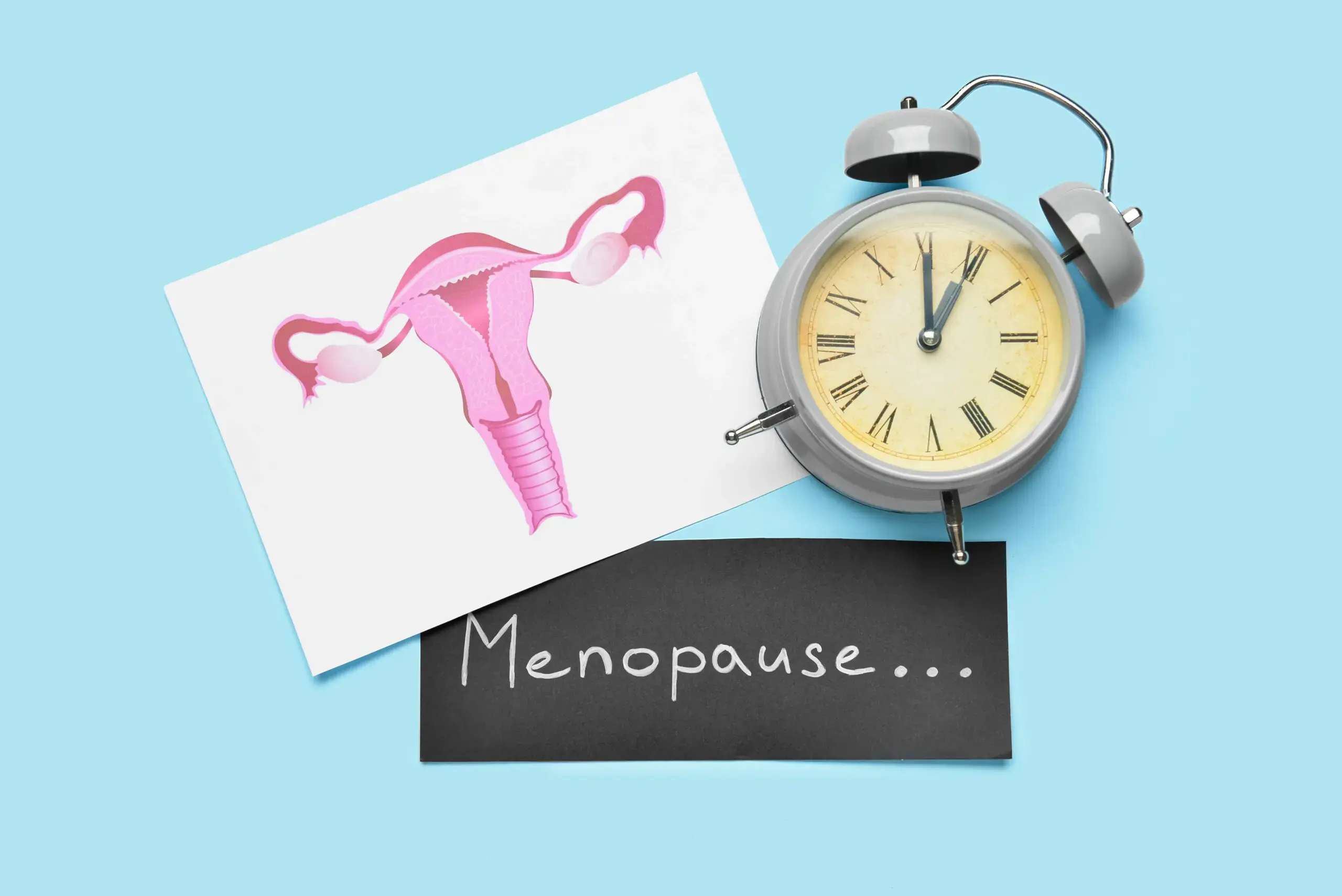
Eroticism and intimacy are not a matter of age, even though it was previously assumed that with the end of fertility, the experience of sexuality would also end. Women can generally lead a fulfilling sex life during and after menopause. So much in advance. Nevertheless, many women wonder what effects menopause can have on their sexuality and what the possible connection to a loss of libido is.
Sex can be a stressful topic for many women during menopause. The body changes, both externally and internally: libido decreases, weight is gained, the vagina becomes drier, and symptoms such as hot flashes, mood swings, and sleep disturbances take their toll. This multitude of factors, especially in combination, can negatively impact sexual experience. It is all the more important to avoid additional stress and not to put oneself under pressure. Because psychological factors play a particularly important role in this topic.
Menopause can have a significant impact on libido, with some women having no desire for sex at all during this time, while others suddenly have much more. Why this is and what the reasons are:
Many women experience a loss of libido during menopause, meaning they have a significantly reduced sexual desire. In a survey, 34% of postmenopausal women aged 50-60 complained of a reduced sex drive, 53% reported less interest in sex during menopause, but 71% expressed a desire for a fulfilling sex life.
The causes of libido loss are diverse, not well-researched, and cannot be attributed solely to an estrogen deficiency. Reflect on yourself and try to determine what the physical changes do to you, whether you accept them, find yourself attractive, or have developed inhibitions towards your partner.
Talking about sex is difficult for many. It's easier to address the issue before major problems arise, to feel more secure when the time comes. For example, after menopause, some women require different forms of stimulation to feel arousal. Although the level of sex hormones drops much faster in women than in men, men also face physical changes with age, such as a decrease in testosterone levels, which can lead to erectile dysfunction.
What many don't know: Certain medications such as sleeping pills, sedatives, antidepressants, and painkillers can negatively affect libido.
Some women experience the opposite and have more desire during menopause, often after menopause, when the new hormone balance has somewhat stabilized and symptoms subside. Another factor is the absence of the burden of contraception, which some see as a kind of liberation. In addition, several things change in the personal environment during this phase of life: the children move out of the house, there is usually less professional pressure, and as a result, more togetherness in the partnership. There are women who become more adventurous during this time and want to rediscover themselves.
If there is pain during sex - also called dyspareunia - it is often due to vaginal dryness during menopause. It is a typical accompaniment of aging and also one of the reasons for the frequently occurring loss of libido. The female hormone estrogen is responsible for blood circulation and moisture secretion in the vagina.
However, estrogen levels drop during menopause, causing the mucous membranes to become drier and thinner, and the vagina does not get moist enough during sex. There is a risk that the sensitive mucous membrane will be injured or bladder infections will occur more quickly. Signs of vaginal dryness usually include itching and burning in the vaginal area.
But what helps against vaginal dryness and pain during sex in menopause? It's often not such a simple matter, because: The fear of pain can lead to tension, which in turn reduces desire and thus also the natural production of fluid during sexual arousal by the Bartholin's glands.
So it's important to engage in open communication with your partner and your gynecologist. Depending on the cause and severity of the pain, there are various methods available. For mild symptoms due to estrogen deficiency, a lubricant might already provide relief. For more severe complaints, a local hormone treatment in the form of creams or suppositories can be considered.
If severe and life-altering symptoms accompany the pain during sex in menopause, your gynecologist may discuss systemic hormone treatment with you as part of hormone replacement therapy.
As you age, the number of fertilizable eggs decreases, making pregnancy less likely, but it's not impossible. Therefore, you should not forgo contraception during menopause.
The following methods are suitable for contraception during menopause:
Gynecologists advise against the pill in menopause because the risk of cardiovascular diseases increases with age, and the pill has side effects like thrombosis, circulatory disorders, and heart attack.
Menopause marks the end of the fertile phase, but it is a long-term transition process. You should continue contraception for one to two years after the last menstrual period. When this occurs is individual. If menopause occurs after age 50, one year of further contraception is recommended; if it occurs before age 50, two additional years are recommended.
By the way: For women taking "the pill," it is difficult to determine menopause accurately. In this case, you should definitely discuss the duration of contraception with your gynecologist.
Here you will find all articles on the topic Menopause!