© Freepik
January 8, 2026
Margit Hiebl
The question may sound flippant at first. But without flow, peak performance is often not possible. And this is scientifically proven.
The term "Flow" was coined in the 1970s by Mihály Csikszentmihályi, then a professor of psychology in Chicago and one of the co-founders of Positive Psychology. He researched when people are truly happy. To do this, he observed people from various areas of life over decades, initially a group of artists and dancers whose absolute dedication to their work fascinated him.
Later, other professions were added, even Himalayan climbers or Navajo shepherds were included – a total of around 8000 interviews were conducted worldwide.
The result: Regardless of culture, education, or other factors, all respondents experienced an intense feeling of happiness particularly when they were fully engaged in an activity. Whatever the respondents were occupied with, there were always the same seven criteria that characterized a flow state.
1. Absolute focus on one thing.
2. A feeling like intoxication.
3. Complete inner clarity – you know exactly what to do and what step follows next.
4. It seems effortless.
5. The sense of time disappears, hunger, thirst, or fatigue are faded out.
6. You have the feeling of transcending yourself and
7. being part of something greater.
From a neuroscientific perspective, flow is a kind of exceptional state. The brain is fully in 'performance mode': creative, focused, and efficient - yet astonishingly calm. The prefrontal cortex, the master of self-criticism and planning, goes more or less offline. This is made possible by a cocktail of dopamine, norepinephrine, and endorphins - neurotransmitters that enhance motivation, clarity, and satisfaction. Mihály Csikszentmihalyi himself also called the flow experience a 'positive addiction.'
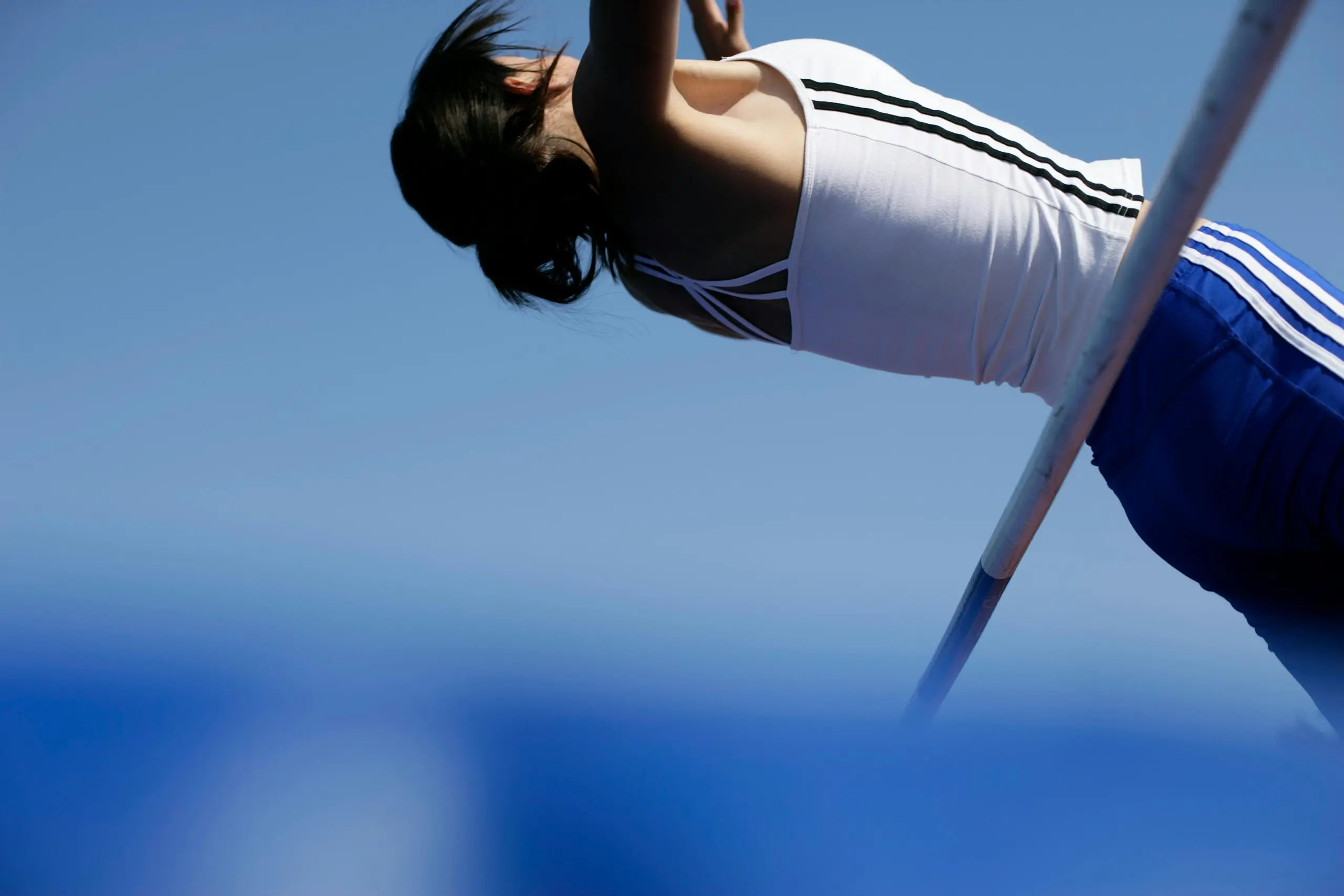
Athletes often talk about being "in the zone." Then the flow feels like a superpower - as expressed by basketball legend LeBron James. Michael Jordan once said: "When I am in the zone, I don't think about the game, the game just comes to me and everything else is simply blocked."
Even tennis pro Serena Williams expressed similar thoughts. Sprinter Usain Bolt summed it up: "You don't think about the start of the race, the finish, or the crowd. You just run." Formula 1 driver Ayrton Senna described a flow experience at the 1988 Monaco Grand Prix when he suddenly drove two seconds faster than the rest of the field: "Suddenly I realized that I was no longer consciously driving the car, but a kind of instinct; I was in another dimension. It was like being in a tunnel."

Studies show: In the flow, athletes can significantly increase their confidence and abilities – sometimes improving their performance by up to 500 percent. But the goals are not always as clearly defined as they are for athletes. How does a painter know if the brushstroke leads to a great work of art? Or a composer, whether the notes he writes down sound right or wrong in context?
The nature of the flow state also includes immediate, sometimes only internal feedback that one can rely on – a form of self-communication. And then it begins to flow. "Creativity is a flow state where you no longer get in your own way," actor John Cleese once said.
For children, these moments when they forget space and time are everyday occurrences. They can effortlessly immerse themselves in self-invented games. They are not distracted by anything and are completely absorbed in what they are doing. For sports psychologist Siegbert A. Warwitz, children are even the archetype of people in flow.
But even in adulthood, one encounters this productive absorption, especially in activities one loves: when cooking, when everything just fits and you have once again surpassed yourself. The classic car fan experiences his magic moment tinkering in the garage, even if it is long past midnight.
Others truly flourish while gardening and forget everything around them. Or they experience it while making music. Writing. Or playing computer games (sometimes Tetris is enough). And here too, that ecstasy sets in that Ayrton Senna described so impressively.
Yet, flow works not only in sports or creative fields, but also in work. Many entrepreneurs know the state, not least because they have often turned their passion into a profession. Whether in their own craft business or at the C-level of a tech company. According to McKinsey, performance can increase fivefold in this state.
But how do you reach this special flow state? It is crucial that demand and ability are in a balanced ratio. If the task is too difficult, you feel overwhelmed – if it is too easy, boredom sets in. We find both stressful.
Mihály Csikszentmihályi and his colleagues have found that the “sweet spot,” the so-called “flow corridor,” lies exactly between over- and under-challenge. Steven Kotler, author of books like The Art of Impossible and founder of the “Flow Research Collective,” which supports companies like Google, Dell, or Sony with flow-related issues, recommends: The challenge should be about four percent above one’s own ability. Unfortunately difficult to grasp – but always demanding a little more of yourself than usual would be a good approach.
In sports, this can mean not immediately jogging for an hour, only to give up exhausted and frustrated. Better: first run to the next bench, then walk a bit, then jog again – and so on. Next time, you might make it straight to the bench after next.
And here we come to the next point: A strong flow driver – besides curiosity and passion – is goal orientation. Setting small goals is worthwhile – because intermediate successes achieved carry you further. They serve, whether through external feedback or internal perception, as immediate feedback to recognize progress or adjust actions.
Such internal feedback loops might sound like: Am I running too fast? Can I make it to the bench after next? There's more I can do today!
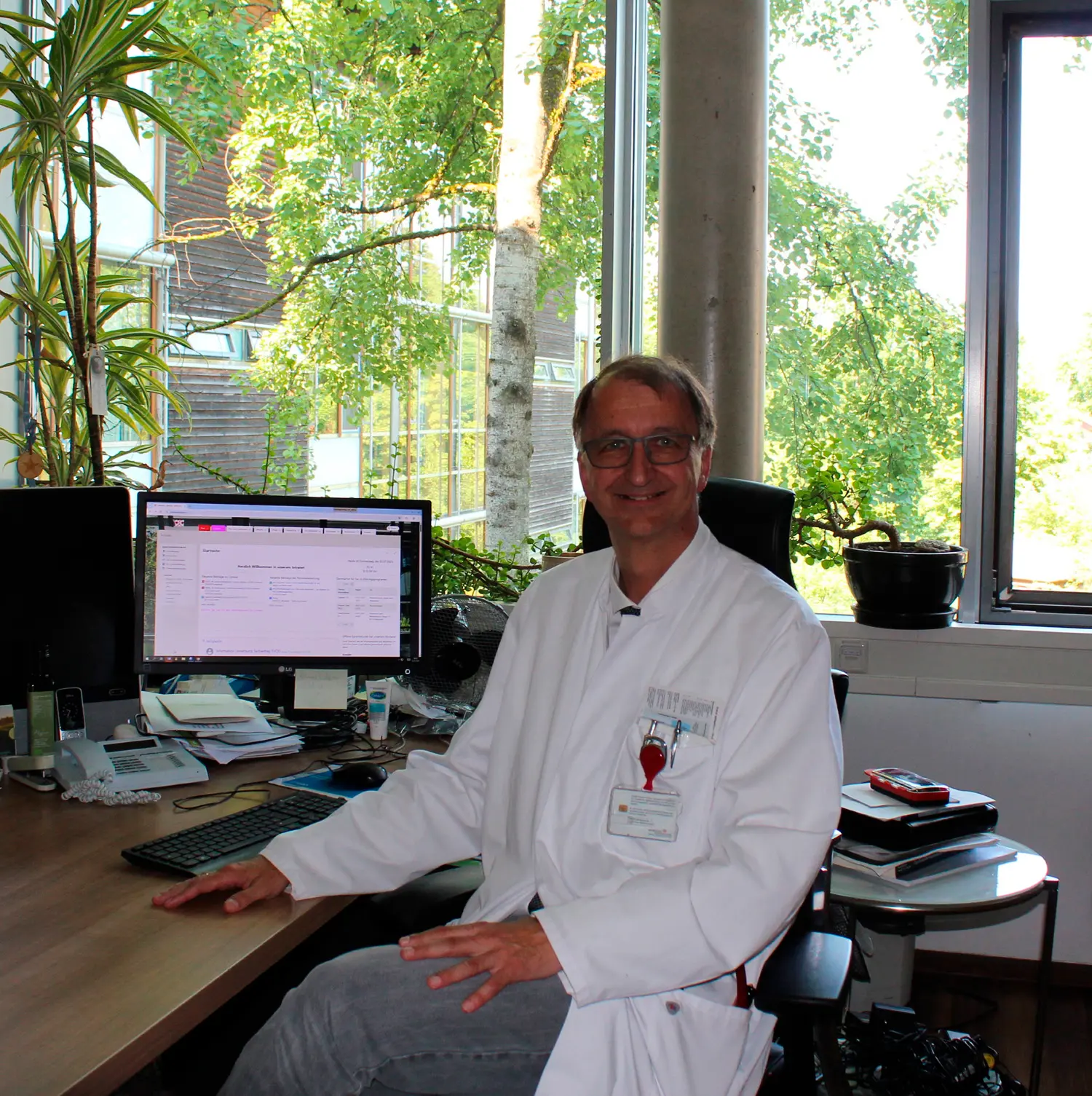
When it comes to external feedback, it is crucial to maintain the individual's autonomy. Therefore, supervisors should not undermine this with overly precise specifications – because what is helpful guidance for one person can be perceived as paralyzing micromanagement by another, says Prof. Dr. Florian Becker, communication and organizational psychologist at TH Rosenheim.
Important with all goal-setting: It must not become obsessive. The more one focuses on wanting and trying, the faster one loses focus on the actual task. Thrill and risk-taking can also promote entering the flow. But for that, one needs expertise as well as a certain level of self-confidence.
A small example: It doesn't have to be extreme sports. Some are already enough with the adrenaline rush of being called to the boss to outgrow themselves – others are blocked by exactly that. To prevent fear of failure from blocking the flow, Kotler recommends mindfulness routines, such as gratitude exercises, which have been proven to reduce anxiety.
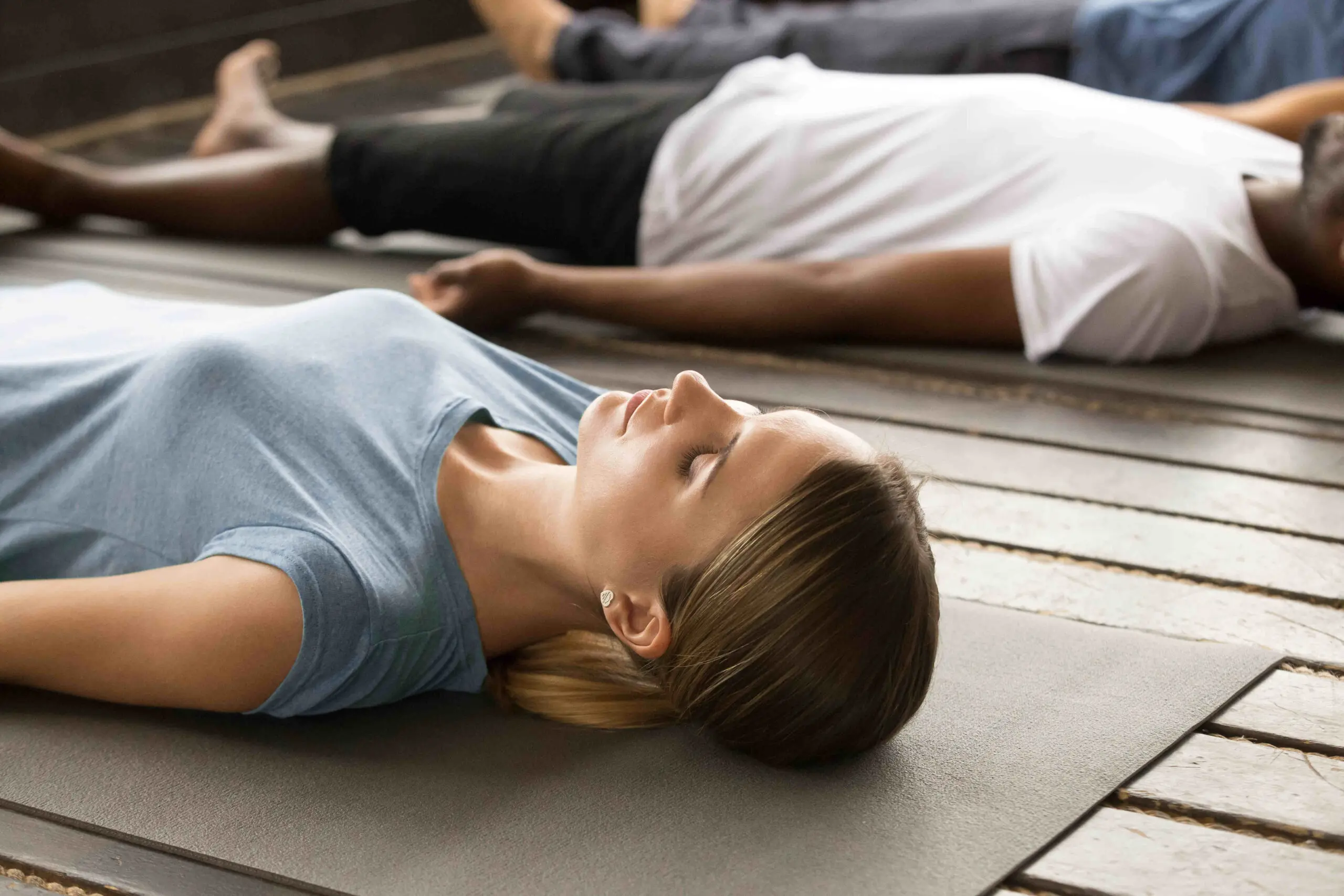
A daily breathing exercise at the start of a new task can also help to stay centered and regulate emotions. Many athletes use mental training by replaying a past flow experience in their mind to enter a new flow state.
Making this a fixed ritual also helps to initiate concentration. Likewise, a fixed start time, specific music, or a clearly defined work routine. And that should then not be disturbed if possible. Absolute silence is not necessary and often not possible, but putting on headphones or turning the phone to airplane mode helps to stay in the flow.
Ayrton Senna reported that he had crashes exactly when he was torn out of his trance-like state – for example, by a radio message from his team asking him to slow down. This also addresses the downside of flow: Studies show that tunnel vision can cause us to overlook other relevant information.
Moreover: What generates such strong feelings of happiness can also become addictive, not only in the positive sense of Csikszentmihályi. Flow is resource-intensive, and without regular breaks, self-care, and regeneration, exhaustion threatens.
Can flow be learned? Not really – but you can deliberately improve the conditions for it. In the end, what matters is: You have to love what you do. Then flow often sets in on its own.