© Fotos: Picture Alliance, Privat
March 6, 2023
Rita Kohlmaier
Film star, mother, doctor, radio advisor, bestselling author... Marianne Koch has had and still has many careers. Why, at 91, she doesn't think about getting old at all.
Dr. Koch, when you look back on your long and consistently successful career—or rather: your numerous careers—what makes your heart skip a beat today, what are you particularly proud of?
Proud? I'm proud of my children and grandchildren. But I admit that the day I finally passed the medical state exam at the age of 45—with top marks, no less—was a special one in my life. And I am quite proud of my Paracelsus Medal, the highest and very rare award given by the German medical community.
You were an internationally known film star when you went back to university at the age of 40 to study medicine. From your medical practice, you transitioned into journalism at the age of 68, writing your first of numerous books on medical topics—you seem to have no fear of starting anew. Where do you get so much confidence in yourself?
You could also call this throwing oneself into new tasks reckless or overconfident. But I think my mother always encouraged us, my brother and me, when we were little: Go for it, you are great kids, you can do it! Self-confidence developed as a child is infinitely important, in my view. It helps you throughout your life.
More and more people today are required to reorient themselves professionally. Some handle it well, others find it incredibly difficult. Do you think it can be learned to start anew without too much fear?
Absolutely. Being brave is one of the most important qualities in aging. And yes: I've often seen that especially older people really flourished when they gave up their previous routine and dared something new. It is certainly true that as an older person, you have greater inhibitions or develop lesser drive to start something completely new—be it just a course at the community college or joining a travel group. Despite initial reservations, people often develop not only new interesting ideas and new perspectives on the world, but they also experience new friendships. Especially when moving to another place or city, it is important to quickly make social contacts there.
In your latest book, which you published for your 90th birthday, you extensively dealt with the art of aging and then gave your work the somewhat rebellious title "I'll get old later". But when does one actually become old?
Good question. I think you can be old even at 30 or 40. Namely, when you are convinced that you have learned enough for your life and consider your views to be fundamentally unchangeable. I came up with the title of the book through my favorite quote. New York writer Bel Kaufman, granddaughter of Sholem Aleichem, was asked why she was still so fit and lively at over 90. She replied: "I am too busy to get old. When I have time, I will sit down and get old. But right now I have too much to do."
© Picture Alliance
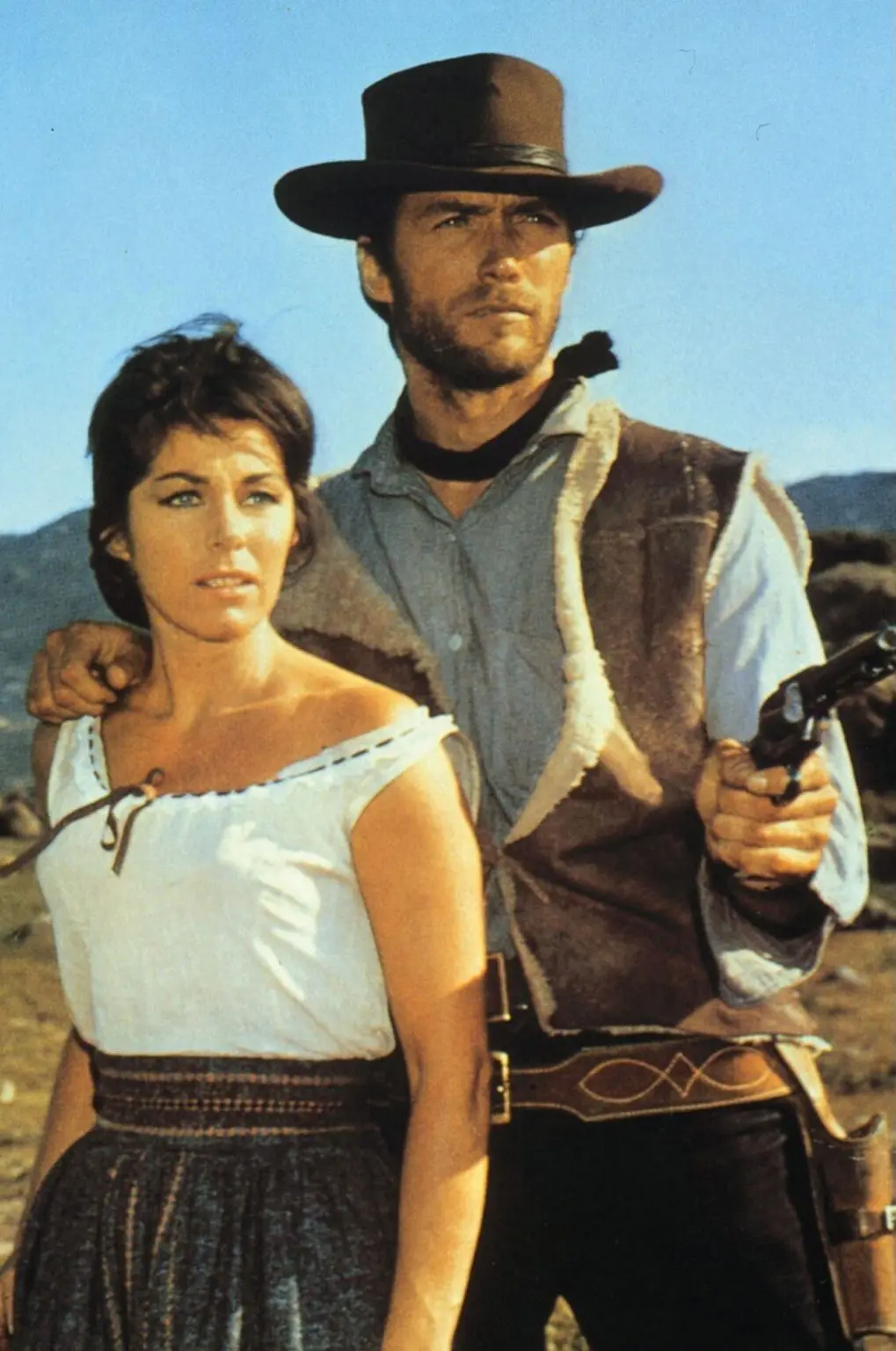
Marianne Koch with Clint Eastwood in "A Fistful of Dollars".
You are for "enjoyable aging," as you call it. And you are considered an enviable example that one can indeed grow older but not really age. What does aging mean to you, personally?
I have the great fortune that I still feel healthy and also seem to be mentally quite fit – so not much different than ten or fifteen years ago. But of course, it does something to the consciousness when age begins with a 9. The finiteness of life, which makes life so valuable, comes closer.
Hardly anyone looks forward to aging; everyone wants to stay young as long as possible. You apparently know the golden rule. What keeps us young?
In fact, there are four golden rules:
Do you exercise?
Well, I used to do a lot of sports: tennis, skiing, water skiing, sailing. Not very well, but with a lot of fun. Today I take my little dog for a walk for half or three-quarters of an hour every day.
Diets, cures, fasting days, wellness weeks? How do you best recharge?
Nothing of the sort. I'm not much of a wellness type. My mother not only instilled in me a love for classical music and visual arts but also an interest in nature. I just got home from a wonderful walk through the forest with trees already turning golden, through the still lush meadows, the glittering lake and the mountains in the distance – it doesn't get more relaxing than that.
When do you feel most comfortable with yourself?
It varies. Often in the Bayern2 studio during the health talk when listeners ask clever and exciting medical questions and where I get along so well with my hosts. But also at a nice dinner with my friends or family.
Even in ancient times there was the concept of the art of living. What was then shaped by virtue and ethics, and also by asceticism, often has to do with work-life balance today. What do you tend towards? How would you understand the art of living?
You are assuming a very privileged state of people. You are right: The balance between work and life is important. However, I fear that instead of work-life balance, most people are currently facing problems like "Can I still pay my rent?", "Why are normal groceries suddenly so incredibly expensive?" or "What can I do to not freeze in winter?" Sorry – but the art of living will have to revolve around these issues at the moment. And I am confident that people will face this with all their courage.
In addition to all your activities, you have hosted the "3 nach 9" talk show for years and were a star for many years in the first guessing show "Was bin ich?" on German television. From the outside, things always seemed to come easily to you. Nevertheless, every person experiences their very dark hours. What helps in such times? Or does nothing help in the end, do you just have to endure it?
Of course, I have also experienced defeats, difficult times, and – above all – losses. And the older you get, the greater the number of friends you lose. The loss of a loved one is, however, the worst, something no one can prepare you for. I think the only real comfort in this situation is looking back on the years of shared life and experiences – and that one should feel this as a great gift.
Whether it's acting, medicine, journalism, or writing books – as different as your careers have been and are, there is one thing all your professional stations have in common: you can only be successful if you also reach people, if you create a connection, so to speak, touch them. Is that what really defines your life? The art of establishing an intense, meaningful connection with other people?
Uhhh – those are big words. Yes, I'm certainly interested in people. Whether it's an art, I don't know. In any case, it's a prerequisite for the profession of a doctor.
Once a week you are on Bayerischer Rundfunk, where you discuss live with callers their medical questions and concerns. What makes the show successful?
You would actually have to ask the listeners that. It certainly has something to do with the lack of time of family doctors, who don't manage to answer all their patients' questions. Maybe also with our school system, which doesn't succeed in explaining the human body and its functions appropriately for each age. But probably also with the generosity of Bayerischer Rundfunk, which gives us complete freedom for this hour for the conversations with the callers.
You provide people who turn to you there with information, recommendations, and often comfort and confidence. What do people give you? Do you get something back?
On the one hand: I'm not the only expert there; we often have other doctors – specialists – as guests. And of course, you get incredibly much back from people. It is totally satisfying when you can dispel a patient's fears or convey an understanding of a therapy.
You are 94 years old and work more intensely than many a 30-year-old. What do you say to someone who asks: Don’t you want to finally retire?
Now you're exaggerating terribly. I'm still interested in all the medical news – but I certainly don't work that much. And what do you mean by "retire"? A life between sofa, balcony, and petting a cat? That’s not for me – petting a cat, yes, but not that lifestyle. I'm looking forward to being able to travel back to my children in the USA once these difficult times get better. And finally, I constantly tell people that the most important thing is to stay flexible – physically and mentally.
A look into the future: What are your next plans? A new project? A new book? Perhaps an autobiography?
No idea – but certainly not an autobiography.
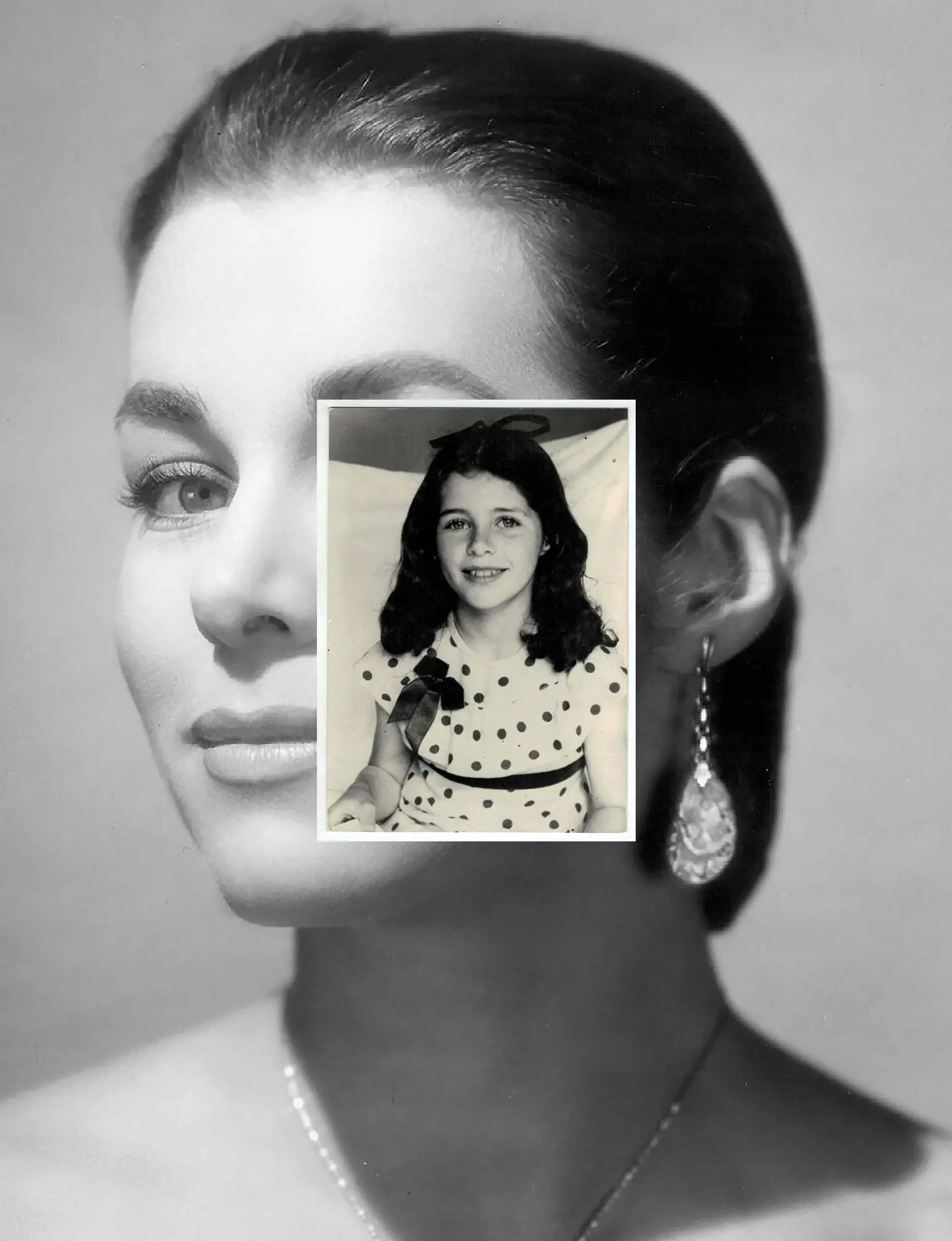
Born in Munich in 1931, finished high school at 17. During her medical studies, she accidentally ended up in the film business without any formal training. And stayed for a while. For 20 years, Marianne Koch was considered the star in post-war and economic miracle Germany, with occasional roles in Hollywood. Then she returned to university at 40, as the mother of two adolescent boys.
Until the late 60s, she enjoyed a good and fulfilling life as an internist. Today she writes about what is important to her: medicine, health, body intelligence. Her books become bestsellers, and at the latest since her big success with "I'll Get Old Later," Marianne Koch is considered the expert for successful aging with dignity and full of drive. And as an inspiration that it's worth following your own ideas and dreams.

© Picture Alliance
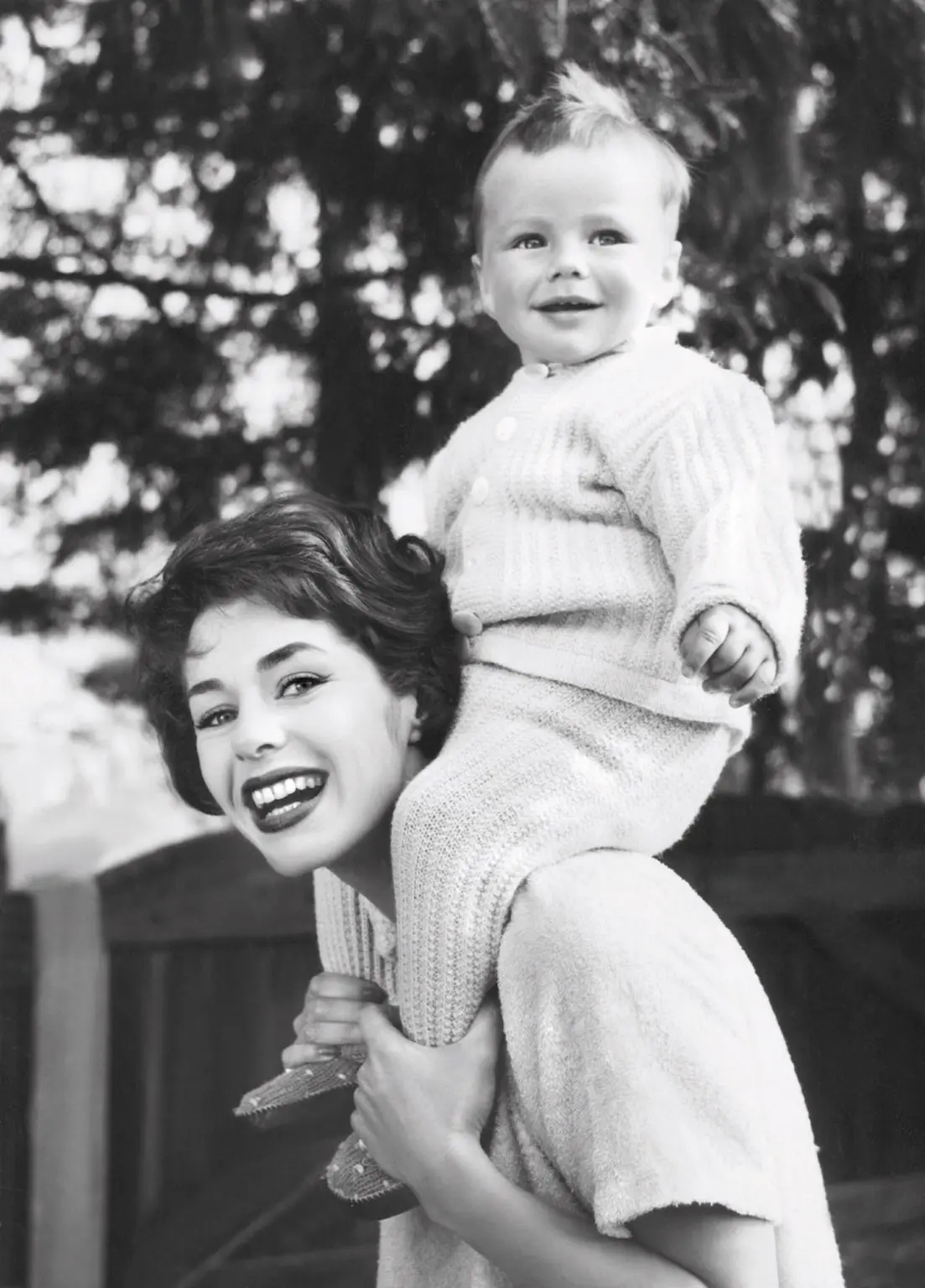
With son Thomas in 1958

© Picture Alliance
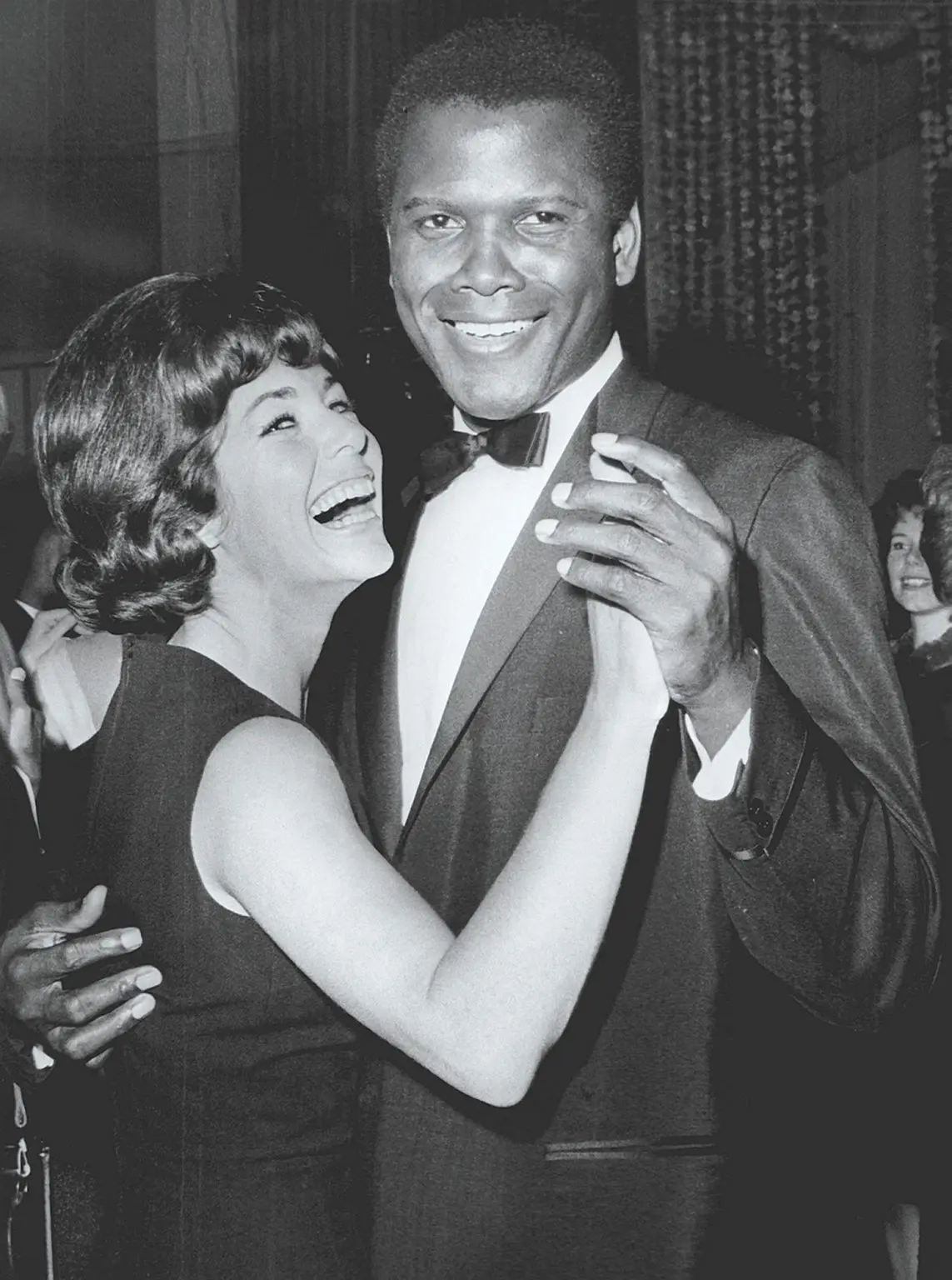
Marianne Koch with Sidney Poitier at the Berlin Film Festival