© Adobe Stock
March 16, 2026
Moira Hammes
Why are women more often affected by histamine intolerance? Learn how the cycle, estrogen, and hormones influence the symptoms.
Histamine intolerance in women occurs much more frequently than in men – about 80% of those affected are female. The reason lies mainly in the interaction between histamine and hormones like estrogen. This affects both the production of histamine and its breakdown in the body.
Here you can read why women are particularly affected, how symptoms change during the cycle, and what role pregnancy and menopause play.
Histamine is a tissue hormone that is both naturally produced in the body and can be absorbed through various foods. In the human organism histamine plays a crucial role: It influences the transmission of immune cells, the production of gastric juice for digestion, the sleep-wake cycle, and even the Blood pressure .
Histamine plays a central role in numerous bodily processes. An imbalance between histamine production and degradation can lead to histamine intolerance, causing various symptoms. A less known connection exists between female hormone balance and histamine intolerance.
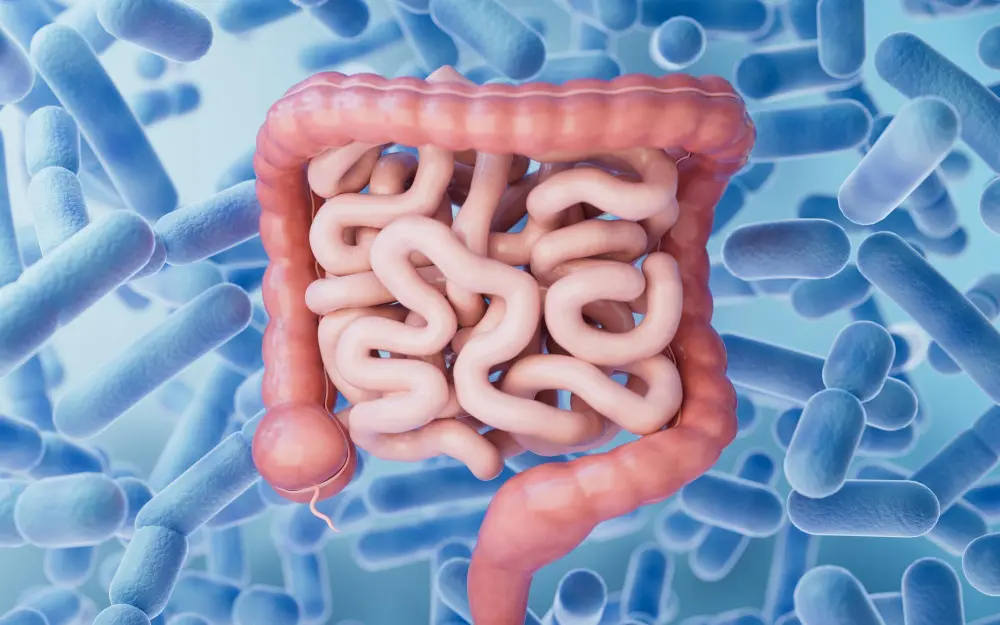
In addition to intestinal diseases, certain medications, histamine-rich foods, and alcohol, the female hormone estrogen can negatively affect the activity of the enzyme diamine oxidase (DAO), which is responsible for histamine breakdown.
In the female body, histamine is mainly produced by mast cells. Estrogen stimulates histamine production in these cells, which is why an increased estrogen level during the follicular, ovulation, and luteal phases can promote histamine formation. It also weakens the enzyme DAO, which breaks down histamine.
Thus, histamine levels fluctuate in line with estrogen levels, leading to frequent complaints especially during the menstrual cycle. In fact, about 80% of those affected by histamine intolerance are women, highlighting the gender-specific prevalence.
During pregnancy, however, DAO is increasingly produced, which can alleviate symptoms. After childbirth, the DAO concentration decreases, which can worsen the symptoms again.
In menopause, symptoms of histamine intolerance can also become more pronounced. Hormonal changes affect histamine production and degradation. Since research on this topic is still limited, understanding the exact relationships in this phase of life is restricted.
The following complaints often occur, among others:
– Flushes (redness, especially on the face)
– Skin rash, itching & hives
– Respiratory complaints
– Dizziness, blood pressure fluctuations & nausea
– Headaches & migraines
– Gastrointestinal complaints
– Increased menstrual pain
Diagnosis usually involves several steps:
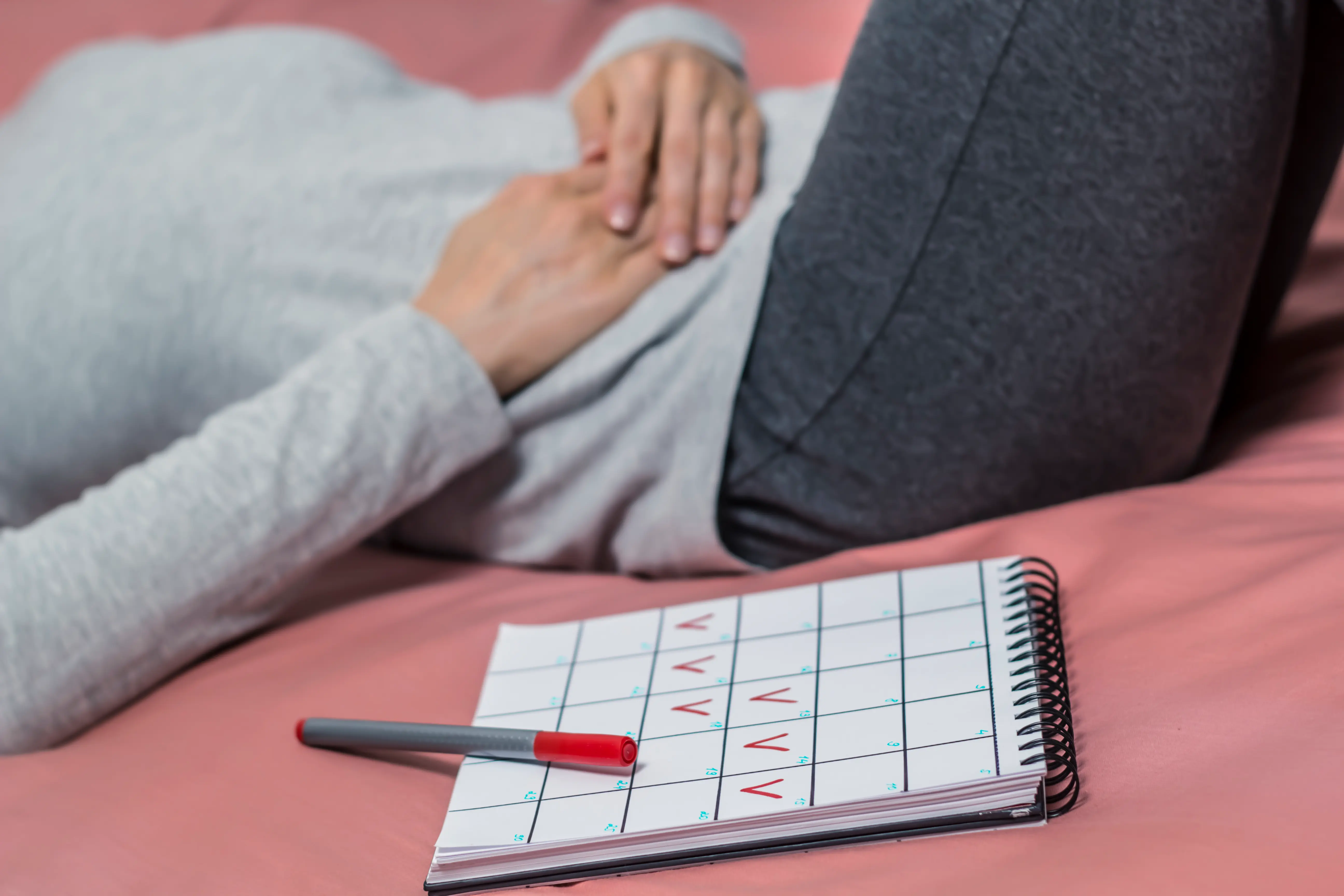
Especially helpful: A Symptom diary with cycle reference, to make hormonal patterns visible.
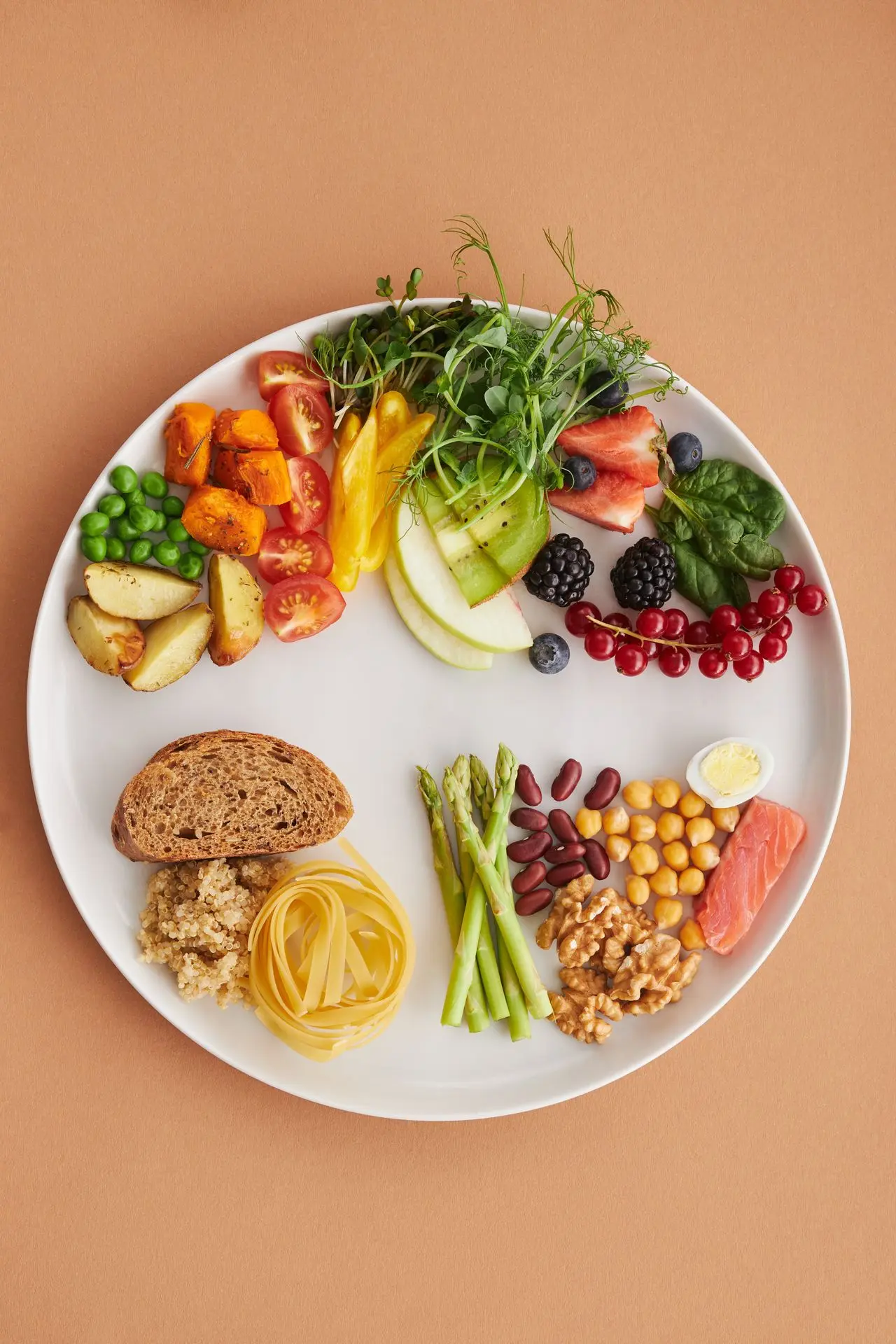
To alleviate the symptoms of histamine intolerance, affected individuals can specifically avoid foods high in histamine and instead opt for a low-histamine diet. There is also the possibility of taking antihistamines, which stabilize the binding sites of histamine, or mast cell stabilizers, which inhibit the release of histamine.
These include, among others, raw sausages like salami, aged cheese, tomatoes, spinach, legumes, seafood and shellfish, as well as wheat products, spicy spices, and many alcoholic beverages.
Many women report that their histamine symptoms significantly decrease during pregnancy.
The reason:
Especially from the second trimester onwards, tolerance often improves significantly.
After birth, however, DAO production drops abruptly –
the symptoms can then return or become more severe.
Histamine intolerance occurs significantly more often in women, which is mainly related to the hormone estrogen. Estrogen stimulates the release of histamine from mast cells while simultaneously inhibiting the enzyme diamine oxidase (DAO), which is responsible for breaking down histamine.
This creates a double effect: the body produces more histamine while being less able to break it down. Since estrogen levels in the female body fluctuate greatly over the course of the cycle, during pregnancy, and in menopause, histamine exposure is also much more variable – and often higher than in men.
Hormonal contraceptives can have an impact on histamine intolerance, especially if they contain estrogen. Synthetic estrogens can have effects similar to those of natural estrogen: they promote the release of histamine and can inhibit the activity of the DAO enzyme.
Some women therefore report that their symptoms worsen while taking the pill. Others, however, notice hardly any changes. After discontinuing hormonal contraceptives, there may be an improvement in symptoms in some cases. Since the reaction is very individual, any change should always be made in consultation with a doctor.
Many women with histamine intolerance experience their most severe symptoms at times when estrogen levels are particularly high or fluctuating significantly. This is especially true around ovulation and the days before menstruation.
During these phases, symptoms such as migraines, skin reactions, digestive problems, or mood swings may increase. However, the connection is not always obvious, as the symptoms are often interpreted as typical hormonal symptoms. A symptom diary that also takes the cycle into account can help make such patterns visible.
Yes, the manifestation of histamine intolerance can change significantly over the course of life. Hormonal changes such as pregnancy, breastfeeding, or menopause have a major impact on histamine metabolism.
Many women report, for example, that their symptoms improve during pregnancy, while they become more severe or appear for the first time during menopause. Factors such as gut health, diet, stress, or medication also play an important role.
Therefore, histamine intolerance is not a static condition but can develop differently depending on the phase of life and individual circumstances.
In addition to histamine-rich foods, hormonal fluctuations, stress, and certain medications can exacerbate symptoms. Many women are particularly sensitive during phases with high estrogen levels, such as around ovulation or just before menstruation.
Alcohol, heavily processed foods, or long-stored meals can also increase histamine levels. Additionally, some medications – such as certain painkillers or antibiotics – can impair histamine breakdown.
A conscious approach to diet, stress, and cycle can therefore help control symptoms better.
Histamine intolerance is currently not considered a classically curable condition, as it often stems from individual sensitivity or reduced enzyme activity. However, symptoms can be well managed in many cases.
Through a tailored diet, avoiding individual triggers, and – if necessary – supportive measures such as DAO supplements or antihistamines, affected individuals can significantly improve their quality of life.
Since histamine intolerance can change over the course of a lifetime, it is also advisable to regularly reassess one's own tolerance and adjust the diet accordingly.