© Magnific
September 25, 2026
Marianne Waldenfels
Keeping your heart healthy doesn't have to be complicated. Cardiologist Dr. Nana Bimpong-Buta explains what matters most in everyday life – from knowing your risk factors to managing stress, sleep, and exercise.
Our heart beats more than 100,000 times a day – mostly without us giving it a second thought. Yet heart health isn't only determined when blood pressure or cholesterol levels become a concern. How well our heart functions over the years also depends on how we live: how much we move, how deeply we sleep, how we handle stress, and how stable we are mentally.
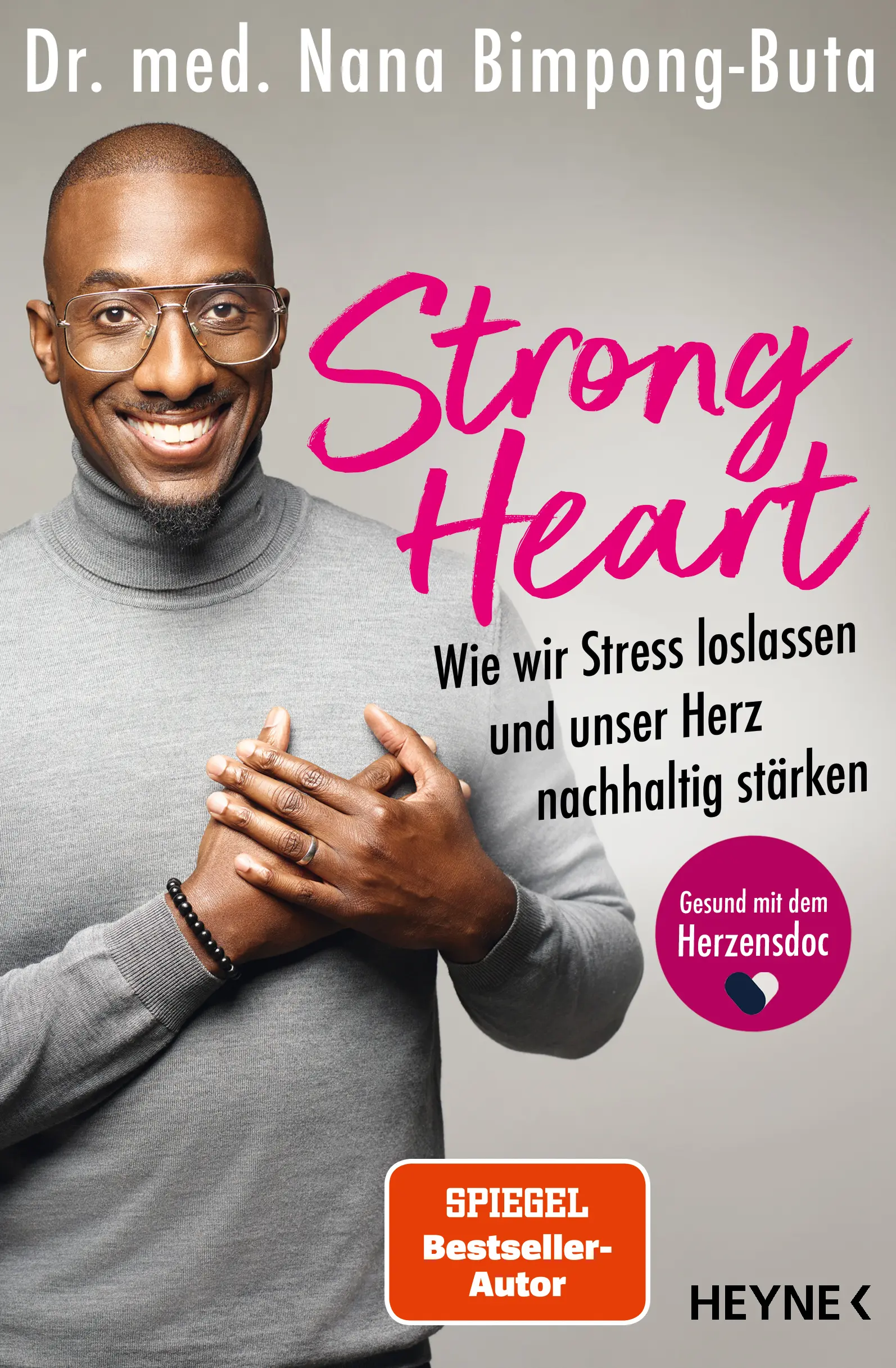
In his new book "STRONG HEART" (Heyne), cardiologist and stress management trainer Dr. Nana Bimpong-Buta explains not only how cardiovascular diseases develop, but focuses above all on bringing heart health into everyday life. In this interview, he discusses which values everyone should know, why women's hearts deserve special attention, what wearables can offer, and why closeness and joy are also part of a heart-healthy life.
Dr. Bimpong-Buta, you devote a great deal of attention to stress when it comes to heart health. Are we underestimating just how dangerous everyday life can be for our hearts?
Yes, absolutely. The big problem is that many risk factors for our heart are invisible and painless. The classic factors – high blood pressure, cholesterol, smoking, diabetes and obesity – remain enormously important, but in my view, chronic stress is still underestimated.
Stress often acts as an amplifier of other risk factors: people under constant pressure sleep worse, exercise less, tend to eat less healthily, may smoke more, and are less attuned to their body's warning signals.
That's why stress management is, for me, just as natural a part of heart disease prevention as exercise, nutrition, and blood pressure monitoring. And we need to start early – because I repeatedly see younger people who know their daily lives are too stressful but have no idea how to actually change that.
Why does stress affect women's hearts differently than men's?
Women's hearts are not simply smaller versions of men's hearts. Hormonal changes – particularly around menopause – along with differences in vascular function, stress processing, and certain clinical conditions all play a role. A striking example is Takotsubo syndrome, the so-called broken heart syndrome, which occurs predominantly in post-menopausal women.
At the same time, cardiovascular diseases can present differently in women through what are called "atypical symptoms," which is precisely why we need to look more carefully. Gender-sensitive medicine has made great strides, but we haven't crossed the finish line yet. For me, modern cardiology therefore means not just looking at the heart, but also considering whose heart it is.
You just mentioned Takotsubo syndrome – can a heart actually "break"?
Yes – and that's far more than a figure of speech. In Takotsubo syndrome, severe physical stress – and especially intense emotional stress – can trigger serious heart failure and dysfunction of the heart muscle. It affects women in particular. The symptoms very frequently mirror those of a heart attack exactly: chest pain, shortness of breath. And objectively, there are clear changes in the ECG and significantly elevated cardiac blood markers.
What's fascinating is that our feelings are not just "in our heads." Broken heart syndrome is, for me, proof that body and mind are very closely connected – and sometimes that connection becomes most visible in the heart. What's crucial, however, is this: acute symptoms should always be medically evaluated. No one should decide at home, when experiencing chest pain, whether it's "just stress" or whether it will "go away on its own."
Chest discomfort can be deeply unsettling. How can you tell whether a heart condition is behind it or whether the mind is playing the decisive role?
That often can't be reliably distinguished based on the feeling alone. Stress and anxiety can cause very real physical symptoms – a racing heart, palpitations, chest tightness, or shortness of breath. But similar symptoms can also occur with a more or less acute heart condition.
That's why my most important message is: don't self-diagnose. New, severe, or unusual symptoms – especially persistent chest pain or pressure, shortness of breath, cold sweats, nausea, or a marked deterioration – must be medically evaluated; in the case of acute severe symptoms, call emergency services. Only once dangerous causes have been ruled out can we responsibly discuss what role stress or anxiety might be playing.
In your book you share techniques like the "five-second stop" and an inner "calm button." What can you actually do in an acute stress situation to put the brakes on your body's stress response?
When we're acutely stressed, our body very quickly switches into alarm mode. That's exactly where the five-second stop comes in: I deliberately pause for a brief moment and don't react immediately.
Those few seconds create distance between the trigger and my response. I can collect myself, breathe consciously, and ask: how do I want to respond right now? That may sound simple, but precisely this small pause can help break automatic stress patterns. We can't – and shouldn't try to – banish stress from our lives entirely, but we can learn to react to it differently and manage it more effectively.
High blood pressure often goes unnoticed for years. Which values should everyone know about their cardiovascular risk – and from what age should people start paying closer attention?
I always tell my patients: know your numbers. These include above all blood pressure, blood sugar or HbA1c, and blood lipids – particularly LDL cholesterol. Beyond that, there are factors that don't appear on any lab report: smoking, physical activity, weight, sleep, stress, and of course family history.
And you shouldn't wait until 60 to start. Blood pressure should be checked regularly even in younger adults; by middle adulthood at the latest, personal preventive care should become more structured – and considerably earlier for those with a family history or existing risk factors. For me, prevention means exactly that: not waiting until something hurts.
On the topic of cholesterol, you write in "Strong Heart" that it mainly becomes a problem when inflammation is added to the mix. What role do inflammatory processes actually play in the development of heart attacks and arteriosclerosis?
Arteriosclerosis is not simply "too much fat in the pipes." LDL cholesterol plays a central causal role, but the formation and progression of plaque is at the same time an inflammatory process within the vessel wall. Immune cells become activated, the vessel wall changes, and over time plaques can become unstable.
In a detailed ultrasound examination, a trained eye can actually distinguish between hard plaque and soft plaque. Hard plaque cannot be changed, but soft plaque – the softer calcification – is what can rupture and thereby trigger a heart attack or stroke.
That's why we shouldn't pit cholesterol and inflammation against each other. What matters is the interplay of various processes and risk factors. The encouraging thing about prevention is that many of them are things we can actively change.
Exercise is considered one of the most effective ways to protect the heart. How much is needed – and at what intensity – for the heart to truly benefit?
Your heart doesn't demand a marathon. A good guideline for adults is at least around 30 minutes of moderate exercise on five days a week – for example, brisk walking or cycling – or a correspondingly shorter duration at higher intensity. Ideally, this is complemented by muscle-strengthening activity on at least two days.
Far more important to me than finding the perfect sport, however, is consistency – and above all, movement in EVERYDAY life. The best exercise is the one you'll still be doing next week. Stairs instead of the elevator, a walk instead of the sofa, a bike instead of a car: your heart counts movement, not trophies.
You describe sleep as the "best heart medicine." What happens to the heart and blood vessels when we consistently get too little sleep?
Sleep is not lost time – it is recovery time. While we sleep, our body has the opportunity to wind down and regulate many systems. Consistently getting too little or poor-quality sleep can negatively affect blood pressure, metabolism, stress hormones, and inflammatory processes, among other things.
For most adults, approximately seven to nine hours is a good guideline – though not only the duration but also the quality and regularity matter. That's why I like to call sleep one of the most underestimated forms of prevention: you don't have to run faster to benefit from it – you're actually allowed to lie down.
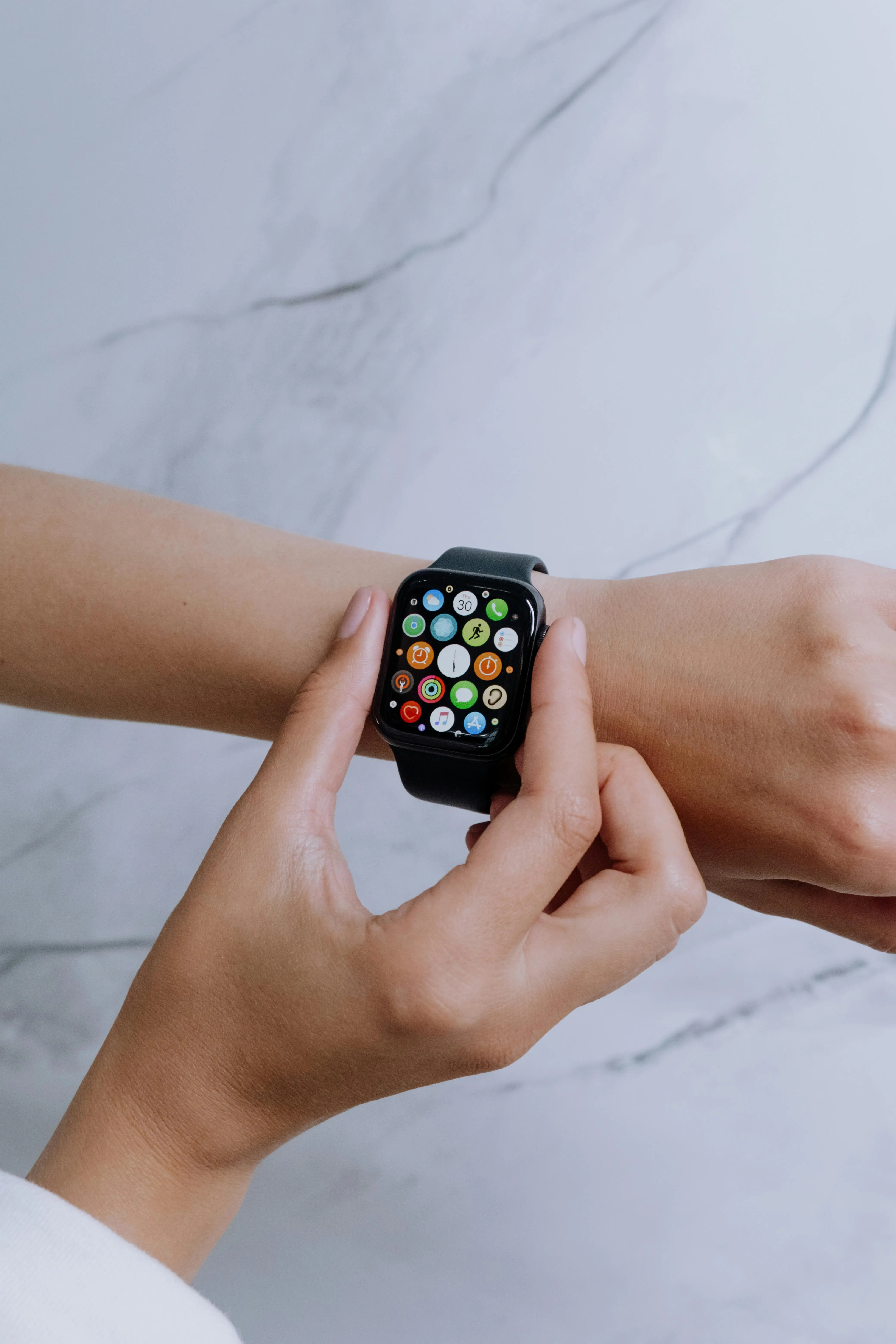
Smartwatches and smart rings can now record pulse, HRV, and in some cases even an ECG. Which of these data points are actually useful from a cardiological perspective?
Wearables can be wonderful tools – as long as we treat them as tools and not as doctors on our wrist. Particularly valuable are longer-term trends in resting heart rate, activity and sleep data, and – with the right devices – indications of rhythm disturbances. A recorded single-lead ECG can, for example, be very helpful for medical assessment in cases of recurring palpitations or an irregular heartbeat.
With HRV, I find trends over time particularly interesting; individual readings, on the other hand, should not be over-interpreted. My guiding principle is: data should help us understand our body better – not lead us to monitor it around the clock and end up even more stressed as a result.
You describe your book as a "journey of the heart." What do you hope it will change in your readers?
I want people to pay attention to their heart before it becomes sick. Our heart beats more than 100,000 times – PER DAY! It works for us from the very first to the very last day of our lives, without a vacation, without weekends, without ever needing to be asked. Honestly, it deserves for us to start caring for it a little sooner.
STRONG HEART is therefore not meant to be a journey into fear, but a journey into self-efficacy – a small journey of recognition and appreciation for this remarkable organ that ultimately gives our life its beat.
If someone finishes the last page thinking, "I can do something for my heart today – and I know how," then this book has achieved exactly what I hoped for with all my heart.
If you had to choose three things a person could start doing tomorrow to protect their heart in the long term, what would they be?
First: lifestyle – exercise and a healthy diet. My rule here is: simplicity wins. Exercise doesn't have to mean a gym. Ten squats between tasks, taking the stairs, or going for a walk all count just as much. And when it comes to nutrition, you don't need the most elaborate meal plan.
One simple question already helps: is my plate colorful? And by that I of course don't mean gummy bears and Smarties, but fruits and vegetables. Complexity is often the enemy of follow-through.
Second: know and understand your own risk factors. Blood pressure, cholesterol, blood sugar, family history – get informed from reliable sources and seek proper medical advice. Dr. Google and Madame YouTube should not be our doctors. Medicine needs to be explained in a way that people can actually understand – because only what we truly understand can we put into practice.
And third: give more kisses! By that I mean much more than just the kiss itself – let's nurture our relationships, spend time with people who are good for us, and not lose sight of love, closeness, and joy in life amid all our striving for achievement. For me, that too is an essential part of true heart health. Heart health doesn't start someday. It starts today.

© Studioline BmbH&Co.KG
Dr. Nana Bimpong-Buta runs his own cardiology and prevention practice in Bochum, where he combines modern cardiac medicine with innovative prevention, stress medicine, and a holistic approach to heart health. His podcast Leben auf Pump and his channels on Instagram and TikTok are followed by more than 150,000 people.

Hearing loss is linked to a higher risk of dementia – yet declining hearing often goes untreated for far too long. ENT specialist Prof. Dr. Christopher Bohr explains how hearing affects the brain and why it can be important to act early.
Christine Bürg & Marianne Waldenfels

An interview with
Prof. Dr. Christopher Bohr