Some couples consciously decide over the course of their relationship: Now is the time when we want to start a family. Once the decision to have children is made, fertility and health during pregnancy can be supported by various nutrients.
We spoke with Yasmin Poloczek , micronutrient analyst and holistic nutritionist from Berlin, about proper nutrient supply and nutrition in the various phases from the desire to have children, through pregnancy, to the time after birth.
Needs during the different phases
While a balanced intake of macronutrients, i.e., proteins, carbohydrates and fats, as well as micronutrients such as vitamins and minerals, are fundamentally crucial for health and every process in our body, these nutrients play an even more important role in certain life phases.
“With the right nutrition, women can significantly influence their fertility by balancing their hormone levels,” explains Yasmin Poloczek.
Before pregnancy, the focus is on optimally preparing the body for a healthy conception, starting with gut health , so that nutrients can be effectively absorbed. During pregnancy, it's crucial to meet the increased demand for certain vitamins and minerals to support the baby's growth and development while also promoting the mother's health.
After birth, the nutritional focus is on supporting recovery and, if breastfeeding, stimulating milk production.
Before pregnancy
Tips for women
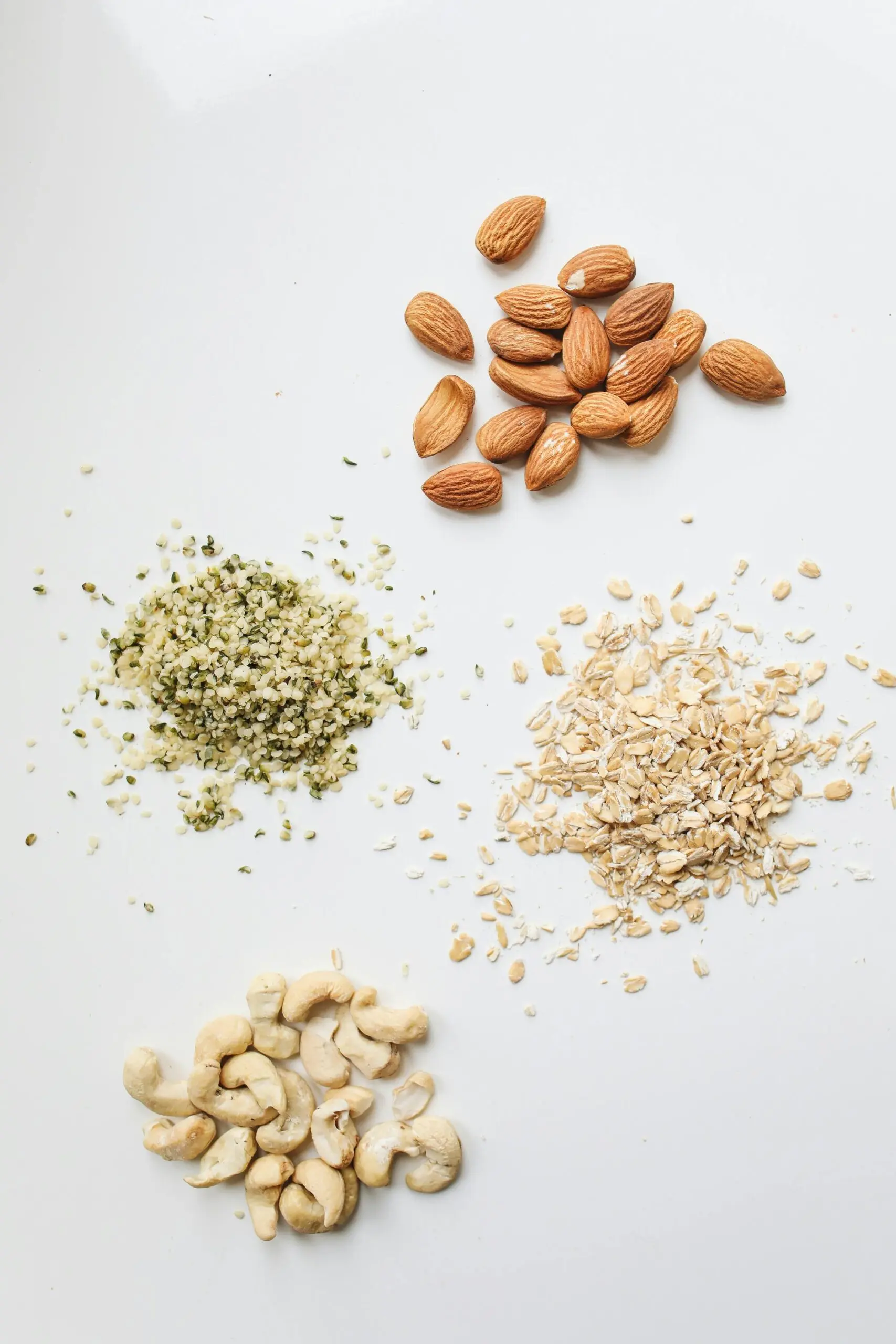
A balanced diet, rich in vegetables , fruits, herbs, legumes, whole grains, nuts, and seeds, as well as plant oils and probiotics from fermented foods like kimchi or sauerkraut, forms the foundation for health, energy, and vitality at every stage of life. Additionally, the nutritionist recommends the following supplements for women wishing to conceive:
- Multivitamins “Studies show that taking a high-quality multivitamin from the desire to conceive and at least six months prior to delivery is crucial for a successful pregnancy,” says Poloczek, who specializes in hormone balance for women in her nutrition counseling. The supplements should include B vitamins, vitamin A, zinc, and iron, for example.
- Folic acid is one of the most important nutrients for the path to pregnancy. This B vitamin promotes general fertility, plays a crucial role in early pregnancy in the development of the embryo’s neural tube—which later develops into the brain and spinal cord—and can drastically reduce the number of miscarriages. “Women should supplement folic acid from the time of wishing to conceive, during the entire pregnancy, and also during breastfeeding.”