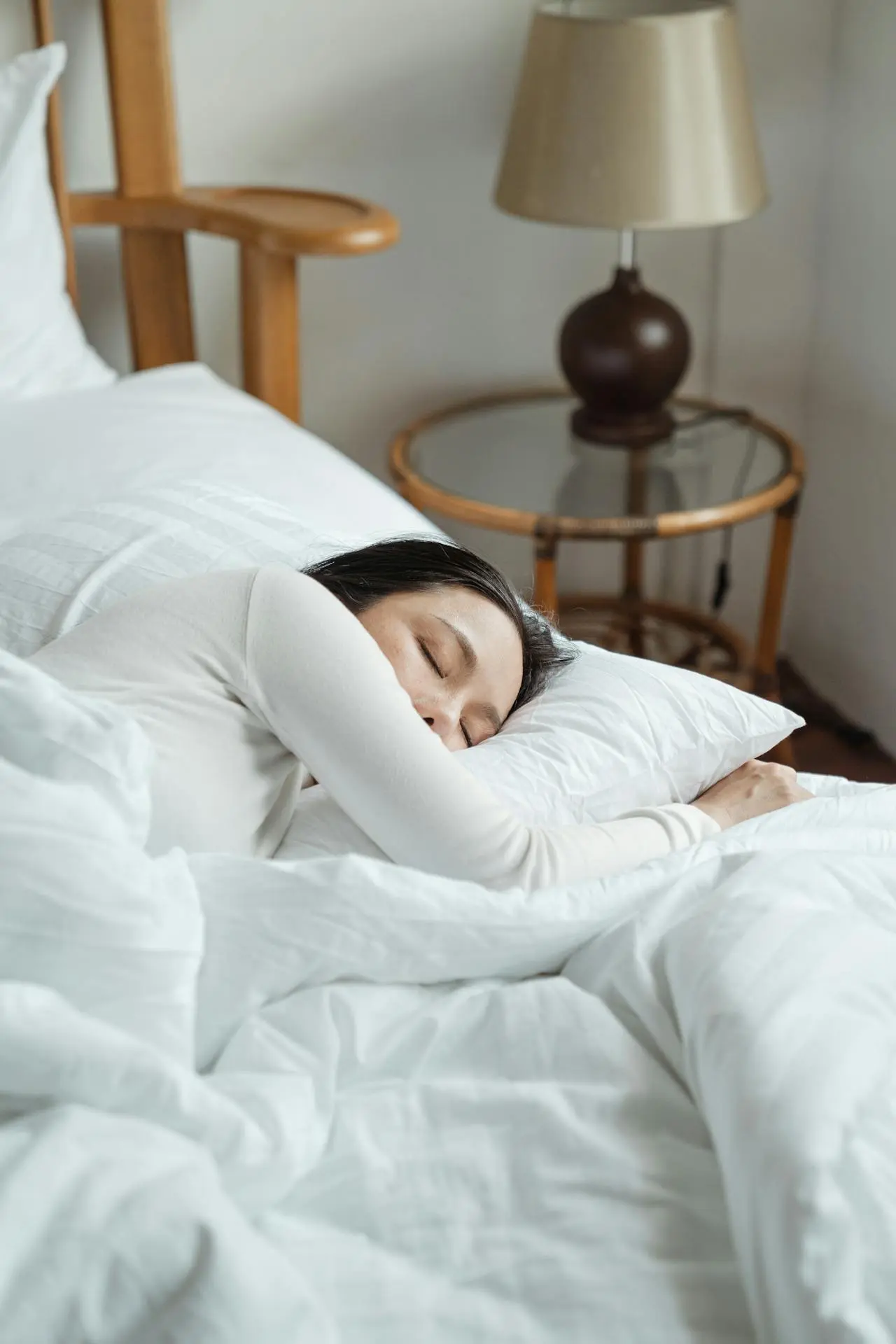
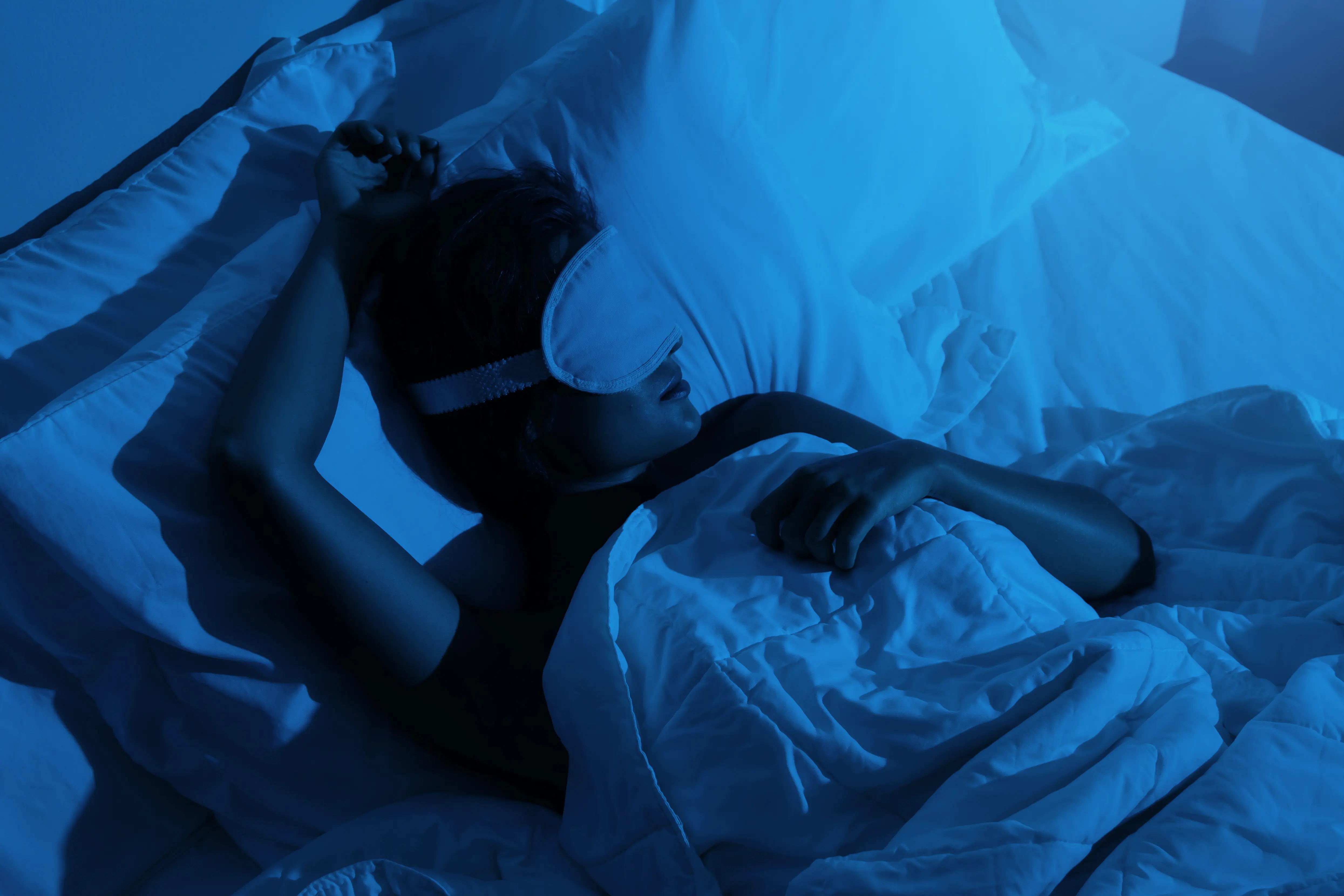
A comfortable mattress and pillow are essential for a good night's sleep
August 11, 2026
Sharon Burbat
Health
Sleep Hygiene: 10 Simple Rules for Better Sleep
Sleeping better doesn't start at bedtime. Discover which sleep hygiene rules are truly worth following – and which common sleep tips you don't need to take too seriously.
Sleeping well and deeply sleep – that sounds like it should come naturally. But the moment you lie down, your mind starts racing, your eyes drift to the clock, or you wake up in the middle of the night unable to get back to sleep. The next morning you feel exhausted, even though you were in bed long enough.
A sleep disorder isn't always to blame. Often it's small everyday habits that affect our sleep more than we realize – and this is exactly where so-called sleep hygiene comes in.
What Is Sleep Hygiene?
Sleep hygiene refers to the habits and conditions that support a healthy sleep-wake cycle. The goal is to give the body the clearest possible signals about when it's time to be awake and active – and when it's time to wind down and sleep.
This goes well beyond the last few minutes before bed. Morning light exposure, physical activity, afternoon naps, or a coffee after lunch can all influence how well you sleep at night.
It's worth noting, however: sleep hygiene can improve sleep quality, but it is not a cure-all for chronic sleep disorders. Anyone who has been struggling with persistent difficulties falling or staying asleep over an extended period should seek a medical evaluation to identify the underlying cause.
10 Rules for Healthy Sleep Hygiene
1. Stick to Regular Sleep Times as Much as Possible
Our sleep is largely governed by our internal clock, and keeping regular hours helps the body stabilize its sleep-wake cycle.
A consistent wake-up time is especially important – even on weekends. You don't have to go to bed at exactly the same time every night, but large differences between weekdays and weekends can disrupt your rhythm and make it harder to fall asleep on Sunday evenings.
2. Associate the Bed with Sleep
Watching TV, working, answering emails, or scrolling through social media for hours in bed: if you spend a large part of your evening there, you increasingly come to associate that space with being awake and active.
For people with sleep problems, it can therefore be helpful to reserve the bed as much as possible for sleep. Lying in bed and ruminating for long stretches is particularly problematic – over time, even getting into bed can trigger tension, when the opposite should be true.
The body can learn to associate recurring activities with impending sleep. Quiet rituals in the 30 to 60 minutes before bedtime can therefore be a real help.
This might be a warm shower, reading a few pages of a book, listening to soft music, doing gentle stretches, or a brief relaxation exercise. What matters less is the specific activity than its regularity. Anything emotionally stirring or highly mentally stimulating is less ideal right before bed.
4. Only Go to Bed When You're Truly Tired
Heading to bed early in a bid to get eight hours of sleep can sometimes achieve exactly the opposite: you lie awake for a long time and grow frustrated about not being able to sleep.
It's better to go to bed only when you genuinely feel sleepy. This helps keep the association between bed and sleep as strong as possible.
If you've been unable to fall asleep for an extended period, it can be useful to get up and do something quiet in dim light, returning to bed only when sleepiness comes back. This principle is also a component of cognitive behavioral therapy for insomnia.
5. Don't Underestimate Caffeine
Caffeine blocks the effects of adenosine in the brain – a messenger substance that builds up sleep pressure throughout the day. As a result, coffee can not only delay falling asleep but also impair sleep quality in sensitive individuals.
How long caffeine remains active varies from person to person. Its half-life in healthy adults averages several hours. Anyone who sleeps poorly should consider cutting out coffee and other caffeinated drinks from the early afternoon onward.
Caffeine is found not only in coffee but also in energy drinks, cola, and black and green tea, among other beverages.
6. Alcohol Is Not a Good Sleep Aid
A glass of wine or beer may indeed help you fall asleep faster initially – but that doesn't mean the sleep is actually better.
Alcohol can disrupt sleep architecture and lead to more restless, fragmented sleep, particularly in the second half of the night. Snoring and sleep-related breathing problems can also worsen.
Alcohol should therefore not be used deliberately as a way to fall asleep more easily.
7. Use Smartphones and Screens Mindfully
Writing off the smartphone as the universal enemy of sleep is an oversimplification. Bright light in the evening can influence the internal clock and delay the release of melatonin – but what you're actually doing on the screen matters just as much.
Exciting news, work emails, social media, or endless scrolling can keep the brain active at exactly the time the body is meant to be winding down.
People who have trouble falling asleep may benefit from keeping the last half hour to hour before bed as screen-free as possible. Notifications should also be turned off at night so that sounds, vibrations, or a lit-up display don't interrupt sleep.
8. Stay Active During the Day – Evening Exercise Is Usually Fine Too
Regular physical activity is one of the most effective everyday measures for healthy sleep, helping to improve sleep quality and make it easier to fall asleep, among other benefits.
The old rule of avoiding exercise after 8 p.m. as a blanket principle is too broad. Many people can work out in the evening without any negative effect on their sleep. However, very intense exercise immediately before bed can, in some people, leave body temperature and arousal levels elevated, making it harder to fall asleep.
If you exercise in the evening and sleep without difficulty afterward, there's no need to shift your workout to the afternoon.
9. Get Light During the Day, Reduce It in the Evening
Light is one of the most important timekeepers for our internal clock. Bright daylight in the morning and throughout the day signals to the body that the active phase has begun.
It's therefore worth getting outside as early in the day as possible – even on an overcast day, it is typically far brighter outdoors than inside.
In the evening, the opposite applies: very bright light should be gradually reduced. Dimmed, warm lighting can help the body prepare for the night ahead.
10. Keep the Bedroom Cool, Dark, and Quiet
Your surroundings also affect your sleep. A bedroom should be as quiet, dark, and cool as possible. That said, there is no universal "ideal temperature" of exactly 16 to 18 degrees – what matters is that you're neither cold nor sweating.
Blackout curtains or a sleep mask can help if light is an issue, and anyone sensitive to noise can try earplugs.
Your mattress and pillow should also be comfortable. However, no specific type of mattress has been proven to guarantee the best sleep for everyone.
Are Daytime Naps Bad for Nighttime Sleep?
Not necessarily. A short nap in the early afternoon can reduce tiredness and improve performance. However, people who have trouble falling asleep in the evening or who suffer from insomnia should take a closer look.
Long or late naps can reduce sleep pressure and make it harder to fall asleep in the evening. If you have sleep problems, it may be worth avoiding longer daytime sleep periods for the time being, or keeping any naps short and early in the day.
What Should You Eat in the Evening?
Very large, heavy meals immediately before bed can cause discomfort and may, for example, promote heartburn. People with acid reflux in particular often benefit from allowing some time between dinner and bedtime.
A special "sleep meal," however, is not necessary. The idea that certain foods – such as milk, bread, or cereal – reliably make you sleepy is not sufficiently supported by science.
That said, if you're hungry in the evening, there's no need to go to bed with a growling stomach. A small, easily digestible snack is generally not a problem.
What to Do About Racing Thoughts in Bed?
Many people know the feeling: during the day there's barely time to think – and the moment the lights go out, the brain starts trying to solve every problem at once.
It can help to write down your thoughts before going to bed. A short to-do list for the next day, for example, can prevent unfinished tasks from looping through your mind.
Similarly, relaxation training, breathing exercises, or meditation can help some people lower their physical and mental arousal. What's crucial, though, is not to let this become yet another source of pressure: sleep cannot be forced.
When Is Sleep Hygiene No Longer Enough?
A poor night's sleep after a stressful day, or the occasional short night, is no immediate cause for concern. The situation is different when difficulties falling or staying asleep occur regularly, persist over a longer period, and begin to cause problems during the day as well.
In such cases, a treatable insomnia disorder may be involved. Loud snoring with pauses in breathing, excessive daytime sleepiness, or unusual movements during sleep should also be medically evaluated.
For chronic insomnia, cognitive behavioral therapy for insomnia (CBT-I) is considered the first-line treatment. Sleep hygiene is an important component of that approach – but on its own, it is often not sufficient for a pronounced sleep disorder.
Conclusion: Good Sleep Hygiene Starts in the Morning
Sleeping better doesn't mean working through a long checklist every evening. Far more important are a few core habits: a stable sleep-wake schedule, sufficient daylight and physical activity, mindful consumption of caffeine and alcohol, and a bedroom where the body can genuinely come to rest.
And perhaps the most important rule of all: don't turn good sleep into your next optimization project. Checking every evening whether you've followed all the recommendations perfectly only creates additional pressure – and that is precisely what can make falling asleep even harder.