© Adobe Stock
Back and joint pain are particularly common complaints among postmenopausal women.
June 7, 2026
Sharon Burbat
Postmenopause affects bones, heart health, metabolism, and overall well-being. Learn about common postmenopause symptoms, health risks, and effective ways to manage them
Many women assume that menopause ends with their last menstrual period. However, a new phase of life actually begins afterward: postmenopause. During this phase, hormones have undergone permanent shifts that can affect bones, skin, metabolism, and the cardiovascular system.
While complaints like hot flashes often fade, other concerns become more prominent—such as weight gain, osteoporosis, and vaginal dryness.
In this guide, you'll learn when postmenopause begins, what symptoms to expect, what health risks are associated with it, and what steps you can take to support your well-being.
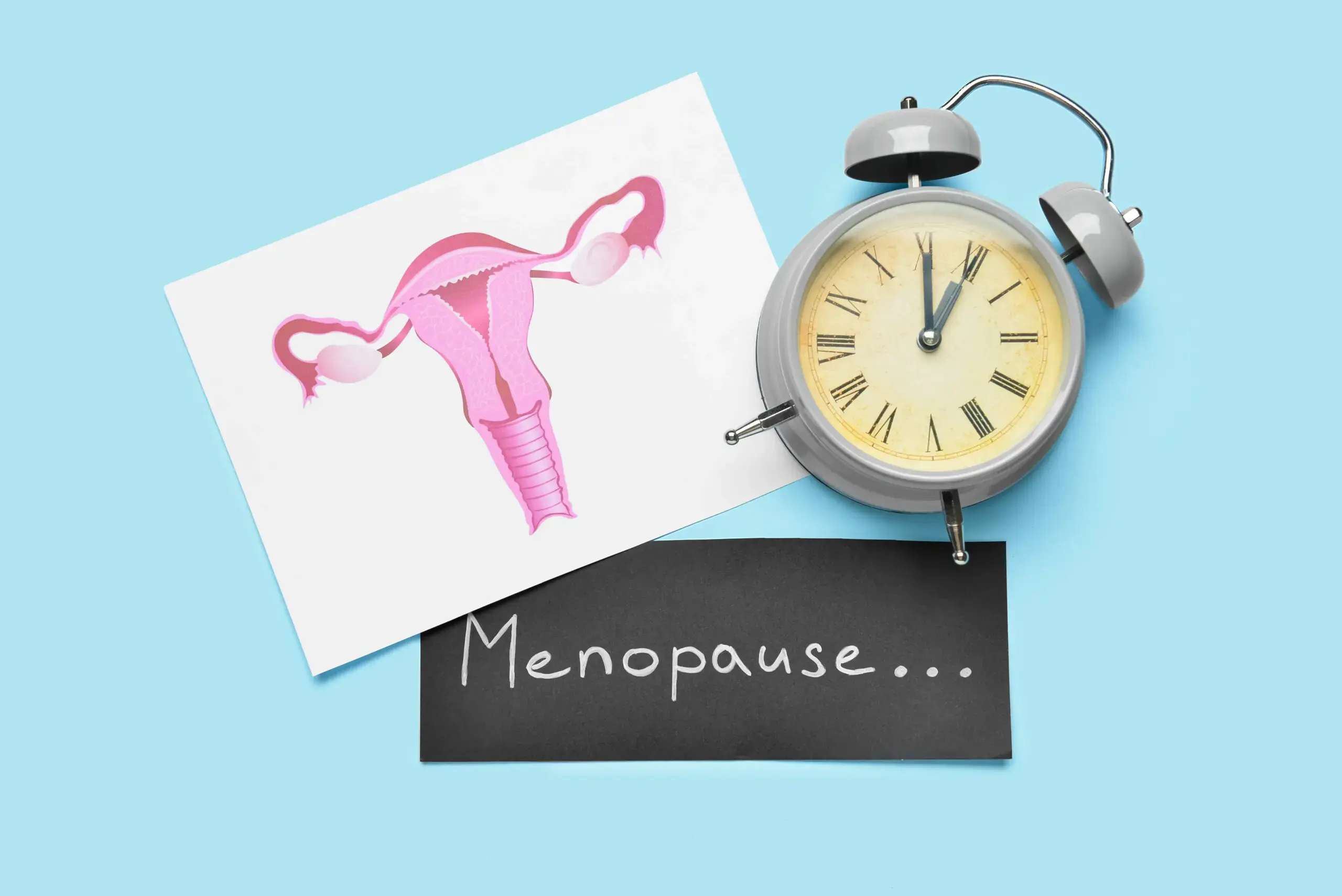
Postmenopause (from Latin "post" = after) refers to the life stage that begins one year after the last menstrual period. From this point on, the hormonal fluctuations characteristic of menopause have largely resolved, with estrogen and progesterone levels remaining permanently low.
As a result, many classic menopausal complaints diminish, but at the same time long-term effects of estrogen deficiency can occur. Bones are particularly affected, as are the cardiovascular system, skin, mucous membranes, and metabolism.
The beginning of postmenopause can only be determined retrospectively. Doctors speak of "menopause" when the last menstrual period was at least twelve months ago.
In Germany, menopause typically occurs between the ages of 51 and 52. Postmenopause typically lasts ten to fifteen years and usually transitions into old age between the ages of 60 and 65.
The first few years are particularly critical for preventive health care, as this period can see accelerated bone loss and noticeable metabolic changes.
Many complaints in postmenopausal women resemble those experienced during earlier menopausal phases but are typically milder. Common symptoms include:
Estrogens play an important role in maintaining the skin's moisture. Without them, the skin becomes drier, thinner, and less elastic—wrinkles form more quickly. Regular moisturizing skincare is therefore particularly important. Age spots from altered pigment deposition can also occur more frequently.
Many women notice that after menopause, they gain weight more easily, even without changes in their diet.
One reason for this is the natural loss of muscle mass that occurs with age. Since muscles consume energy, daily calorie needs decrease accordingly. At the same time, estrogen deficiency causes the body's fat distribution to change. Fat tends to accumulate in the abdominal area rather than on the hips and thighs.
Visceral belly fat, often referred to as abdominal fat, is considered a risk factor for cardiovascular disease, high blood pressure, and type 2 diabetes.
Regular exercise and strength training can help maintain muscle mass and counteract weight gain.
Osteoporosis (bone loss) is one of the most significant health risks in postmenopause.
Estrogen plays an essential role in maintaining bone substance. When hormone levels drop permanently, bone loss can accelerate. This increases the risk of fractures, particularly in the spine, hip, and wrists.
Adequate intake of calcium and vitamin D, along with regular exercise can help maintain bone health. Women at increased risk should discuss bone density measurement with their doctor.
As estrogen levels drop, the cardiovascular system also changes.
Blood pressure and cholesterol levels can become problematic, and metabolism can develop unfavorably. This increases the risk of heart attack, stroke, and other cardiovascular diseases. Regular preventive examinations are therefore particularly important.
Any bleeding after menopause should always be evaluated by a doctor.
Postmenopausal bleeding can result from benign causes such as mucosal changes or polyps. However, it may also indicate serious medical conditions in some cases.
The earlier the cause is investigated, the better any potential diseases can be treated.
Women in postmenopause should undergo the following examinations regularly:
As calorie needs decrease while nutritional requirements remain constant, your diet should be adjusted accordingly. The following combination is recommended:
As we age, nutrient absorption in the intestines naturally declines. This makes certain nutrients particularly important: vitamin D for bone and immune health, B vitamins for nerve and energy function, and omega-3 fatty acids for heart and joint health. If a deficiency is confirmed, dietary supplements or vital nutrient infusions may be beneficial.
Regular exercise is particularly valuable during postmenopause. Endurance training such as cycling, swimming, and walking strengthens the cardiovascular system. Strength training is also essential for maintaining muscle mass, supporting metabolism, and improving bone density. Ideally, you should combine both types of exercise three to four times per week.
Phytoestrogens are plant-based compounds that bind to estrogen receptors and produce hormone-like effects, though weaker than the body's natural estrogen. They may help relieve symptoms like hot flashes. Common sources include red clover, evening primrose, and hops. Consult your doctor before use.
For those at significantly increased risk of bone fractures or experiencing severe symptoms, bioidentical hormone therapy may be considered. Individual hormone levels are assessed and precisely balanced using bioidentical creams or capsules. This decision should always be made in close consultation with a specialist.
Postmenopause typically lasts ten to fifteen years and begins twelve months after your last menstrual period.
The most common symptoms include hot flashes, sleep disorders, weight gain, dry skin, vaginal dryness, and loss of libido, as well as joint and back pain.
As estrogen levels decline, fat distribution in the body shifts. Simultaneously, muscle mass decreases, which lowers energy expenditure.
Yes. Hot flashes and night sweats can still occur even years after menopause, though they are usually milder than during menopause itself.
Vitamin D, calcium, B vitamins, and omega-3 fatty acids are important for bone health, cardiovascular function, and metabolism.
Any postmenopausal bleeding should be promptly evaluated by a medical professional.
Postmenopause is far more than simply the end of menopause. It marks a new life phase in which many bodily processes undergo permanent change.
With regular preventive care, a balanced diet, adequate exercise, and personalized medical attention, many health issues can be alleviated and health risks reduced.