© forestmu
While some fats are essential for optimal health, others can be harmful to the body
May 13, 2024
Jana Ackermann
Olive oil, nuts, or butter? Not all fats affect the body in the same way. We explain which fats are good for you, which ones you should limit, and why low-fat products aren't automatically the better choice.
Fat was long considered a fattening culprit. Today, research tells a far more nuanced story: it's not just the quantity that matters for your health, but above all the type of fat. While unsaturated fatty acids from olive oil, nuts or fatty fish heart and metabolism can be supported, industrially produced trans fats demonstrably increase the risk of cardiovascular disease.
"Fats are energy stores and are vital for our brain, our nerves, and every single cell," explains Dr. Sophie Neuhaus, a specialist in anesthesiology at Heidelberg University Hospital. But how much fat is actually a sensible amount? And which oils truly deserve a place in your daily diet?
The body can produce certain omega-3 and omega-6 fatty acids on its own, but not all of them. Two — known as essential fatty acids — must come from food. "Among other things, our body can only absorb the fat-soluble vitamins A, D, E, and K with the help of fats," says Dr. Neuhaus.
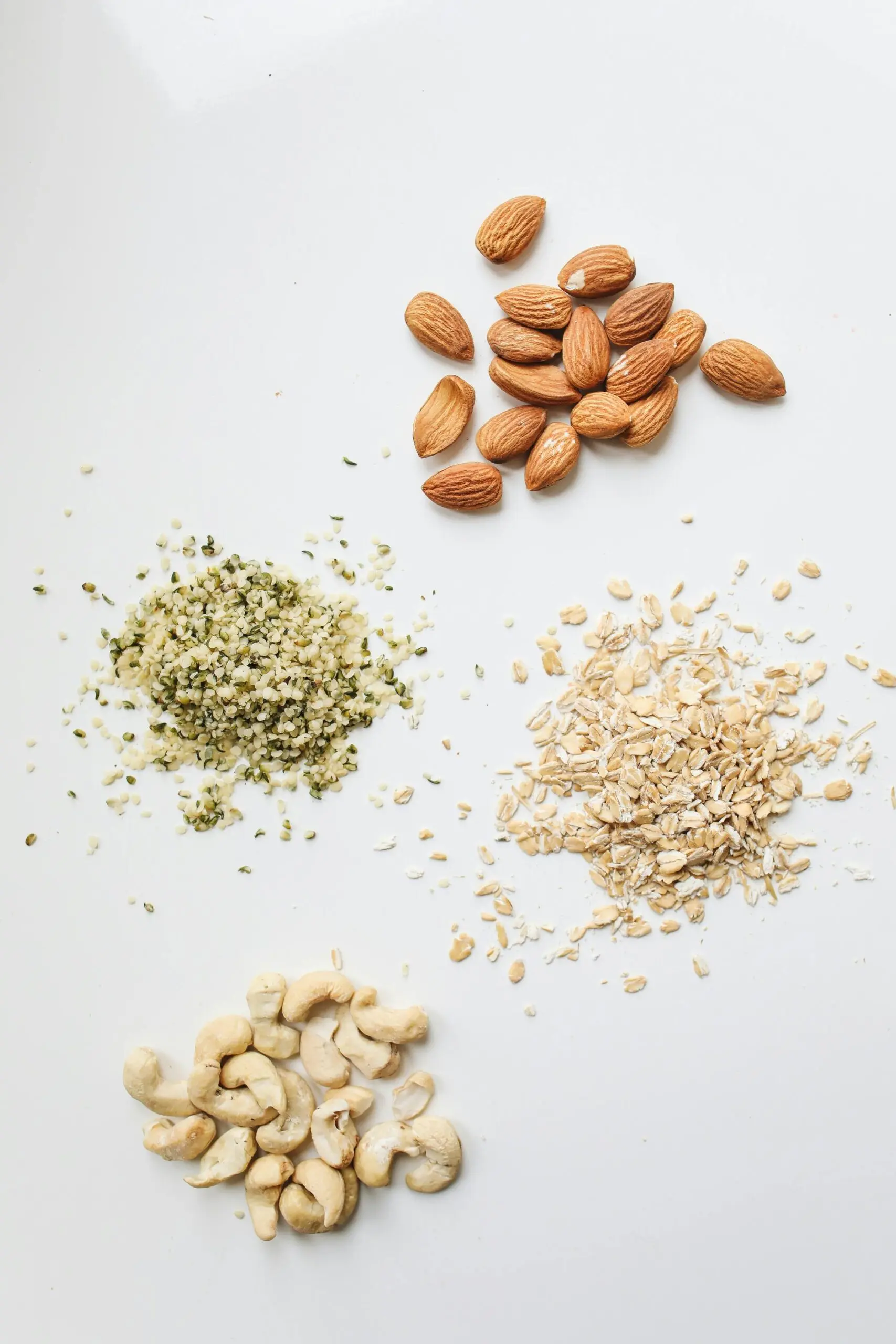
As a rule of thumb: the more plant-based and fresh foods we eat, the better supplied we are with healthy unsaturated fatty acids These include foods such as fatty fish (salmon, herring, mackerel, trout, and sardines), vegetable oils, nuts, nut butters, seeds such as chia or flaxseeds, and avocados.
The fats found in these foods contain monounsaturated and polyunsaturated fatty acids, which have been shown to protect the cardiovascular system by lowering cholesterol levels and reducing inflammation in the body.
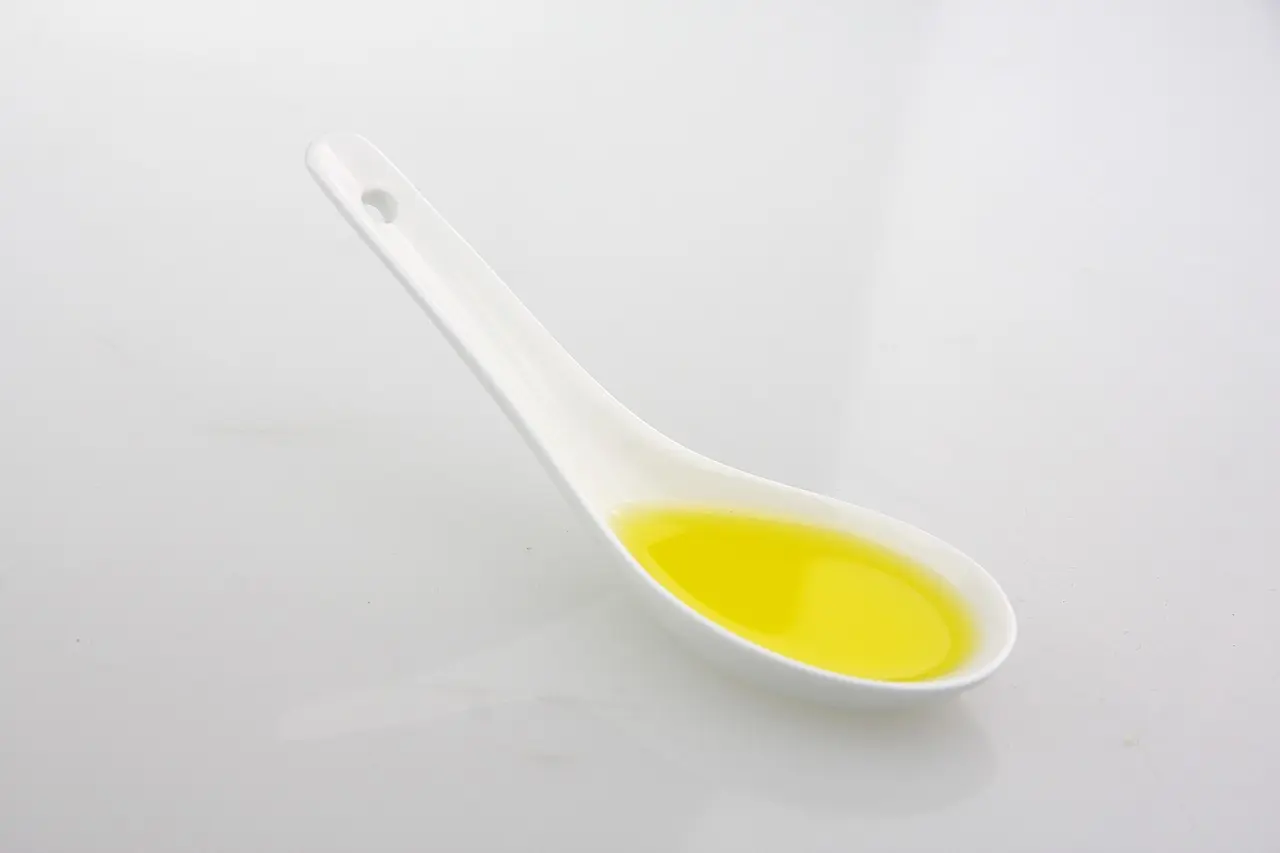
A high-quality organic olive oil is an indispensable kitchen staple. It is largely made up of unsaturated fatty acids and contains valuable vitamin E, secondary plant compounds, and is a central component of the Mediterranean diet, which is associated with a lower risk of cardiovascular disease. Walnut, peanut, flaxseed, rapeseed, and safflower oils are also rich in healthy fats and make a great addition to a balanced diet.
"When it comes to the quality of vegetable oils, it's worth looking for cold-pressed, unrefined production methods and organic raw materials," the doctor recommends. This preserves the natural nutrients and a high proportion of healthy fatty acids in the oil.

Stress, diet, and teeth grinding can all affect how our teeth age. Dentist Dr. Paul Leonhard Schuh explains the role of healthy gums, lifestyle, and modern dentistry in maintaining a healthy, natural-looking smile.
Christine Bürg & Marianne Waldenfels

An interview with
Dr. Paul Schuh

Biohacking, jaw training and even self-inflicted facial fractures: the quest for the perfect body is becoming increasingly extreme. Prof. Dominik Pförringer explores where self-improvement ends and self-harm begins.
Prof. Dominik Pförringer

By
Univ.-Prof. Dr. med. Dominik Pförringer

ADHD isn't just a childhood condition. More and more adults are being diagnosed, often after years of uncertainty. Psychiatrist Prof. Andreas Menke explains how to recognize ADHD, which treatments can help, and why the condition can also come with unique strengths.
Christine Bürg & Marianne Waldenfels

An interview with
Prof. Dr. med. Andreas Menke
When it comes to essential fatty acids, omega-3and omega-6 fatty acids are indispensable. Our body needs both for good health — for the cardiovascular system, hormone regulation, the eyes, and the brain. Omega-3 fatty acids have anti-inflammatory properties and can help inflammation in the body to be reduced, while omega-6 plays an important role in regulating energy production, supporting bone health, and maintaining healthy skin and hair.
For omega-3 and omega-6 to work effectively in the body, the right balance is essential: "The ratio of omega-6 to omega-3 should be between 1:1 and 5:1," advises Dr. Neuhaus. Studies show that in many Western countries, the average intake of omega-3 fatty acids falls well below recommended levels.
That is why the German Nutrition Society (DGE) recommends one to two portions of fatty fish such as salmon or mackerel per week — they are particularly rich in valuable omega-3 fatty acids. For those following a plant-based diet, Dr. Neuhaus suggests incorporating flaxseed oil into the daily routine, as it is the primary plant-based source for achieving the ideal omega-3 ratio.
A tablespoon of flaxseed oil can, for example, be stirred into yogurt in the morning, used in dressings, or added to a smoothie, allowing fat-soluble vitamins to be better absorbed through the intestine. It is important to store flaxseed oil in a cool, dark place and use it within about three weeks of opening.
"Otherwise it can oxidize, leading to an unpleasant taste and a loss of its nutritional benefits." Additional omega-3 fatty acids can also be found in green leafy vegetables, herbs, kale, cress, and dandelion.
Saturated fatty acids are found mainly in animal products such as butter, milk, cream, cheese, sausage, bacon, meat, and lard, as well as in the plant-based fats coconut oil, palm oil, palm fat, and cocoa butter. These saturated fatty acids have a poor reputation, but according to Dr. Neuhaus, a number of studies now call this into question.
Saturated fatty acids provide energy and help protect our organs; even so, the DGE recommends limiting intake to 7 to 10 percent of total energy consumption.
Interestingly, studies have shown that the health benefits of nutrients increase when we choose high-quality organic products. Organic milk and raw milk butter, for example, also contain unsaturated fatty acids — giving them an entirely different nutritional profile from processed foods.
This brings us to the fats that offer the body no benefit and can in fact be harmful: so-called trans fatty acids. They form during highly processed food production, when oils are heated to very high temperatures or liquid oils are artificially hardened — for example, to be turned into spreadable margarine.
Trans fats are found in nearly all fatty convenience foods such as pizza, frozen meals, and baking mixes, as well as in margarine, chips, cookies, donuts, industrially baked goods, hazelnut-cocoa spreads, and deep-fried fast food. In very small amounts, they can also occur naturally in meat, fish, and milk.
Author Bas Kast writes in his guide "The Nutrition Compass": "Trans fats fuel inflammatory processes in the body and lead to insulin resistance. They are toxic and should be strictly avoided." Dr. Neuhaus adds: "Studies have shown that trans fats raise LDL cholesterol levels in the blood, which is ultimately a major risk factor for the development of coronary heart disease." The more trans fatty acids we consume, the higher the risk.
We also need to be careful in our own kitchens when frying and baking with oils: trans fats begin to form at 130 degrees. In the process, the benefits of unsaturated fatty acids are lost, and the resulting trans fats can cause health problems. When heating oils and fats, it is therefore important to choose varieties with a high smoke point that are stable enough to withstand high cooking temperatures.
For frying at low to medium temperatures, butter or ghee are suitable; for medium to higher temperatures, coconut oil or refined vegetable oils such as sunflower oil, peanut oil, or rapeseed oil are the better choice.
Many misconceptions about fat persist. One of the most common: fat makes you fat. But is that really true? Not quite. Weight gain depends on the overall balance between calories consumed and energy expended (metabolism and physical activity). If we consume more calories than the body burns, we gain weight — regardless of whether those calories come from fats, carbohydrates, or proteins.
That said, fat contains more calories per gram than carbohydrates and proteins, which means that eating too many fatty foods can easily lead to excess calorie intake — and, over time, to weight gain if that energy isn't burned off through exercise. As with everything, it comes down to balance.
Driven by diet culture, reduced-fat products have become hugely popular, and supermarket shelves are lined with low-fat yogurts, light dressings, light chips, and diet cereal bars. For a long time, it was claimed that low-fat foods contribute to a healthier diet and support weight loss — a notion triggered in the 1970s, when scientific studies began linking high-fat diets to cardiovascular disease and obesity.
What we now know is this: fat is the most energy-dense macronutrient. Per gram, it provides around nine calories, compared to around four calories per gram for both carbohydrates and protein.
The result of consuming light products can therefore be that we don't feel full and end up eating more fast carbohydrates — such as pasta, white bread, or sugary processed foods — which turn out to be far less healthy. "Good fats should therefore by no means be cut from your diet," the expert advises.
The DGE recommends that no more than 30 percent of daily energy intake come from fat. Based on a daily energy requirement of 2,000 to 2,500 kcal, this works out to approximately 60 to 80 g of fat per day. To put that in perspective: "One tablespoon of oil or one tablespoon of butter each contains approximately 10 grams of fat. When using 3 tablespoons of high-quality oil and 1 tablespoon of butter, approximately 20 to 40 g remain for the hidden fats found in other foods."
In short, many naturally fatty foods such as olive oil, flaxseed oil, nuts, seeds, and avocados are simply good for you and should appear on your plate regularly, while trans fats are best avoided altogether. Ultimately, a balanced diet rich in a variety of unprocessed, organic foods is the foundation of a healthy lifestyle — regardless of whether those foods are low in fat or not.