© Nataliya Vaitkevich
August 10, 2025
Lena Sämann
When the days get shorter and the first cold viruses start circulating, a strong immune system is more important than ever. With the right natural strategies, you can specifically strengthen your defenses.
Autumn not only brings colorful leaves and cozy evenings, but unfortunately also the first cold wave of the year. When temperatures drop and we spend more time indoors, our immune system is particularly challenged. But with the right natural strategies, you can strengthen your defenses and get through the cooler season healthily.
The cooler months present special challenges for our bodies. Less sunlight leads to a vitamin D deficiency,dry heating air irritates our mucous membranes, and being in closer proximity to others indoors increases the risk of infection. At the same time, the transition from warm to cold temperatures can stress our body and weaken the immune defense.
Why it is important: Vitamin D plays a central role in immune regulation and helps fend off infections. In autumn and winter, our body produces less sun exposure significantly less vitamin D.
How to implement it:
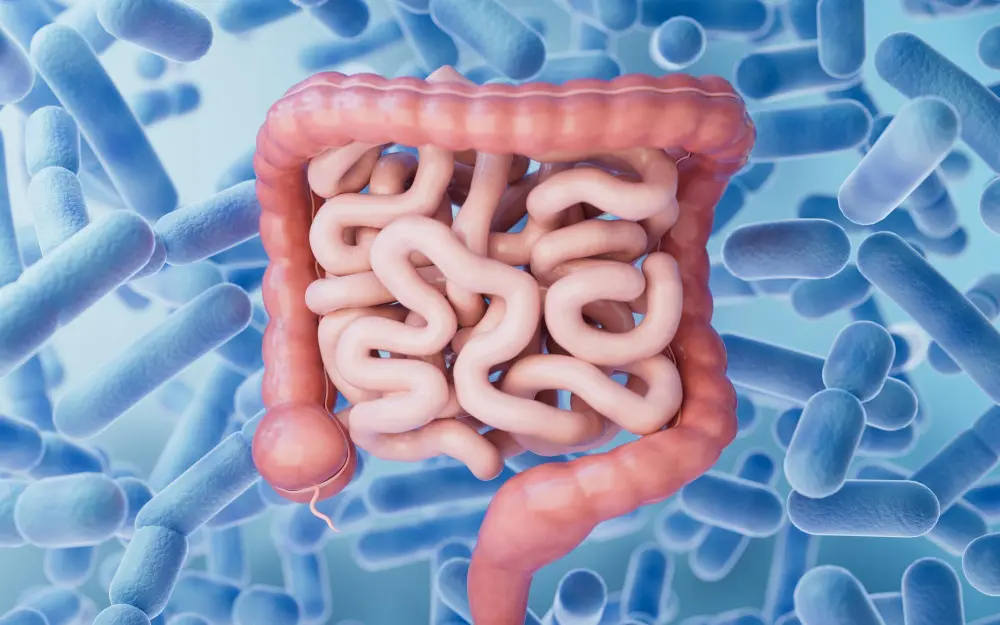
Why it matters: About 70% of our immune system is located in the gut. A healthy gut flora is therefore essential for strong immune defenses.
Here's how to do it:

A new study examines TikTok videos about ADHD, depression, and narcissism. A psychiatrist explains the risks of self-diagnosis
Christine Bürg & Marianne Waldenfels

With
Prof. Dr. med. Andreas Menke

"Feel good, live better" – In this episode of the podcast, Dr. Yvonne Ebel discusses herniated discs and knee osteoarthritis, exploring what can be achieved today without resorting to surgery.
Christine Bürg

An interview with
Dr. med. Yvonne Ebel

What are the most common reasons couples struggle to conceive? When is it time to seek medical help? Reproductive medicine specialist Dr. Bernd Lesoine explains fertility treatment, success rates and why men should be evaluated early
Christine Bürg & Marianne Waldenfels

A new US study found an unusually high rate of colon polyps among marathon and ultramarathon runners. What do the findings really mean, and should endurance athletes be concerned? A gastroenterologist explains.
Christine Bürg & Marianne Waldenfels

Carrot juice and coconut water are being hailed on TikTok as the secret to a natural summer glow. Beta-carotene can indeed alter skin tone — though not in the way many social media videos suggest. A dermatologist explains what the science actually shows.
Christine Bürg & Marianne Waldenfels

With
Dr. med. Timm Golüke

Artificial intelligence is taking over routine tasks and freeing up time for what truly matters: the relationship between doctor and patient. Prof. Dr. Dominik Pförringer explains why empathy is becoming the most important factor for success in medicine in the age of AI.
Prof. Dominik Pförringer

By
Univ.-Prof. Dr. med. Dominik Pförringer
Why it's important: During sleep, our immune system regenerates and forms important defense cells. Lack of sleep has been shown to weaken immune defense.
Here's how to implement it:
Why it's important: Chronic stress increases the stress hormone cortisol, which suppresses the immune system and makes us more susceptible to infections.
This is how to implement it:
Why it's important: Moderate physical activity boosts the immune system, while excessive exercise can temporarily weaken it.
How to implement it:
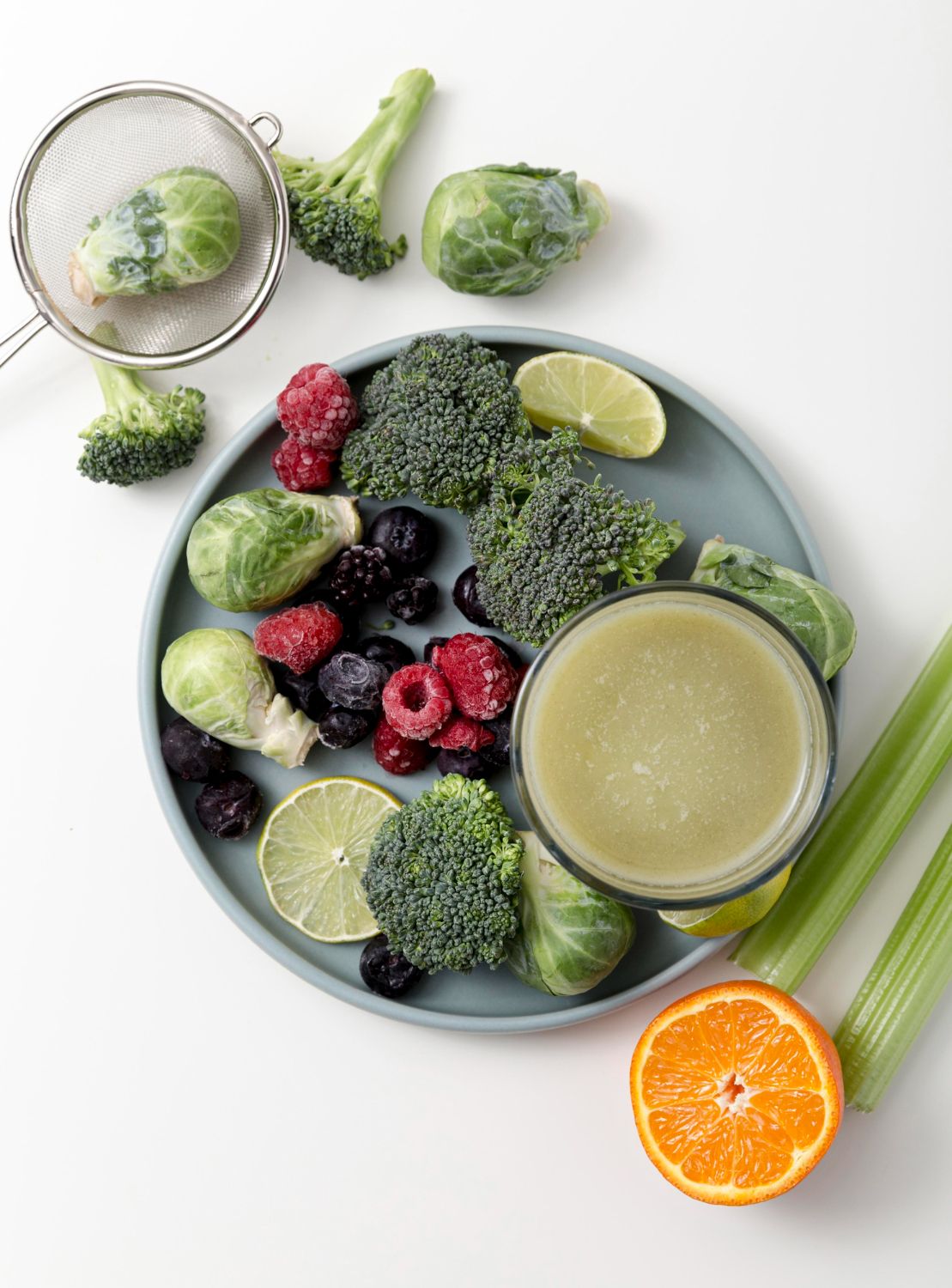
Why it is important: Certain foods contain natural compounds that directly support the immune system and reduce inflammation.
How to implement it:
Why it is important: Well-hydrated mucous membranes can better ward off viruses and bacteria. Dry heating air in autumn makes adequate fluid intake particularly important.
Here's how to implement it:
Why it is important: Temperature stimuli train the immune system and improve circulation. This strengthens the natural defenses.
How to implement it:
Why it is important: Social isolation weakens the immune system, while too close contact without hygiene measures increases the risk of infection.
How to implement:
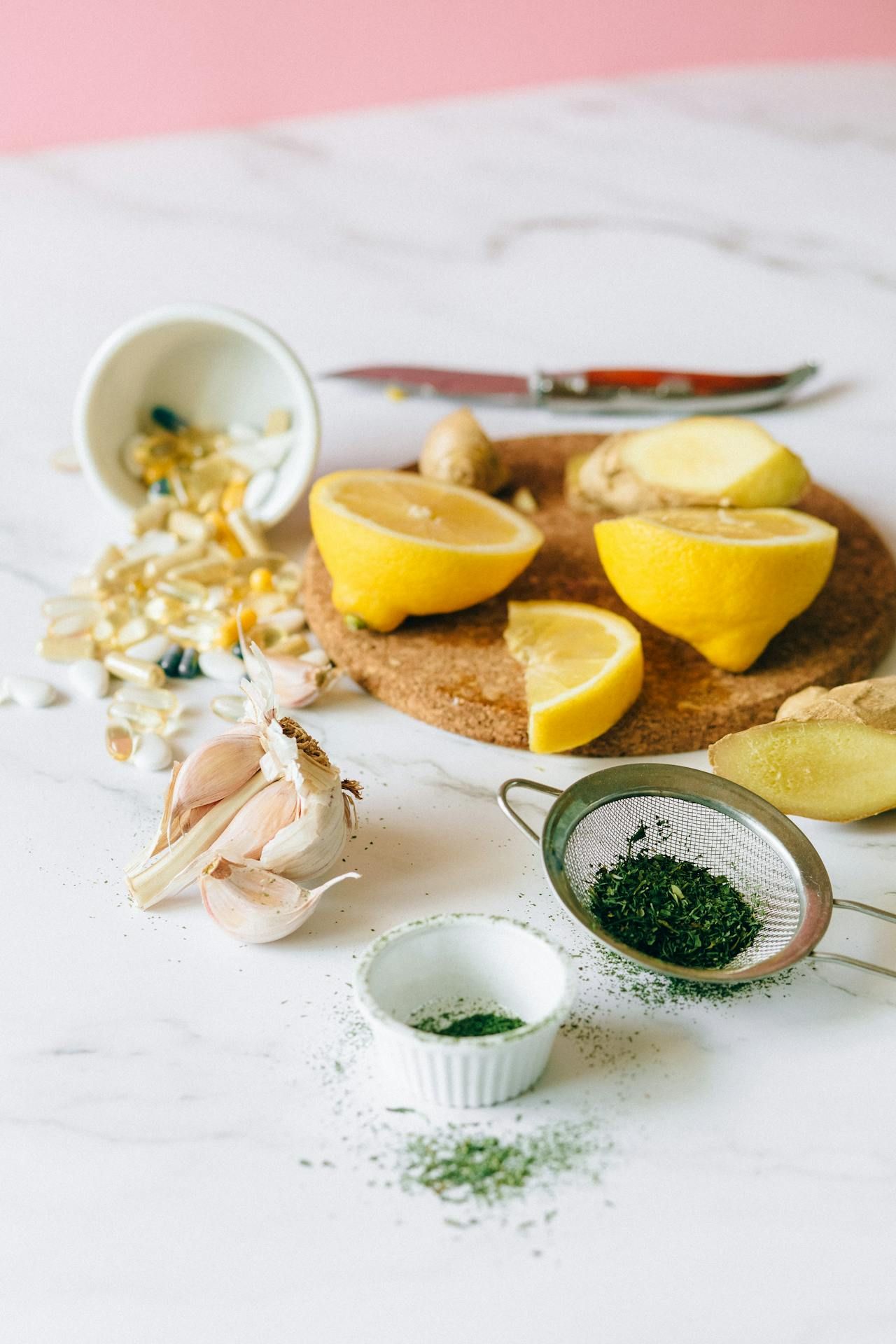
Why it is important: Many medicinal plants are said to have immune-strengthening and antiviral properties. However, please note that for many, the study situation regarding effectiveness is limited or their health effects in humans have not been sufficiently investigated or scientifically proven.
How to implement it:
Start your day with immune-boosting actions:
End the day relaxed:
Seek medical attention if:
A strong immune system is the best protection against autumn and winter illnesses. The 10 strategies presented work best in combination and should be understood as long-term lifestyle changes, not short-term measures.
Start with 2-3 strategies that are easiest for you, and gradually expand your repertoire. Your body will thank you with strong defenses and more well-being.
Remember: Natural immune boosting is a marathon, not a sprint. Give your body time to adjust to the new habits, and remain patient and consistent. This way, you will get through the cooler season strengthened and healthy.
This article does not replace medical advice. Always consult a qualified doctor if you have health problems or questions about dietary supplements.