© Freepik
July 9, 2025
Margit Hiebl
- Beauty
- Sport
How Jane Fonda Started the Fitness Craze for Women
In 1982, Hollywood icon Jane Fonda sparked a fitness craze that continues to have an impact today. How she succeeded ...
Share article:
© Freepik
July 9, 2025
Margit Hiebl
In 1982, Hollywood icon Jane Fonda sparked a fitness craze that continues to have an impact today. How she succeeded ...

 Find a Doctor
Search the network for suitable specialists and contact them directly
It's the year 1982, specifically April 25th. It is the day that will forever change the history of physical fitness: Jane Fonda’s Workout hits the video stores. At that time, the two-time Oscar winner and multiple Golden Globe winner triggers a fitness hype that reverberates to this day. At 45, the Hollywood icon, peace activist, civil rights campaigner, and environmentalist becomes the exercise leader for the whole world. And primarily for women. For the first time, fitness training was accessible to everyone – anytime and anywhere.
Virtually revolutionary, especially in the USA, where competitive team sports were traditional, and gyms were primarily for men. At a time when boxing and bodybuilding were considered the ultimate forms of physical fitness. Jane Fonda's explosive aerobic mix of ballet, dance, and endurance training, choreographed, set to disco beats, and complete with crisp commands, got everyone off the couch. Worldwide. This also incidentally led to a fashion revolution: In street style, nothing soon went without brightly colored leg warmers, headbands, tight body suits, and leggings.
She managed a commercialization of fitness that was unprecedented before. Her videos sold over 17 million copies, complemented by books, (back then) records, and the corresponding equipment – from outfits to dumbbells. Her aerobics empire was estimated to be worth 600 million dollars at its peak. With the proceeds from her training videos and franchise models, she financed her political activism and that of her then-husband, politician Tom Hayden. And even her fitness commitment had a social impact: Jane Fonda established a new awareness of health.
In addition, women's empowerment, by feeling stronger, they appear differently and perhaps start their own fitness business with this mindset. However, the skinny body ideal that she also shaped brought her a lot of criticism later on – which she acknowledged. Not least because she herself suffered from bulimia for 30 years.
Even though it seems so, Jane Fonda did not invent "aerobics". The term is a neologism from the Greek words for air (aero) and life (bios) and the fitness exercises can be traced back to the American flight surgeon and sports physician Kenneth H. Cooper. He published the book in 1968 Aerobics, in which he gave instructions for improving performance. Five years later, he published the bestseller Movement Training for Women. Cooper campaigned for more physical activity in everyday life in the 1950s and 1960s – and also faced a lot of criticism. So some feared that women could be harmed by lose their womb, while male joggers could supposedly die of sudden heart death.
The inventor of aerobics still runs regularly today - at 94 years old. And Jane Fonda has not lost any strength to this day: at 87, she is still in front of the camera and gets arrested at climate protests, for which she keeps fit. For example, with her Ultimate Workouts, which she recently released for seniors, also for downloading. With the same determination as before, but with a wink. Here’s to a few squats - of course with pink leg warmers!

Why surgical experience matters in rhinoplasty, what risks nasal surgery involves, and how natural-looking results can be achieved. Professor Dr. Johannes Veit discusses modern rhinoplasty and individualized aesthetics.
Christine Bürg and Marianne Waldenfels
An interview with
Prof. Dr. med. Johannes a. Veit

Why are women often more successful than men in ultramarathons? Orthopedic surgeon Dr. Yvonne Ebel discusses physiology, mental strength, nutrition, and the risks of extreme endurance stress.
Christine Bürg and Sophie Rodewyk

An interview with
Dr. med. Yvonne Ebel

The E-Bike sells laziness as progress and comfort as sustainability. Prof. Dominik Pförringer on effortless health, moral vanity and green self-deception.
Prof. Dominik Pförringer

By
Univ.-Prof. Dr. med. Dominik Pförringer
From tanning beds to viral skincare trends: dermatologist Dr. Hanna Halter explains the most common skincare mistakes.
Sophie Rodewyk

An interview with
Dr. med. Hanna M. D. Halter
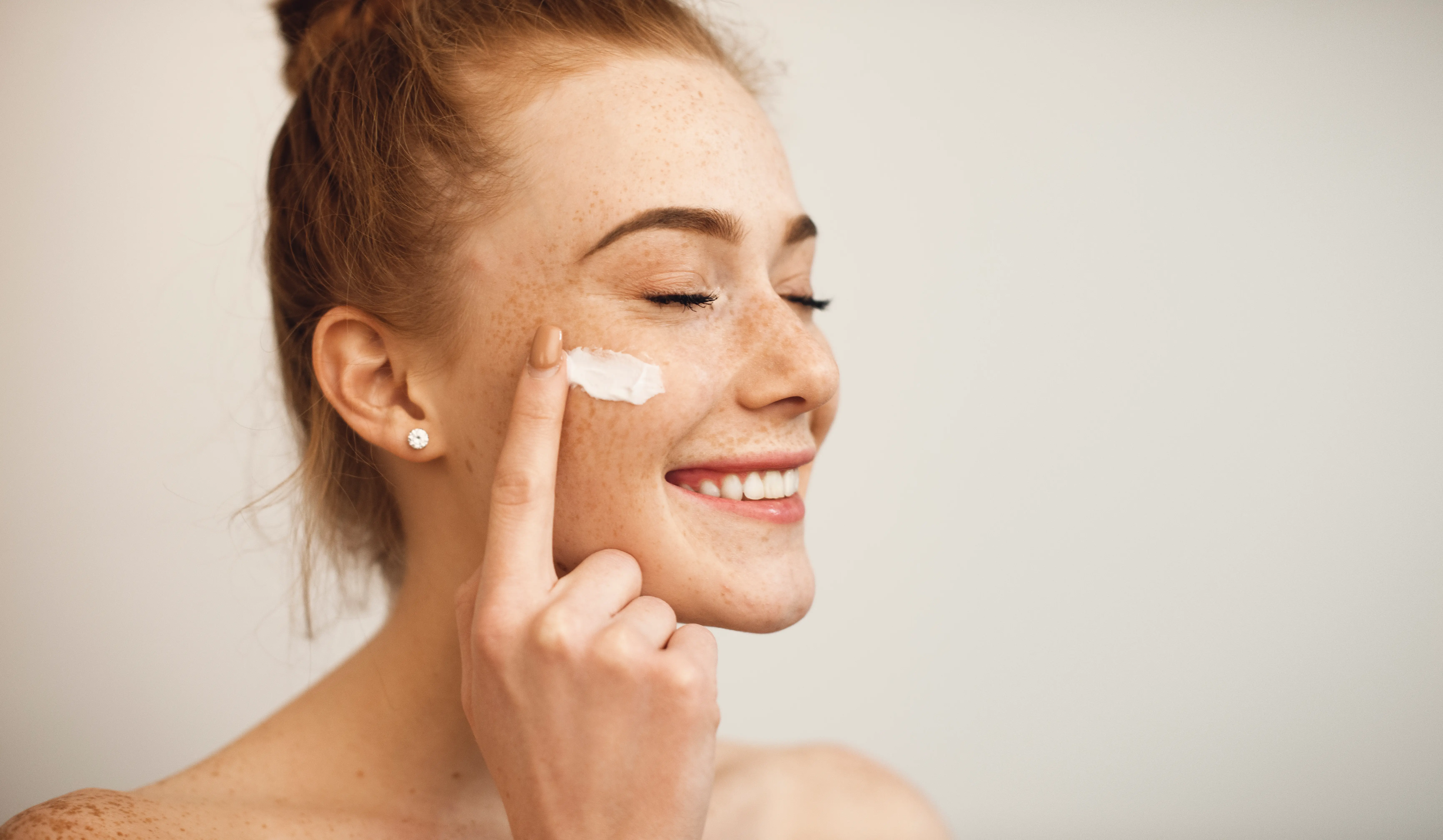
Retinol in summer: Dermatologist Dr. Elisabeth Zott-Schuhmachers explains why the ingredient isn’t necessarily harmful — and the mistakes many people make in the sun
Christine Bürg & Marianne Waldenfels
With
Dr. med. Elisabeth Zott-Schuhmachers
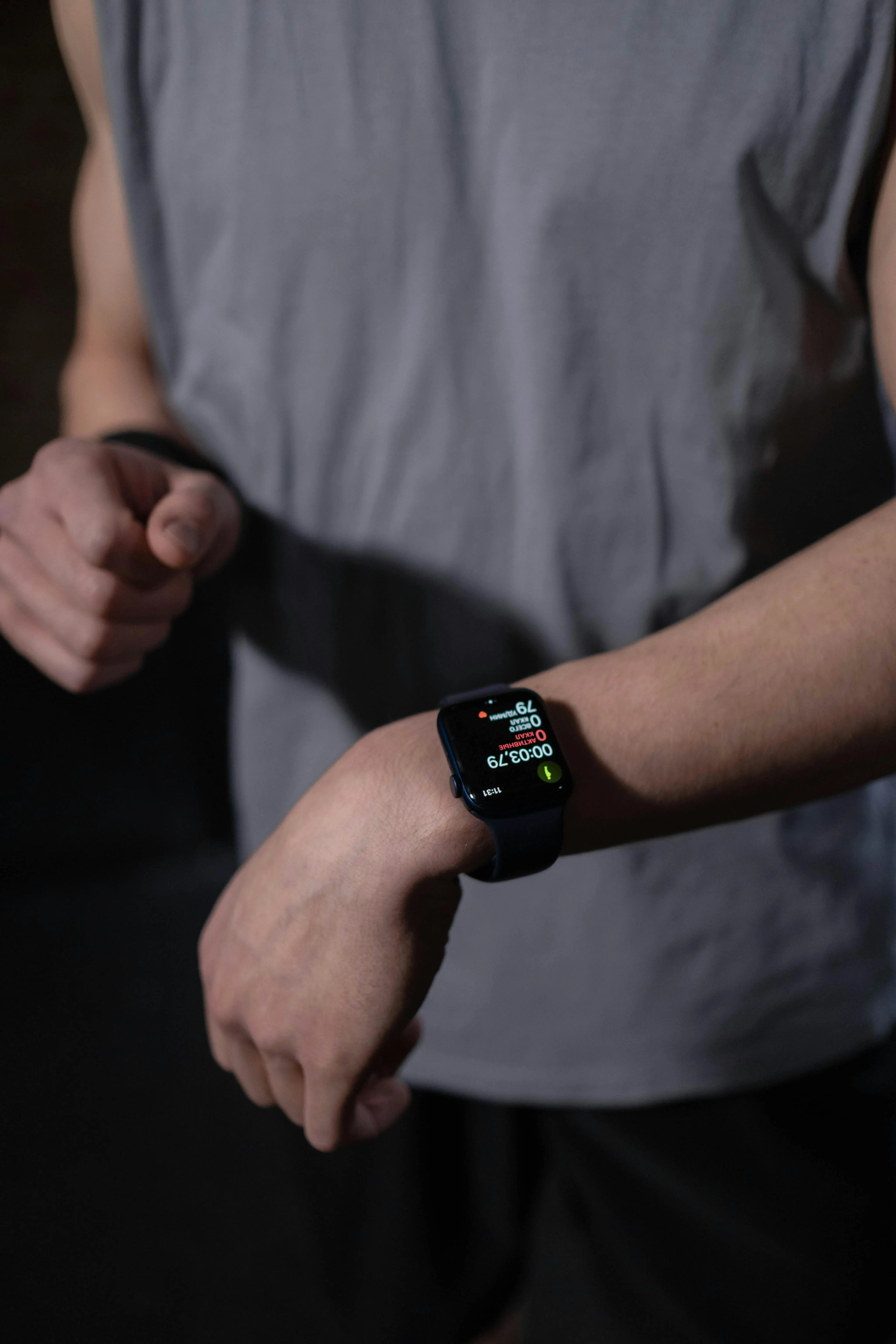
Wearables, gyms, and the optimization craze: Orthopedist Prof. Dominik Pförringer explains why real health starts in everyday life — not in constant self-optimization
Prof. Dominik Pförringer
By
Univ.-Prof. Dr. med. Dominik Pförringer
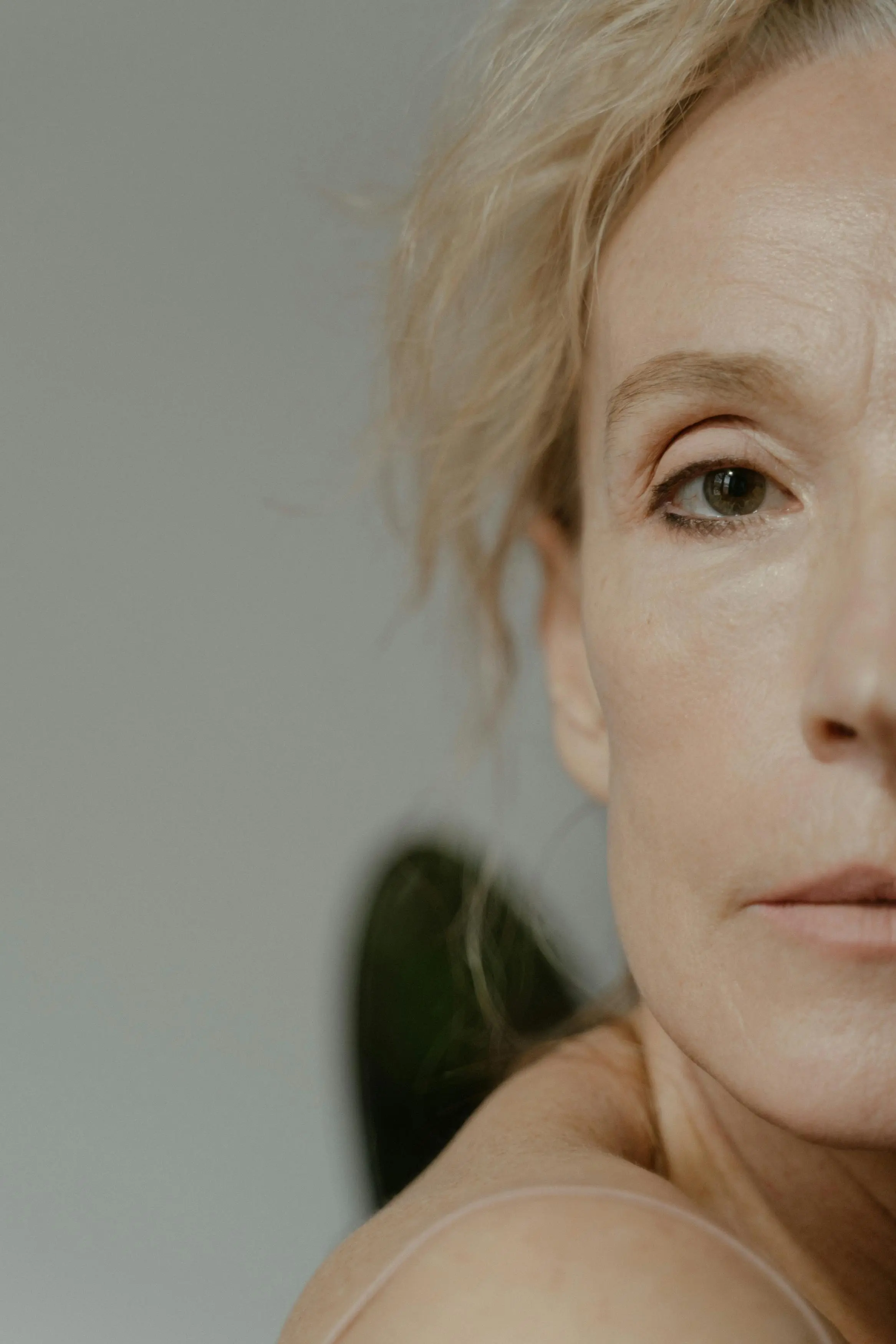
Why does our skin lose collagen with age? Dr. Lukas Kohler explains collagen stimulation, Sculptra, and the modern anti-aging treatments designed to restore firmer, healthier-looking skin
Christine Bürg & Marianne Waldenfels

An interview with
Dr. med. Lukas H. Kohler