© Cottobro Studios
Regular exercise helps stabilize blood sugar levels, says Dr. Sabrina Vollrath.
November 24, 2024
PMC Redaktion
Exercise can alleviate symptoms during menopause, significantly improve quality of life, and reduce the risk of cardiovascular, metabolic diseases, and breast cancer.
Exercise during menopause reduces the risk of breast cancer by 21%, strengthens bone density, alleviates hot flashes, stabilizes blood sugar levels, and prevents weight gain. The WHO recommends at least 30 minutes of exercise 5 times a week – ideally a combination of endurance, strength, and coordination training.
Menopause is the greatest change in the female body – but while many women neglect exercise during this phase, the exact opposite is crucial for health. Dr. Sabrina Vollrath, an expert in female physiology and a gynecologist at Inselspital Bern, explains in an interview why regular exercise during menopause is indispensable.
The Swiss expert in female physiology is a specialist and senior consultant in gynecology and obstetrics at Inselspital in Bern, where she specializes in female hormones and fertility. The 36-year-old has been researching the effect of exercise on female sex hormones for many years and, together with other gynecologists, founded Gynsports.ch , a digital platform, a network, and a contact point that advises female athletes on women's health in sports.
Menopause is considered a particularly challenging time, so let's start with something positive: you can support your body well during this phase with exercise. Why should all women maintain and not reduce their activity levels during menopause?
Exercise has a huge effect on the female body during and after menopause. Regular exercise helps stabilize blood sugar levels and lower unfavorable markers like cholesterol. It reduces the intensity of hot flashes and reduces the risk of breast cancer by 21 percent.
In addition, fat burning is stimulated, bone density is strengthened, and chronic diseases such as type 2 diabetes, high blood pressure, and obesity are prevented. At the same time, sleep quality improves, and chronic back pain can improve.
That sounds absolutely fantastic! To make sure we're all on the same page: What is medically understood by menopause?
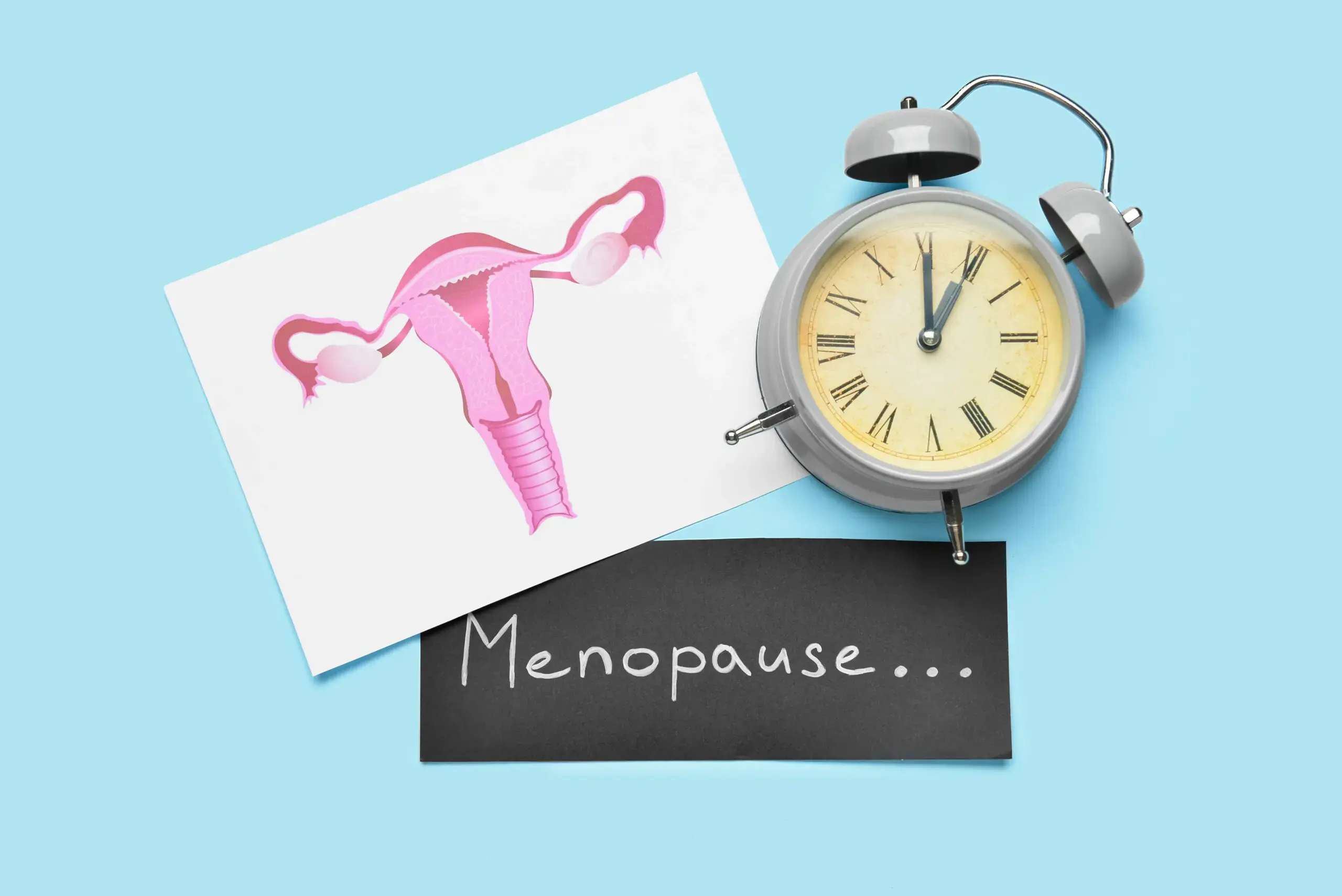
The last menstrual period in a woman's life is called menopause The phase before the last menstruation is called pre-menopause, the time after post-menopause. Due to the cessation of ovarian function, on average this happens at , the previously regular menstrual cycle comes to a halt.

At the same time, the hormone situation changes: The levels of female sex hormones in the blood decrease. This hormonal change begins even before the last menstrual period and leads to the so-called "menopausal symptoms."
For example, hot flashes and mood swings. But these are "just side effects," the entire body undergoes a tremendous change, mainly due to hormones. What exactly happens to the female body?
The decline of female sex hormones, especially of estradiol, which belongs to the estrogens, affects the whole body. On one hand, the risk of cardiovascular diseases increases, but also for osteoporosis: The drop in estrogen, which begins in the menopausal transition, marks the critical phase with a loss of bone matrix.
Women lose an average of 2.5 percent of their bone density in the lumbar spine and 1.8 percent in the femoral neck per year. Furthermore, resting energy expenditure also decreases.
To counteract bone loss and prevent excessive weight gain, increased physical activity and possibly adjustments in energy intake are necessary. Additionally, body composition also changes.

© Heart Rules
Women around menopause should step up a gear regarding sports, says Dr. Sabrina Vollrath, an expert in women's physiology, specialist, and senior physician for gynecology and obstetrics at Inselspital in Bern.
What exactly does this mean?
During the menopausal transition, the fat oxidation rate drops significantly, while carbohydrate oxidation remains constant. This means the body burns less fat for energy. This can slow down overall fat burning and reduce the ability to deplete fat reserves, especially if calorie intake remains constant.
Many women find that they gain weight, especially in the abdominal area, during menopause. What role does the changed hormonal balance play in this?
The decline in female sex hormones also affects fat metabolism and body fat distribution. As estrogen levels drop, there may be an increased accumulation of fat in the abdominal area. This increases the risk of cardiovascular and metabolic diseases. For this reason, it is especially important for women to increase their physical activity during menopause.
Which sports are particularly good for supporting the body during this phase?
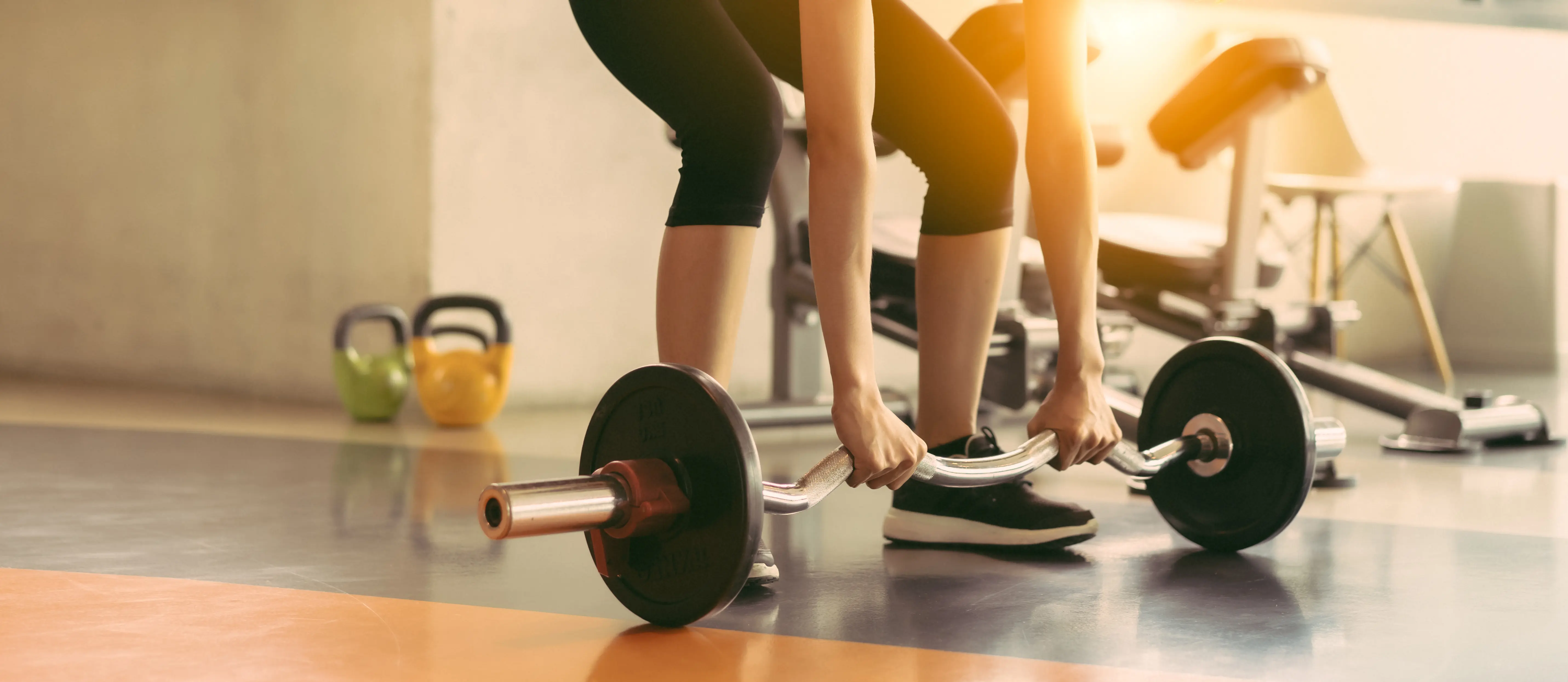
This cannot be said in general terms. A holistic training concept is much more important. Regular, moderate endurance training, such as jogging, cycling, swimming, or hiking, strengthens the cardiovascular system and stimulates fat metabolism.
Also Interval training can be helpful in normalizing blood pressure. In addition, strength training is crucial for maintaining muscle and bone mass, which also boosts metabolism. At the same time, one should regularly work on coordination and flexibility. Yoga, Pilates or dancing are particularly suitable here.
And how often should you exercise?
Basically, it doesn't matter whether a woman is pre- or post-menopausal – the motto remains: "Use it or lose it." Regular physical activity is crucial to maintaining the positive effects of sports. Without it, the risk of weight gain and adverse metabolic changes increases, which can harm health in the long term.
Therefore, the WHO recommends, regardless of menopause status, at least five times a week for 30 minutes to be physically active. Of course, training should always be tailored to the individual and their physical health. For physically active women going through menopause, it is also sensible to ensure adequate protein intake to support the maintenance of muscle and bone mass.
You mentioned earlier that the risk of osteoporosis increases during menopause. Would you recommend avoiding certain sports?
Women with normal or slightly reduced bone density can and should engage in all sports without restriction to minimize further bone loss and strengthen the bones. In cases of increased fracture risk, it's advisable to consult with the attending rheumatologist before starting training to develop a tailored training program in collaboration with a sports therapist.
In addition to a mix of different sports and regular training sessions, what do you think is most important when it comes to exercise during menopause?
Stick with it and follow a consistent training program. Following the motto "constant dripping wears away the stone." Especially women around menopause should step up their exercise to effectively counteract the sluggish metabolism due to the drop in estrogen. Only this way can body weight be kept stable, which in turn is associated with health and well-being.
You are a former elite athlete yourself and are pioneering in the field of women's health and sports. Why is this so important to you?
There are still numerous unanswered questions, particularly regarding the interactions between hormones and athletic performance, as well as pregnancy and training. I want to help close these knowledge gaps through education and scientific work to specifically support women in sports.