© Adobe Stock
May 20, 2026
Marianne Waldenfels
Rhodiola not working? It’s often due to incorrect use. Learn when Rhodiola starts working, which dosage makes sense, and what to pay attention to
Many people take Rhodiola rosea (roseroot) to stress, relieve exhaustion, or concentration problems – but often the effect fails to appear.
The reason usually lies not with the plant itself, but with incorrect application: too low a dosage, inappropriate timing, or not enough patience.
Many users stop taking it too early – even though Rhodiola is just beginning to take effect.
For Rhodiola to truly work, some rules must be followed. In this article, you will learn when Rhodiola should be taken, what dosage studies recommend, and how long it takes for effects to appear.
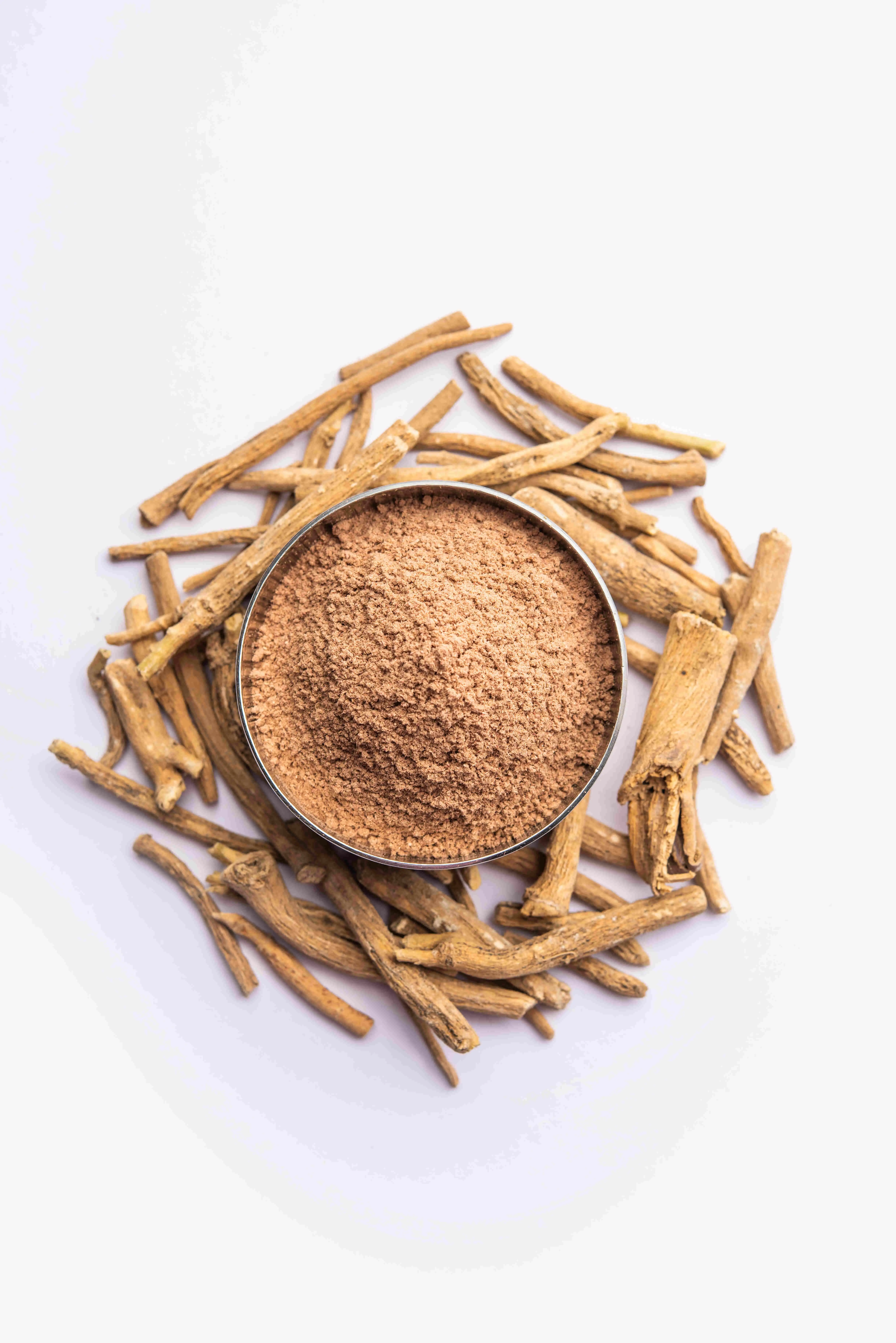
Rhodiola rosea, also known as roseroot, grows in the barren high mountain regions of Europe and Asia. In Scandinavian and Russian folk medicine, roseroot has been used for centuries as an energy and concentration aid.
The plant belongs to the adaptogens, which are natural substances that can improve physical and mental resilience. A pharmacological review shows that Rhodiola extract can regulate cortisol levels, counteract exhaustion, and improve mental performance under stress significantly.
Rhodiola rosea is ideally taken in the morning, preferably about 30 minutes before breakfast. The reason: The plant has a slightly activating effect and can support the natural cortisol rhythm, which peaks in the early hours. Taking it in the evening is less recommended, as Rhodiola may affect sleep in sensitive individuals.

Why are women often more successful than men in ultramarathons? Orthopedic surgeon Dr. Yvonne Ebel discusses physiology, mental strength, nutrition, and the risks of extreme endurance stress.
Christine Bürg and Sophie Rodewyk

An interview with
Dr. med. Yvonne Ebel

Many complaints have their root cause somewhere other than where the symptoms appear. Dr. Christoph Wenninger explains the role that jaw joints, inflammation, and modern preventive care play in overall health.
Christine Bürg and Marianne Waldenfels

An interview with
Dr. Christoph Wenninger

Physiotherapist and health coach Andreas Stollreiter discusses the philosophy of osteopathy, identifying the root causes of pain and illness, and the surprising links between the musculoskeletal system, digestion, the nervous system, and mental health
Christine Bürg and Marianne Waldenfels
When purchasing a Rhodiola extract, you should look for standardization (about 3% rosavins, 1% salidrosides) to ensure the product matches the concentrations used in clinical studies.
The optimal dosage depends on the individual goal and personal situation. In practice, the following guidelines have been established:
Also clinical data support this dosage range. For example, a study showed that as little as 170–340 mg of Rhodiola extract daily can be sufficient to significantly improve concentration and mood within two weeks. Further studies with standardized extracts like SHR-5 confirm an effective range of up to about 600 mg per day.
Rhodiola rosea acts relatively quickly compared to many other herbal preparations. Initial effects can be noticeable after just a few days, often in the form of increased energy, better focus, and an overall enhanced resilience in daily life.
After about one to two weeks, many users report a noticeable reduction in stress and a more stable mood. The full adaptogenic effect typically unfolds after three to four weeks of continuous use. In this phase, the effect is most evident through improved stress resilience and a more balanced mental performance.
Rhodiola rosea is generally considered well-tolerated, especially at moderate dosages. However, side effects such as internal restlessness, mild irritability, headaches, or Sleep problems occur – especially with too high a dosage or late intake during the day.
Caution is advised when taking antidepressants (especially SSRIs or MAO inhibitors) at the same time, as interactions cannot be ruled out. Pregnant or breastfeeding women and people with known hormonal or psychiatric pre-existing conditions should seek medical advice before taking it. It is generally recommended to start with a low dose and observe individual tolerance.
Some users notice initial effects after 2 to 5 days, particularly in the form of more energy and better focus. The full effect usually develops only after 2 to 4 weeks of regular intake.
It is recommended to take it in the morning, ideally about 30 minutes before breakfast. Since Rhodiola can have a slight activating effect, taking it in the evening is less advisable, especially for sensitive individuals.
Yes, this can occur if taken too late in the day. In such cases, some users report difficulty falling asleep or lighter sleep quality. Often, it helps to take it consistently in the morning.
Excessive amounts can promote side effects such as nervousness, inner restlessness, headaches, or slight irritability. These complaints are usually mild and subside when the dose is reduced.
If the effect is absent, it is often due to a too low dosage, a non-standardized extract, an unfavorable time of intake, or too short a duration of use. Often the perception improves when these points are adjusted.
Yes, this is generally possible and also common. Rhodiola is usually taken in the morning, while calming adaptogens like Ashwagandha are often taken in the evening. It is important to consider individual tolerance.
Yes, and they are crucial for the effect. Standardized extracts with a defined content of rosavins and salidroside are generally more comparable with studies than non-standardized products or pure root powder.