© © Pok Rie
April 30, 2026
Birgitta Dunckel
Moringa is considered one of the most nutrient-rich plants in the world, which is why the popularity of this superfood is steadily increasing
Moringa has been marketed for years as a superfood — often with impressive health claims. The plant is said to boost the immune system, aid in weight loss , and even prevent diseases. But what of that is actually scientifically proven?
What is certain is that Moringa contains many vitamins, minerals, and phytochemicals. Its antioxidant properties are especially well researched. Many other advertised effects, however, are still insufficiently studied.
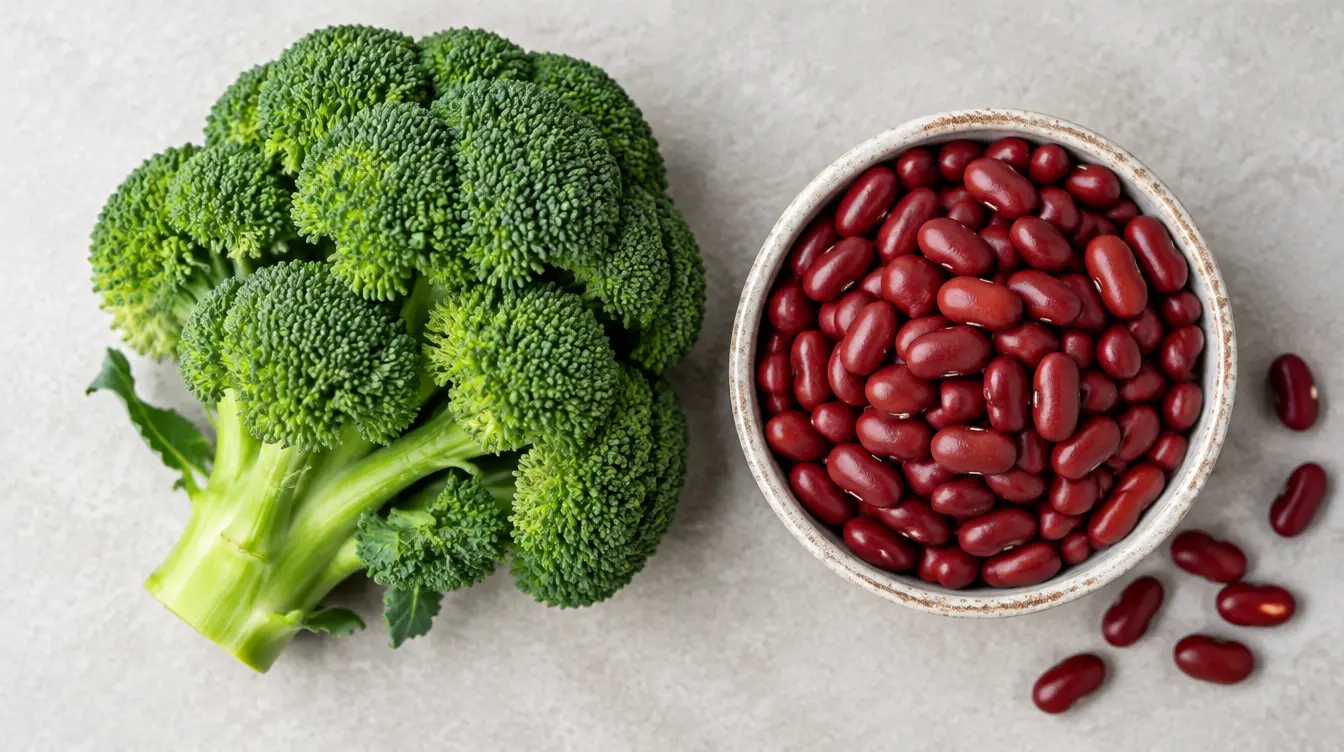
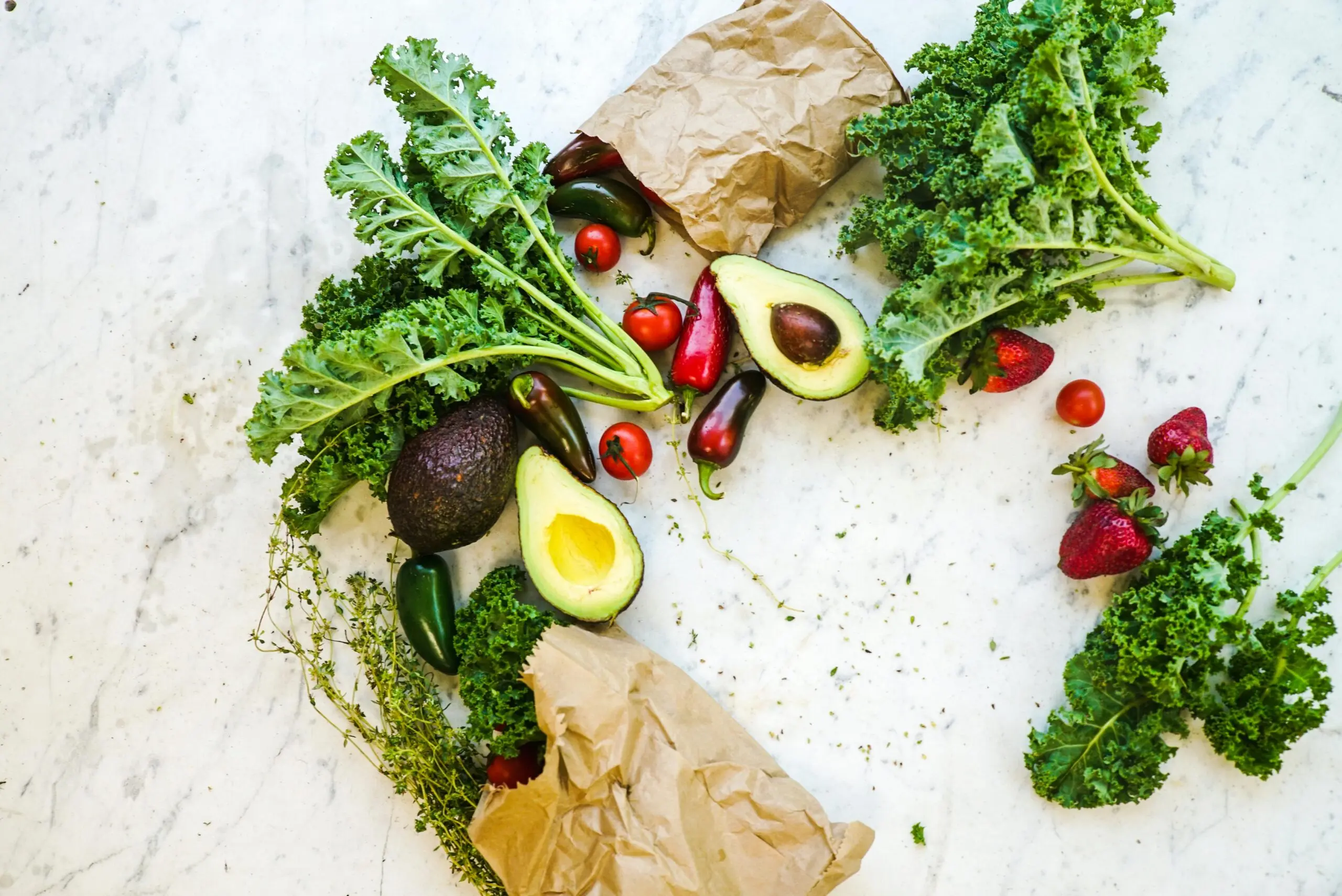
Additionally, exotic superfoods often seem more attractive than local alternatives – even though foods like kale, spinach, or broccoli can nutritionally keep up.
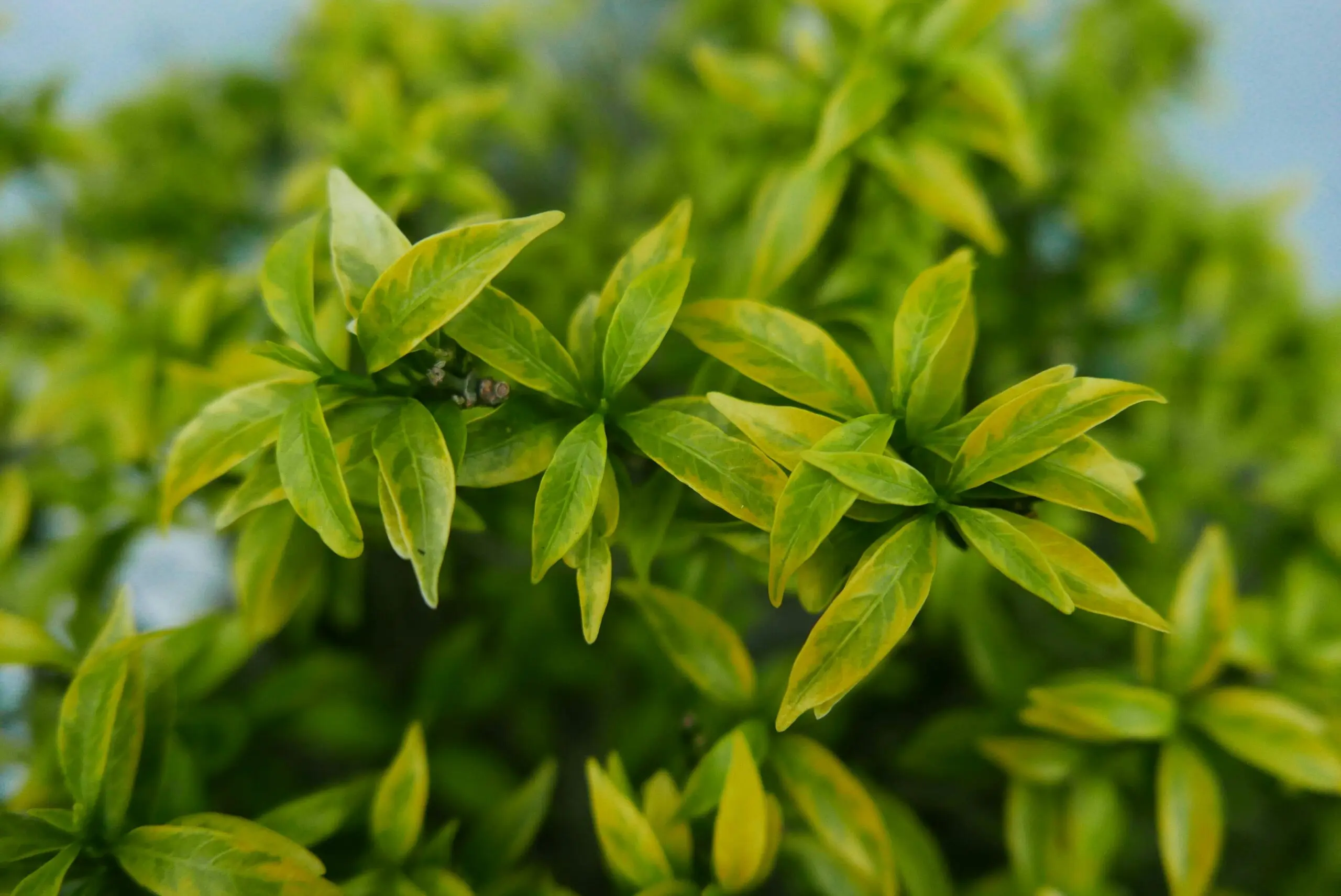
Moringa oleifera is a fast-growing plant from northwest India, which is now grown in many tropical regions. Due to its nutrient density it is often referred to as a "miracle tree" – a term that actually originates more from marketing.
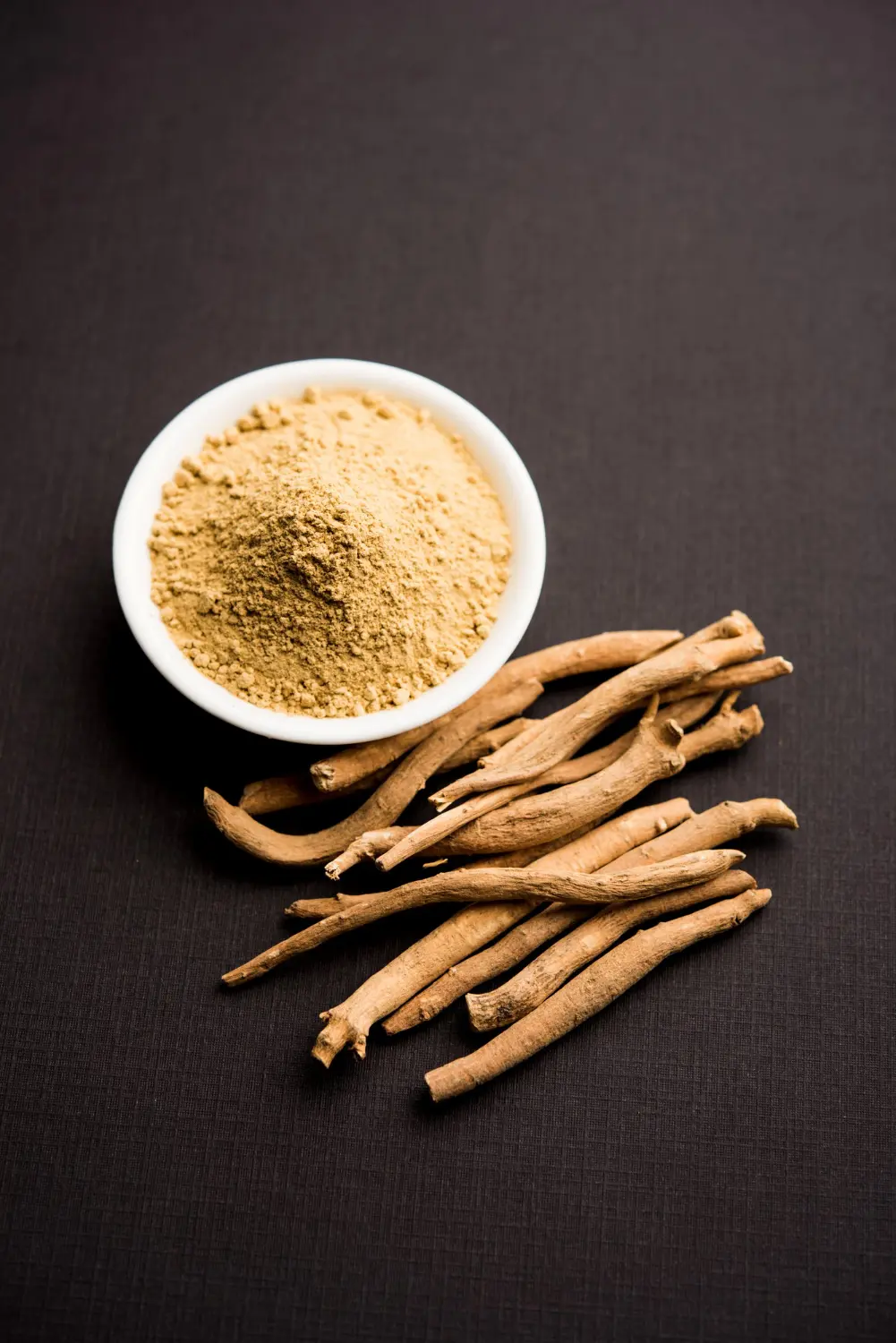
Almost all parts of the plant are usable, especially the leaves, which are mostly consumed as powder or capsules.
Moringa is particularly interesting because of its high content of vitamins, minerals, and antioxidant phytochemicals. The leaves contain, among other things, vitamin A, vitamin C, various B vitamins as well as iron, calcium, and magnesium.
Especially the polyphenols and flavonoids contained are the focus of research. They are considered partly responsible for the plant's antioxidant properties.
The effects of Moringa are often portrayed as very far-reaching. However, a look at the scientific studies shows a more differentiated picture.

The antioxidant effect is best documented. Moringa contains secondary plant compounds such as polyphenols and flavonoids. According to scientific reviews, these can help reduce oxidative stress in the body.
In Laboratory and animal studies anti-inflammatory effects have been observed. Whether these also occur in humans to a relevant extent has not yet been sufficiently clarified.
Some smaller studies show possible positive effects on blood sugar levels. However, the results are inconsistent and often associated with very high doses that are hardly practical in everyday life.
Important to know: Most studies on Moringa have not been conducted on humans. Significant clinical evidence is largely lacking so far.
For a direct effect on the psyche, there is currently no reliable scientific evidence.
However, Moringa contains nutrients that are important for the normal functioning of the nervous system. Anyone suffering from nutrient deficiencies overall may feel more capable and energetic with better nutrition – but this does not specifically apply to Moringa.
Moringa is mostly found in stores as a powder, tea, or in capsule form. The taste is considered slightly tart and reminds some of spinach or green tea.
The powder can be mixed into smoothies, yogurt, or juices. Typically, 3 to 5 grams are consumed daily.
Capsules are tasteless and convenient for on-the-go. The dosage varies depending on the manufacturer.
For tea, dried leaves are steeped in hot water and left to infuse for several minutes.
Those trying moringa for the first time should dose it cautiously. The powder, in particular, tastes intense and is not well-tolerated by everyone. Often, 1 to 2 grams daily are initially recommended, with about 3 to 5 grams being common later on.
Moringa is generally considered well-tolerated. However, in larger quantities, it can lead to digestive issues such as diarrhea or bloating.
Additionally, potential interactions with medications cannot be ruled out – for instance, with blood thinners or certain hormone therapies. Those on regular medication should consult a doctor beforehand.
It's undisputed that moringa contains many nutrients. However, its reputation as an almost miraculous superfood goes far beyond what research has confirmed so far.
Many local foods like kale, spinach, or legumes also provide valuable vitamins, minerals, and antioxidants, often more cheaply and sustainably.
Moringa can therefore be a supplement, but it neither replaces a balanced diet nor medical treatments.