4 million people suffer from rare diseases (RD) in Germany. A disease is considered rare, also known as an orphan disease, if it occurs in no more than five out of 10,000 people. They range from genetic disorders to unusual infections to strange autoimmune diseases.
How many rare diseases are there approximately?
There are now well over 8,000 of these diseases known. The trend is rising, partly because experts are increasingly helped by precise genetic diagnostic methods. Patients often receive incorrect diagnoses and undergo a years-long odyssey through practices and clinics. Correctly interpreting their mysterious symptoms requires experience, ingenuity, and sometimes unconventional approaches.
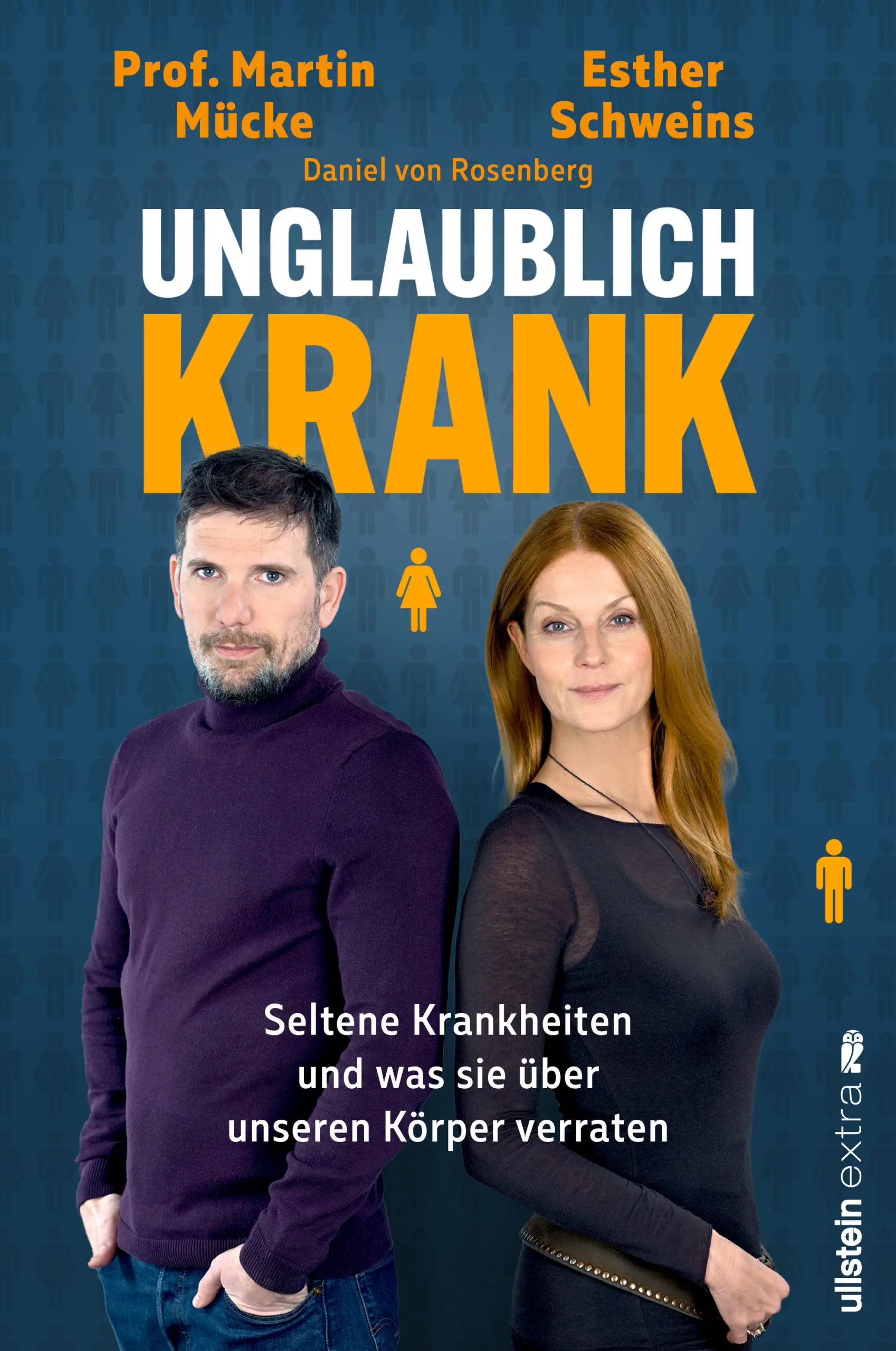
In their podcast "Incredibly Sick – Patients Without Diagnosis" Professor Dr. Martin Mücke and actress and director Esther Schweins have been on the trail of these "orphans of medicine" for three years (and over 60 episodes), who occur so rarely that even doctors are initially in the dark and the search for the reasons up to the life-changing diagnosis often sounds like a detective story.
The most exciting cases are now available as a book: In "Incredibly Sick: Rare Diseases and What They Reveal About Our Bodies" (Ullstein Verlag) embark on a detective investigation into the causes. Examples: A woman who stumbles into the emergency room at night and spits blood for no apparent reason. A woman who is suddenly plagued by inexplicable panic attacks.
Or: A hand that suddenly can no longer be moved. The dramatic fates have one thing in common: the doctors are initially at a loss and cannot make a clear diagnosis because the cases are too rare.
Over 30 centers for rare diseases in Germany
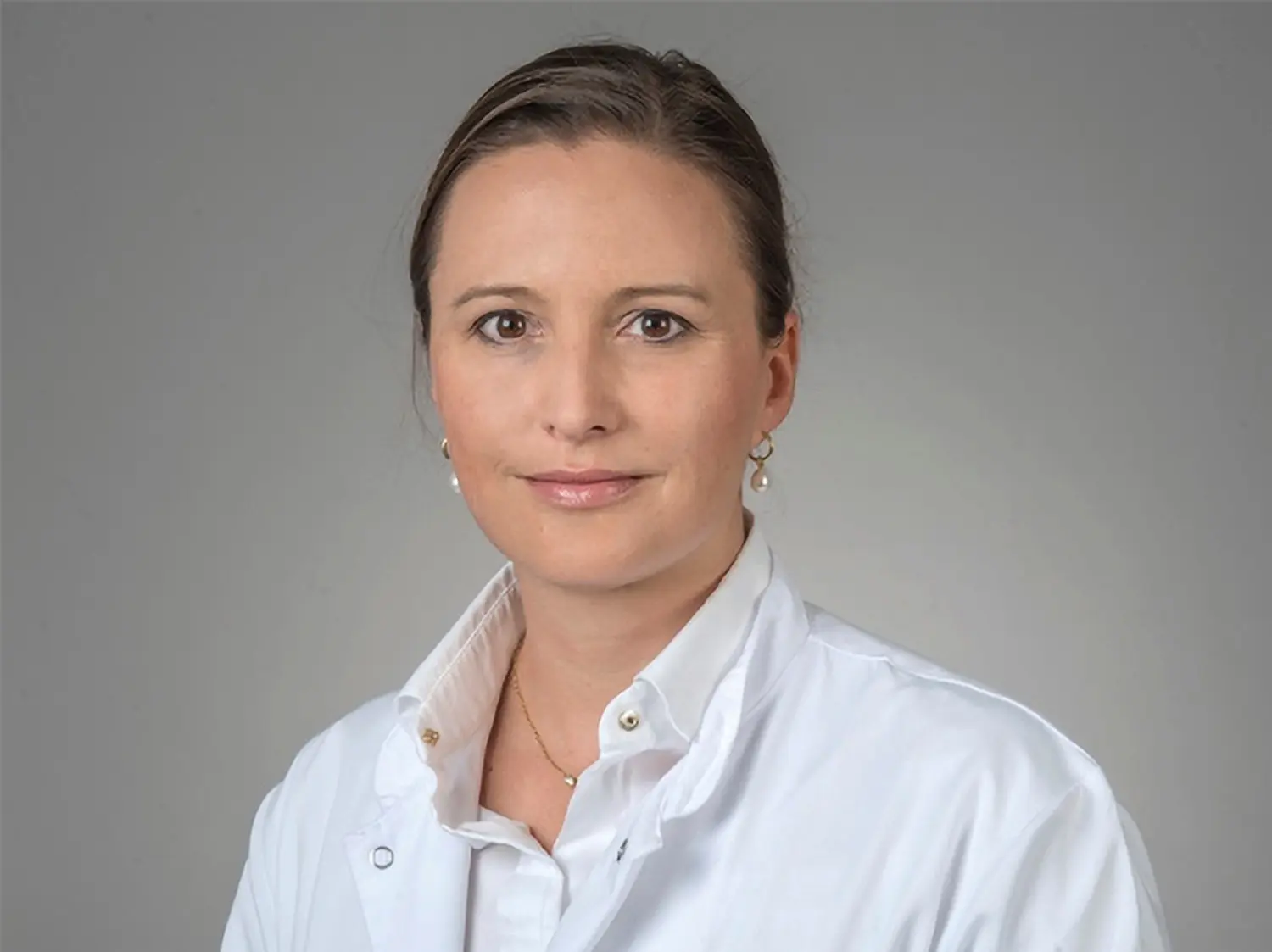
Prof. Martin Mücke is Director of the Institute for Digital General Medicine at the University Hospital RWTH Aachen and spokesperson for the Center for Rare Diseases located there. In NRW alone, there are seven such centers, and in all of Germany there are over 30. These are places where multiprofessional teams take special care, time, and professional networking to care for people with rare diseases and unclear diagnoses.