© Karola Grabowska
March 29, 2026
Marianne Waldenfels
Cottage cheese is high in protein and popular for weight loss – but what does the research really say? Discover calories, benefits, and potential downsides.
Cottage cheese is experiencing a comeback right now—especially on social media, the lumpy fresh cheese is considered a protein bomb and weight loss miracle. But does it deliver what the hype promises, and how does it compare to low-fat quark, skyr, yogurt & co.?
In short: Cottage cheese is a healthy, protein-rich food with few calories and important nutrients. It can be especially useful for weight loss and muscle building—however, it is not a true "superfood."
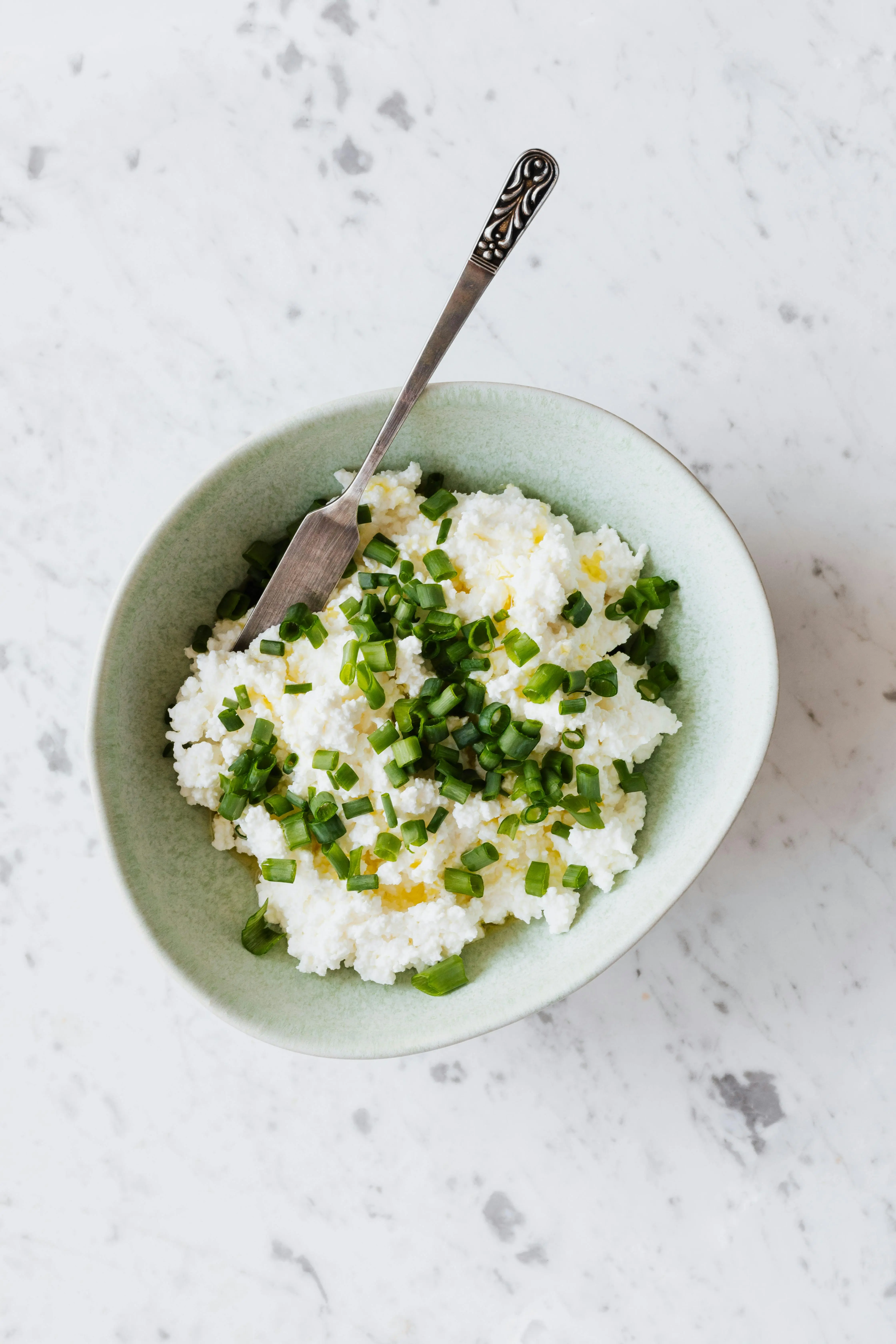
Cottage cheese (German: Hüttenkäse) is a lumpy fresh cheese resulting from the coagulation of pasteurized cow's milk. The solid cheese curds are separated from the whey and then mixed with a creamy liquid, creating the typical lumpy-creamy texture.
Depending on the fat level, there are very low-fat varieties as well as creamier products with a slightly higher fat content. For fitness and weight loss recipes, the low-fat version is usually used.
Depending on the manufacturer, the values vary slightly, but typical nutritional values per 100 g of cottage cheese are approximately:
Thus, cottage cheese provides relatively high-quality protein with moderate calories and is also a source of calcium and vitamin B12, which are especially important for bones and the nervous system.
Cottage cheese contains calcium, vitamin K, and some vitamin D, which are jointly involved in bone health. Calcium is the central building block of bones, while vitamin K supports the deposition of calcium in the bone structure. Observational studies on dairy products suggest that higher consumption may be associated with a lower risk of osteoporosis and bone fractures, although these data do not specifically concern only cottage cheese.
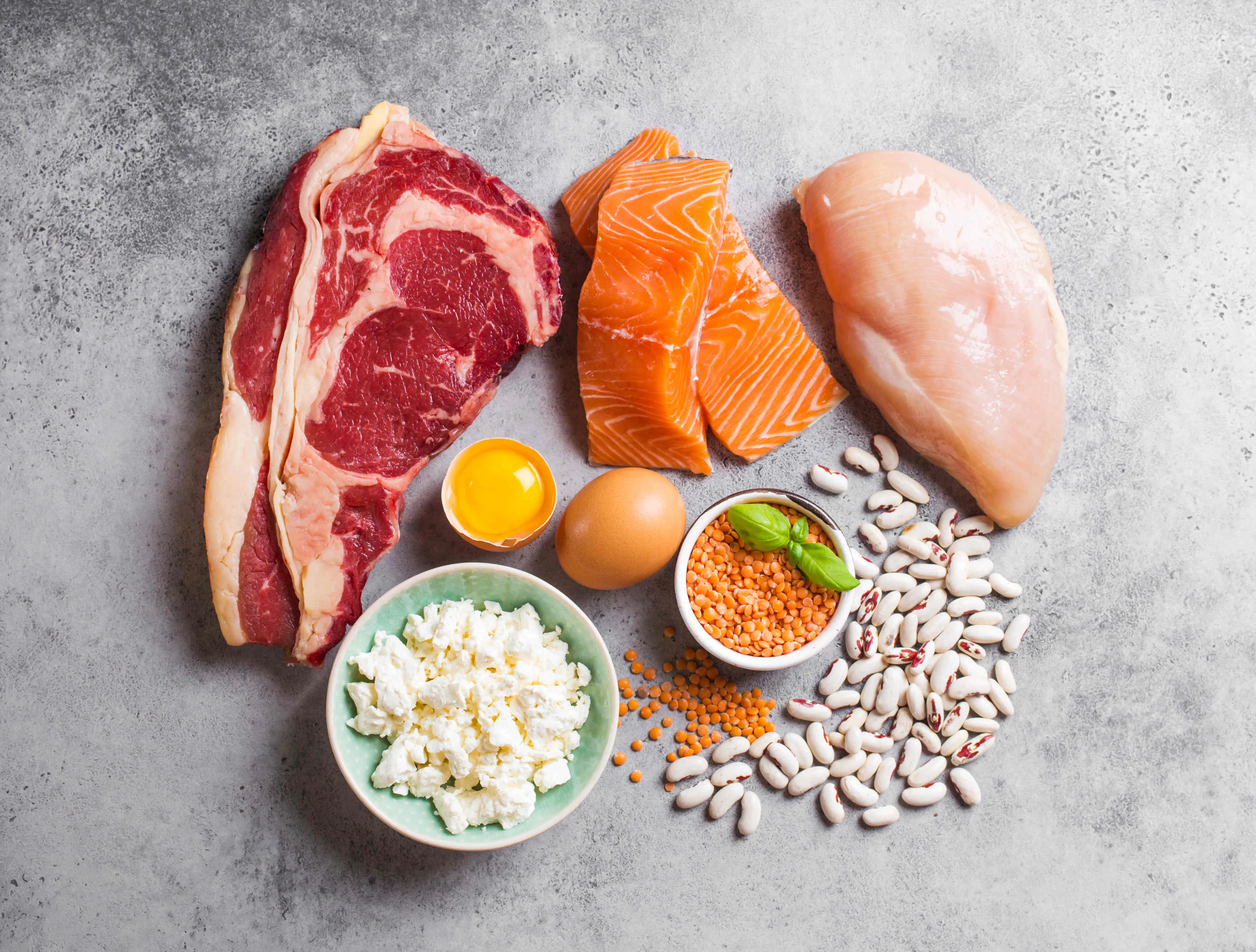
The high protein and relatively low calorie content make cottage cheese a popular component of diets and fitness nutrition plans. Protein is considered the macronutrient with the strongest satiating effect, and some clinical studies show that high-protein meals can reduce cravings and help maintain a calorie deficit.
In one study, which compared cottage cheese with eggs, a high-protein meal with cottage cheese led to a similar feeling of satiety as an egg breakfast, even though the postprandial hormone patterns differed. This suggests that cottage cheese is a sensible alternative to other protein sources when it comes to satiety.
Cottage cheese has few carbohydrates and a low glycemic index. Studies on dairy products suggest that higher milk consumption may be associated with lower insulin resistance and a reduced risk of type 2 diabetes, although these data typically encompass the full spectrum of dairy products. The high protein and calcium content may help flatten blood sugar spikes and reduce cravings.
Large meta-analyses show that the consumption of milk and cheese as a whole is not associated with an increased risk but is sometimes linked to a slightly reduced risk of hypertension, stroke, and coronary heart disease. For cottage cheese specifically, data is limited, but as a low-fat cheese with moderate sodium content, it fits well into a heart-friendly, overall balanced diet.
Cottage cheese has many properties that can help with weight loss: it provides a lot of protein, relatively few calories, and few carbohydrates. The protein provides a long-lasting feeling of fullness, protects muscles during a diet, and can indirectly support energy expenditure.
At the same time, compared to many other types of cheese, cottage cheese contains significantly less fat, making it a calorie-saving option for bread spreads, snacks, and evening meals. However, it's important to note: cottage cheese alone does not make you slim – a negative calorie balance, sufficient exercise, and an overall balanced diet remain crucial.
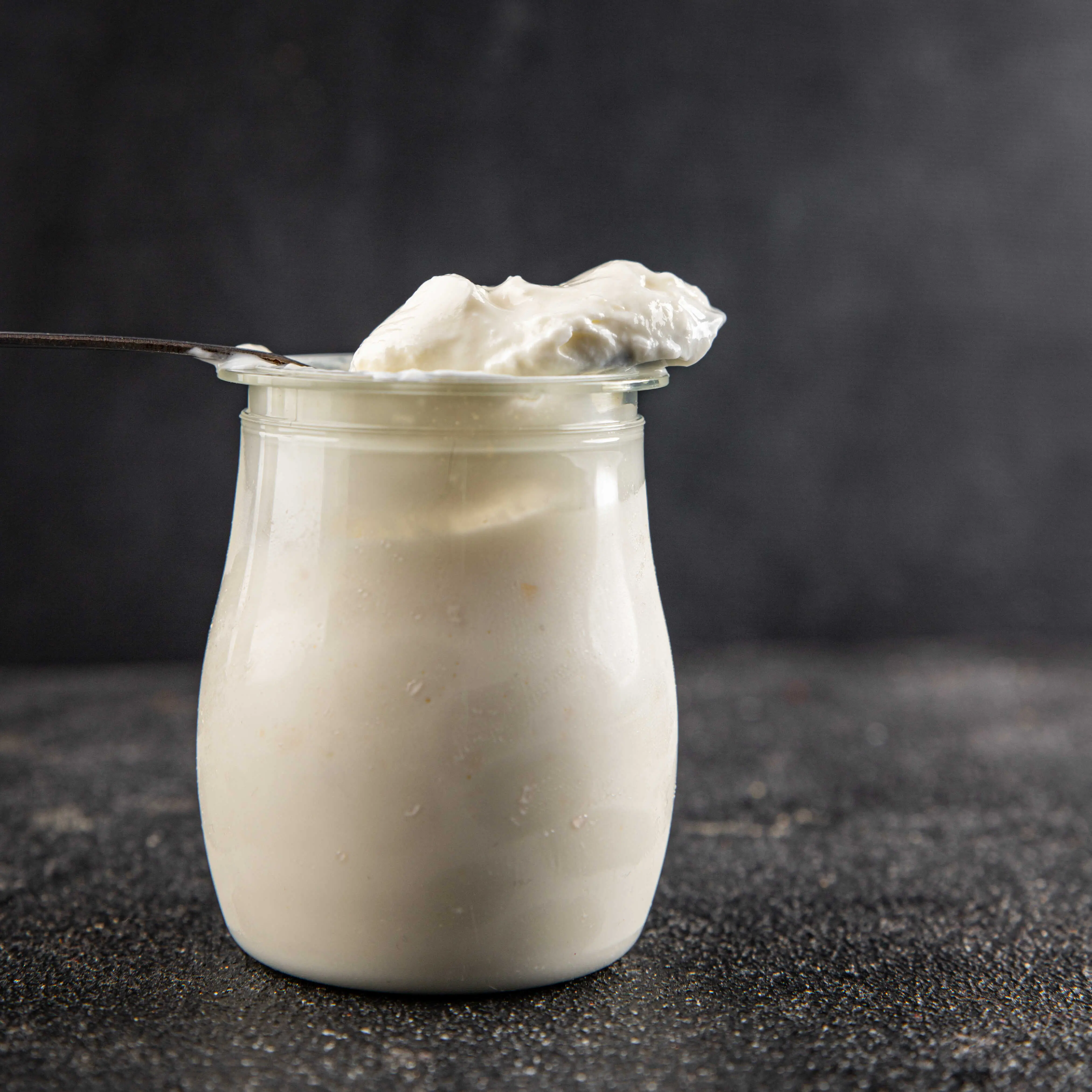
In direct comparison with other popular protein sources like Skyr, low-fat quark, and Greek yogurt, it shows: All deliver a lot of protein with relatively few calories, but differ in consistency, taste, and applications. Low-fat quark is usually the "protein bomb" with extremely low fat, but often very firm and slightly sour – ideal if you're looking for maximum protein with minimal calories.
Skyr is similarly high in protein but appears more yogurt-like, creamier, and milder in taste for many, making it perfect for sweet bowls, overnight oats, or desserts.
Cottage cheese scores mainly with its grainy-creamy texture and savory note: It can be perfectly used as a bread spread, dip, in bowls, casseroles, or as a topping for oven vegetables. In terms of protein content, it plays in the same league as low-fat quark and Skyr, but is somewhat more versatile in savory cuisine. Greek yogurt and regular natural yogurt are usually slightly lower in protein but bring more creaminess depending on the fat level.
So if you want to consume a lot of protein in a neutral or sweet form, you should choose low-fat quark or Skyr – on the other hand, if you like savory, quickly satisfying meals, cottage cheese is often the most practical choice.
Cottage cheese is a protein-rich, low-calorie dairy product with calcium and B vitamins. While it is clearly healthy and practical, it is not yet proven as a 'superfood' in the sense of a scientifically superior miracle cure.
For healthy adults, a portion of cottage cheese daily fits well into a balanced diet. It's important to watch the total amount of protein, calories, and sodium, and consider individual intolerances.
Yes, cottage cheese can support weight loss: It provides a lot of protein with relatively few calories and can thus increase the feeling of fullness. However, the overall calorie deficit and a generally balanced diet remain crucial.
For most people, about 100–300 g of cottage cheese per day is unproblematic, provided the rest of the diet is balanced. Those who eat a lot of other protein and salty foods should stay in the lower range.
Cottage cheese contains few carbohydrates and usually has a low glycemic index. It can be well integrated into a diabetes-friendly diet as long as the overall diet and individual tolerance are suitable.
Nutritionally, all three are very similar in terms of protein and calories. Whether cottage cheese is 'better' mainly depends on your taste.
Yes, cottage cheese is suitable as a dinner or late snack because it is high in protein, relatively light, and low in carbohydrates. Many people use it in the evening to satisfy hunger without consuming many calories.
Cottage cheese contains less lactose than milk, but not zero. People with mild lactose intolerance may tolerate it in small amounts, but for stronger intolerance, lactose-free alternatives or plant-based products are more suitable.
People living a vegan lifestyle can turn to protein-rich alternatives such as tofu, tempeh, soy quark, lupine products, or lentils and chickpeas. These also provide a lot of protein and sometimes additional fiber.