© MarieAge
August 14, 2024
Judith Cyriax
The extracellular particles are considered communication geniuses of our body – and also as the latest anti-aging miracle, as they help to reduce the signs of skin aging.

With
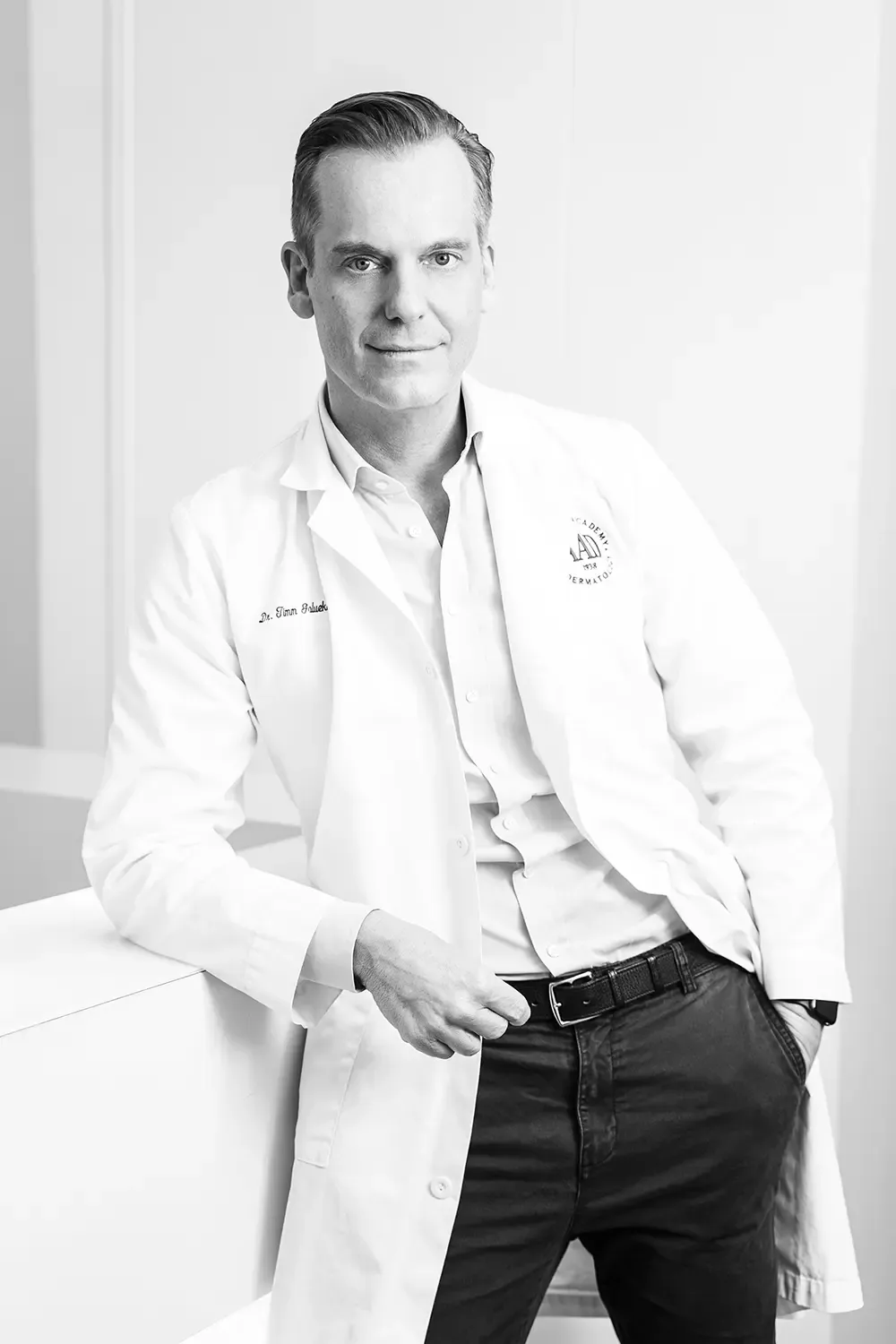
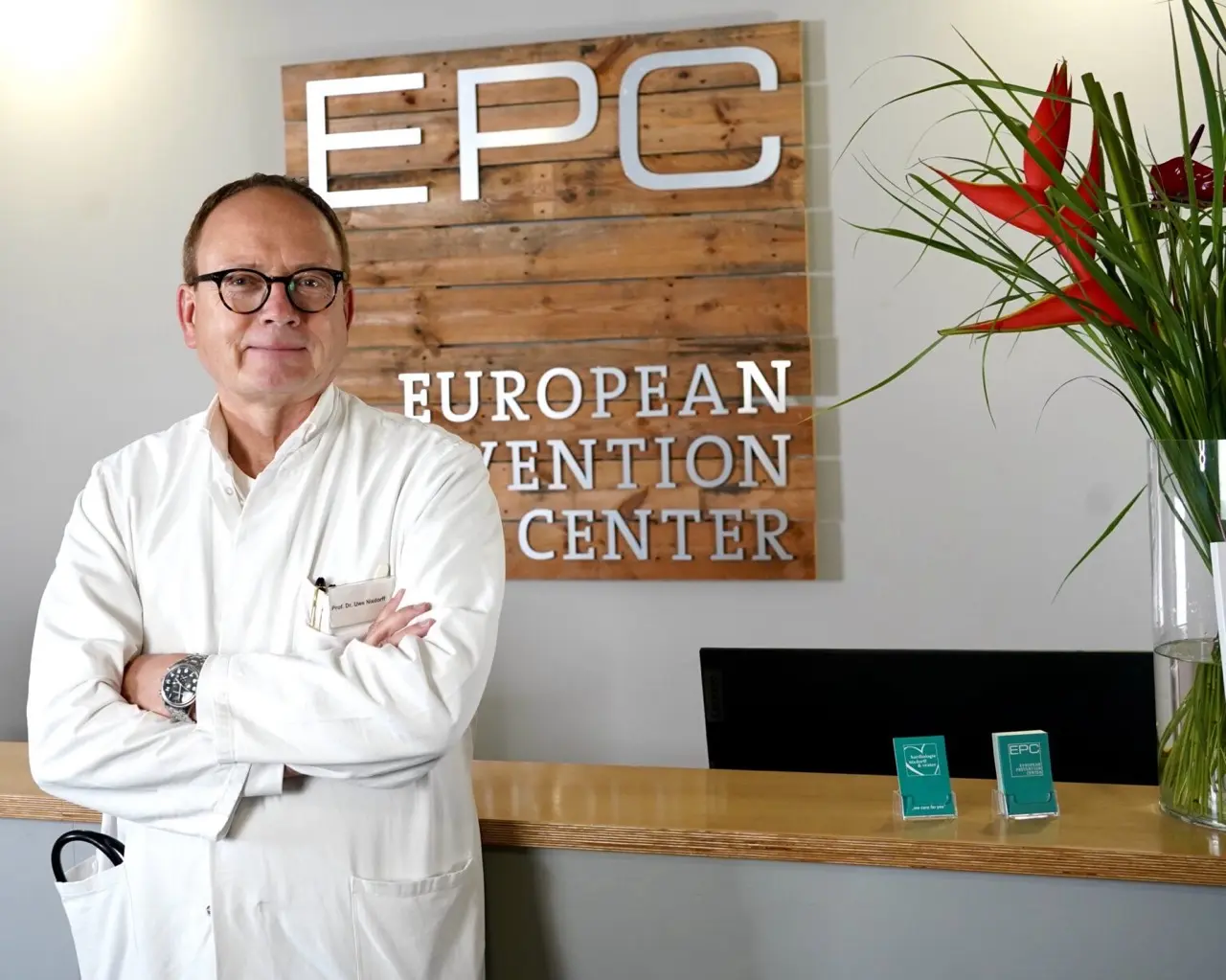
Dr. med. Timm Golüke
They are considered great hopes in medicine to track down diseases and also to be able to (better) cure them. Yet they are tiny themselves: Exosomes – particles a few millionths of a millimeter in size that are responsible for communication between cells and also travel as biomarker transporters.
They were only discovered in 1983 and found little interest in research until the early 2000s. This changed rapidly after the potential of the tiny particles was recognized more and more. In 2006, there were just 115 scientific publications on exosomes, but by 2015, there were over 1000.
The realization that extracellular vesicles are significantly involved in numerous mechanisms of the organism, from immune-mediated reactions to wound healing processes, provides promising research approaches. The range extends from improved diagnostics to regenerative medicine, to the development of novel cancer therapies and vaccines. The greatest hope lies in synthetically produced exosomes.
In laboratory experiments, it was already possible to accelerate the formation of new blood vessels, which in turn could allow tissue regeneration, for example after surgeries, to proceed more quickly. Another experiment allowed donor skin to heal significantly faster.
The Exosome from the test tube also have the advantage that they are easier to produce than by synthesis from natural sources. They can also be personalized for patients depending on the application and used with absolute precision.
It is not surprising that the fascination with the potential uses of these tiny particles has already reached the beauty industry. The trend has been moving for some time towards the use of body-own substances or mechanisms if a more youthful or fresher skin appearance is desired.
At this year's IMCAS Paris, one of the world's largest and leading congresses in the field of plastic surgery and dermatology, exosomes were therefore the dominant topic of conversation. “The so-called autologous exosomes are a completely new, exciting topic with enormous potential,” states Dr. Stefan Duve , a specialist in dermatology. Their crucial role in cell-to-cell communication and their sophisticated transport function make them so interesting.
For almost all processes in the body require a coordinated interaction of the cells, for example to form new tissue and blood vessels or to cooperate in immune reactions. “This is exactly where exosomes come into play,” explains the dermatologist Dr. Timm Golüke . “For example, they transport bioactive molecules such as proteins, lipids, or nucleic acids, the storage of genetic information, which are important for the coordination of cellular processes and the regulation of physiological functions in the body. Exosomes also take on important tasks in the skin, especially when it comes to maintaining skin health and function,” says Golüke.
And further: “For example, they transmit anti-inflammatory signals, thereby reducing inflammations in the skin and help alleviate conditions such as psoriasis, acne, or eczema.” Furthermore, exosomes – similar to stem cells – are transport vehicles for growth factors that not only promote collagen production and thus improve skin structure, but as already mentioned, stimulate wound healing and tissue regeneration.
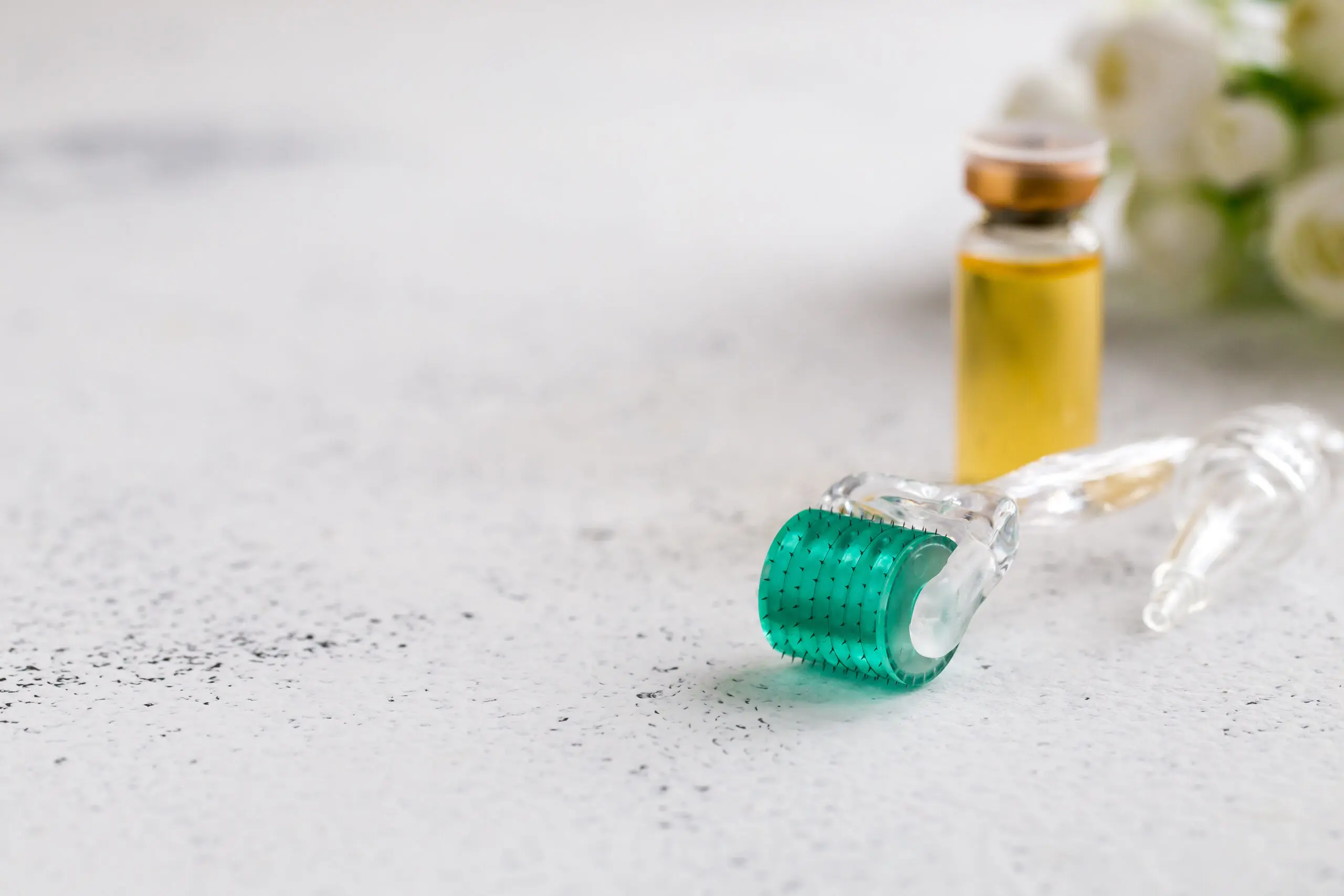
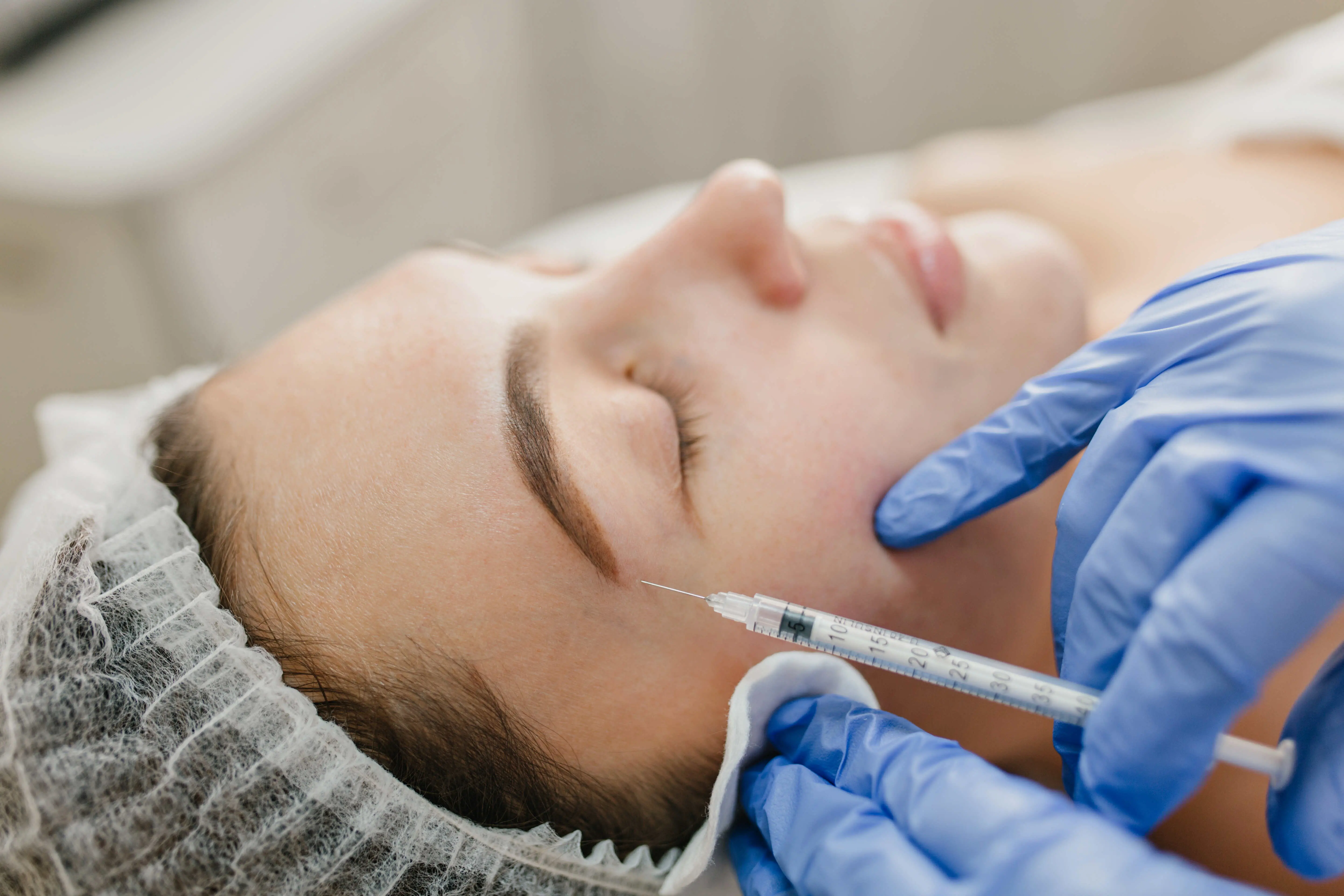
And so, aesthetic dermatology is now also taking advantage of these little all-rounders and relying on effective treatments. Brand new is the treatment with the body's own exosomes, which Dr. Golüke offers in his Munich practice. “Similar to the PRP treatment with autologous blood, blood is first drawn from the patient. This is centrifuged, the exosomes are extracted and then applied quickly to the skin after a classic microneedling or even a radiofrequency microneedling.”
The effect of this minimally invasive treatment: Once introduced into the skin, they stimulate the body's natural regeneration processes and thus reduce, for example, sun damage and signs of skin aging.
Even in the treatment of hair loss, the effectiveness of exosomes can prove itself, as they promote the health of hair follicles and stimulate hair growth. The clear advantage over surgical hair transplantation: The exosome therapy is non-invasive and gentle, without pain and longer downtimes.
And what about exosomes from the cream jar? Here, specialist Golüke has a clear opinion: “Exosomes are hardly stable, which is why they do not survive long in a cosmetic product. Over-the-counter products therefore rely on exosomes of plant origin, such as the rose stem cell. Whether these, however, act effectively with human cells, I strongly doubt.” Proven effective ingredients – according to the guidelines of the Society for Dermopharmacy e.V. – already exist.
Surprisingly, these are not as many as you might think when standing in front of the well-stocked shelves of anti-aging products. “Retinol or retinol derivatives can clearly be regarded as the gold standard in anti-aging cosmetics, as they have a wide repertoire in terms of skin protection and skincare,” says Dr. Duve.
Retinol significantly increases collagen and elastin synthesis, reduces UV-induced collagen damage, and measurably reduces wrinkle depth. Another high-performer in anti-aging cosmetics is hyaluronic acid , a moisture booster and reservoir in one, known for its plumping immediate effect. Vitamin C, in turn, stimulates new collagen formation and reduces hyperpigmentation, niacinamide increases skin elasticity and reduces blemishes, peptides improve cell renewal.
Vitamin E protects the skin from free radicals, and fruit acids (AHAs and PHAs) ensure a clear and slightly tightened complexion. In addition to the proven classics, there are also a few new talents, such as the substance derived from a microalga. Astaxanthin Its antioxidant effect is 6000 times higher than that of vitamin C, making it particularly effective in combating free radicals.
The molecule ectoine, in turn, binds a lot of moisture and stabilizes the cells against harmful environmental influences. Similar to exosomes, Dr. Duve thinks little of plant-based botox alternatives in cream jars: 'From a medical point of view, this is extremely misleading. Active ingredients in beauty products can never achieve the same smoothing or plumping results as an injection with botulinum toxin or fillers.'