© Adobe Stock
Microgreens: edible plant seedlings that can be harvested after just a few days or weeks
January 5, 2026
Jana Ackermann
Microgreens are small powerhouses: They contain up to four times more vitamins than mature vegetables. Learn what microgreens are, how to easily grow them at home, and which varieties are the healthiest.
Microgreens - they may look like inconspicuous, delicate little plants, but they are packed with vital nutrients that justify their reputation as a superfood. But what exactly are microgreens, how are they grown, and why are they so healthy? A look at the food trend.
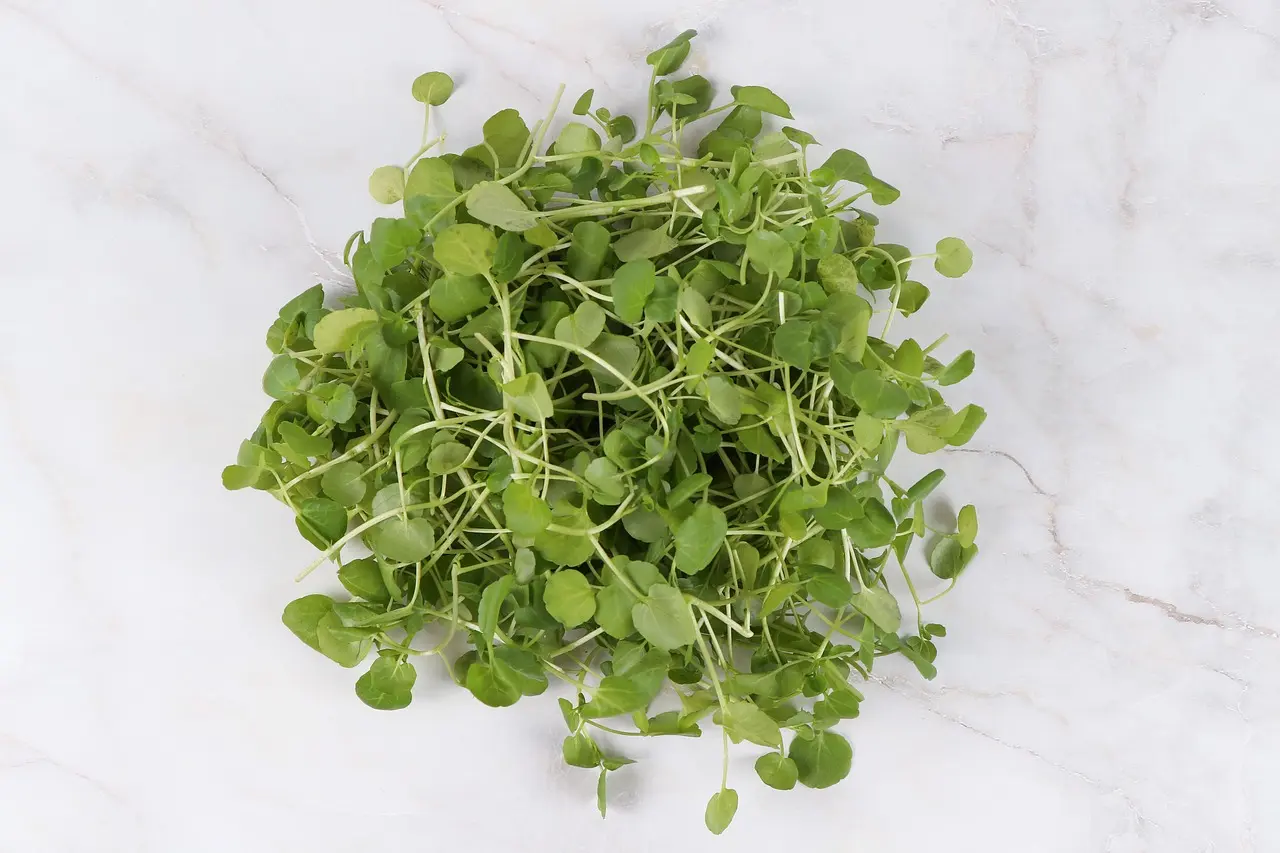
Microgreens are young, edible plant seedlings that can be harvested after just a few days or weeks. 'Micro' describes the size of the plants at harvest time, 'Greens' refers to the range of vegetable plants, cultivated and wild herbs that can be used, such as broccoli, radishes, arugula, coriander, or basil.
They are essentially their 'babies.' They contain everything the plants need to grow in concentrated form, so their content of vitamins, nutrients, and minerals is significantly higher than in the same amount of mature vegetables. This also explains the very intense aroma of microgreens.
Microgreens can be easily grown at home – a big advantage over regular vegetables. All you need are seeds, soil, and a bright location. The seeds are sown in shallow trays and watered regularly. The first harvest can be done after just seven to 14 days.
It is recommended to grow them on the windowsill since microgreens need a lot of light but no direct sunlight. Those who start the growing experiment will quickly notice that the small plants require hardly any space and can thrive successfully even for those without a green thumb.
Since the food trend is still relatively new to us, microgreens are often confused with sprouts. However, the difference lies in the growing method and the developmental stage of the plant. Sprouts are germinated directly in water and eaten after a few days, before forming green leaves. Microgreens, on the other hand, grow in soil or another nutrient medium and develop small leaves, giving them their vibrant color and intense flavor.
Microgreens are considered true nutrient powerhouses. Studies show that they often have a higher concentration of vitamins, minerals, and antioxidants than mature plants. Particularly high are the levels of rich in vitamins A, C, E, K, as well as beta-carotene and lutein, making microgreens ideal for supporting the immune system and eye health.
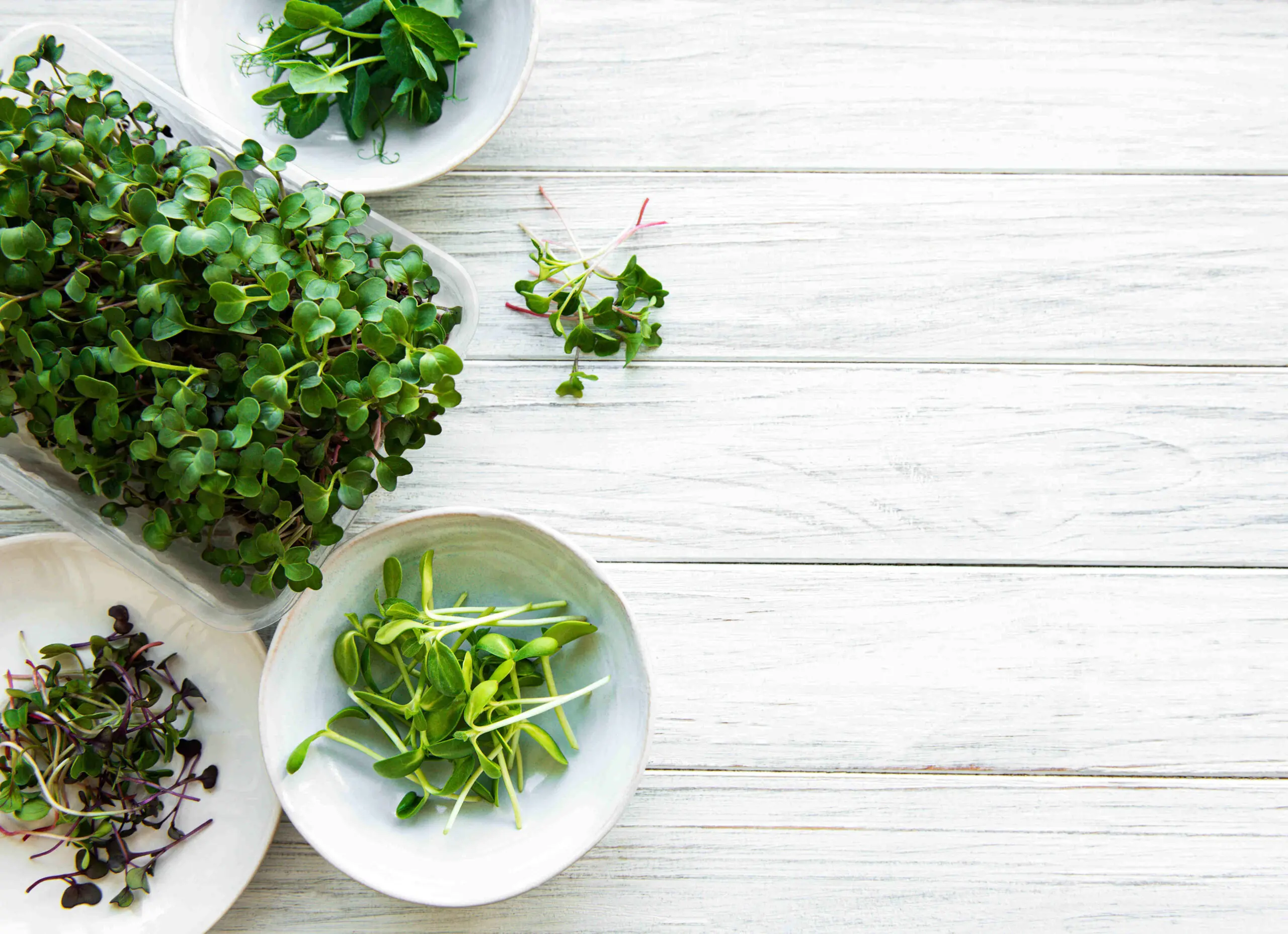
For example, microgreen broccoli contains up to four times more vitamins and antioxidants than mature broccoli. Regularly integrating them into your diet can offer the benefits of their concentrated nutrients.
Microgreens are not only healthy but also add variety and flavor to your meals. Depending on the type, they can be mild, spicy, hot, or even slightly sweet. Broccoli microgreens are particularly rich in vitamin C and support the immune system, while radish microgreens with their spicy aroma are a perfect seasoning for salads, sandwiches, or bowls. Cilantro microgreens are ideal for Asian dishes and are full of flavor.
Due to their high nutrient concentration, microgreens are excellent for daily supplementation of a balanced diet. They can be effortlessly integrated into many dishes, adding a special kick to even simple snacks or meals.
Whether as a topping for salads, smoothies, soups, or as an energy-boosting eye-catcher on a piece of whole-grain bread with cottage cheese, these small plants add flavor and color to the kitchen.
Several scientific studies support the health benefits of microgreens. A study by University of Maryland (Xiao et al., 2012) showed that young seedlings of red cabbage, coriander, or amaranth contain up to 40 times higher concentrations of vitamins and secondary metabolites depending on the variety than their mature counterparts.
Recent analyses, published in the Journal of Agricultural and Food Chemistry (2018), also indicate that microgreens are rich in polyphenols and antioxidant enzymes, which can reduce oxidative stress in the body. Especially broccoli microgreens contain high levels of sulforaphane — a substance associated in research with anti-inflammatory and potentially anti-cancer effects.
Harvested microgreens last about 5 to 7 days in the refrigerator, in an airtight container. They taste best fresh – right after harvest.
Yes, microgreens are very suitable for children. Mild varieties like broccoli or pea are particularly popular and provide valuable nutrients for growth.
Radishes and sunflowers are considered particularly easy to care for and germinate quickly. They are ideal for anyone wanting to grow microgreens for the first time.
Most microgreens are only suitable for a single harvest, as they do not regrow after cutting. Exceptions are pea and basil microgreens, which can sprout again under good conditions.
No. Sprouts are germinated in water and eaten whole, including the root and seed. Microgreens grow in soil, develop first leaves, and are harvested above the soil.