This is how longevity becomes a walk in the park
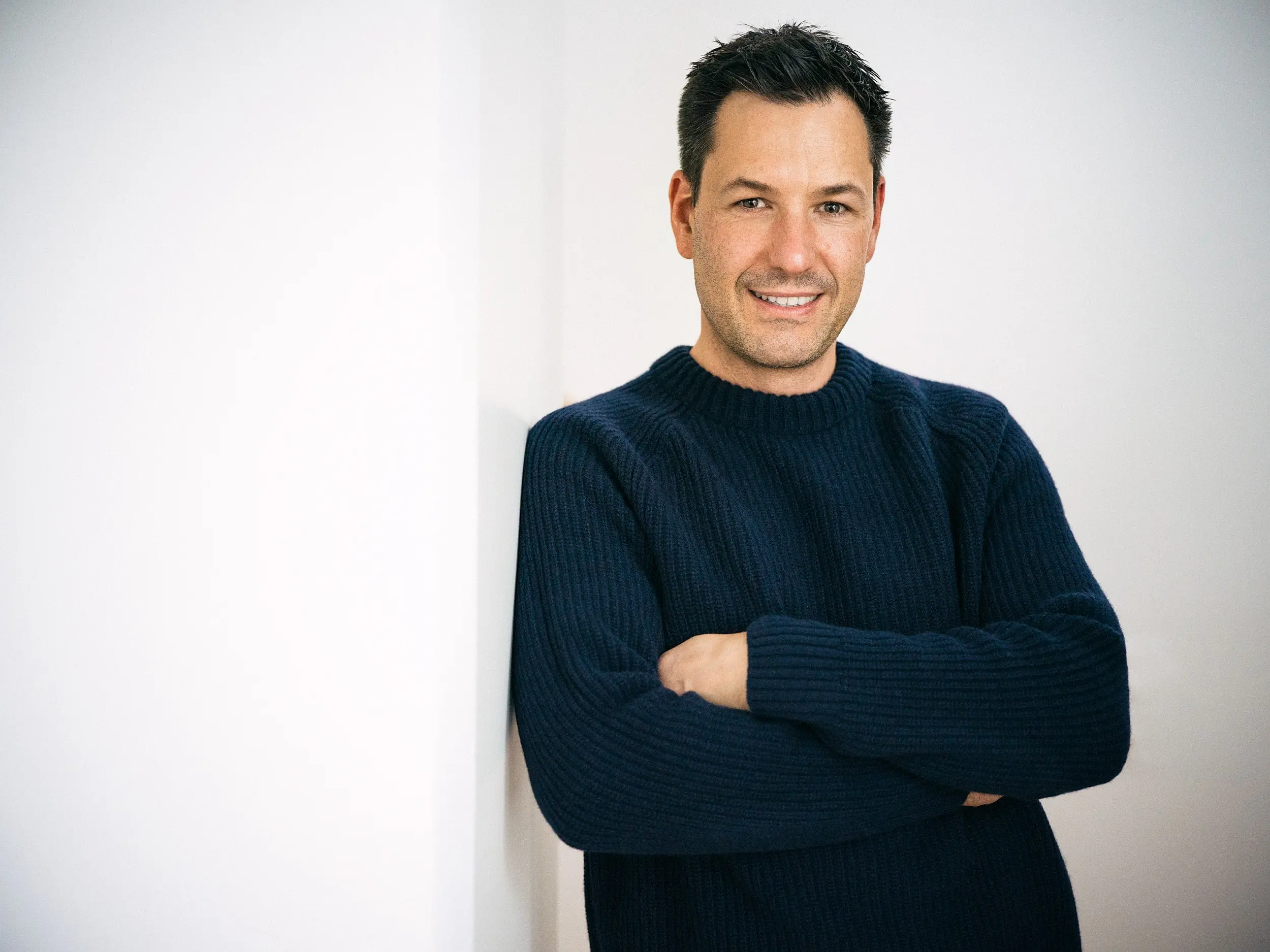
"Feel good, live better" – in this podcast episode, longevity expert Nils Behrens reveals what everyone can do daily to stay as healthy and live as long as possible.
From sports to healthy eating to restful sleep: It takes six building blocks to become as healthy and as old as possible, writes Nils Behrens in his recently published book "Walk to Immortality." How to easily integrate these into everyday life, why longevity is less about the future and more about feeling good today, and which trendy health hack he personally prefers to skip, the host of the Healthwise Podcast, who is also a Strategic Brand Partner at Sunday Natural, reveals in the current episode of FEEL GOOD, LIVE BETTER, the podcast from Premium Medical Circle.
The podcast from Premium Medical Circle
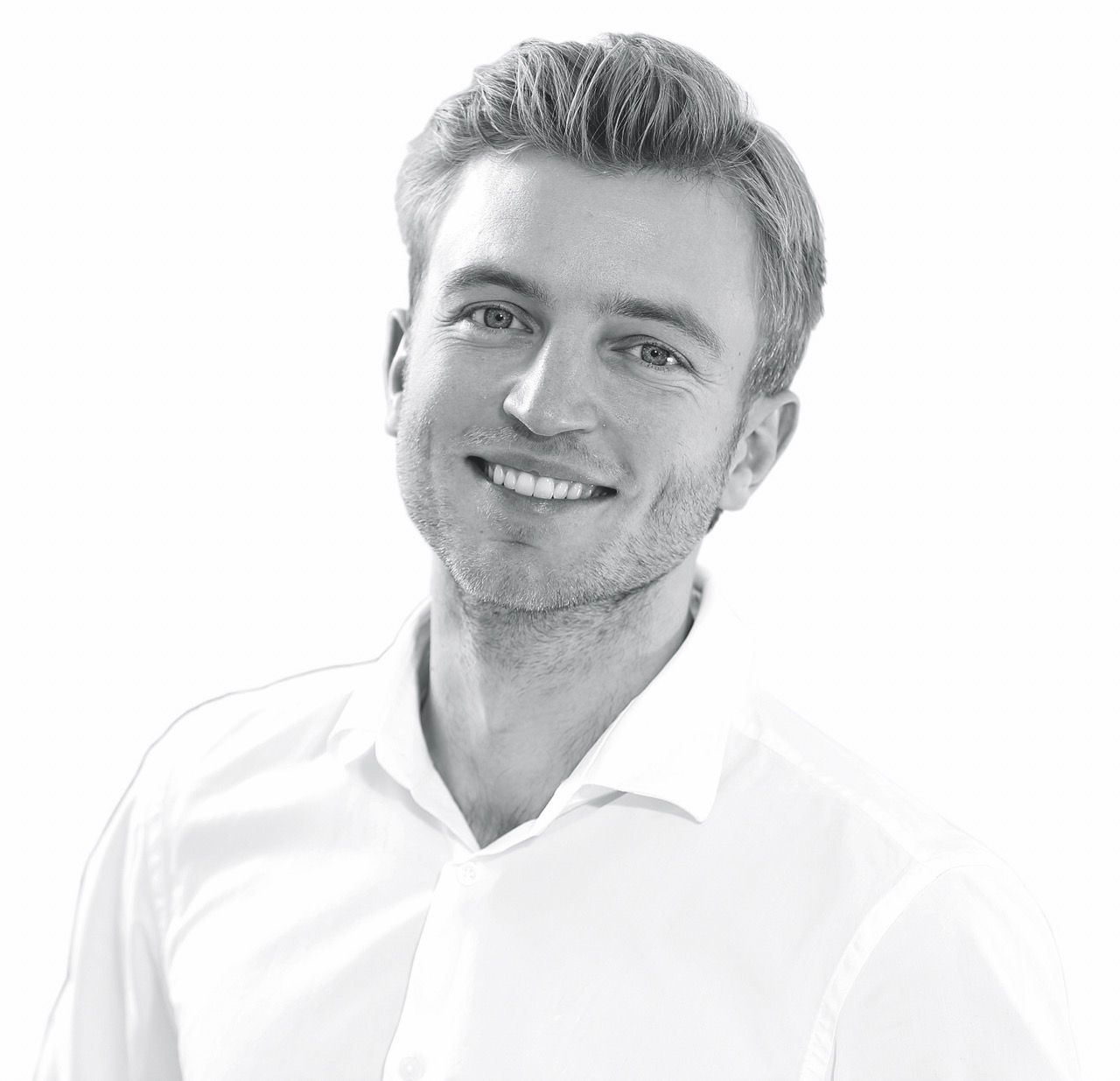
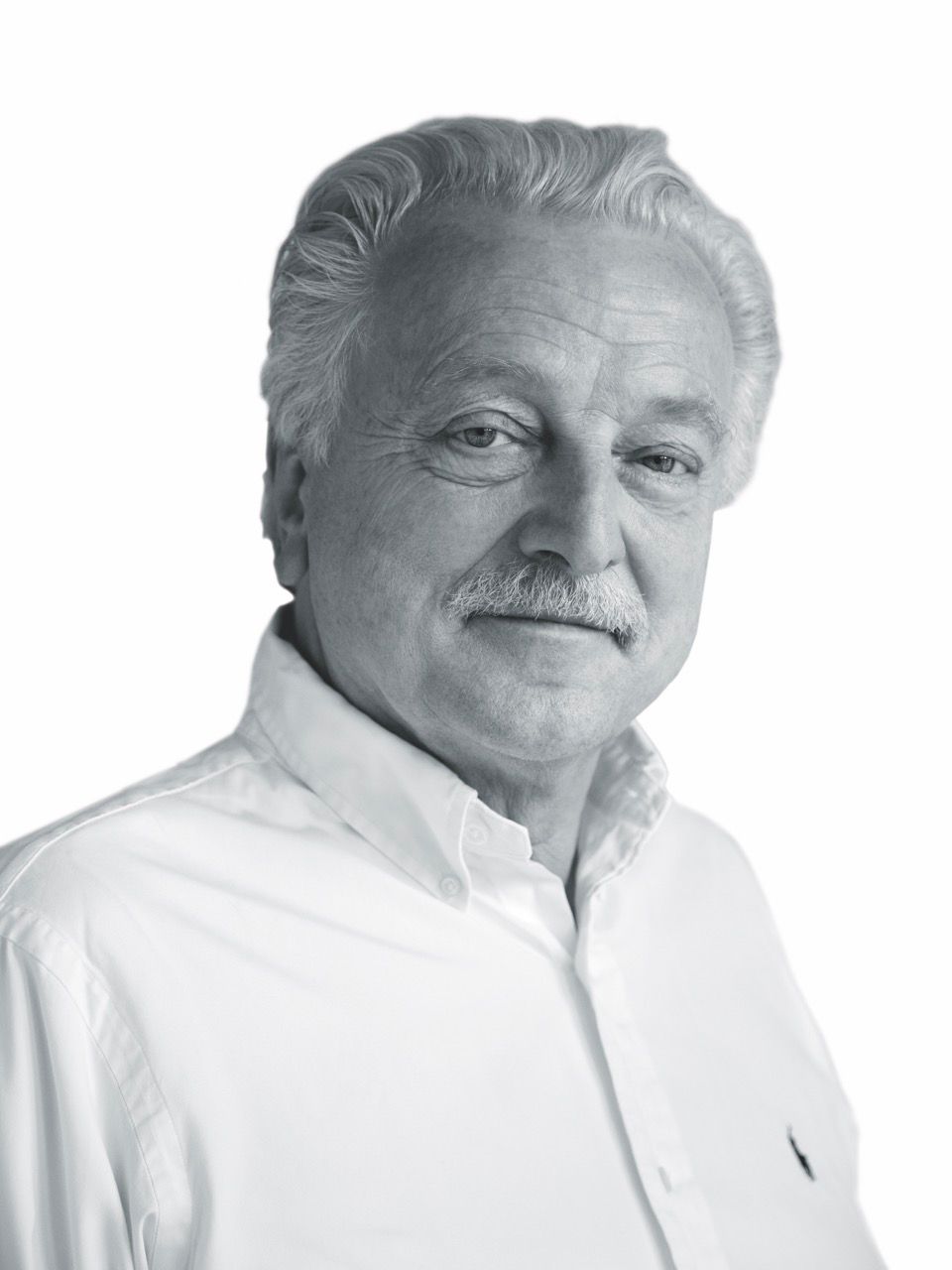
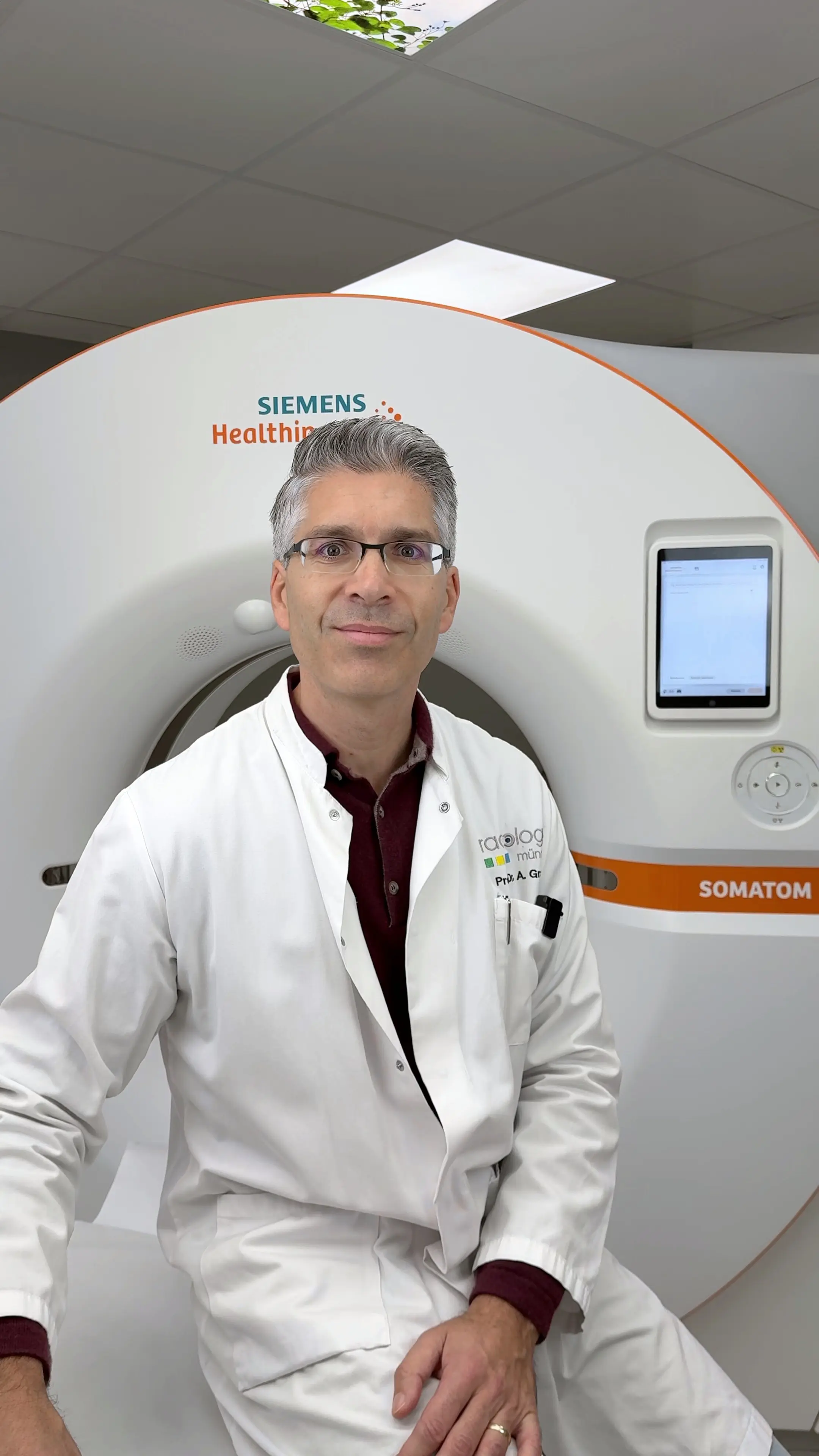
PMC Managing Director Stephanie Neureuter met with, among others, the endocrinologist and diabetes expert Dr. Alexandra Schoeneich, the lipedema specialist Dr. Anna-Theresa Lipp, the internist Prof. Dr. Uwe Nixdorff, the dermatologist Dr. Susanne Steinkraus as well as the neurosurgeon and preventive medicine specialist Dr. Jan K. Hennigs.
Feel good, live better
In the health podcast by Premium Medical Circle, Stephanie Neureuter talks to experts from various fields such as nutrition, mental health and women's health, psychosomatics, surgery, aesthetic medicine, or digital health.
As in the print magazine Premium Quarterly, it is about health and wellbeing and how we can lead a happy, long life. Informative, exciting, entertaining.
Every Wednesday, on Spotify, Google Podcasts, Deezer, Amazon Music, and Audible.