© PMC
Services
Brain Health: From Prevention to Care
"Interested, open to new things, and a bit restless" – this is how Prof. Dr. Lorenzl describes himself. And with that, he already names a few qualities that are crucial for keeping the brain vital. Prof. Dr. Stefan Lorenzl is a specialist in neurology and palliative medicine and the chief physician of the neurology department at Agatharied Hospital. His focuses are neurodegenerative diseases such as Parkinson's and atypical Parkinson's syndromes, motor neuron diseases (e.g., ALS), and multiple sclerosis as well as Alzheimer’s and dementias. The modern clinic in the Miesbach district offers a diagnostic and therapeutic range at a university level – but due to its size, also very individual advice and support. "Especially with diagnoses like dementia or Parkinson's, this is important," emphasizes Lorenzl. "Many initially think: Life is over now. Yet there are numerous ways to influence the course – often even before the disease breaks out." According to studies, forty to sixty percent of the risk factors for dementia can be specifically treated or influenced – provided they are recognized in time.

© PMC
The vessels supplying the brain are examined using the latest ultrasound technology.
© PMC
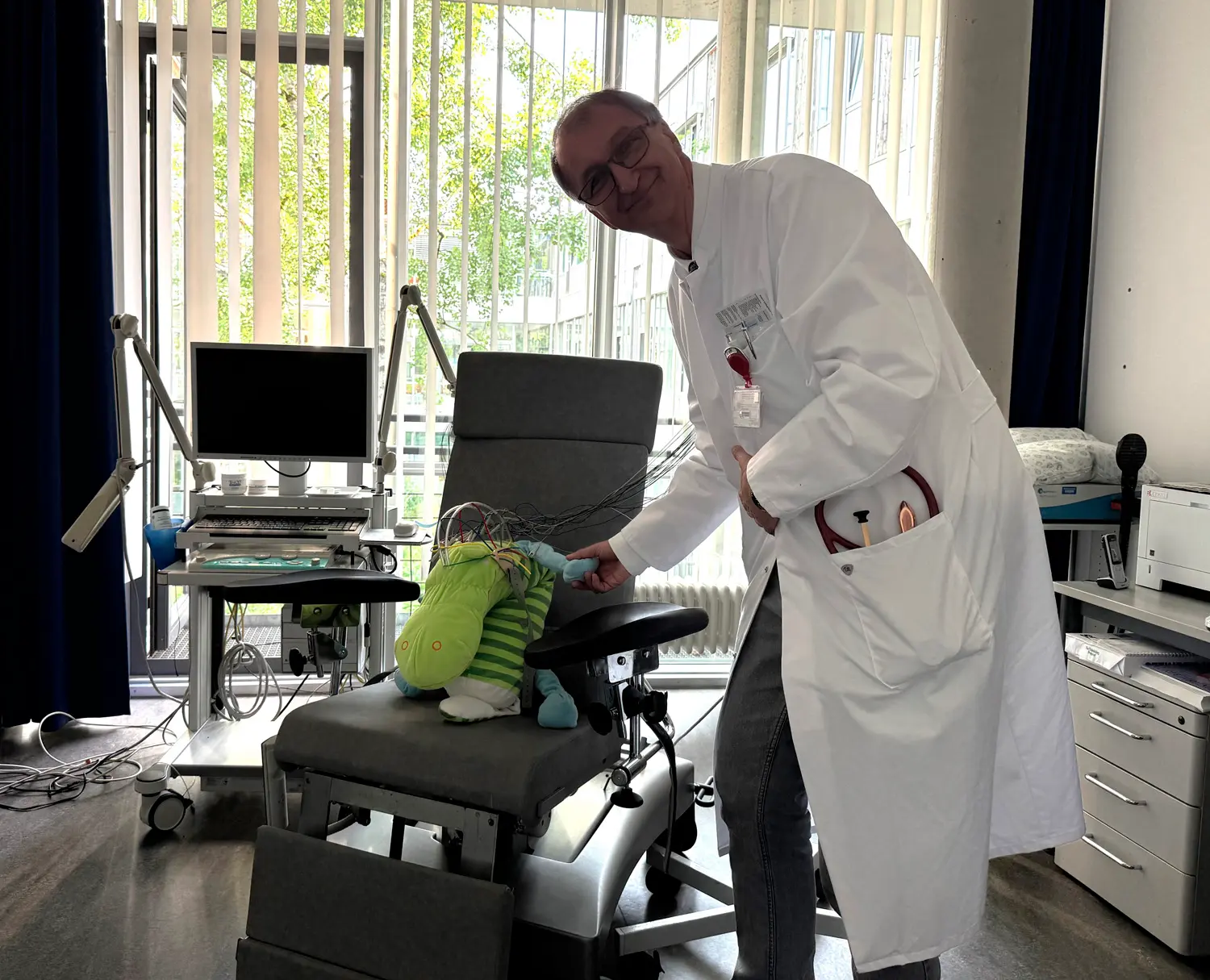
Prof. Dr. Stefan Lorenzl devotes his full expertise and attention to each patient – for treatment at the highest level.
© PMC
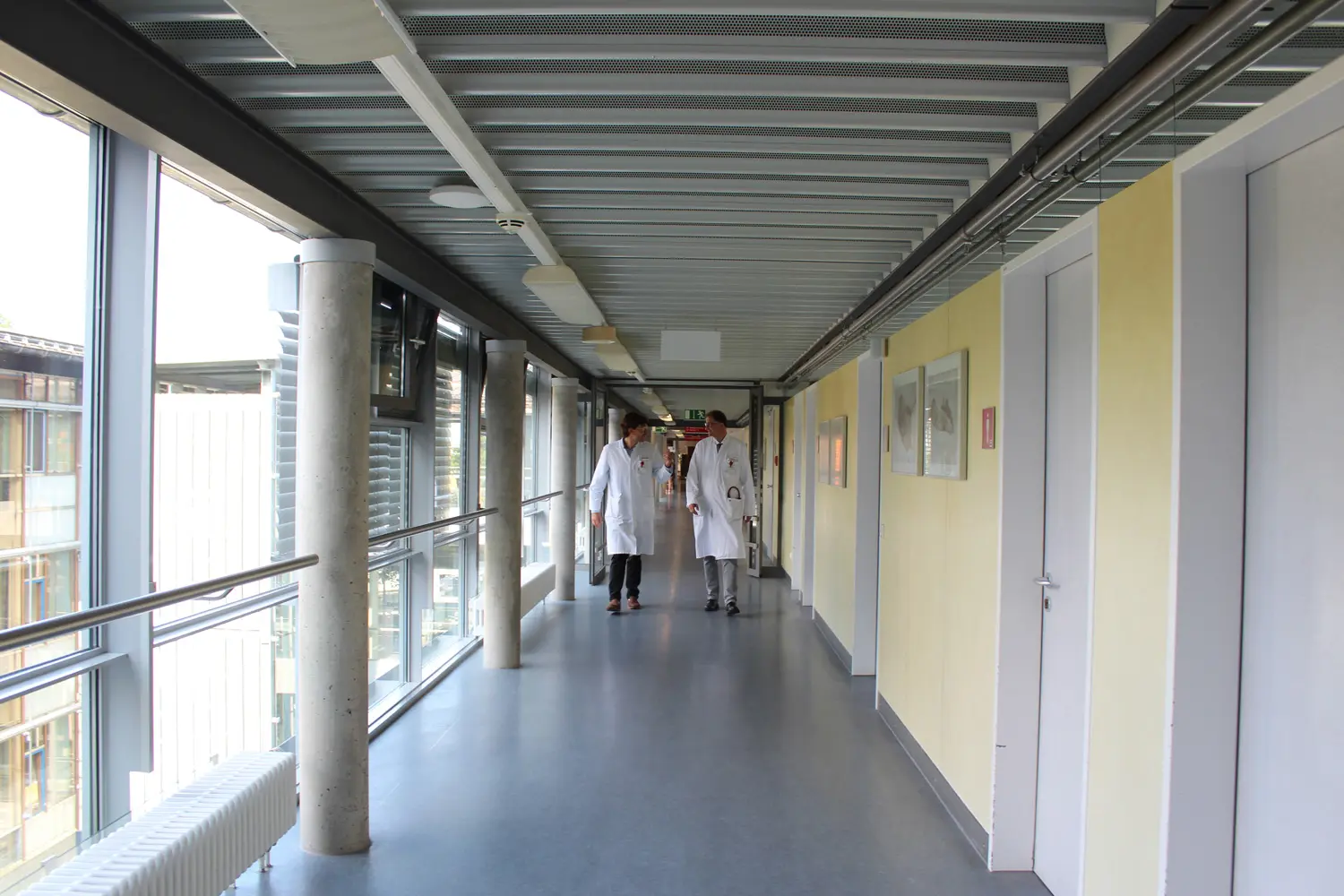
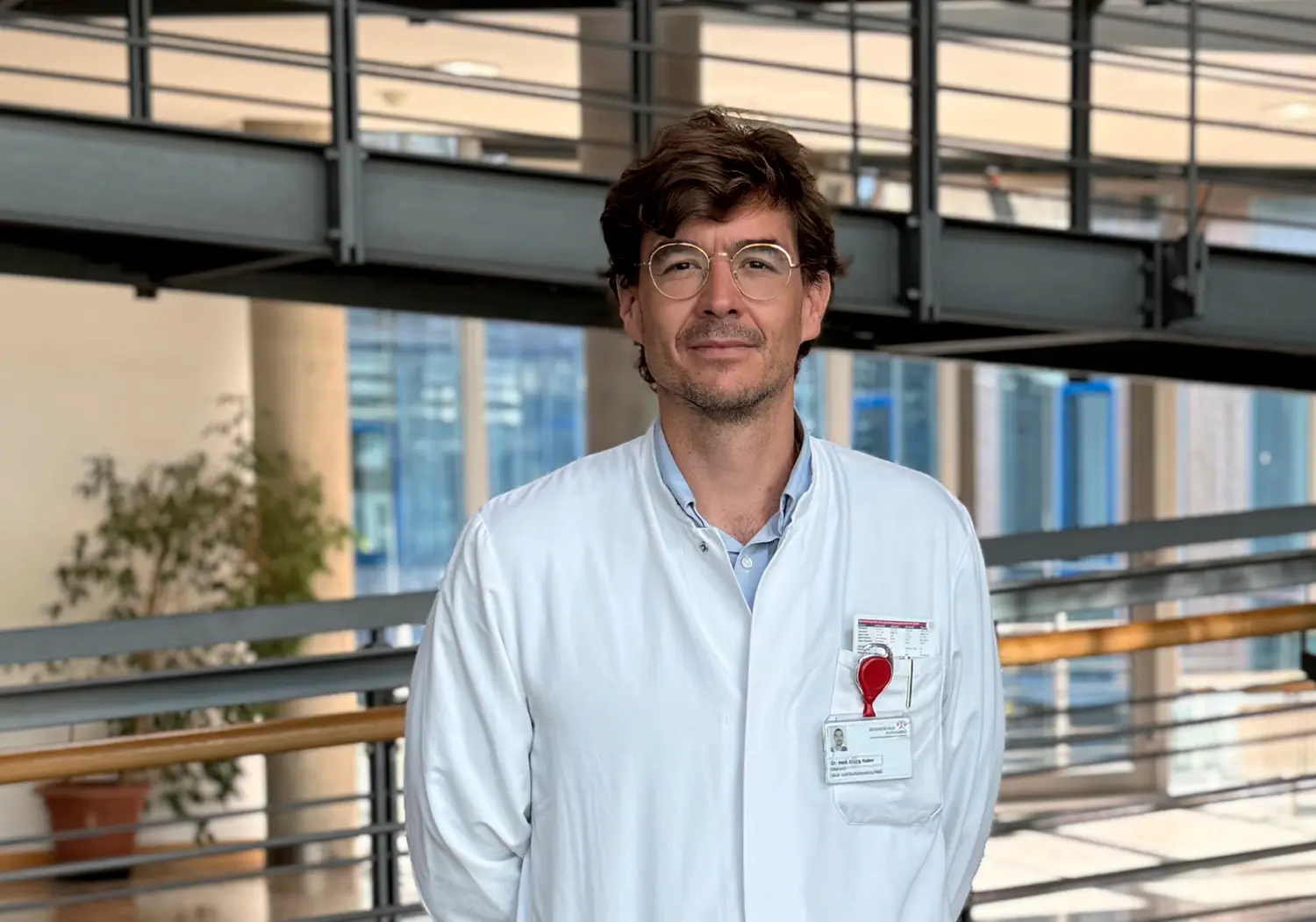
Prof. Dr. Stefan Lorenzl and Dr. Haber in the hospital corridor – two top doctors for the highest medical quality
© PMC
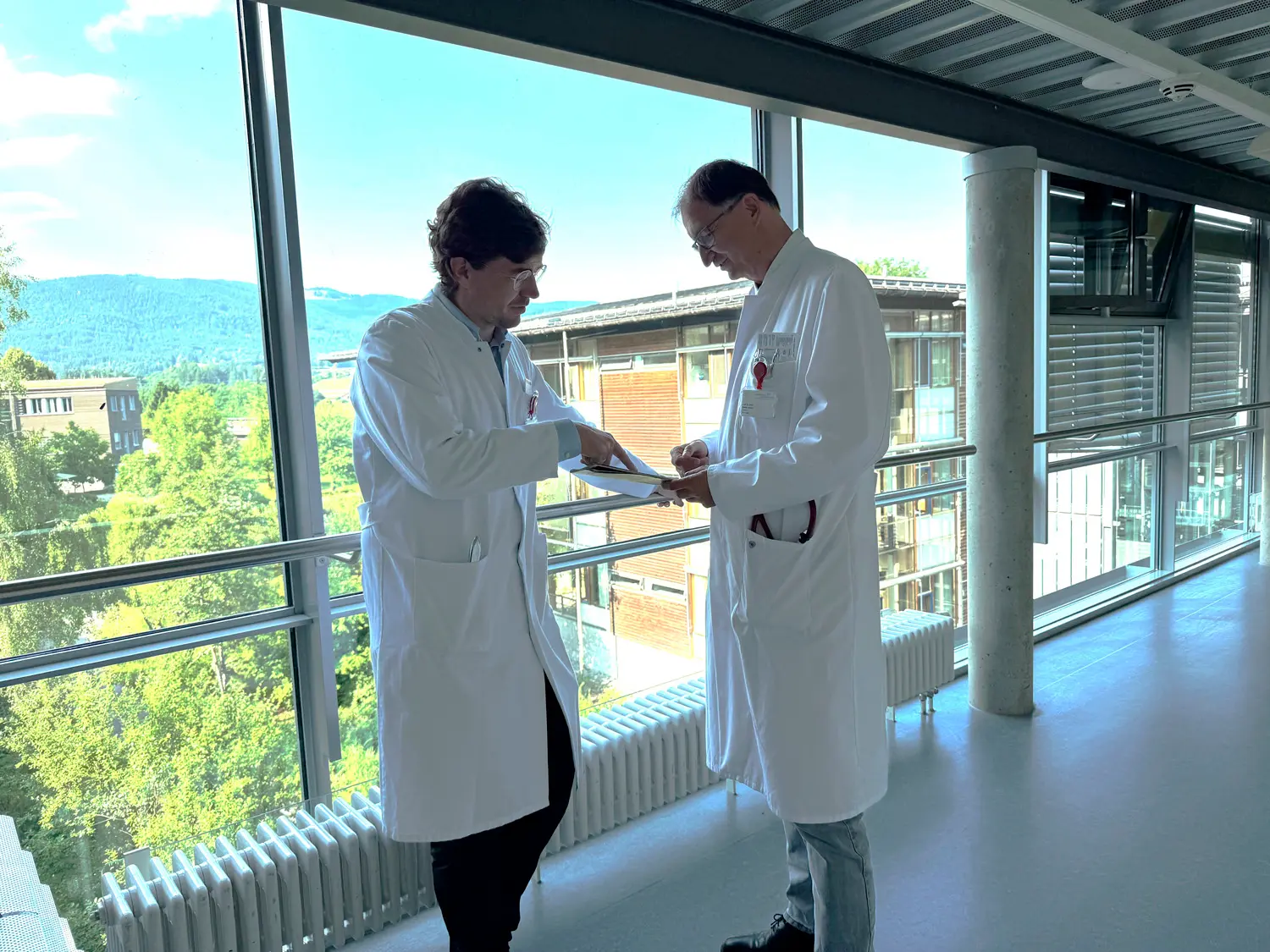
Prof. Dr. Stefan Lorenzl and Dr. Haber in professional exchange – full expertise and collegial collaboration for patient care
© PMC
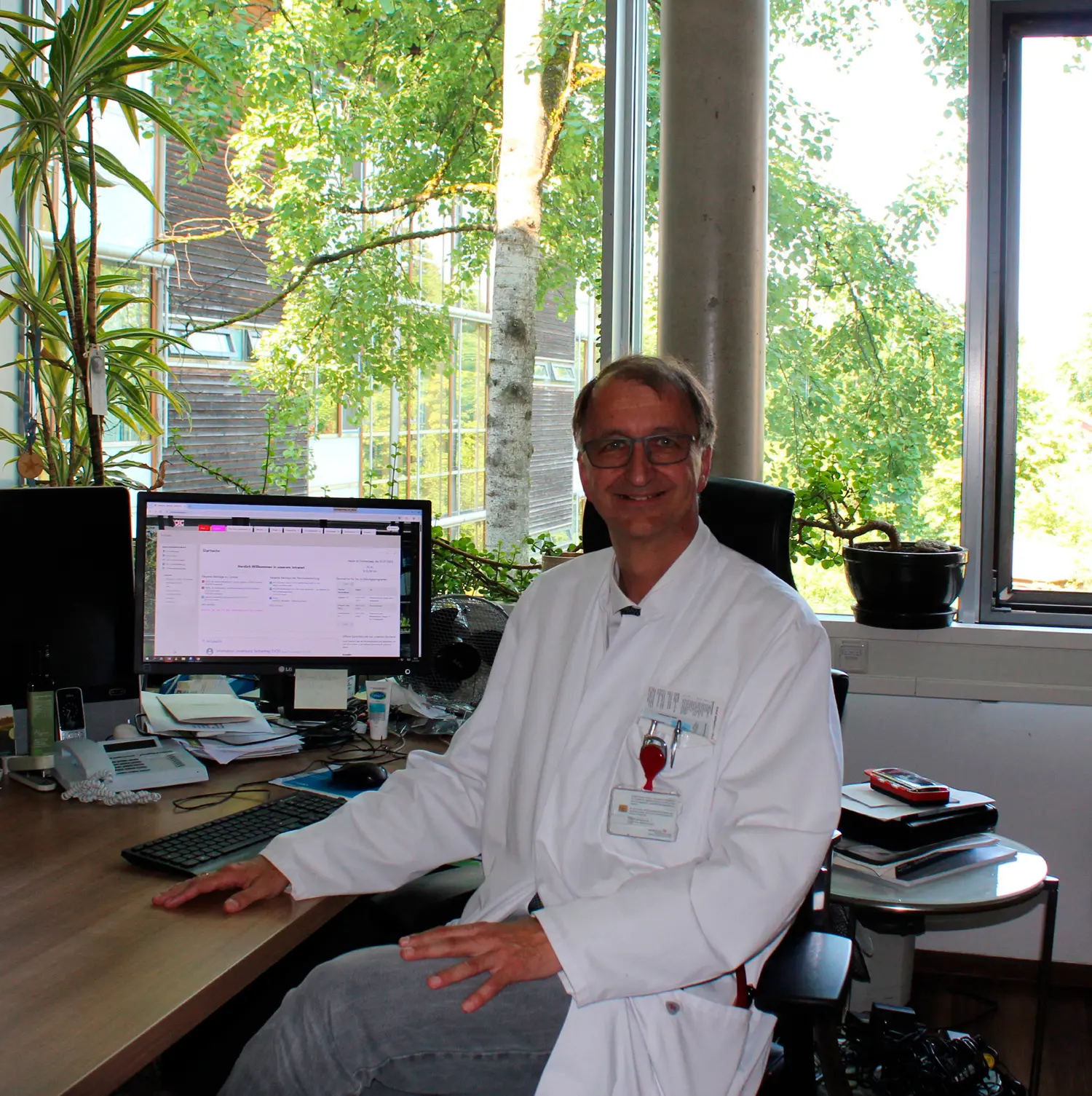
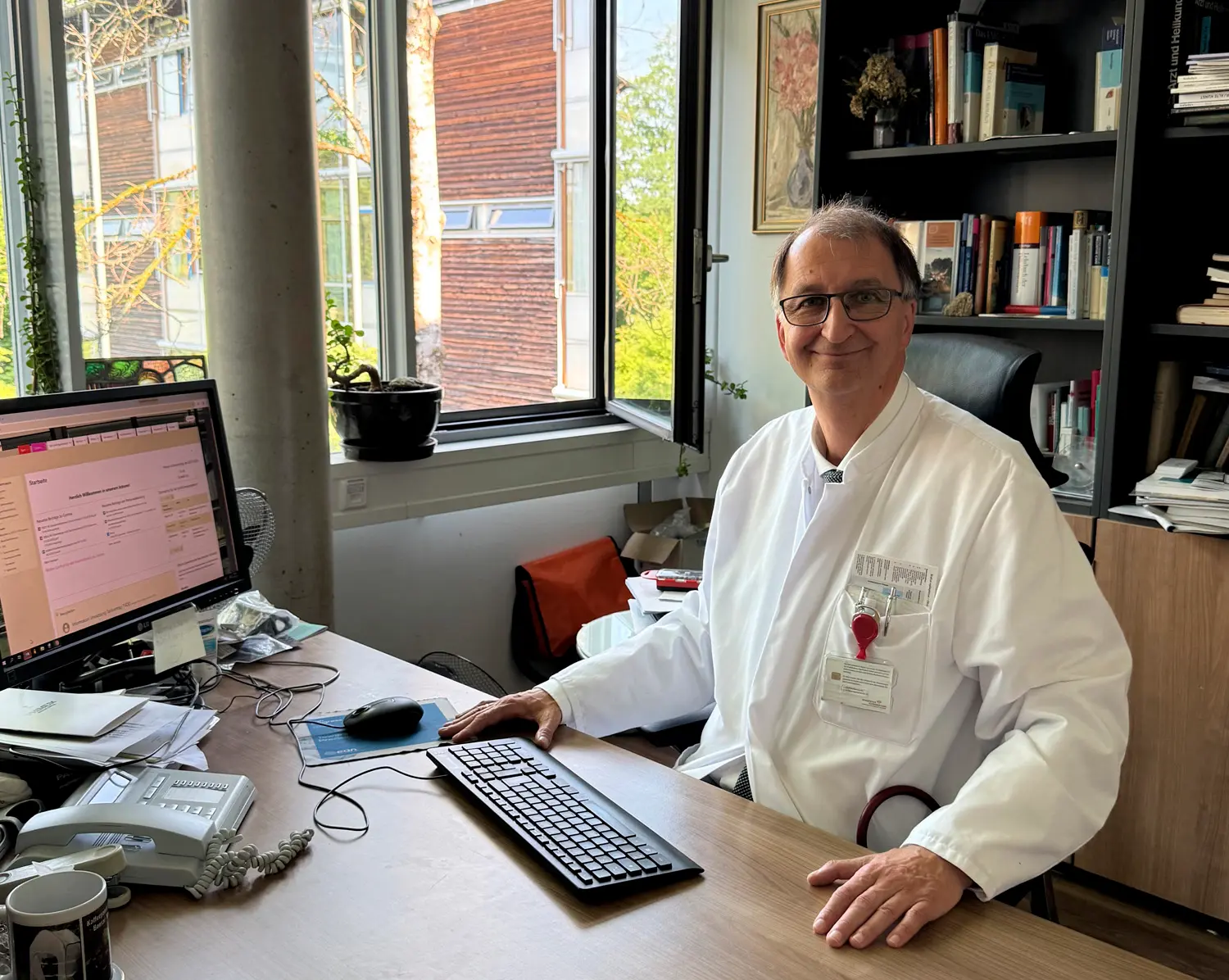
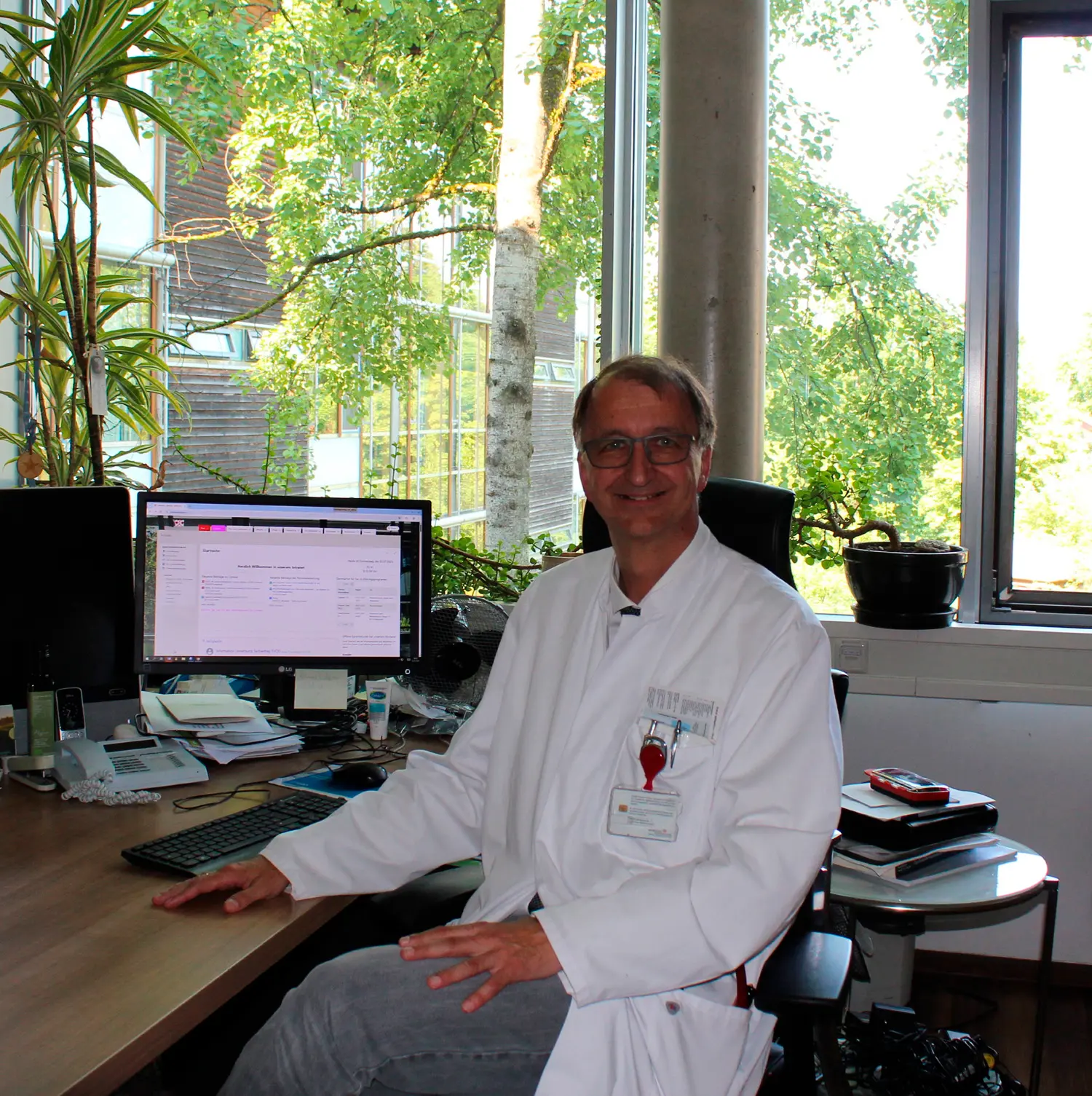
Prof. Dr. Stefan Lorenzl at his desk – medical expertise
Alzheimer’s and Dementia
More than 1.8 million people in Germany live with dementia, most with Alzheimer’s. A significant increase is expected worldwide. The good news: “In Europe, we see a flattening. People are more active, eat more consciously, and pay attention to their mental and physical fitness. This shows that we can influence it ourselves,” explains Lorenzl. Modern diagnostics include neurological examinations, memory tests, EEGs, blood and cerebrospinal fluid analyses, as well as imaging. And sometimes it turns out that it is not dementia, but, for example, depression. Genetic tests can also provide clarity. “This sounds frightening to some, but even with a predisposition, there are therapeutic options today. The sooner we know, the better we can act.” Therapeutically, he also relies on a newly approved antibody drug in Germany for Alzheimer’s, which can slow the progression. This infusion therapy is especially useful in the early stages. Early detection is crucial – also when administering the medication: A gene test also shows who tolerates it well.
“Forty to sixty percent of the risk factors for dementia can be specifically treated or influenced according to recent studies—provided they are recognized in time.”
Prof. Dr. med. Stefan Lorenzl
Movement Disorders and ALS
A central area of Lorenzl’s work is Parkinson’s disease and its atypical forms, which are among the most common diseases of the central nervous system. The causes are largely unknown – making research and the development of new therapeutic approaches all the more important. Lorenzl is also involved in the Parkinson Alliance, a network of clinical working groups at Munich university hospitals. Studies show, among other things, a connection between Parkinson’s and the use of pesticides. He has particular expertise in atypical forms of Parkinson’s, which progress faster and respond less well to standard medications. Together with his team, he develops individual therapy combinations. In Agatharied, research on the causes and treatment options for ALS is also conducted. “Besides therapy, it’s always about life planning and personal support – and I take time for that, even after 6 p.m. and on weekends.”
Mental Fitness and Brain Health
“Many diseases we fear – Alzheimer’s, Parkinson’s, ALS – can potentially be influenced by prevention,” Lorenzl emphasizes. Preventive medicine is therefore a key word in neurology. And in longevity medicine, “Brain Health” is coming to the forefront. Together with the Lanserhof Tegernsee, he has developed a special program. It begins with assessing the risk profile, which includes: blood pressure, blood sugar, gut health, family predispositions, lifestyle factors, and neuropsychological tests. Optionally, MRI or EMG as well. Based on the results, an individual prevention concept is created. This includes dietary and micronutrient adjustments, exercise concepts like neurobalance training or Tai Chi, neuromodulation measures (e.g., transcranial direct current stimulation) as well as mental health measures (e.g., hypnosis, meditation).
"A healthy brain is always interested in learning something new. If you notice that this is waning, you should take action."
Prof. Dr. med. Stefan Lorenzl
In everyday life, simple questions (“Do I have regular bowel movements? What foods do I not tolerate? How do I move? How do I sleep?”) provide clues on what adjustments one can make, says the expert. The gut microbiome is considered a crucial factor in the development of neurodegenerative diseases. “To keep it healthy, you don’t need exotic superfoods,” says Lorenzl. The Mediterranean diet – that is, natural foods, good bread, olive oil, and local herbs – is also recommended here for risk modification. As little sugar and alcohol as possible. Equally important is regularity: fixed meal times, eating together, a clear daily rhythm, or fasting times. Fasting, in particular, is essential because it stimulates autophagy – the cellular cleaning process. Additionally, structure and support are also provided by community and intellectual engagement – because “the brain seeks interaction with other brains.” This can also help maintain autonomy longer in dementia. Sleep is also central. Deep sleep phases serve detoxification of the brain, and short naps provide valuable regeneration. And: less screen time in the evening, better to read a book. Finally, exercise: at least 30 minutes daily is a “minimum program” for Lorenzl. This includes walking, cycling, or stretching exercises – the important thing is regularity. His tip: walk ten steps backward daily – it stimulates the cerebellum and positively influences memory performance.
Dignity and Quality of Life
Another heartfelt topic for Prof. Dr. Lorenzl is palliative care – because many neurological diseases are incurable and have a heavy symptom burden in the advanced stage. Modern methods such as non-invasive ventilation, opioid therapy for shortness of breath, or specialized care concepts provide noticeable relief. 'I also want to give people a little hope or companionship – even or especially when a disease is not curable,' says Lorenzl. For him, medicine not only means the search for cures but also the obligation to maintain dignity, autonomy, and quality of life. With the 'Institute for Palliative Care' he co-initiated at the Paracelsus Medical Private University in Salzburg, Lorenzl sets scientific impulses. There, interdisciplinary research is conducted with a team from medicine, nursing, pharmacy, geriatrics to spiritual care, and new models – such as neurological home care for ALS and Parkinson's patients – are developed. The goal is high-quality palliative care.
Where does he draw his strength from? 'From an interest in my patients. I am fortunate that every day brings exciting tasks and new challenges. And I enjoy being around people – also in private life.'
Latest Articles



- Podcast
- Health
Brain Health
"Feel good, live better" – der Health Podcast von Premium Medical Circle. In dieser Episode verraten die Neurologen Prof. Dr. Stefan Lorenzl und Dr. Georg Haber, wie man das Gehirn möglichst lange gesund und fit hält.
Christine Bürg
An interview with
Prof. Dr. med. Stefan Lorenzl